


An 11 kV 630 A enquiry often goes wrong when the buyer checks only the voltage and continuous-current lines. The breaker can carry the normal load and still fail the project review if the prospective fault current, operating sequence, insulation basis or installation arrangement was never translated into the duty schedule. The practical selection task is to connect the network study to the exact breaker configuration before price or delivery is compared.
Summary: An 11 kv vacuum circuit breaker must be selected as part of the medium-voltage system, not as a voltage-and-current commodity. Start with calculated short-circuit duty, then verify normal current, insulation level, operating sequence, enclosure, and relay interface. IEC 62271-1 establishes common requirements for high-voltage switchgear and controlgear, while IEC 62271-100 addresses AC circuit-breaker performance; a 630 A rating alone does not establish fault-interruption capability. Issue a duty schedule and single-line diagram with the request for quotation. For a related technical topic, see What Does a 36 kV Vacuum Circuit Breaker Rating Mean for Your Project?.
What should you confirm before choosing an 11 kV 630 A breaker?
An 11kv vcb breaker must interrupt the prospective short-circuit current at its installation point; obtain this from a fault study including utility contribution, transformers, motors, generators, and future changes. A typical 11kv 630a VCB may be offered at 20 kA or higher short-circuit ratings, but “typical” is never a substitute for the fault-duty calculation. Under IEC 62271-100, short-circuit making and breaking performance are demonstrated through specified type tests; ask for the relevant test evidence and the offered breaking-current rating.
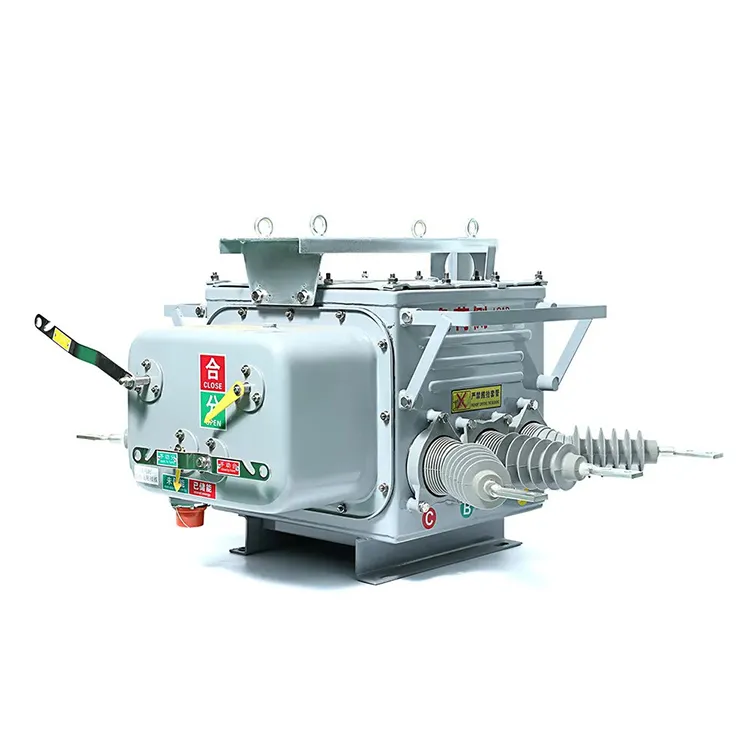
Then decide whether the application needs an indoor withdrawable breaker in metal-enclosed switchgear, a fixed indoor arrangement, or a pole-mounted outdoor unit. An indoor panel room changes the requirements for dimensions, interlocking, auxiliary contacts, and racking; a feeder exposed to weather changes the enclosure, insulation, pollution, and mechanical-installation requirements. For overhead distribution applications, a 11kV outdoor circuit breaker should be specified with its pole mounting, terminal arrangement, control cabinet, and site environment in the enquiry.
| Selection input | What to verify | Why it matters |
|---|---|---|
| System voltage | Maximum system voltage and insulation coordination | Confirms the voltage class and dielectric requirements. |
| Normal load | Continuous current, ambient temperature, enclosure derating | Ensures 630 A carries the real duty. |
| Fault study | Breaking, making, and short-time withstand current | Prevents an interrupting-duty mismatch. |
| Operating duty | Opening/closing sequence and switching application | Switching duties differ by application. |
| Installation | Indoor/outdoor location, altitude, pollution, and control power | Creates a site-ready arrangement. |
Which ratings belong in an 11 kV VCB specification?
For a 630A VCB, normal current is only one data-sheet line. Compare rated voltage, insulation level, power-frequency and lightning-impulse withstand voltage, frequency, short-time withstand current and duration, breaking current, peak making current, mechanical endurance, and auxiliary supply. IEC 62271-1 includes common provisions such as dielectric and temperature-rise tests; IEC 62271-100 adds circuit-breaker-specific test duties.
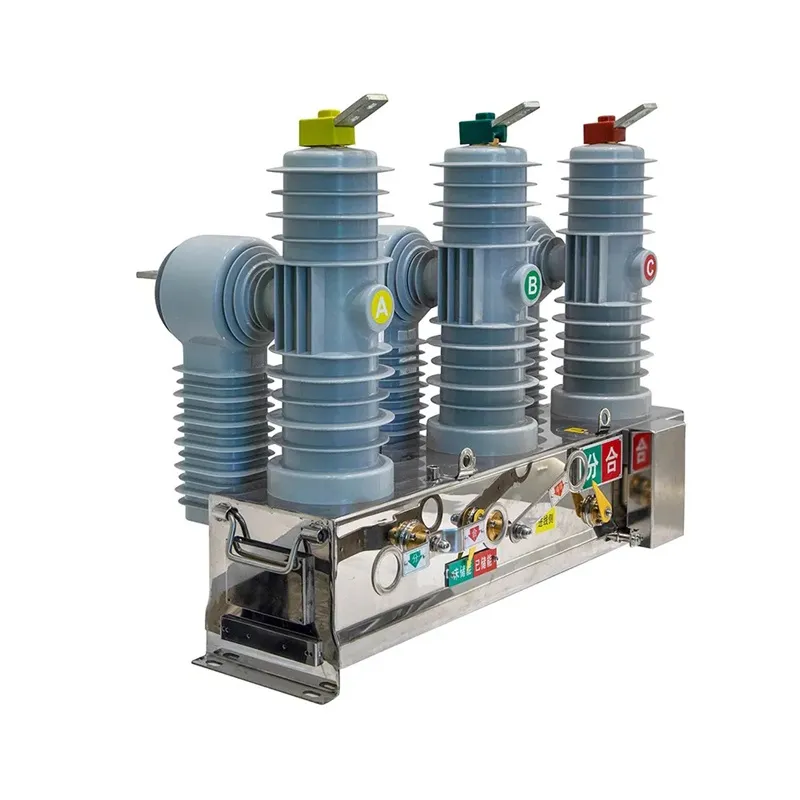
Ask how the breaker will be controlled. A protection relay typically trips the breaker through the trip coil, using CT and, where necessary, VT inputs matched to the protection study. The relay is selected for the feeder’s functions—commonly phase overcurrent, earth fault, directional elements, under/overvoltage, or bus/transformer protection—not simply because it is paired with an 11 kV VCB. Confirm trip-coil voltage, close coil, anti-pumping, local/remote controls, SCADA protocol, interposing relays, and the number and timing of auxiliary contacts.
What drives price, maintenance, and lifecycle cost?
Searching for an 11kv vacuum circuit breaker price is sensible, but no responsible supplier can quote a universal price. Cost changes with interrupting rating, indoor or outdoor design, fixed or withdrawable construction, controls, quantities, documentation, destination requirements, accessories, and logistics. Request like-for-like quotations that state every included component; otherwise a low equipment price can conceal installation or commissioning cost.
| Cost driver | Procurement question | Lifetime implication |
|---|---|---|
| Fault-duty rating | Does the offered kA duty meet the study with suitable margin? | An underspecified breaker can force redesign or create unacceptable risk. |
| Indoor or outdoor construction | What enclosure, insulation, control cabinet, and mounting are included? | Site exposure affects installation scope and inspection needs. |
| Controls and protection | Are relay, CT/VT interfaces, coils, and communications included? | Incomplete secondary scope causes late engineering changes. |
| Testing and documents | Which routine-test records, drawings, manuals, and type-test evidence are supplied? | Complete documentation smooths acceptance and commissioning. |
| Maintenance access | Can mechanism, terminals, and secondary circuits be inspected safely? | Access reduces planned-outage time. |
Vacuum interrupters remove oil handling and generally reduce interrupter tasks, but do not eliminate maintenance. A practical 11kv vacuum circuit breaker maintenance procedure starts with isolation, lockout/tagout, and verification of absence of voltage under site safety rules. Qualified personnel inspect insulation and terminals; check enclosure condition, earthing, mechanism operation, counters, coils, auxiliary contacts, control wiring, and relay trip path; clean only with approved methods; perform applicable functional, timing, contact-resistance, insulation, and secondary-injection tests; and record findings. Intervals and acceptance values must follow the manufacturer’s manual, site duty, and asset-management plan.
What evidence should accompany the 11 kV purchase order?
State the applicable edition of IEC 62271-1 and IEC 62271-100 with rated values and project acceptance requirements. IEC 62271-1 covers common specifications for AC switchgear and controlgear above 1 kV and up to 52 kV; IEC 62271-100 covers AC circuit breakers. They define requirements and test regimes, but citing a standard is not proof that a particular supply passed every relevant test. Ask for a declaration of conformity, routine-test records, and relevant type-test documentation; add local regulatory, utility, or customer requirements separately.
Unsupported IEC claims can delay consultant approval, factory acceptance, shipment, or energization. The correct evidence depends on the destination market, intended use, rated values, and whether the breaker is supplied as a component or within switchgear. For a pole-mounted application, review a column vacuum circuit breaker against the mechanical layout and local environmental conditions, not only the primary electrical ratings.
How should an 11 kV VCB selection be documented?
- Issue the single-line diagram, load profile, fault-level study, earthing method, and required protection functions.
- Set the rated voltage, 630 A continuous-current requirement, short-circuit duties, insulation values, and operating sequence in one data sheet.
- Define indoor/outdoor installation, ambient conditions, altitude, pollution class, mounting, cable or terminal interfaces, and control supply.
- Compare supplied drawings, IEC evidence, routine-test scope, relay/control interfaces, spares, warranty terms, and commissioning support on the same basis.
- Plan inspection, functional testing, and trained maintenance access before energization.
Fuerte can support this process with configurable medium-voltage breaker options and documentation aligned to the project enquiry. Where a compact outdoor configuration is needed, compare the stated duty and accessory scope of a 630A VCB against the actual feeder study and installation details before selection.

What does the latest buyer guidance add to an 11 kV RFQ?
Google results for current 11 kV selection questions repeatedly separate normal current from short-circuit duty and ask how the breaking capacity is established. Put the calculated fault level, making current, short-time withstand duration, insulation values, control supply and installation type in one schedule. A supplier example of 20 kA or 25 kA is a comparison point only; the project study and the offered test evidence control the decision.
The same search results also surface the 80% rule question. That rule belongs to a particular low-voltage continuous-load context and should not be copied into a medium-voltage VCB specification without the governing code and design basis. State the applicable code, duty cycle and acceptance tests instead of importing a rule from a different equipment class.
FAQ
What is an 11 kV 630A vacuum circuit breaker?
It is a medium-voltage AC circuit breaker rated for an 11 kV-class application and 630 A normal current, using vacuum interrupters to interrupt current. Its full suitability also depends on ratings such as insulation level, interrupting current, making current, operating duty, and installation conditions.
What breaking capacity is typical for an 11 kV VCB?
Offers commonly include values such as 20 kA, but available ratings vary by product and application. Select rated short-circuit breaking current from the fault study, then verify the associated making and short-time withstand duties under IEC 62271-100.
How is an 11 kV 630A breaker maintained?
Qualified personnel isolate and make safe the equipment, inspect mechanical and electrical condition, test operation and the protection trip path, and document the results. Follow the manufacturer’s instructions and site maintenance plan for intervals, test methods, and limits.
What is the price range for an 11 kV vacuum circuit breaker?
There is no reliable single price range because interrupting duty, construction, controls, outdoor protection, documentation, quantity, and destination all change the supplied scope. Request a quotation with the electrical duty schedule and all accessories so that alternatives can be compared fairly.
Can an 11 kV VCB be used outdoors?
Yes, a correctly specified 11 kv outdoor vacuum circuit breaker can be used where its enclosure, insulation, terminals, mechanism protection, mounting, and environmental ratings suit the site. Indoor equipment should not be assumed suitable for pole-mounted or exposed service. For a related technical topic, see What Is a 12 kV Vacuum Circuit Breaker Used For?.
Which protection relay works with an 11 kV VCB?
A relay is chosen from the network protection study and required feeder, transformer, motor, or busbar functions. Verify CT/VT inputs, trip-coil voltage, output contacts, auxiliary contacts, DC supply, communications, and protection coordination with the switchgear design.
What should an 11 kV VCB RFQ state besides 630 A?
State the maximum system voltage, normal current, calculated short-circuit duties, insulation level, operating sequence, indoor or outdoor arrangement, control voltage, protection interfaces, altitude and pollution conditions. A 630 A nameplate does not establish the breaker’s interrupting capability.
Summary
For an 11 kV 630 A VCB, the useful comparison is the complete duty schedule: fault current, insulation, operating sequence, controls, enclosure and evidence. Confirm those inputs before comparing price or delivery, then retain the routine-test and commissioning records with the asset file.