
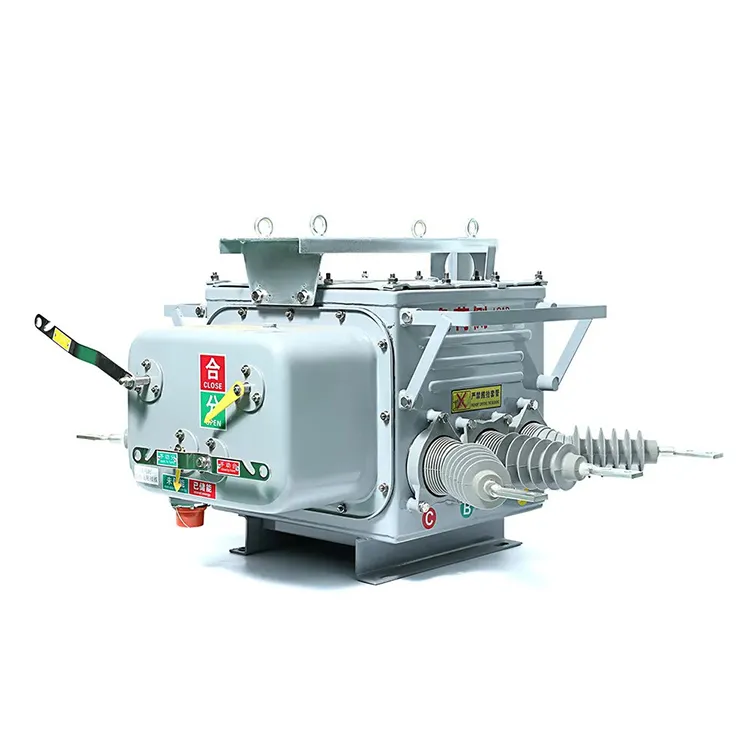
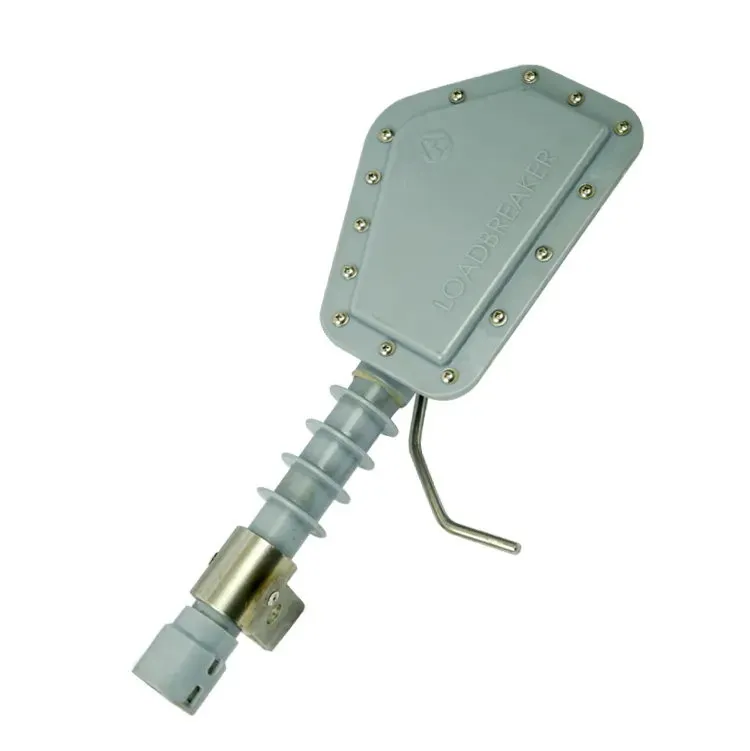


Housing material is one of the few arrester choices a buyer can see at a glance, which is why the porcelain-versus-polymer surge arrester question appears in so many tenders. The honest answer is that neither housing wins everywhere. Pollution behavior, weight, failure behavior, and maintenance workload each favor different arrangements on different sites.
This comparison stays with surge arrester housings and turns each environmental factor into a question with an evidence request. It states no test values, no lifetime figures, and no damage-prevention promises, and it does not extend to fuse cutouts or insulators, which are separate product lines.
Part 1. What this housing comparison covers
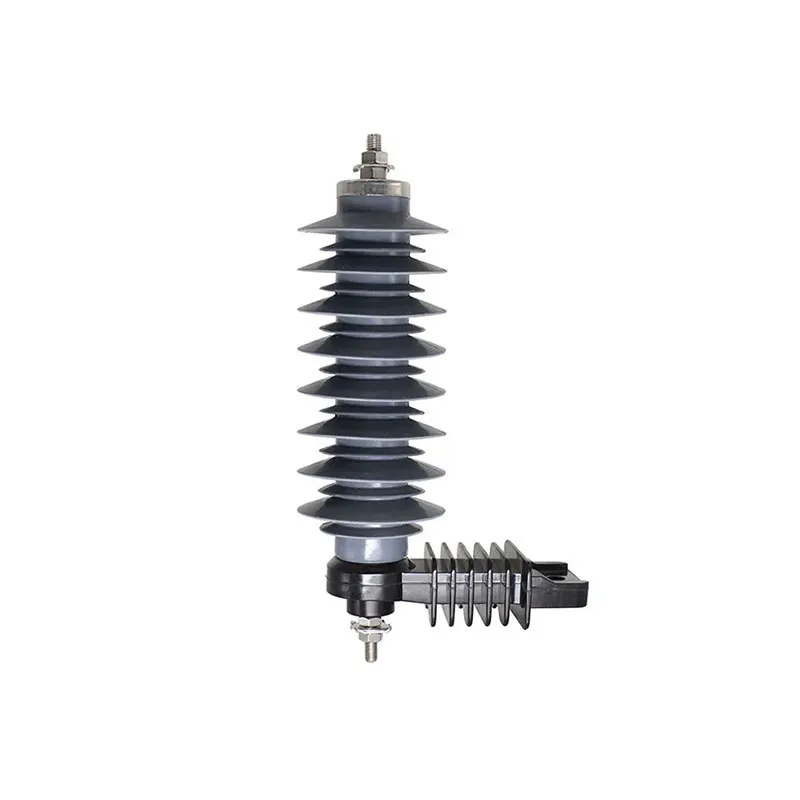
The housing is the external insulation around the metal-oxide varistor column. A porcelain housing is a ceramic body; a polymer housing is a composite arrangement commonly with a silicone-type outer surface. The housing does not perform the surge-limiting work, but it decides how the device lives with its environment.
Scope matters before any factor talk. This page compares arrester housings only; the internal design, ratings, and energy questions belong to the selection workflow and the exact SKU documentation. Family-level orientation sits at the FUERTE lightning arrester range.
| Environmental factor | Comparison question | Evidence to request |
|---|---|---|
| Pollution exposure | How does the surface behave under site contamination? | Supplier material documentation; owner site severity data |
| Weight and handling | What does each design demand from structures and crews? | SKU dimension and mass documents |
| Failure behavior | What happens to the housing after an internal fault? | Evidence named in the owner specification |
| Maintenance workload | What washing and inspection practice does the site expect? | Operator practice records |
Each row becomes a question in the RFQ rather than a verdict on this page.
Part 2. Pollution exposure and surface behavior
Contamination — coastal salt, industrial dust, agricultural residue — settles on any outdoor insulation surface. The two housings respond differently: silicone-type polymer surfaces are commonly described as hydrophobic, meaning water beads rather than filming, while porcelain surfaces are commonly managed with creepage distance and periodic washing. Both approaches are established; their fit depends on the site.
State the site pollution context as data, not adjectives. Distance to the coast, nearby industry, rainfall pattern, and any existing pollution severity classification from the owner belong in the RFQ, because they let a supplier point to the relevant material and creepage documentation.
Avoid deciding this factor from marketing text. Ask for the supplier’s material documentation for the offered SKU, including how hydrophobicity is described, and ask the owner which pollution class the site specification uses; the comparison only means something against those two documents.
Part 3. Weight, handling, and structure interfaces
Polymer-housed designs are commonly lighter than porcelain equivalents of the same class, which shows up in transport, crane or hot-stick handling, and the load on brackets and crossarms. Actual figures vary by SKU, so treat mass and dimensions as documentation items rather than assumptions.
Handling also touches breakage risk in logistics and installation. Ceramic bodies need protective packaging and careful site handling; composite housings tolerate rough handling differently. Ask each supplier how the offered SKU is packed and what site-handling instructions apply, then match that against the crews and equipment available on the project.
Structure interfaces close this factor. Confirm bracket type, mounting orientation, and terminal arrangement from the SKU drawings, since a lighter device with an incompatible interface saves nothing.
Part 4. Failure behavior questions and evidence requests
Every arrester can reach end of life or suffer an internal fault, and the housing shapes what that event looks like. Buyers commonly ask about housing integrity and pressure relief behavior; suppliers commonly answer with design descriptions. The productive move is to convert the topic into evidence requests.
Ask the owner which standard edition and which housing-related requirements its specification names, then ask the supplier for the corresponding evidence for the exact offered SKU. The applicable arrester standard, such as the one on the IEC 60099-4 publication page, gives this discussion its framework; the SKU documents give it substance.
This page makes no claim that either housing prevents damage or protects nearby equipment during a failure event. Site outcomes depend on installation position, system conditions, and the event itself, which no housing description can settle.
Part 5. Maintenance and inspection workload
Washing practice is the visible difference. Sites that wash porcelain insulation on a schedule extend that practice to porcelain-housed arresters; sites relying on hydrophobic surfaces expect less washing but still inspect condition. The operator’s existing practice is a real cost input, so record it instead of assuming either housing is maintenance-free.
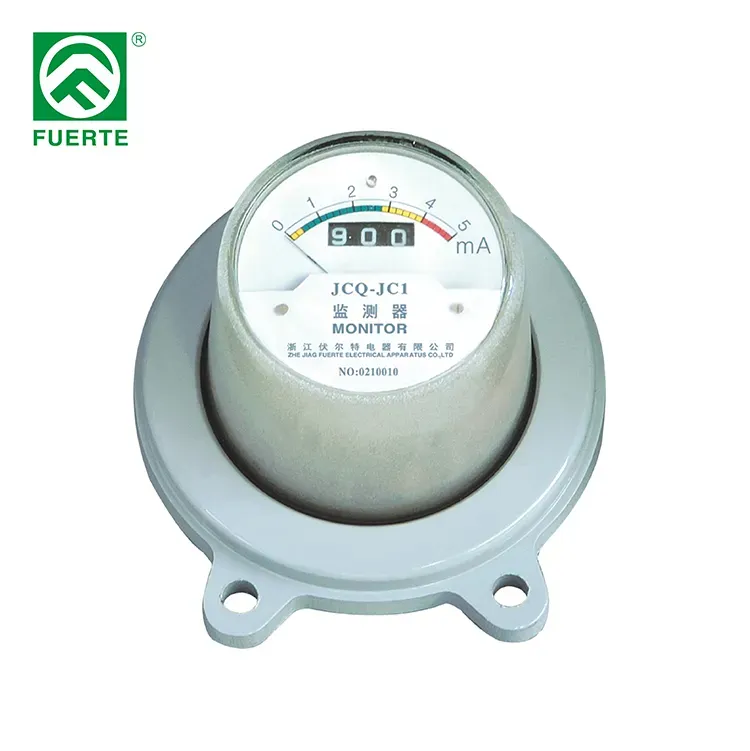
Inspection differs in what crews look for: chips, cracks, and glaze condition on ceramic bodies; surface erosion, tracking marks, and housing damage on composite ones. Patrol frequency, access to the positions, and the operator’s condition-assessment routine decide how much workload each housing actually adds. Where the operator uses condition-monitoring accessories, record that practice too, since it changes what an inspection visit involves. For a related technical topic, see Line Arresters for Overhead Distribution: Placement and Coordination Basics.
Neither maintenance picture is universal. A remote feeder with rare patrols and a station yard with routine access produce different answers from the same housing, which is why this factor belongs in the RFQ rather than in a general verdict.
Part 6. Environment-driven RFQ inputs
Assemble the environmental facts once and give every supplier the same picture. State which values are confirmed and which are pending owner decisions.
| RFQ input | Content | Owner of the value |
|---|---|---|
| Site environment | Coastal distance, industry, climate, altitude, as documented | Owner site data |
| Pollution context | Severity classification or factual site description | Owner specification |
| Practice | Washing routine, patrol frequency, inspection method | Operations team |
| Handling constraints | Transport, crane or hot-stick limits, packaging expectations | Project logistics |
| Evidence requests | Housing material documents, housing-related requirements named by the specification | Owner specification and supplier |
| SKU documentation | Dimensions, mass, drawings, and housing description for the exact SKU | Supplier |
Wider overhead-network maintenance context appears in industry coverage such as the Utility Products overhead distribution systems section; site decisions still follow the owner’s own data.
Part 7. Product-line boundaries and FUERTE product context
Housing comparisons repeat across product lines, but the answers do not transfer. The published comparison of porcelain vs polymer fuse cutouts covers a different device with different duties, and insulator housings are their own subject again.
Keep each product line’s comparison inside its own review. Arrester terminology questions stay with the surge arrester and lightning arrester terminology guide.
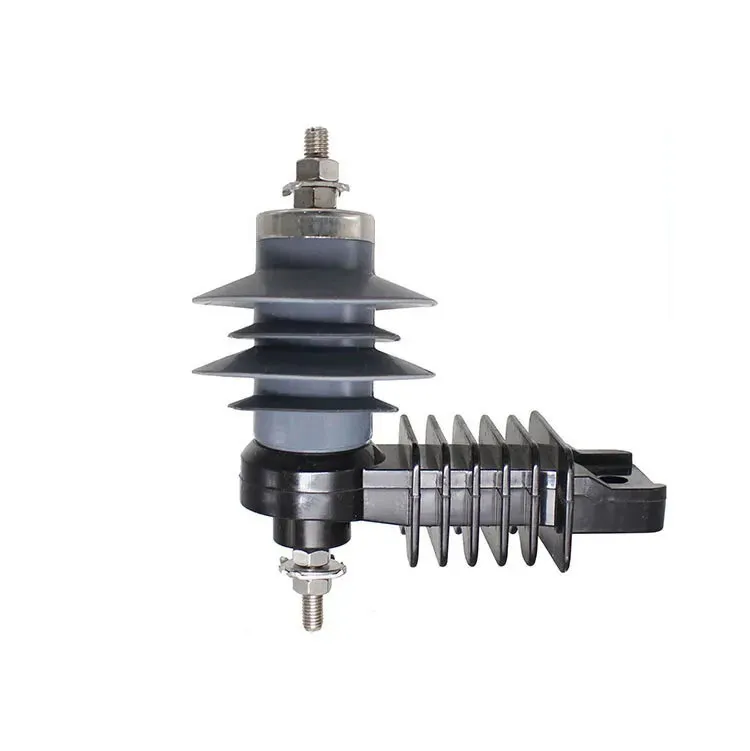
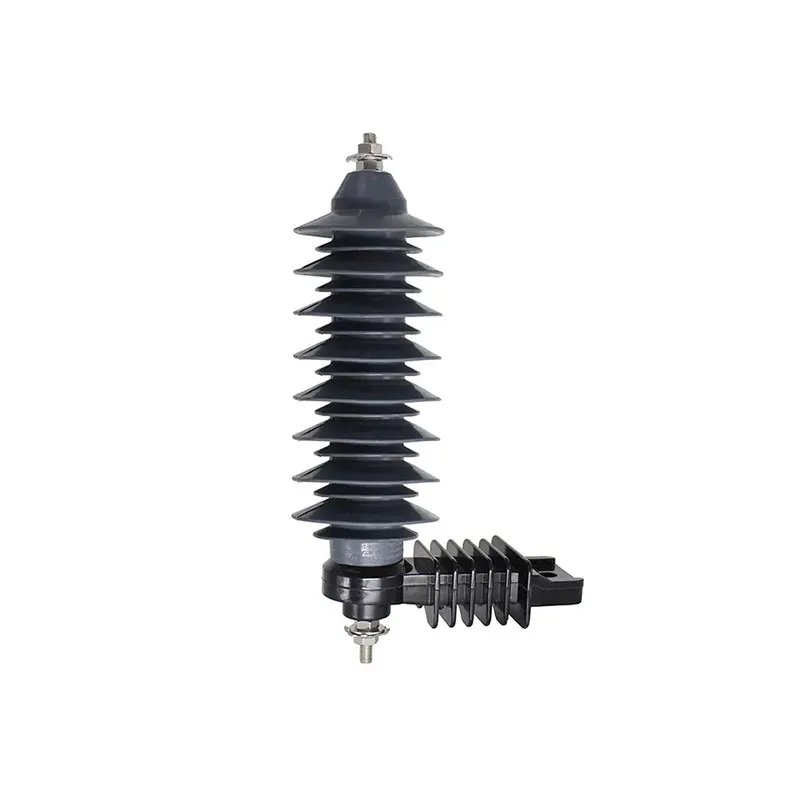
For product context in this family, the YH5(10)W-27 / YH5(10)W-27J surge arrester product context page describes a polymer-housed, gapless ZnO varistor design. That published description is the boundary of what this article states about the model; ratings, tests, and suitability questions go to the exact SKU documentation.
Transformer-side selection keeps its own workflow in the guide on metal-oxide surge arrester selection for distribution transformers. It is a neighbouring decision, not part of this housing comparison.
To take a housing discussion into a quotation, contact FUERTE with the environmental RFQ set from Part 6. A useful response ties every housing statement to a document for the offered SKU.
FAQ
What is the main difference between porcelain and polymer surge arrester housings?
The external insulation body differs: ceramic versus composite with a commonly silicone-type surface. The housing shapes pollution behavior, weight, failure behavior, and maintenance, while surge-limiting work happens in the internal metal-oxide column.
Which housing handles heavy pollution better?
Neither wins universally. Hydrophobic polymer surfaces and washed, creepage-managed porcelain are both established approaches; the owner’s pollution severity data and the supplier’s material documentation decide the fit for one site.
Are polymer surge arresters lighter than porcelain ones?
Commonly yes for the same class, which affects transport, handling, and structure loading. Confirm actual mass and dimensions from the exact SKU documents rather than assuming a figure.
What failure behavior evidence should buyers request?
Ask the owner which housing-related requirements its specification names, then request the corresponding evidence for the exact offered SKU. Do not accept general marketing wording as failure-behavior proof.
How does housing choice affect maintenance workload?
Washing routines, patrol frequency, and inspection focus differ between ceramic and composite housings. The operator’s existing practice and site access determine the real workload, so record both in the RFQ.
What environmental data belongs in the RFQ?
Site environment facts, pollution classification or description, washing and inspection practice, handling constraints, evidence requests, and the SKU documentation list — each marked confirmed or pending owner decision.
Does this comparison apply to fuse cutouts or insulators?
No. Those are separate product lines with their own duties and comparisons; the linked fuse cutout article covers its own scope. This page stays with surge arrester housings.
References
- Metal-oxide arrester standards context: IEC 60099-4 publication page
- Industry coverage of overhead distribution practice: Utility Products overhead distribution systems section
- General device background: Wikipedia overview of surge arresters
How should housing comparisons be updated for current projects?
The useful comparison is not a blanket claim that one housing is always better. IEC 60099-4 gives the product-standard route for metal-oxide surge arresters without gaps; the project then weighs pollution, moisture, mechanical exposure, inspection access, washing practice, failure containment and the evidence available for the exact SKU. Ceramic and composite housings can therefore require different maintenance assumptions without creating a universal winner.
Ask each bidder to state the tested housing configuration, environmental assumptions and inspection method. Keep service-life, hydrophobicity and failure-mode statements tied to a source rather than repeating broad marketing language.
Summary
Compare arrester housings against the site and the evidence package. The right choice is the one whose electrical, environmental and maintenance assumptions can be documented for the project, not the one described with the strongest generic adjective.