
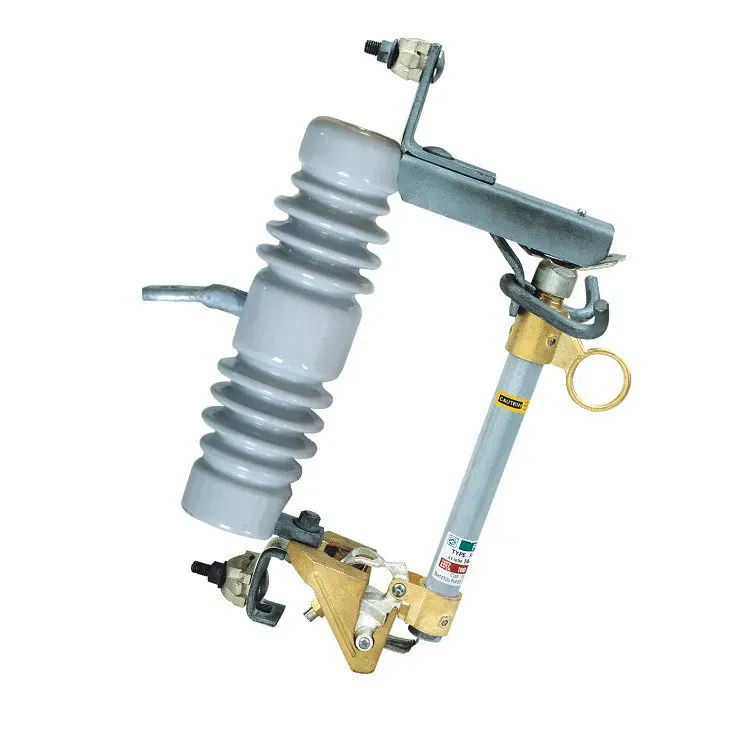
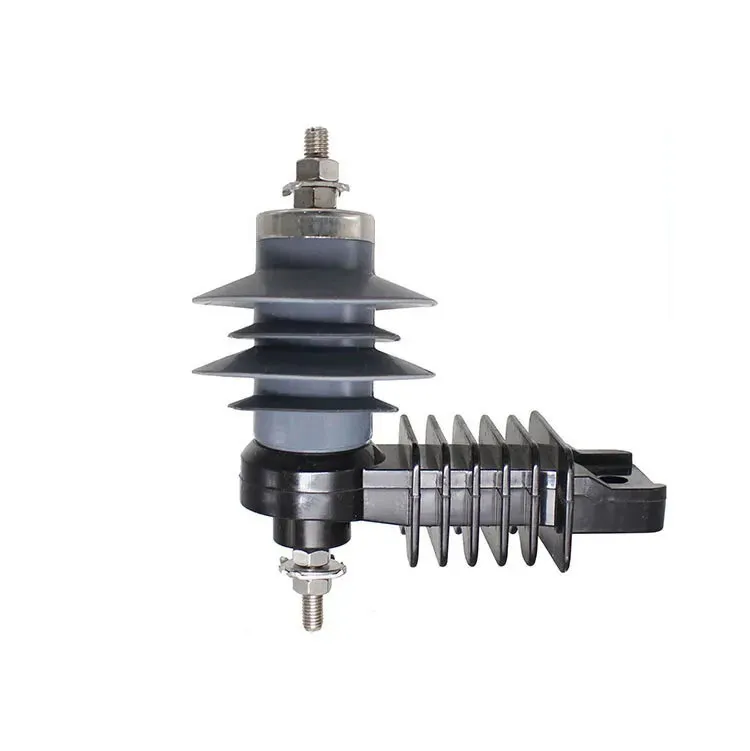
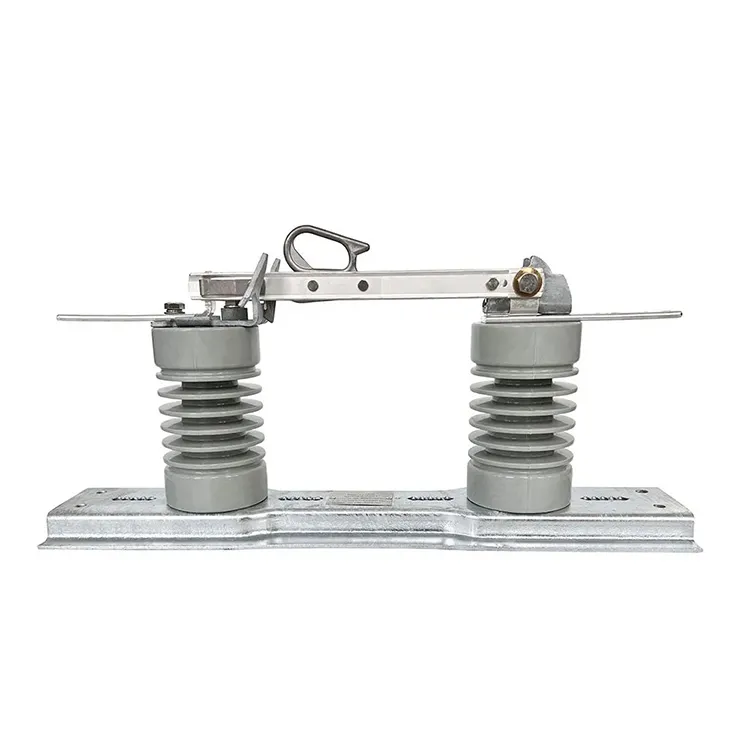
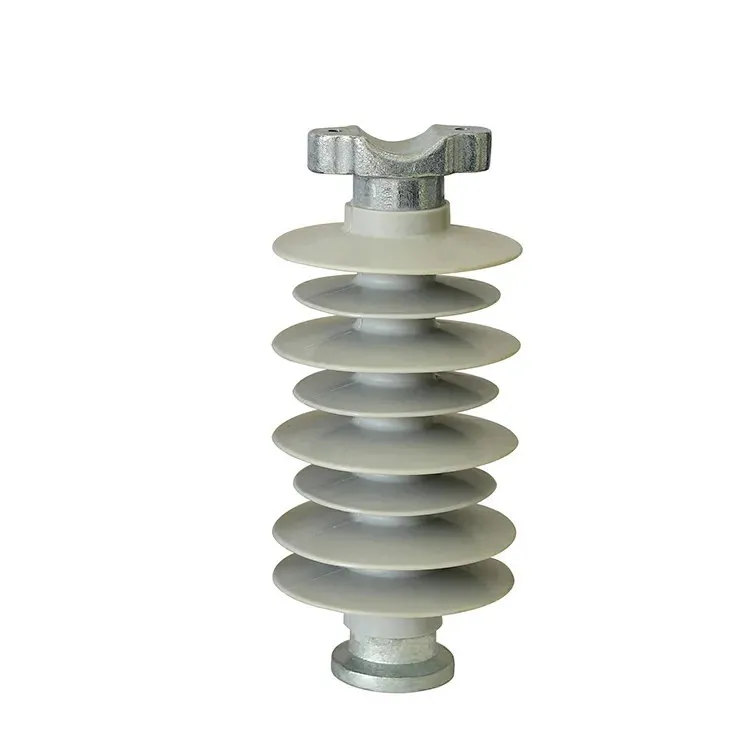
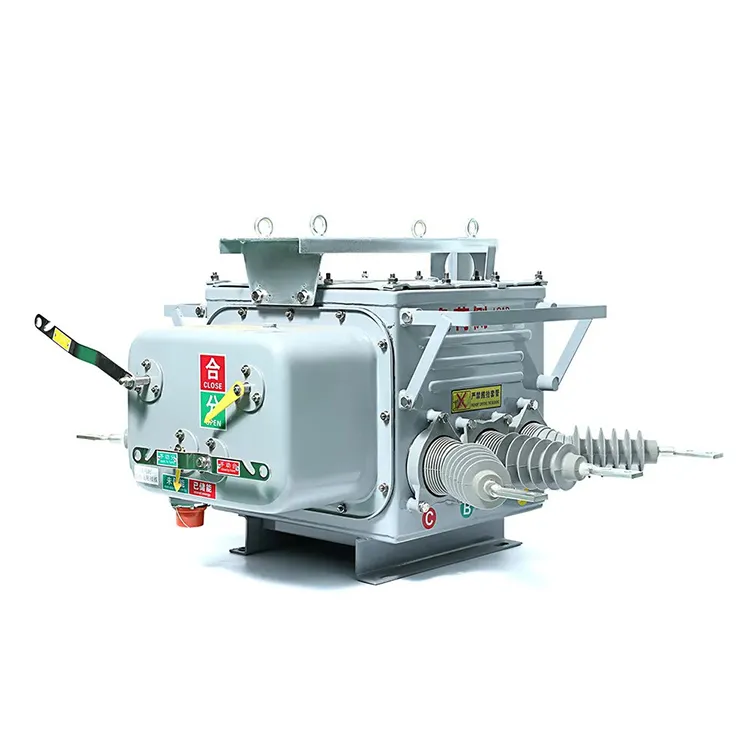
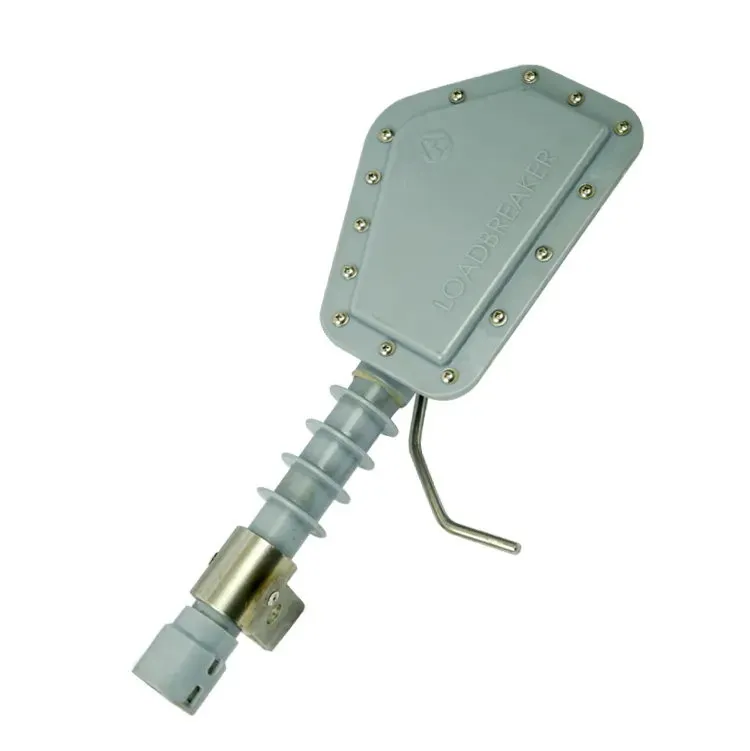


Before you order fuse cut out parts, identify what is mounted on the pole—not what a generic catalogue row looks like in a warehouse photo. Capture the bracket, insulator, fuse tube, upper and lower contacts, expulsion fuse link, and small hardware as a named set, then match that record to the cutout family on the fuse cutout product line before issuing a spare-part RFQ.
This article covers field identification and spare-parts procurement. For what each part does in the assembly stack, use the sibling fuse cutout components overhead assembly guide instead of repeating that anatomy here. Fuse-link speed, material class, and coordination plots stay in the dedicated expulsion fuse link article—listed here only as inventory lines.
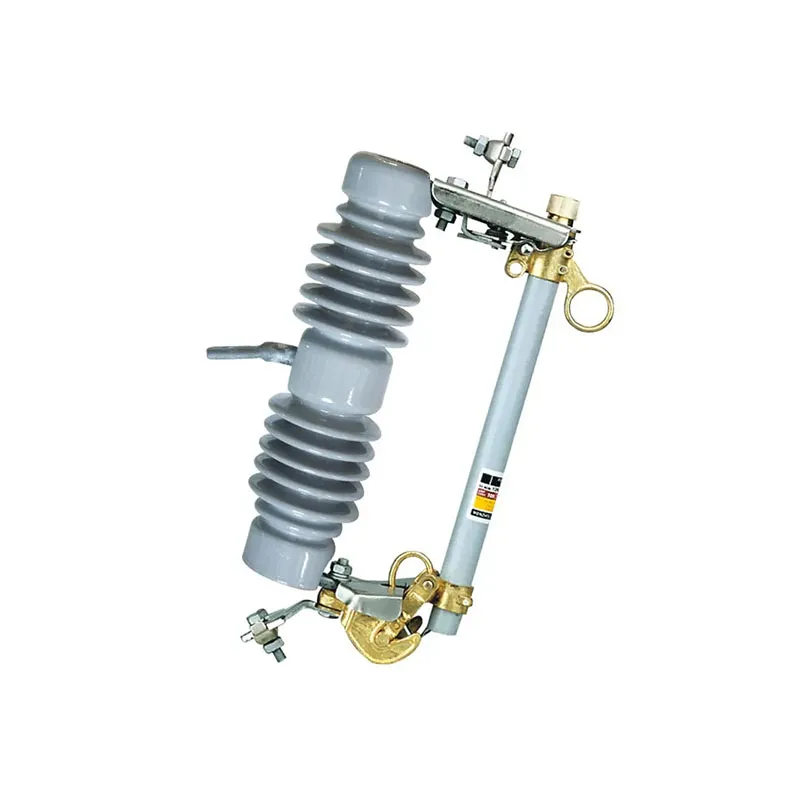
Part 1. Why must procurement identify fuse cutout parts before ordering spares?
Storm-stock planners and outage coordinators often receive a request for “one cutout tube” or “a 100 A cutout bracket” without a photo of the installed family. Tubes, brackets, and insulator neck profiles vary by catalog series even when voltage and amp labels look similar on paper.
Wrong-family spares show up as bent hinge ears, mismatched contact gaps, or insulators that mount but do not meet the owner’s creepage record. Field identification converts a vague parts request into a cutout family line on the RFQ so suppliers quote interchangeable hardware.
| Common spare request | What field ID must confirm first | Risk if skipped |
|---|---|---|
| Replacement fuse tube | Tube family, hinge side, exhaust orientation | Tube latches but contacts do not align |
| Mounting bracket | Bolt pattern, standoff, adapter plate | Bracket fits the pole, not the cutout base |
| Insulator only | Material, creepage family, neck profile | kV label match with wrong leakage path |
| Contact or link holder kit | Upper/lower contact style for that series | Kit looks similar but clamp range differs |
Procurement should treat the installed assembly as the reference specimen. Catalogue screenshots support the conversation only after the field set is named.
Part 2. What photo and safety workflow supports field identification?
Field crews document cutouts under owner line-work rules. Overhead line work safety scope such as OSHA 1910.269 frames qualified-person requirements; this article does not replace those rules or authorize work methods.
From the ground or an approved elevated position, capture photos that procurement can forward without a second truck roll.
Minimum photo set
| Photo | Include in frame | Why procurement needs it |
|---|---|---|
| Wide context | Pole, cross-arm, conductor approach, tube orientation | Confirms mounting class and swing clearance |
| Nameplate or stencil | Catalog mark, voltage, continuous current, date code if present | Anchors RFQ to a family row |
| Bracket interface | Bolt pattern, adapter, standoff height | Separates structure hardware from cutout body |
| Insulator sheds | Full stack, pollution staining, material texture | Supports porcelain vs polymer note |
| Tube and hinge | Latch, trunnion, exhaust direction, arc accessories | Identifies moving-part family |
| Upper and lower contacts | Link holder, clamp range, plating color | Drives contact kit and link ferrule match |
Attach the same circuit ID, GPS or structure number, and date to every file. When a nameplate is missing or illegible, add a sketch with conductor sizes and measured bolt spacing.
Rating labels—continuous current, impulse levels, creepage—are read using the fuse cutout ratings and selection guide. Use that article for label vocabulary; use this page for what to photograph before you type the RFQ.
Part 3. What field marks identify mounting bracket and adapter hardware?
The bracket fixes the cutout base to the pole or cross-arm. Identification starts with where it mounts and how the cutout body bolts on—not with the voltage class printed on the insulator.
Compare the installed bracket against structure drawings when available. Measure center-to-center bolt spacing on the cutout side and on the structure side. Note whether an adapter plate sits between the insulator base and the arm.
| Field cue | Likely documentation need | RFQ line to open |
|---|---|---|
| Pole band with single bolt cluster | Band type and pole diameter range | Mounting bracket, pole band interface |
| Cross-arm mount with standoff | Arm size and standoff height | Bracket or adapter, standoff dimension |
| Dual-plate adapter visible | Adapter catalog mark if stenciled | Adapter plate, bracket kit |
| No visible mark | Photo with ruler at bolt holes | “Match per attached photos—family TBD” |
The pole-mounted fuse cutout installation review collects mounting-context questions for new installations. For spare brackets on existing structures, reuse its checklist language but add measured dimensions from the field photo set.
Important: A bracket marked “100 A” does not prove it fits a different cutout series with the same amp label. Source context: IEEE C37.41 distribution cutout scope.
Part 4. Which cues reveal insulator type and cutout family?
Insulator identification combines material appearance, shed profile, and base/neck interface—not a single color photo from ten meters away.
Porcelain units often show glazed sheds with brittle-chip edges and a heavier profile. Polymer housings typically show a molded one-piece weathershed with end seals and a lighter mass for similar voltage class. Pollution staining is common on both; material choice still matters for owner standards and washing plans.
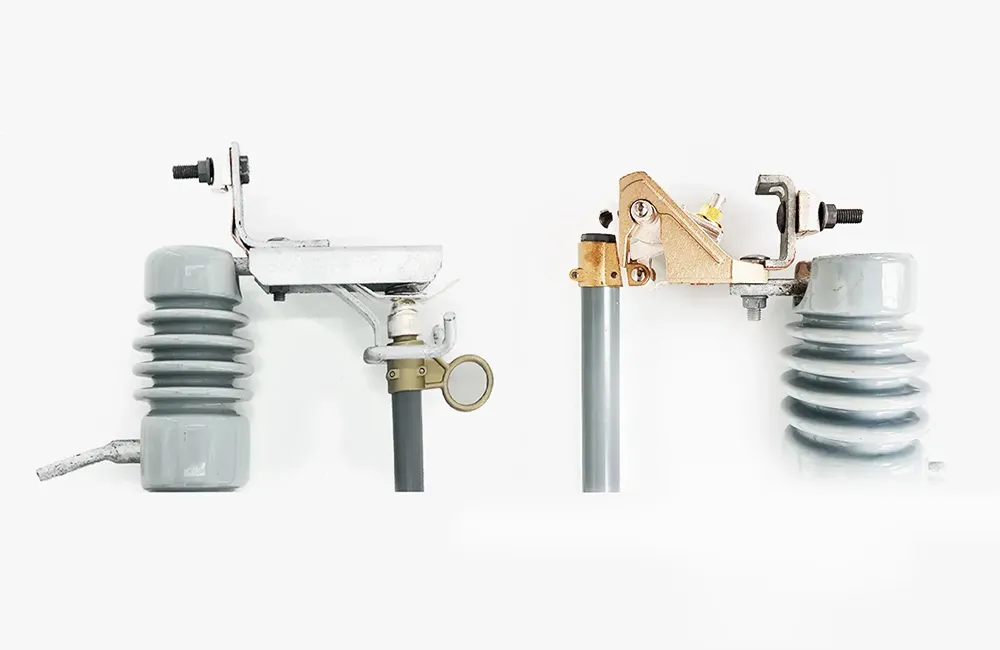
Record creepage only when a nameplate, stencil, or owner record states it. When material is uncertain, photograph macro shots of the sheds and base seal and flag the RFQ for engineering review rather than guessing.
After material is noted, use the lateral article on porcelain vs polymer fuse cutouts for specification follow-up—do not reopen that trade-off study inside this field-ID workflow.
| Observation | Note in RFQ | Escalate when |
|---|---|---|
| Glazed sheds, ceramic ring at base | Insulator material: porcelain (field observation) | Neck profile unclear in photos |
| Molded housing, end seals visible | Insulator material: polymer (field observation) | Housing damage or tracking near line end |
| Mixed spares on same feeder | Each structure photographed separately | Crew assumes one family for the whole line |
Part 5. How should crews record fuse tube, hinge, and contact hardware?
The fuse tube and hinge family determines whether a replacement tube will latch, drop correctly, and align contacts after fuse operation. Identify the moving assembly as a unit: tube body, trunnion, latch hardware, and any arc-shortening rod or arc-distinguishing chamber present on the installed device.
Upper and lower contacts complete the current path through the expulsion fuse link. Photograph link holder clamp style, ferrule exposure, and plating color. Do not disassemble energized contacts for curiosity; use the owner-approved outage and cover-up plan.
When the tube is down after link operation, the visible gap helps confirm an operated state—but owner rules still define isolation. The cluster article on how a fuse cutout operates explains sequence context; this section stops at hardware marks procurement must capture.
| Hardware zone | Field marks to capture | Spare category label |
|---|---|---|
| Tube body | Material texture, label sticker, exhaust direction | Fuse tube assembly |
| Hinge / trunnion | Pin diameter, latch type, wear on ears | Hinge hardware kit |
| Arc accessories | Rod length, chamber shape if fitted | Arc-shortening rod; arc distinguish chamber |
| Upper contact | Clamp jaw, link ferrule size | Link holder / upper contact kit |
| Lower contact | Hinge contact pad, alignment screw | Lower contact kit |
List expulsion fuse links as a separate inventory line with size and type from the owner specification. This article does not restate link speed classes or coordination plots.
Part 6. Which parts belong on a cutout spare-parts list?
Spare-parts lists should follow owner policy tiers—storm stock, district warehouse, and truck stock—and name family-specific rows rather than generic words like “cutout hardware.”
| Tier | Typical quantities | Parts commonly listed |
|---|---|---|
| Storm stock | Higher for links and tubes | Fuse links; fuse tubes; arc-shortening rods |
| District warehouse | Moderate mix | Mounting brackets; adapter plates; contact kits |
| Line truck | Links and small hardware | Fuse links; latch pins; conductor hardware |
Align quantities to historical operation rates and lead times for the identified family. A cutout that operates often on a long rural lateral may need more link and tube rows than a stable transformer bay with infrequent faults.
Document whether the owner allows mixed manufacturers on the same structure. When policy requires like-for-like families, the RFQ should state “match installed assembly per photos—no substitute series.”
Part 7. What belongs on a spare-part RFQ—and when is FSC-12-3 a fit?
A spare-part RFQ that survives technical review includes circuit ID, photo pack, nameplate transcription, bracket dimensions, insulator material note, tube/hinge observations, contact observations, quantity by line item, applicable standard, and required delivery date.
Example product context — FSC-12-3 only
When field photos and nameplate data point to a 15–27 kV class drop-out family that matches the published specification, open the FSC-12-3 Drop Out Fuse Cutout page for a model-specific quotation.
That page lists for FSC-12-3 only: 15–27 kV class, 100/200/300 A continuous options, 320 mm creepage, 125 kV impulse to earth, and 8 kA breaking current. The same page publishes porcelain or polymer insulator options, a fiberglass fuse tube row, and optional mounting bracket, arc-shortening rod, and arc distinguish chamber spare lines.

Do not specify FSC-12-3 when photos show a different neck profile, creepage record, or voltage class. Do not generalize those figures to FSC-1-1, FSC-12-2, HFSC, or other catalog numbers—confirm each SKU on its own product page.
Send the completed photo pack and line-item list through request a fuse cutout spare-parts quotation.
Fit boundary
Field identification and RFQ naming reduce wrong-family orders; they do not replace owner isolation rules, protection studies, or fuse-link coordination files. FSC-12-3 is a drop-out expulsion cutout example from published data—not a loadbreak switch and not a universal spare template for every overhead cutout.
Escalate to engineering or the original manufacturer when nameplates are missing, when bracket and tube families conflict in photos, or when two qualified observers disagree on insulator material or catalog series.
FAQ
How do I identify fuse cutout parts on an overhead line before ordering spares?
Photograph the wide mounting context, nameplate, bracket bolts, insulator sheds, tube and hinge, and upper/lower contacts; label each file with circuit ID and date, then map observations to bracket, insulator, tube, contacts, links, and hardware rows before you select a catalog family.
What photos should procurement request from the field crew?
Request wide context, nameplate close-up, bracket interface with a scale reference, insulator material detail, tube and hinge hardware, and both contacts—minimum six photos per structure plus a sketch when marks are missing.
How can I tell the mounting bracket or adapter family from installed hardware?
Document mount type (pole band vs cross-arm), bolt spacing on the cutout base and structure, standoff height, and any adapter plate; compare dimensions to structure drawings or forward photos for supplier matching.
How do I distinguish porcelain from polymer insulators on an existing cutout?
Porcelain typically shows glazed ceramic sheds and a heavier profile; polymer housings show molded sheds with end seals. Photograph macro detail and note “porcelain” or “polymer (field observation)” rather than guessing from distance.
What field marks help identify the fuse tube and hinge family?
Capture tube label stickers, exhaust direction, latch type, trunnion pin size, hinge ear wear, and any arc-shortening rod or arc distinguish chamber fitted on the installed unit.
Which cutout parts belong on a storm or maintenance spare-parts list?
Common rows include expulsion fuse links, fuse tubes, mounting brackets, adapter plates, arc-shortening rods, arc distinguish chambers, and contact kits—quantities set by owner tier and the identified cutout family.
What should a spare-part RFQ include so suppliers quote the correct family?
Include circuit ID, dated photo pack, nameplate transcription, insulator material note, bracket dimensions, tube/hinge description, contact observations, quantity by line item, applicable standard, and a statement requiring match to installed assembly unless engineering approves a substitute series.
When should field identification escalate to engineering or the original manufacturer?
Escalate when nameplates are illegible, when bracket and tube families appear inconsistent in photos, when insulator material or creepage cannot be confirmed, or when the owner requires like-for-like documentation beyond what photos alone can prove.
References
- Distribution cutout assembly scope: IEEE C37.41 standard page
- Expulsion fuse-switch equipment scope: IEC 60282-2 publication page
- Overhead line work safety scope: OSHA 1910.269
- Electrical insulator fundamentals: Wikipedia insulator overview
- Overhead distribution systems context: Utility Products overhead distribution overview