
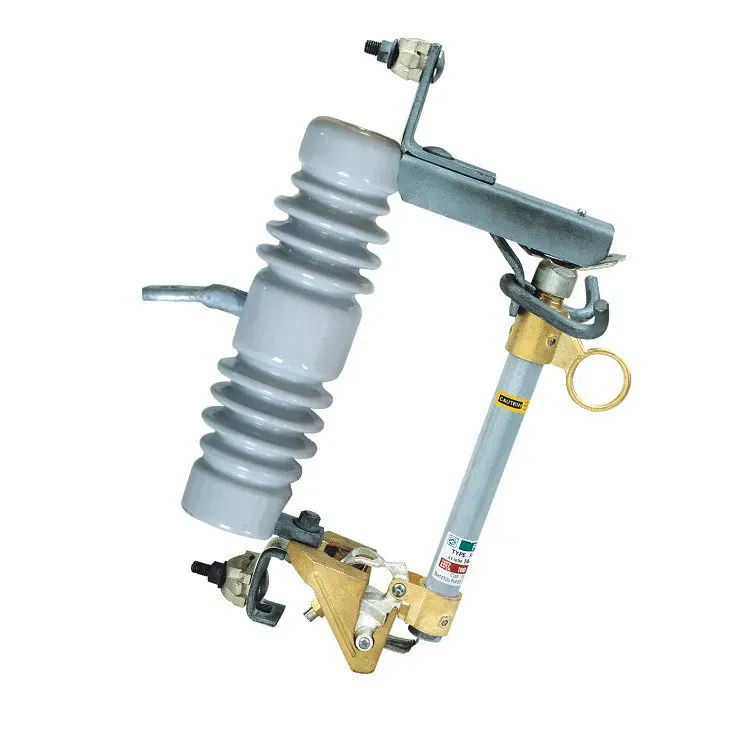
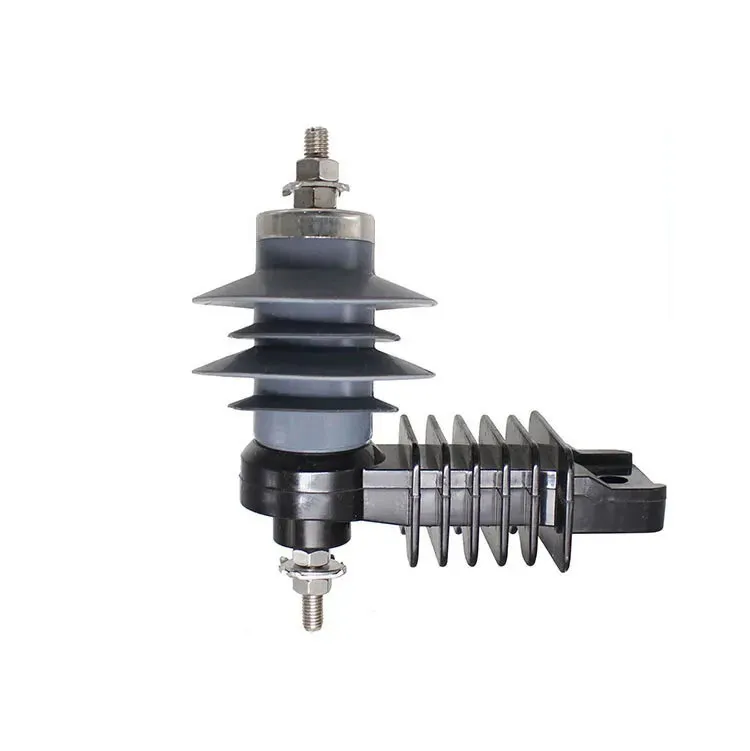
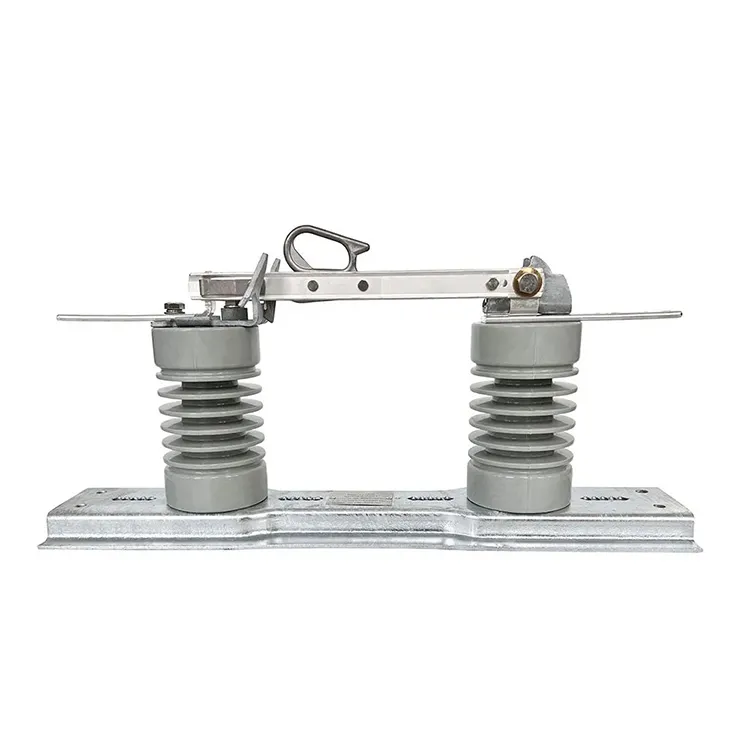
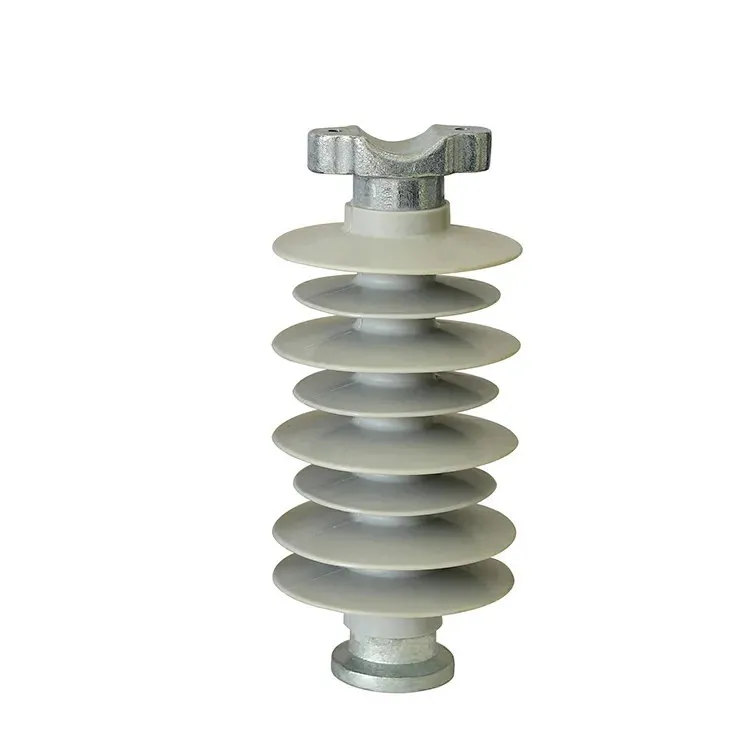
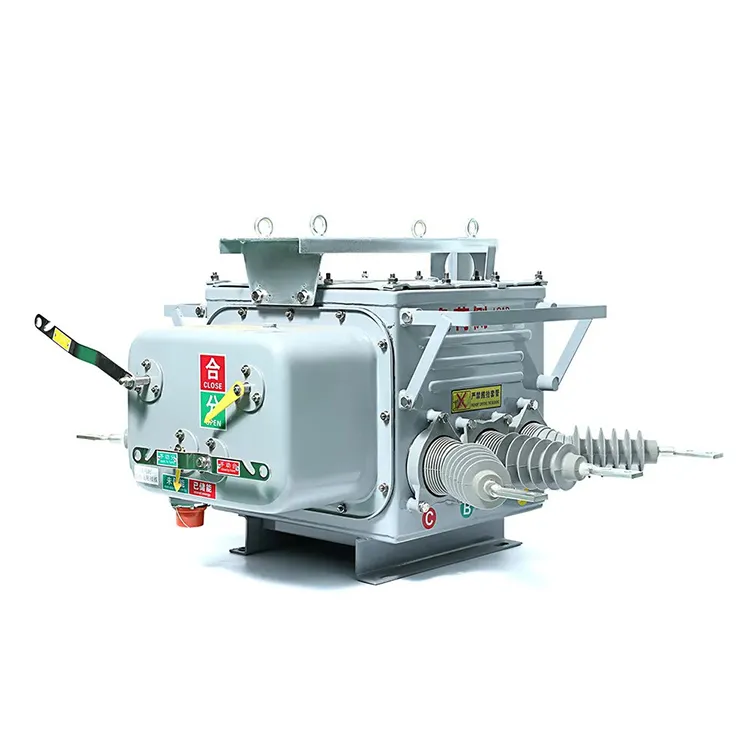
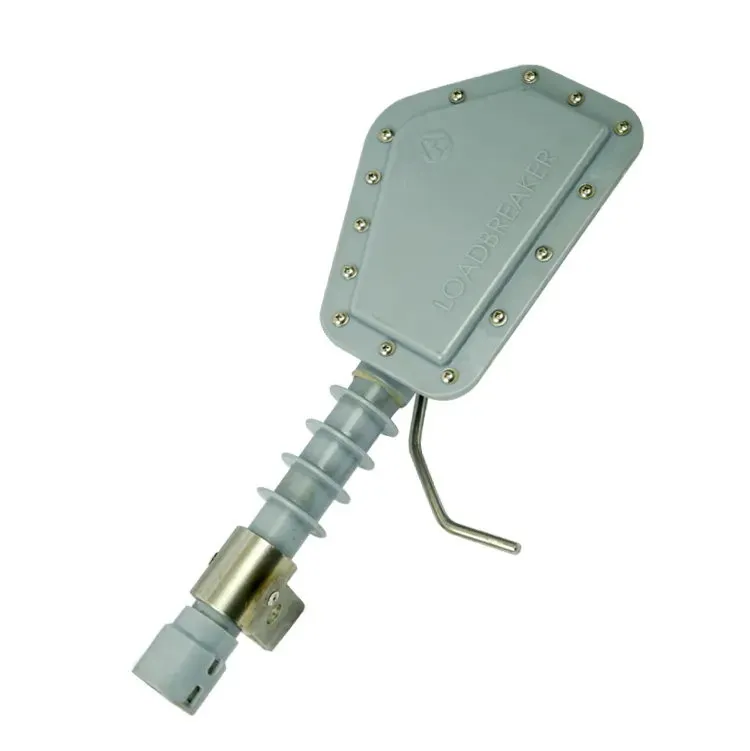


Overhead procurement teams add dropout fuse cutout covers when owner documents call for a physical barrier around energized cutout surfaces—not when the base cutout rating is still undefined. The accessory wraps or shrouds exposed live regions of a drop-out assembly so rain, dust, nesting debris, and wildlife contact are less likely to bridge insulation gaps or cause flashovers on routes where unexplained outages are tracked.
Covers sit beside the electrical specification: voltage class, continuous current, and creepage still come first. Use the sections below to decide whether a cover belongs in your package, how to describe it without over-buying accessories, and where to verify base cutout data on the fuse cutout product range.

Summary: Dropout fuse cutout covers are accessory barriers for specified wildlife, weather, or contamination exposures; they do not change the cutout interrupting rating or replace clearance and insulation coordination. Confirm the base cutout family first, then verify cover fit, retention, maintenance access, visible-open indication, and any owner test or material requirement.
What protection do dropout fuse cutout covers provide?
A drop-out fuse cutout exposes energized metal at the upper contact, fuse link path, lower hinge contact, and portions of the fuse tube during normal service. Industry wildlife-mitigation products describe covers as barriers that reduce accidental contact with those regions while the cutout continues its fault-clearing and visible drop-out functions.
| Exposed region | What a cover typically shields | What a cover does not replace |
|---|---|---|
| Fuse tube and contact zone | Rain splash, conductive dust, nesting material | Correct voltage class or creepage on the insulator |
| Upper line-side hardware | Bird perching near live metal | Fuse link sizing or coordination study |
| Hinge and lower contact area | Squirrel or raccoon body contact paths | Owner isolation and grounding rules |
| Adjacent conductor terminations | Short-term bridging from debris | Conductor clamp torque and orientation |
Covers complement—not substitute—the base assembly defined under IEEE C37.41 and purchaser insulation requirements. Treat them as reliability accessories when the owner document names animal mitigation, pollution control, or extended service life on exposed polymer surfaces.
When do utilities and EPC buyers require cutout covers?
Owner specifications usually add covers when outage data, environmental review, or a written wildlife program points to cutout contact events on a route segment. Rural feeders with heavy tree cover, coastal pollution bands, substation exit corridors with high fault exposure, and areas with recurring squirrel or bird activity appear frequently in industry mitigation discussions.
| Trigger signal | Typical procurement response | Document to request |
|---|---|---|
| Animal-related outage classification on the route | Cover line item on cutout BOM | Owner reliability report excerpt |
| Written wildlife mitigation standard | Named cover material and test reference | Owner engineering standard sheet |
| New-build line in a mapped wildlife corridor | Cover quantity tied to cutout count | Environmental or routing study note |
| Retrofit after repeated flashover at cutouts | Cover retrofit scope separate from cutout swap | Incident photos and failed component record |
EPC contractors should copy the owner’s yes/no cover requirement verbatim rather than adding covers to every pole by default. When the owner is silent, list covers as an optional alternate so pricing stays comparable across bidders.
How do weather and environmental exposure drive cover specifications?
UV exposure, salt fog, industrial dust, icing, and washing intervals change how quickly outdoor polymers track or craze. Cutout covers use track-resistant, UV-stabilized materials in supplier datasheets because they sit on the most exposed portion of the assembly—the moving fuse tube and contacts—not on the insulator sheds alone.
Pollution and creepage inputs still belong in the electrical specification. The dedicated fuse cutout ratings and selection article organizes voltage, BIL, and creepage fields; here, translate the site environment into cover material and retention notes only when the owner ties pollution performance to shrouded live parts.
| Environment factor | Cover-related RFQ detail | Common over-specification |
|---|---|---|
| Coastal salt deposit | Track-resistant polymer class; washing access | Specifying a cover without defining insulator creepage |
| High UV / low latitude | UV stabilization or HALS note per owner standard | Assuming any polymeric cover meets a unnamed UV class |
| Heavy icing | Retention method and ice-loading clearance | Selecting a cover that blocks tube drop path |
| Industrial dust | Closed shroud vs partial wrap per owner drawing | Copying a cover SKU from another voltage class |
Important: Weather-driven cover requirements still need a matched insulator pollution class on the base cutout. Source context: NEMA polymeric high-voltage insulators.
What wildlife and bird risks do covers address on overhead cutouts?
Birds perch on cross-arms and cutout hardware; squirrels and other small mammals traverse conductors and fuse tubes. When body contact bridges line-to-ground or line-to-line paths at the cutout, the result can be a momentary fault, a blown fuse link, or an animal mortality event tracked under reliability programs.
IEEE 1656 provides guide language for testing wildlife protection devices on overhead equipment up to 38 kV. Where an owner cites that guide—or an equivalent utility test memo—record the reference in the RFQ rather than inventing a pass/fail claim for any catalog cover.
| Wildlife scenario | Cover design intent | Field verification |
|---|---|---|
| Bird perching above the tube | Reduce contact with line-side live metal | Fit check on the exact cutout family |
| Squirrel traversal across the cutout | Insulate exposed hinge and contact zone | Retention after wind and ice loading |
| Nest material in the tube area | Limit debris entry near contacts | Maintenance interval for shroud cleaning |
| Phase-to-ground body contact | Increase effective clearance with a dielectric barrier | Owner acceptance of cover model list |
Supplier pages from the utility-products sector describe hot-stick installation on energized cutouts for some cover styles. Confirm whether the owner allows energized installation, requires outage fitting, or mandates a specific cover geometry for porcelain versus polymer cutouts.
How should covers interact with maintenance and fuse replacement?
Drop-out cutouts depend on unobstructed tube motion after fuse operation. A cover must not bind the hinge, block the visible open gap, or trap moisture against contacts in a way the owner’s maintenance standard prohibits. Fuse link replacement, tube inspection, and conductor torque checks still occur on a schedule defined by the utility—even when covers are fitted.
For the operating sequence and visible drop-out behavior, see how a fuse cutout operates. Mounting orientation, working space, and pole access constraints appear in the sibling article on pole-mounted fuse cutout installation context.
| Maintenance task | Cover interaction to confirm | Risk if ignored |
|---|---|---|
| Fuse link replacement | Cover removal or hinged panel clearance | Extended outage time from binding hardware |
| Tube inspection after operation | Access to hinge and contacts | Hidden tracking damage under a fixed shroud |
| Hot-stick live-line work | Compatible cover edges and grip points | Crew workaround that leaves cover partially open |
| Washing / pollution cleaning | Drain paths and material compatibility | Contamination trapped against live parts |
Tip: Attach a one-line sketch showing cover removal steps during link change to the RFQ when the owner requires outage minimization. Source context: OSHA 1910.269 overhead line work scope.
What cutout accessories are often confused with a protective cover?
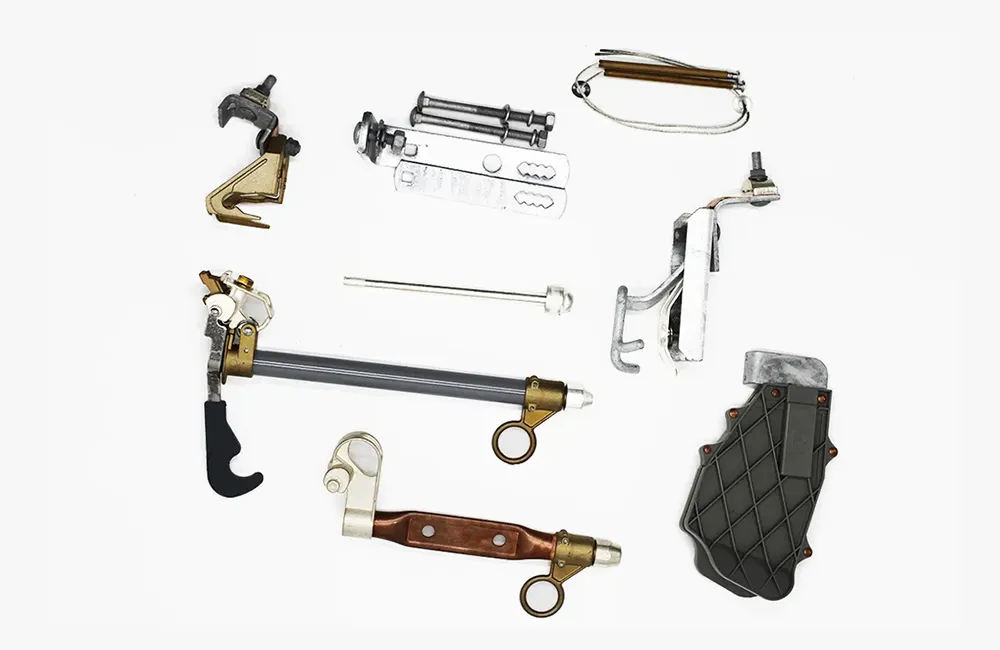
Procurement documents mix covers with mechanical and arc-management accessories that mount on the same assembly. The fuse cutout components guide maps bracket, insulator, fuse tube, hinge, and contact names; this section separates optional shrouds from those parts.
| Item | Primary function | Typical confusion with a cover |
|---|---|---|
| Mounting bracket / adapter | Structural attachment to pole or cross-arm | Called a “cover” in informal field language |
| Arc-shortening rod | Arc management during fuse operation | Mistaken for a wildlife shroud |
| Arc distinguish chamber | Exhaust / arc control accessory | Specified when a cover was intended |
| Conductor boot or line cover | Insulates a conductor span | Applied at the cutout terminal but not a cutout-body cover |
| Cutout cover / wildlife shroud | Barriers around cutout live zones | Omitted while arc accessories are over-specified |
When reviewing a BOM, confirm whether the owner wants a wildlife/weather shroud, an arc accessory, or both. Quoting arc-shortening hardware does not satisfy a written cover requirement—and vice versa.
How do you write cover requirements in a fuse cutout RFQ?
Start with the base cutout electrical and mechanical inputs: system voltage, continuous current, creepage or pollution class, insulator material, bracket type, tube/hinge family, conductor termination, fuse link specification by others or included, applicable standard, and drawing revision. Add cover lines only when the owner document requires them.
Cover-specific RFQ fields
- Cover required: yes / no / alternate pricing
- Applicable cutout family and insulator type (porcelain or polymer)
- Material class (track-resistant polymer, UV note, flame rating if cited by owner)
- Retention method and hot-stick installation allowance
- Wildlife test reference if cited (for example IEEE 1656 guide context)
- Quantity per cutout and spare cover policy
Example product context — FSC-12-2 only
When base electrical inputs match the published table, the FSC-12-2 Drop Out Fuse Cutout page lists 15–27 kV class, 100/200/300 A options, 320 mm creepage, porcelain or polymer insulator options, and spare rows for mounting bracket, arc-shortening rod, arc distinguish chamber, and fuse link. The published spare-parts table does not list a cover. Confirm whether a cover is available for the exact catalog number before assuming it ships with the assembly.
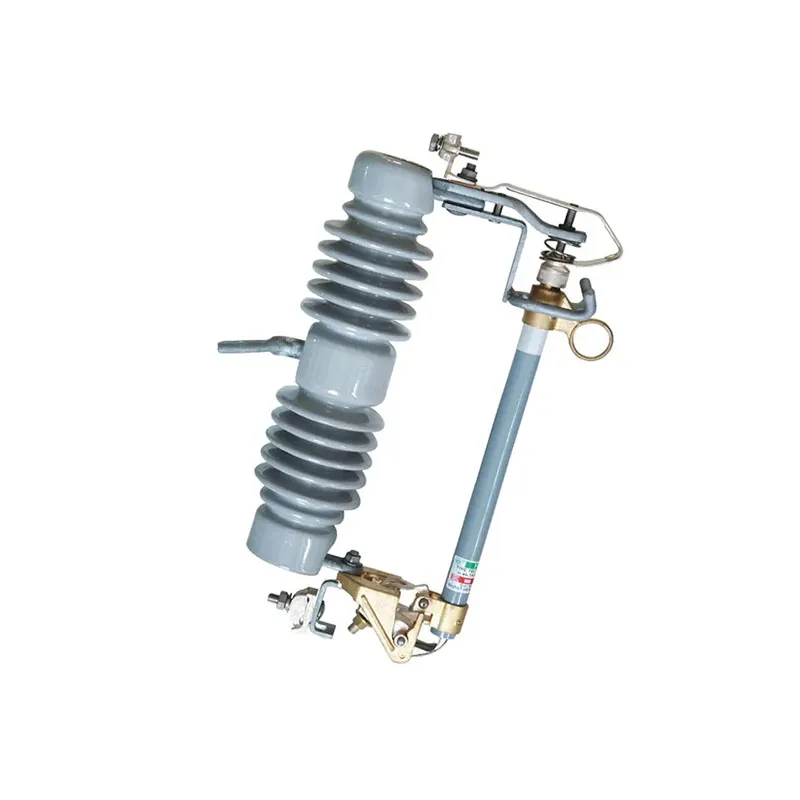
Send the completed input list through request a quote so FUERTE can respond against the base cutout and any accessory scope.
Fit boundary
This article frames optional cover accessories and RFQ language. It does not replace owner wildlife programs, cover test acceptance, fuse-link coordination studies, or network protection settings. FSC-12-2 illustrates a published cutout family for cross-check; it is not presented as a loadbreak device or as a universal template for every FSC/HFSC model, and a cover is not implied unless confirmed on the offered accessory list.
FAQ
What do dropout fuse cutout covers protect?
They shield exposed energized regions—typically the fuse tube, contacts, and adjacent live hardware—from weather contamination and accidental wildlife contact. They do not replace correct insulator creepage or fuse link coordination.
When do utilities require fuse cutout covers?
When reliability data, environmental review, or a written wildlife mitigation standard identifies cutout contact events or requires barriers on specific routes. Silent owner documents should keep covers as optional alternates rather than default line items.
Do cutout covers protect against birds and squirrels?
Industry mitigation products target perching birds and small mammals that bridge live parts at the cutout. Fit, retention, and material class must match the cutout family and any owner test reference.
How does weather exposure affect cutout cover specifications?
UV, salt fog, dust, and icing drive material and retention choices for outdoor polymers. Covers complement—not replace—insulator pollution and creepage inputs defined in the electrical specification.
Can a cover interfere with fuse cutout operation or drop-out?
Yes, if it binds the hinge or blocks the visible open gap after fuse operation. Confirm maintenance clearance for link replacement and tube inspection before approving a cover style.
Are cutout covers included with every drop-out fuse cutout?
No. Covers are accessory items specified separately. Published FUERTE product pages may list brackets or arc accessories without listing a cover; verify on the exact catalog number.
How should I specify cutout covers in an RFQ?
State yes/no/alternate requirement, cutout family, material class, retention method, installation rules, and any owner test reference—after base voltage, current, and creepage inputs are fixed.
What is the difference between a cutout cover and other cutout accessories?
Covers provide wildlife and weather barriers around live zones. Brackets, arc-shortening rods, and arc distinguish chambers serve mechanical mounting or arc management roles and do not satisfy a cover requirement by themselves.
What is a dropout fuse cutout cover?
It is a separate accessory that shields specified exposed live regions of a dropout cutout from selected weather, contamination, or wildlife contact paths. It does not turn a disconnect-only assembly into a load-break or fault-interrupting device.
Are dropout fuse cutout covers universal?
No. Fit depends on the cutout family, dimensions, hinge and tube movement, clearances, and the cover’s retention method. Quote the exact base model and require confirmation that the cover preserves the visible-open and maintenance functions.
Do covers replace insulation coordination or wildlife design?
No. Covers are one mitigation option. The project must still satisfy voltage, creepage, clearances, grounding, and the owner’s wildlife or contamination requirements for the complete installation.
References
- Distribution cutout assembly scope: IEEE C37.41 standard page
- Outdoor high-voltage fuse assemblies: IEC 60282-2 publication page
- Wildlife protection device testing guide: IEEE 1656 standard page
- Polymeric outdoor insulator material context: NEMA polymeric high-voltage insulators
- Overhead distribution reliability context: Utility Products overhead distribution overview
- Cut-out fuse function overview: Wikipedia fuse cutout article
- Overhead line work safety scope: OSHA 1910.269