
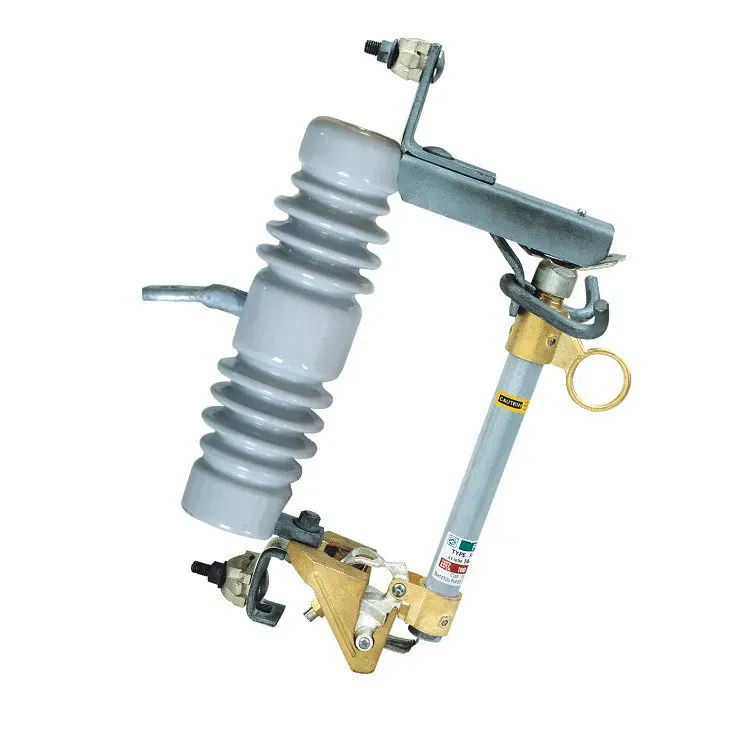
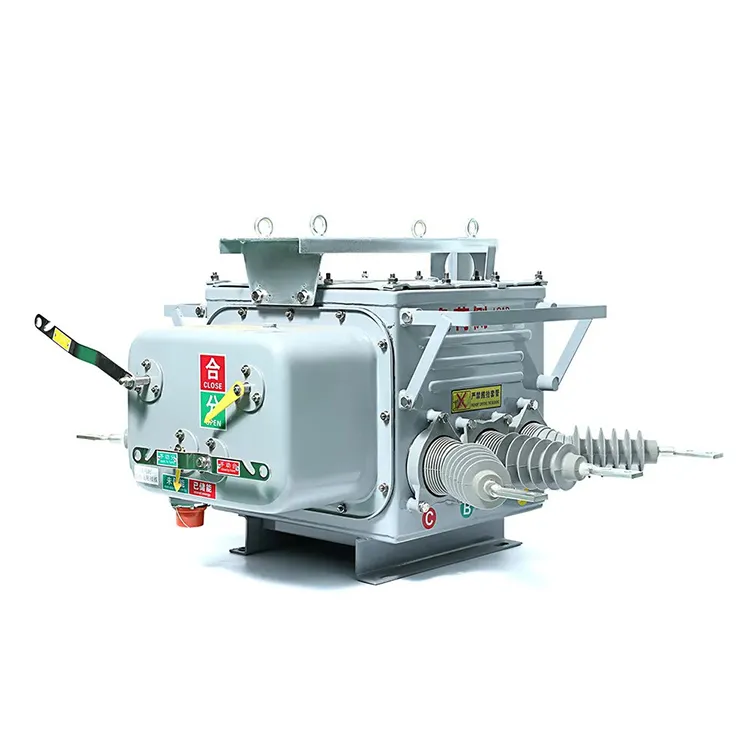
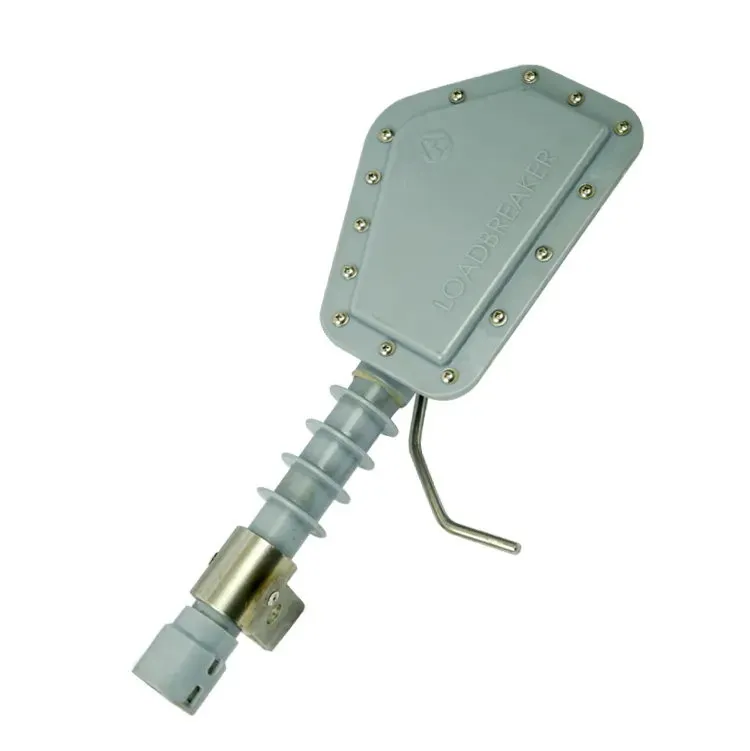


A 100a cut out fuse specification often arrives as a choice between 100 A and 200 A continuous classes on the cutout base—not as a standalone amp number on a fuse link label. Match sustained load, transformer full-load current, conductor ampacity, load growth margin, and expulsion fuse link coordination to the approved study before you shortlist models on the fuse cutout product line.
This article compares 100 A vs 200 A continuous-current requirements for overhead distribution cutouts. For how to read cutout nameplate labels and family-table columns, use the sibling fuse cutout ratings and selection guide instead of repeating that matrix here.
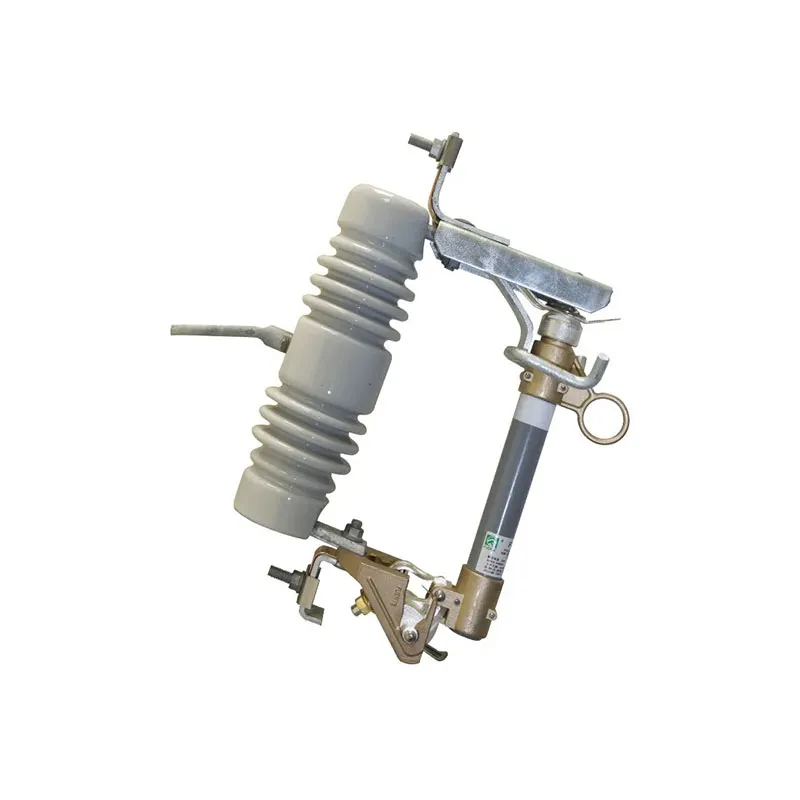
Summary: The choice between a 100 A fuse cutout and a 200 A fuse cutout is a continuous-duty decision, not a simple quality ranking. Match sustained load, transformer full-load current, conductor ampacity, expected growth, fault duty, and the approved fuse-link pair. A higher continuous class cannot increase the ampacity of the conductor or override the protection study.
Why does continuous current class matter before comparing 100 A and 200 A?
Overhead buyers frequently search for a 100A cut out fuse when the engineering question is actually which cutout base continuous class can carry normal load without overheating contacts, while still coordinating with the expulsion fuse link that clears faults. Continuous current sizes the cutout body and the maximum fuse link amp the assembly is designed to accept under sustained duty—it is not the same as interrupting rating or fuse speed.
Catalogue tables list 100 A, 200 A, and sometimes 300 A rows on the same voltage class. Those rows describe the cutout’s continuous capability, not a recommendation that every feeder should use the lowest amp option. Picking 100 A because it is common can leave no margin when load grows; picking 200 A without conductor and coordination justification adds cost and may still require a lower fuse link amp for protection.
| Decision input | What 100 A vs 200 A comparison must use | Common shortcut |
|---|---|---|
| Sustained load current | Approved load study or metered peak | Nameplate kVA only |
| Growth horizon | Owner planning years or load-addition schedule | Today’s load with no margin |
| Conductor ampacity | Sized conductor at the cutout location | Cutout amp treated as conductor size |
| Fuse link amp | Coordination study output | Link amp copied from a neighbour feeder |
Important: Continuous class does not replace interrupting duty or voltage class review. Source context: IEEE C37.41 distribution cutout scope.
How does transformer sizing map to 100 A vs 200 A?
Transformer primary full-load current anchors many 100 A vs 200 A reviews on distribution transformers. A 500 kVA unit on a 11 kV line draws roughly 26 A at unity power factor—well within a 100 A cutout class on continuous duty alone. A 2 500 kVA transformer on the same voltage class can exceed 130 A continuous, which pushes the review toward 200 A unless the owner applies diversity or load limits not visible on the nameplate alone.
Use the transformer fuse cutout application review to collect transformer-side inputs before you lock an amp class. That review separates application fit, cutout class, and fuse link coordination—this article stays on the continuous-current layer only.
Transformer-side checklist
- Nameplate kVA, primary voltage, vector group, and impedance (%Z)
- Calculated primary full-load current at approved power factor
- Allowed overload or emergency loading rules from the owner
- Inrush and energization duty referenced in the coordination study—not used here as a substitute for sustained load
| Approximate primary full-load current | Typical continuous-class starting point | Caveat |
|---|---|---|
| Below 80 A sustained | 100 A cutout class often sufficient | Confirm growth and conductor ampacity |
| 80 A–160 A sustained | Compare 100 A with margin vs 200 A | May still use lower fuse link amp |
| Above 160 A sustained | 200 A cutout class likely | Verify conductor and link coordination |
Where do conductor ampacity and load growth change the decision?
Conductor ampacity sets a physical ceiling: a cutout continuous class should not imply a feeder can carry more current than the conductor is approved to carry under the owner’s loading rules. Load growth turns today’s adequate 100 A choice into tomorrow’s nuisance trip or thermal risk if margins were never documented.

When planners add commercial load, EV charging clusters, or agricultural expansion on rural feeders, the continuous-current review should use the forecast year the owner specifies—not only commissioning-year load. A feeder at 75 A today with a five-year plan to 95 A may remain on a 100 A cutout class with a documented margin, while a feeder already at 90 A with the same growth profile may justify 200 A base hardware with a coordinated fuse link below 200 A.
| Scenario | Conductor limit | Load trend | 100 A vs 200 A lean |
|---|---|---|---|
| Transformer tap, stable load | Conductor sized to transformer FLC | Flat | 100 A if margin ≥ owner rule |
| Lateral with planned load additions | Ampacity table for conductor size | Rising | 200 A base if sustained load crosses ~80% of 100 A |
| Temporary parallel feed | Lower of parallel conductor paths | Switching-dependent | Re-run continuous current for each state |
Tip: Attach the load forecast table the owner approved—not an informal verbal growth estimate—to the RFQ. Source context: Utility Products overhead distribution overview.
How does fuse link coordination differ at 100 A and 200 A bases?
The cutout continuous class and the fuse link amp rating are related but not identical. A 200 A cutout base can accept a fuse link sized below 200 A when the coordination study requires a lower continuous fuse element—for example, 140 A link on a 200 A cutout class for a transformer with moderate load but strict upstream selectivity. Conversely, a 100 A cutout base cannot be treated as a 200 A platform by installing an oversized link; the assembly limits and contact duty still follow the 100 A class.
Coordination work belongs in the same file as cutout selection. The expulsion fuse link selection guide covers link speed, material class, and time-current inputs; here the interface question is whether the chosen base class leaves room for the approved link sizes across future load scenarios.
Coordination questions for amp-class comparison
- What is the maximum fuse link amp the study allows at this location?
- Does upstream recloser or breaker selectivity require a link speed that only pairs with certain cutout families?
- Will load growth require a larger link within the same base class, or a base-class change?
- Does the owner prohibit mixing base class and link amp beyond published pairing tables?
| Cutout base class | Typical link amp range (study-dependent) | Risk if mismatched |
|---|---|---|
| 100 A continuous class | Up to owner-approved link ≤ 100 A class | Oversized link on undersized base |
| 200 A continuous class | Link amp per coordination, often below 200 A | Assuming link amp equals base class |
Does protection placement change which continuous class fits?
Transformer primary cutouts and lateral line cutouts on the same voltage class can legitimately use different continuous classes. A transformer bay sized from kVA and primary voltage may sit at 110 A sustained and justify 200 A hardware, while a lateral tap on the same feeder carrying 40 A sustained may remain on 100 A class with a smaller link—each location needs its own continuous-current line in the study.
Placement also changes which sibling articles apply beyond this comparison. System voltage, BIL, and fault level at 15 kV class are covered in the 15 kV fuse cutout selection inputs article; use it when amp class is settled but equipment voltage class still needs confirmation.
| Placement | Continuous-current driver | 100 A vs 200 A note |
|---|---|---|
| Transformer primary | kVA-based primary FLC plus owner overload rules | 200 A more common above ~1 MVA on 11–15 kV class |
| Lateral tap | Branch load plus growth | 100 A common on rural laterals under 80 A sustained |
| Capacitor or specialty branch | Switching and load duty | Confirm with owner; amp class follows branch study |
What margins and documents should buyers record before choosing 200 A?
Document why 200 A base hardware is necessary when 100 A might appear sufficient on today’s load alone. Useful records include the sustained current calculation, conductor ampacity reference, growth assumption, fuse link size list, and any owner rule for minimum continuous margin—typically expressed as a percentage headroom above calculated load.
Procurement should not treat a catalogue 200 A row as proof of need. Require bidders to respond against the same continuous-current excerpt and to state the offered cutout base class, maximum link amp, and any pairing restrictions on the SKU datasheet.
| Document | Proves for 100 A vs 200 A decision |
|---|---|
| Load study or metering summary | Sustained current at cutout node |
| Single-line diagram | Placement and upstream/downstream scope |
| Conductor schedule | Ampacity limit at location |
| Coordination notes | Approved fuse link amp and speed |
| Growth assumption memo | Why margin requires 200 A base |
Escalate to formal engineering review when sustained load sits above ~80% of the 100 A class with documented growth, when conductor ampacity and cutout class appear in conflict, or when two qualified studies disagree on continuous current at the same node.
Which FUERTE models illustrate 100 A and 200 A options?
FUERTE publishes multiple drop-out cutout SKUs with 100/200/300 A continuous options on the product page for each model—never as a universal rule across the catalogue. Two common quotation starting points after amp-class review:
| Model (example only) | When to open that page | Published continuous options on page |
|---|---|---|
| FSC-1-5 drop-out fuse cutout | Pole-mount overhead context with confirmed installation inputs | 100 A / 200 A / 300 A |
| FSC-1-1 drop-out fuse cutout | Transformer or lateral duty when that SKU row matches the study | 100 A / 200 A / 300 A |
On the published FSC-1-5 page, the listed 10–15 kV class, 8 kA breaking current, and 220 mm creepage apply to that model only. The FSC-1-1 page publishes similar voltage and amp option rows for that SKU alone—confirm interrupting duty, creepage, and bracket options separately rather than mixing rows between models.
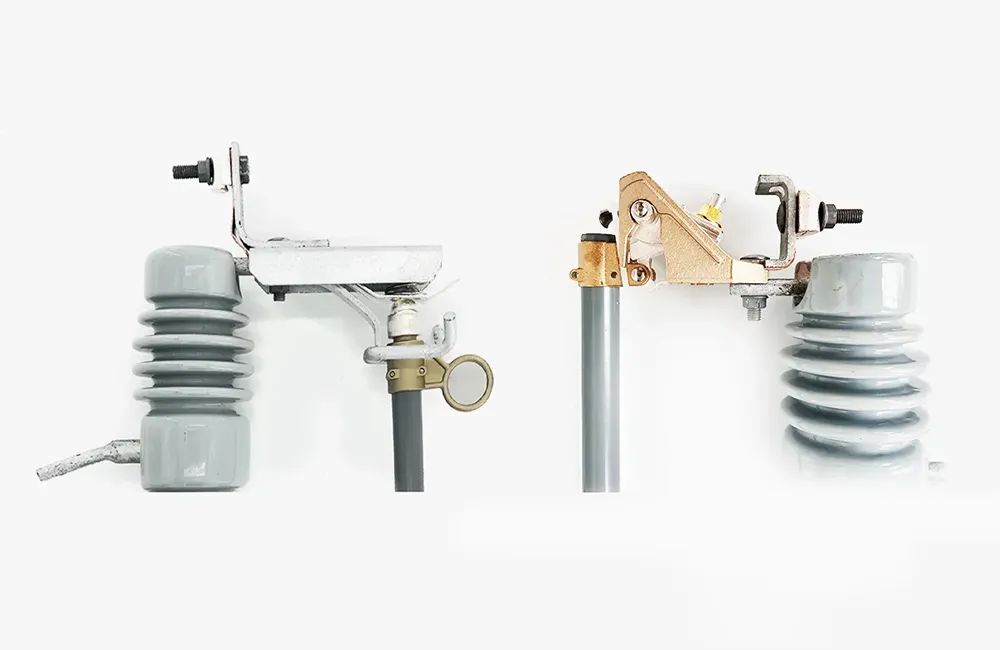
Fit Boundary: Choosing 100 A or 200 A on a product page does not replace the owner’s load and coordination study. HFSC polymer SKUs and other FSC family members require their own datasheet rows. FSC-1-1 and FSC-1-5 parameters must not be generalized across the product line.
When is a FUERTE quotation appropriate?
FUERTE is appropriate when the buyer has documented continuous load, growth margin, conductor ampacity, placement, and fuse link coordination—and needs a model-specific quotation on verified pages. Start from the fuse cutout product line, narrow to FSC-1-5 or FSC-1-1 only when that SKU matches the duty file, then submit the study excerpt through request a fuse cutout quotation.
Include in the enquiry:
- Protection placement and nominal voltage class
- Calculated sustained current and approved growth horizon
- Conductor type and ampacity at the cutout
- Preferred cutout base class (100 A or 200 A) with study reference
- Expulsion fuse link size, speed, and coordination plot reference
- Required test documents under the contract standard list
FAQ
When should I use a 100 A fuse cutout instead of 200 A?
Use 100 A continuous class when sustained load, conductor ampacity, and the approved growth margin all remain comfortably below 100 A under owner rules, and the coordination study confirms an appropriate fuse link within that base class.
How does transformer size affect 100 A vs 200 A cutout selection?
Primary full-load current derived from kVA and voltage drives the starting point: smaller distribution transformers often fit 100 A class, while larger units can exceed 100 A sustained and push the review toward 200 A unless owner diversity limits apply.
Does conductor ampacity limit which cutout continuous class I can specify?
Yes. The conductor approved ampacity sets a thermal ceiling for the feeder. A 200 A cutout class does not increase conductor capacity; continuous class must align with both load and conductor duty.
Can I use a 200 A cutout with a 100 A fuse link?
Often yes when the coordination study and manufacturer pairing rules allow a lower fuse link amp on a higher continuous-class base—but confirm on the offered SKU datasheet rather than assuming interchangeability.
How does load growth change the 100 A vs 200 A decision?
Growth converts a marginally adequate 100 A choice into a future upgrade risk. Document the forecast year and load increments the owner accepts so procurement can justify 200 A base hardware before field replacement becomes necessary.
Do transformer and lateral applications need the same continuous class?
No. Each cutout location needs its own sustained-current calculation. Transformer bays and lateral taps on the same feeder commonly use different base classes when load profiles differ.
What documents prove 100 A or 200 A is the correct continuous class?
Load study or metering summary, single-line diagram, conductor schedule, coordination notes, and growth assumption memo—tied to the same revision as the RFQ—prove the decision better than catalogue amp rows alone.
When should buyers escalate 100 A vs 200 A to engineering review?
Escalate when sustained load exceeds roughly 80% of 100 A class with planned growth, when conductor ampacity and cutout class conflict, or when coordination requires a link/base pairing that bidders cannot substantiate on the offered datasheet.
What does a 100 A or 200 A fuse cutout rating actually describe?
It normally describes the cutout assembly’s continuous-current class under its specified conditions, not the fuse link’s melting curve or the feeder’s guaranteed load capacity. Confirm the exact manufacturer definition and tested link combinations on the offered SKU.
Is a 200 A fuse cutout automatically better than a 100 A model?
No. A higher continuous class is useful only when the load, conductor, connection hardware, and protection study require it. It can add cost or create a mismatch if the rest of the installation remains designed around a lower duty.
Can a 100 A cutout serve a feeder with future load growth?
Only when the approved forecast remains within the continuous-duty and coordination limits. Record the forecast year, load assumptions, conductor ampacity, and upgrade path before using a lower class to defer a replacement.
References
- Expulsion fuse-switch equipment scope: IEC 60282-2
- Distribution cutout and fuse-switch scope: IEEE C37.41
- Cutout fuse specification scope: IEEE C37.42
- Polymeric insulator standard context: NEMA polymeric high-voltage insulators
- Overhead distribution systems context: Utility Products overhead distribution overview
- Electrical insulator fundamentals: Wikipedia insulator overview
- Overhead line work safety scope: OSHA 1910.269