
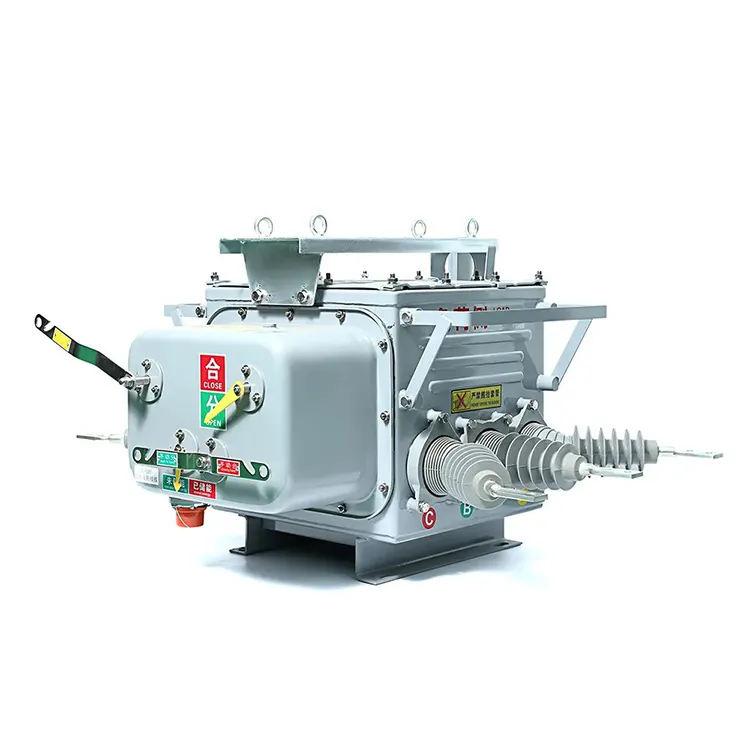
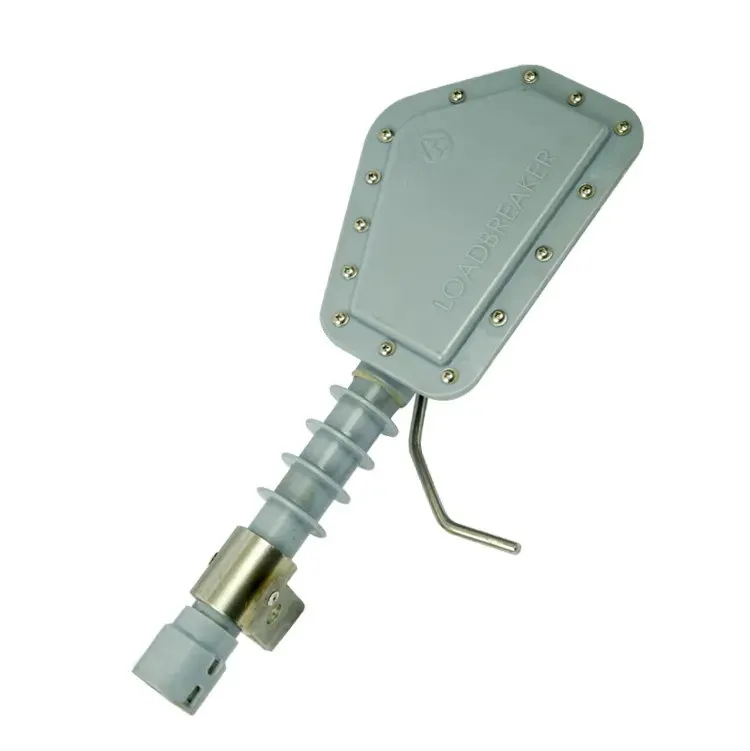


A puller can grip a fuse and still be the wrong tool for the job. Its jaws may load a glass body instead of the intended gripping surface, or its handles may not clear adjacent equipment. A plastic handle also says nothing reliable about the tool’s electrical rating. These distinctions matter when a maintenance buyer orders a replacement from a photograph or a broad catalogue size range. The useful starting point is the complete fuse-and-holder system: what must be gripped, how it is retained, and what the equipment instructions permit. This guide explains how to check those details before selecting a tool or arranging the work.
A fuse puller is a handling tool matched to specified fuse forms and sizes; it is not a universal means of making removal safe. Confirm the fuse part number, holder design, permitted gripping points, working clearance and manufacturer’s tool limitations. Establish the approved isolation procedure separately. For US workplace applications within its scope, 29 CFR 1910.333 requires appropriate deenergization and verification practices. Outdoor medium-voltage cutouts belong to a different equipment and work-procedure category from removable low-voltage cartridge or blade fuses. Their handling equipment must be selected from the cutout instructions, not from a handheld puller size chart.
Which dimensions decide whether a puller will fit?
Start with the manufacturer’s fuse designation, not the current printed on the body. Fuses with the same ampere rating can have different lengths, diameters, blades and contact arrangements. The puller must engage the intended surface without crushing the body, sliding onto a terminal, or requiring an angled pull that the holder does not allow. A dimensional drawing is more useful than an approximate photograph when the fuse sits deep inside a panel.
| Check | Information to obtain | Why it matters |
|---|---|---|
| Fuse form | Cartridge, blade, bolted or other identified design | Different retention methods require different handling methods |
| Gripping dimensions | Diameter, body width and permitted grip area | Jaw opening alone does not establish a secure grip |
| Holder access | Depth, spacing and removal direction | The tool must clear nearby components through the full movement |
| Retention | Clips, drawer, carrier, cover or fasteners | A tool cannot replace the holder’s release procedure |
A bolted connection must not be treated as a friction clip. Similarly, a withdrawable carrier may be the intended removal point rather than the fuse body itself. Where the instructions are unavailable, obtain them before ordering a tool on the assumption that greater pulling force will solve the problem.
Does an insulated handle make fuse removal safe?
No. Tool suitability and the equipment’s electrical state are separate checks. Inspect the manufacturer’s voltage limitation, application instructions and any required condition or inspection criteria. Colour, handle thickness and the word insulated in a reseller listing are not substitutes for that information.
29 CFR 1910.335(a)(2)(ii) specifically addresses fuse-handling equipment insulated for the circuit voltage where fuse terminals are energized. That provision should not be read as a general instruction to pull a live fuse. Qualified personnel must follow the applicable work rules, including isolation, control of stored or alternative supplies and verification of the electrical condition. A puller is a handling aid, not a voltage detector or a protective switching device.
Why do overhead cutouts need a different handling method?
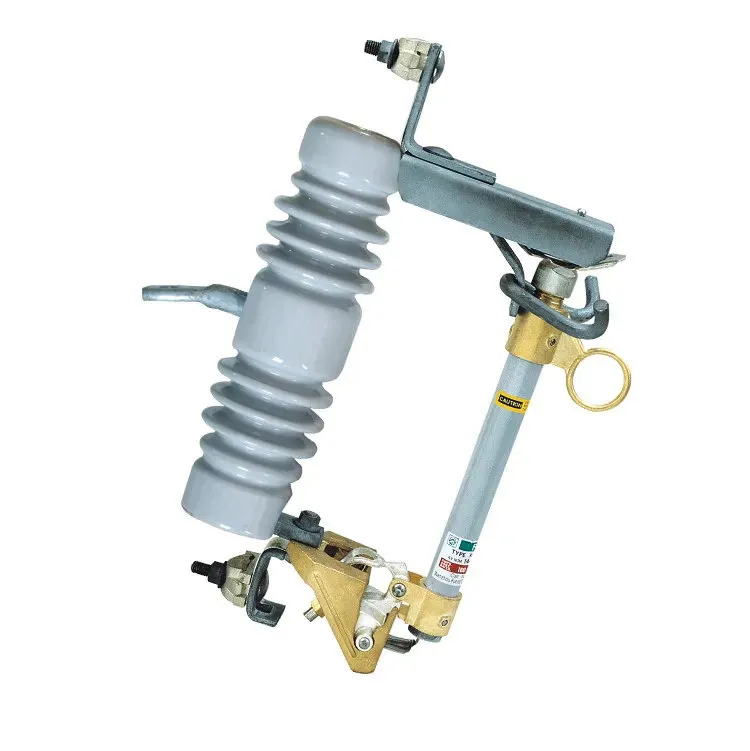
An overhead cutout combines a fuse carrier, contacts, insulating support and mounting arrangement. Its operating features and exposure differ substantially from those of a small cartridge holder. Selecting an ordinary hand puller because it appears to fit part of the assembly ignores the equipment’s voltage class, reach, operating method and switching limitations. The distinction between dropout and loadbreak fuse cutouts is particularly important: the presence of a handling feature does not by itself establish load-interruption capability.
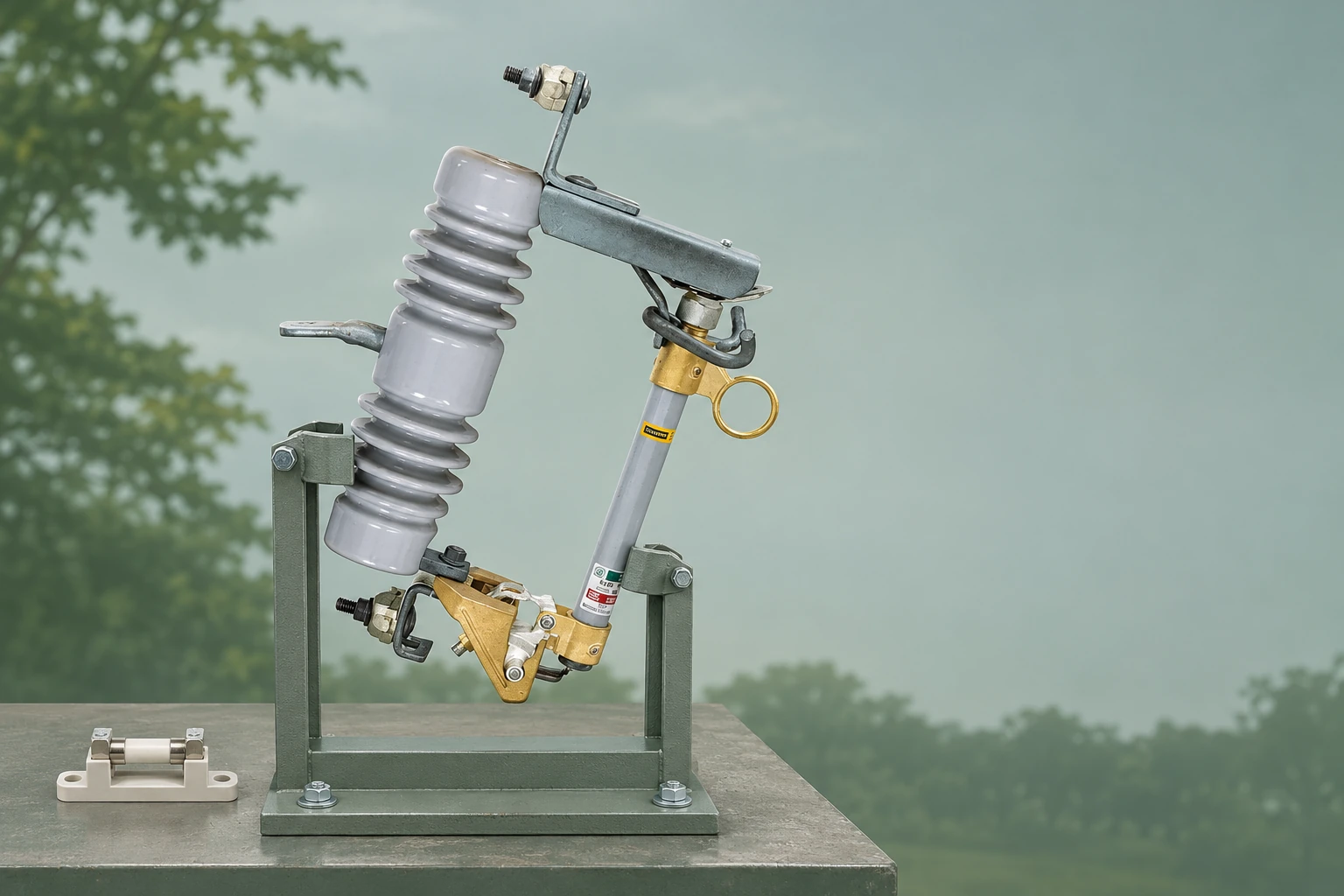
The illustration shows an outdoor cutout assembly, not a fuse puller or a demonstration of an approved operating method. It helps identify the equipment category that needs its own instructions. Operating sticks, accessories and procedures must be confirmed for the exact assembly by the equipment supplier and the organization responsible for the work.
Which signs mean a puller should be taken out of service?
Inspect the tool before use under its manufacturer’s instructions. Cracked or distorted jaws, a damaged hinge, loose parts, contamination and damage to an insulating surface all deserve attention. A puller that slips on the specified fuse may have wear, contamination or incorrect geometry; changing the grip angle or squeezing harder can introduce a different failure. Do not modify jaws, file the gripping surface or add an improvised sleeve to make an unsuitable tool fit.
The same inspection should include the accessible condition of the holder after the equipment has been made safe. Damaged clips, heat-discoloured parts or a seized carrier may indicate a holder problem rather than a poor tool. The replacement request should identify that condition so the maintenance team does not receive a new puller while the original defect remains.
| Observation | Question to resolve | Purchasing or maintenance response |
|---|---|---|
| Tool slips on the specified fuse | Wrong geometry, wear or contamination? | Check the approved tool and inspect its gripping surfaces |
| Fuse will not release normally | Retaining feature or damaged holder? | Use the equipment instructions; do not force removal |
| Damaged insulating surface | Does the tool remain acceptable under its instructions? | Remove from use pending the required assessment or replacement |
| No readable tool identification | Can its model and limitations be established? | Obtain traceable manufacturer information before use |
What should a buyer send with a tool enquiry?
A useful enquiry includes the fuse and holder part numbers, dimensional drawings, photographs taken under an approved safe procedure, the equipment voltage and the intended handling operation. State whether the request is for a loose fuse, a complete carrier or an overhead assembly. For a cutout, fuse carrier identification helps prevent a request for one part from being mistaken for a request for the complete device.
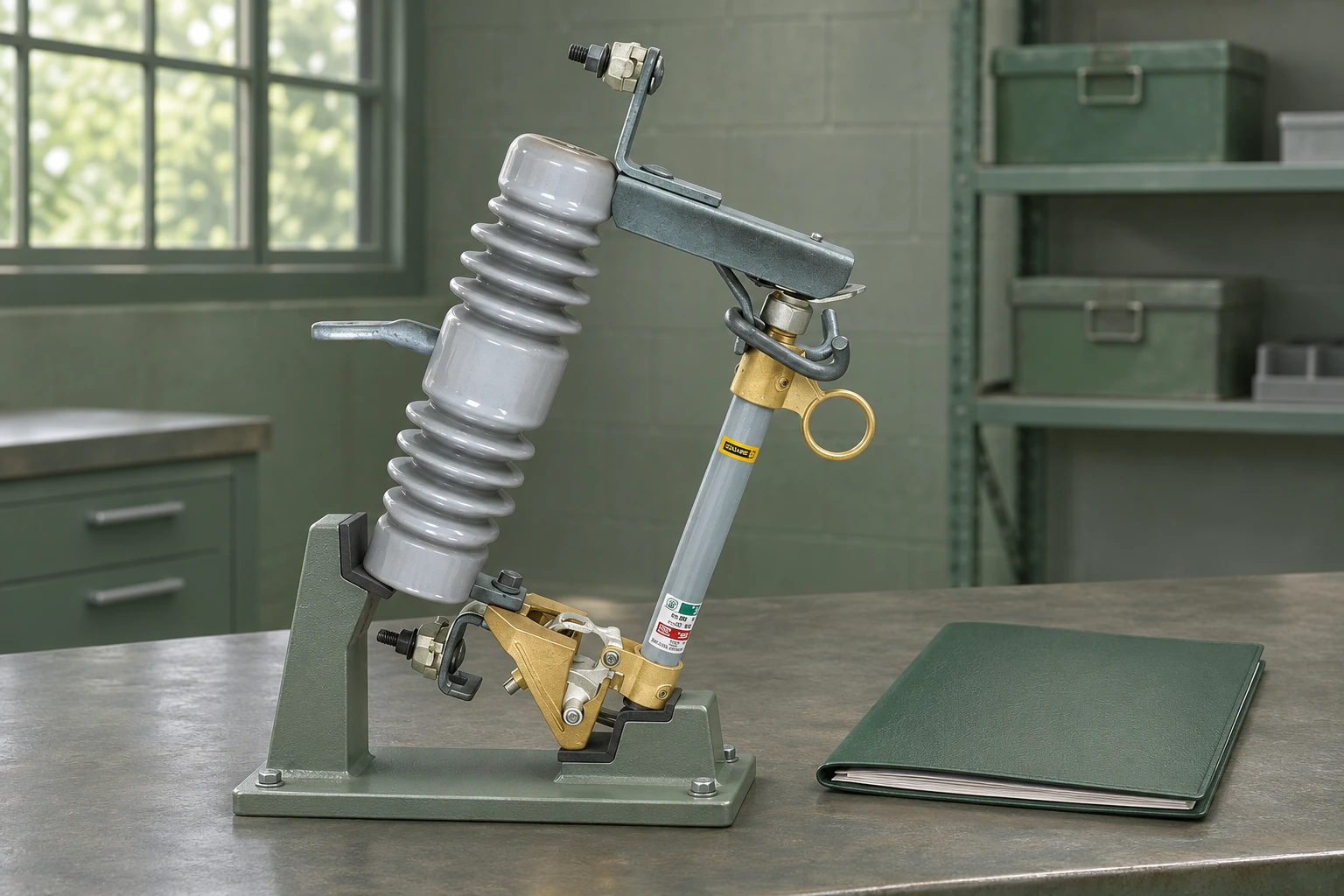
Ask the supplier to identify the approved tool by part number and document any fuse sizes or holder configurations excluded from its use. A range such as several cartridge diameters should be checked against every installed fuse family in the maintenance inventory. Record those approved pairings with the fuse holder compatibility information, rather than storing a universal-tool claim that later technicians may apply to unrelated equipment.
Frequently asked questions
What is a fuse puller used for?
It provides a controlled grip for inserting or removing the fuse forms specified by its manufacturer. It does not establish that the circuit is deenergized or that removal under load is permitted.
How is a fuse puller matched to a fuse size?
Match the exact fuse form, body dimensions and permitted gripping surfaces to the puller’s specified range, then check clearance and the holder’s release method. An ampere rating alone is insufficient.
Can one fuse puller fit every fuse holder?
No. Fuse geometry, access, carriers, retention features and operating procedures vary. A holder may require a dedicated carrier tool or a different removal method.
Why must the equipment isolation procedure be followed?
Removing a fuse can expose live parts or interrupt a current the operation is not designed to break. The approved procedure addresses supplies, stored energy and verification; the tool cannot replace it.
What should be inspected on a fuse puller before use?
Check identification, jaws, hinges, fasteners, grip security and insulating surfaces as the manufacturer directs. Damage, contamination or unapproved modifications require assessment before use.
Which tool ratings should be checked?
Check the permitted fuse sizes and forms, any voltage limitation, application exclusions and required condition or inspection criteria. Do not infer an electrical rating from plastic construction.
When does a fuse system require a specific replacement tool?
When the manufacturer specifies a dedicated tool, carrier or operating accessory, or when a general puller cannot meet the documented gripping and clearance requirements. Medium-voltage cutouts require their own equipment-specific approach.
What product information is needed before purchasing a fuse puller?
Provide fuse and holder model numbers, dimensions, accessible photographs, equipment voltage and the intended operation. Ask for the tool part number, instructions and exclusions in the supplier’s reply.
References
Sources checked on 16 November 2026.
- 29 CFR 1910.333 — Selection and use of work practices (Cornell LII)
- 29 CFR 1910.335 — Safeguards for personnel protection (Cornell LII)
- Wikipedia — Fuse (electrical): construction, ratings and standards
Summary
Choose the handling method from the fuse system, then choose the tool. The important checks are the exact fuse geometry, the holder’s retention and access, and the manufacturer’s approved gripping arrangement. Keep the electrical work procedure separate: a tool that fits does not prove isolation, permit load interruption or establish a safe approach to medium-voltage equipment. Where wear, sticking or heat damage is present, investigate the holder as well as the puller. For projects involving outdoor assemblies, Fuerte’s fuse cutout range provides a starting point for identifying the equipment; send the model and required configuration when requesting the corresponding handling and replacement information.