
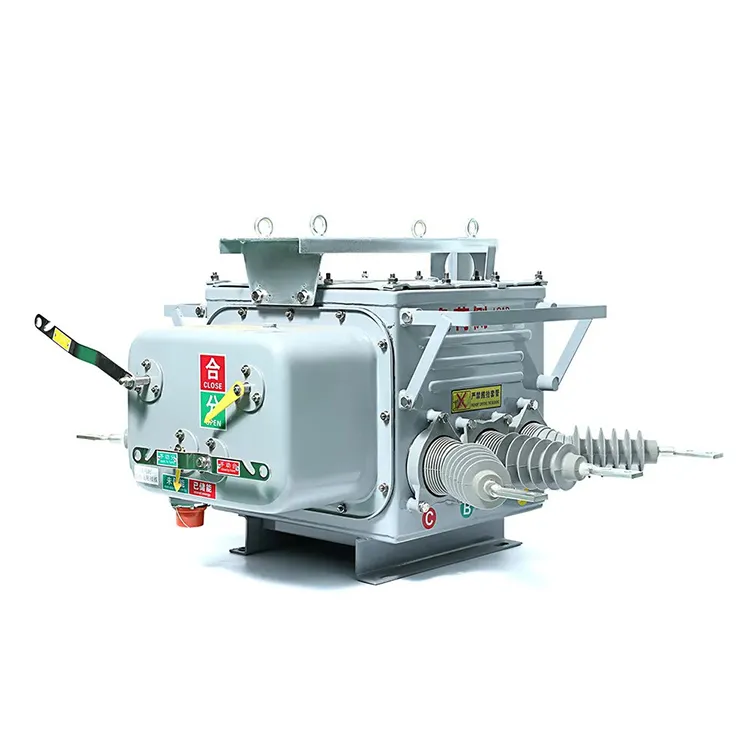
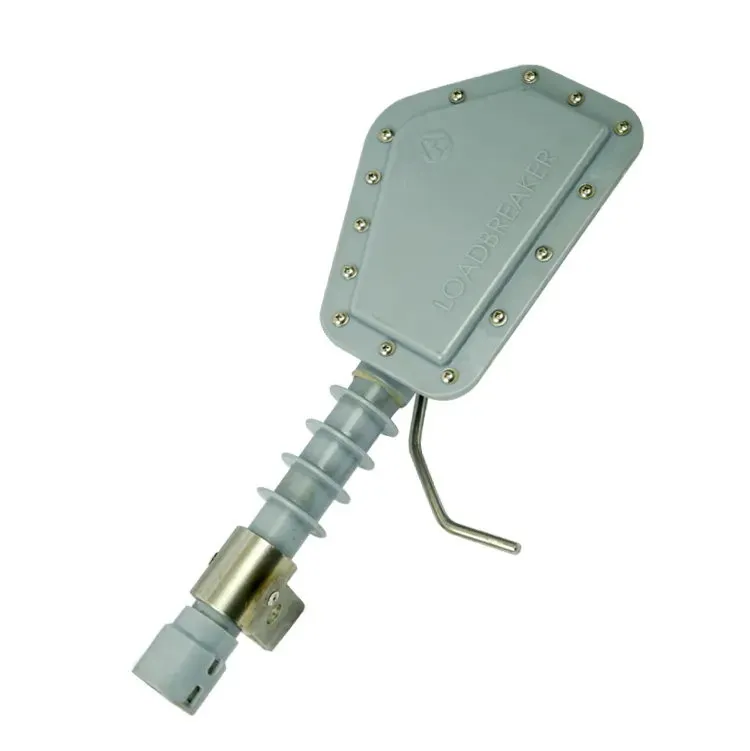


Procurement teams reviewing vacuum interrupter maintenance often receive brochure language instead of audit-ready records. The vacuum interrupter is the interrupting core inside many vacuum circuit breakers; buyers who need inspection confidence should ask for document IDs, revision numbers, and serial linkage for the quoted SKU—not adjectives about “long life” or generic vacuum quality claims.
This guide lists evidence categories for RFQs and maintenance contracts. It does not teach field measurement steps. On-site procedures belong to the dedicated how to check vacuum in a vacuum circuit breaker article.
Part 1. Reframe inspection as an evidence request
In RFQ language, “vacuum interrupter inspection” should mean: show me the OEM documents that define inspection intervals, permitted methods, and replace/repair rules for the interrupting module on this breaker serial. Industry reliability surveys that include vacuum circuit breakers illustrate why traceable maintenance records matter at procurement stage—they support planning, not certification of any one delivery (CIGRE fourth international reliability survey summary). For a related technical topic, see Vacuum Circuit Breaker vs Switchgear: Protection Boundaries Buyers Should Clarify.
Use the vacuum circuit breaker product family page only after stating whether the purchase is new supply, spares, or a maintenance extension. Each case changes which records are due at award versus after energization.
Part 2. Split factory records from operating records
Factory type-test and routine test reports belong to the supply archive for the module family and serial batch. Operator inspection logs belong to the asset history once energized. RFQs that demand field logs at bid stage—or factory PDFs after ten years of service—create confusion and empty folders.
Important: Marketing photographs and unattributed “tested” icons are not inspection evidence. Require report numbers, dates, and SKU mapping on every claimed record (IEC 62271-100).
| Phase | Buyer objective | Request focus |
|---|---|---|
| Bid / award | Prove offer identity | Factory report IDs, maintenance manual revision |
| Pre-energization | Close acceptance gaps | Serial list, shipment inspection sign-off |
| In service | Plan outages | OEM interval statement for quoted SKU |
| Audit / warranty | Trace module swaps | Repair tickets linked to serial |
Part 3. Categories of maintainable documents
Ask suppliers to attach or commit to the following categories. Numeric thresholds inside them must come from OEM data for the offered configuration—this article does not invent limits.
- Factory test report copies with report number and test date
- Routine test sheet for delivered serial when contract tier requires it
- Maintenance instruction with controlled revision and applicable serial range
- Spare interrupter module BOM line and interchangeability note
- Rework or replacement policy after fault or reach of service interval
- Concession register when any factory test was waived with buyer approval
- Calibration trace for test benches when owner standards require it
- Nameplate and serial photo rule tied to the packing list
| Document category | Minimum identifier | Why procurement cares |
|---|---|---|
| Factory test report | Report ID + SKU | Links module to documented tests |
| Maintenance instruction | Revision + date | Defines permitted upkeep actions |
| Spares statement | Part number | Avoids wrong interrupter cartridge order |
| Repair history | Work order + serial | Supports warranty and root-cause review |
| Deviation / concession | Spec row reference | Shows open risks before energization |
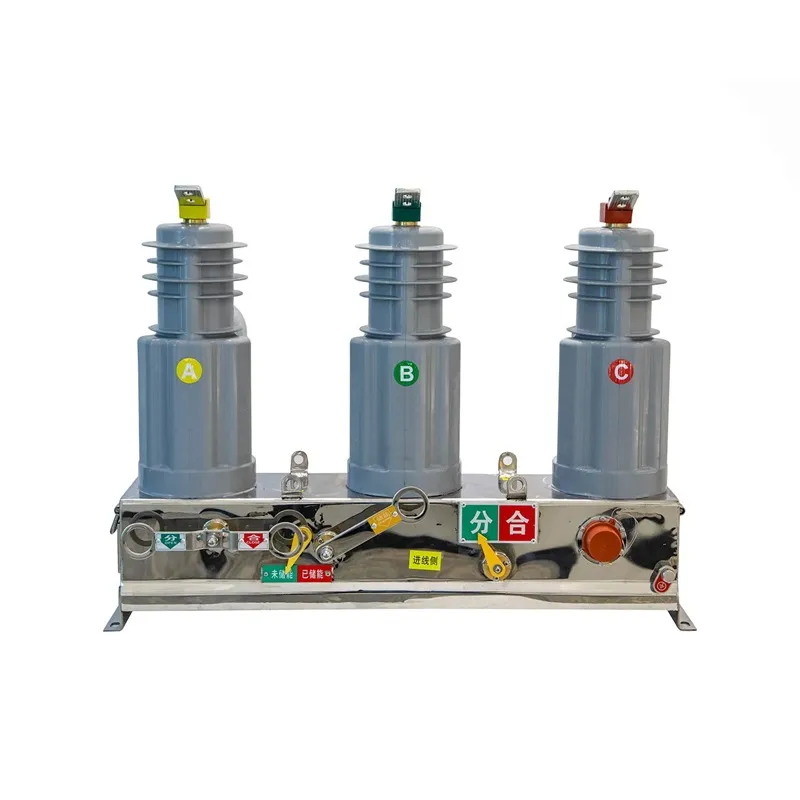
Part 4. Traceability rules for serial and SKU
Every PDF in a bid pack must reference the same offered part number and, where applicable, serial or batch range. Mixed folders—generic series brochures plus a drawing for a different voltage variant—are a signal to stop and request a consolidated register.
When a panel integrator supplies the breaker, the RFQ should name which party maintains the OEM register and how serial numbers appear on the owner asset list. Without that rule, interrupter evidence disappears behind a integrator portal login.
Part 5. Boundaries on limits and third parties
Buyers may require the OEM to state inspection methods and acceptable wear indicators in maintenance data for the quoted SKU. The RFQ must not fabricate vacuum pressure numbers, contact erosion millimeters, or timing values copied from unrelated models.
Define retention format (PDF, signed scan, CMMS upload) and retention period at award. Distinguish disconnector or isolator evidence (IEC 62271-102 equipment class) from interrupter upkeep—they are not interchangeable record sets (IEC 62271-102).
Part 6. Outdoor VCB inquiry context and fit limits
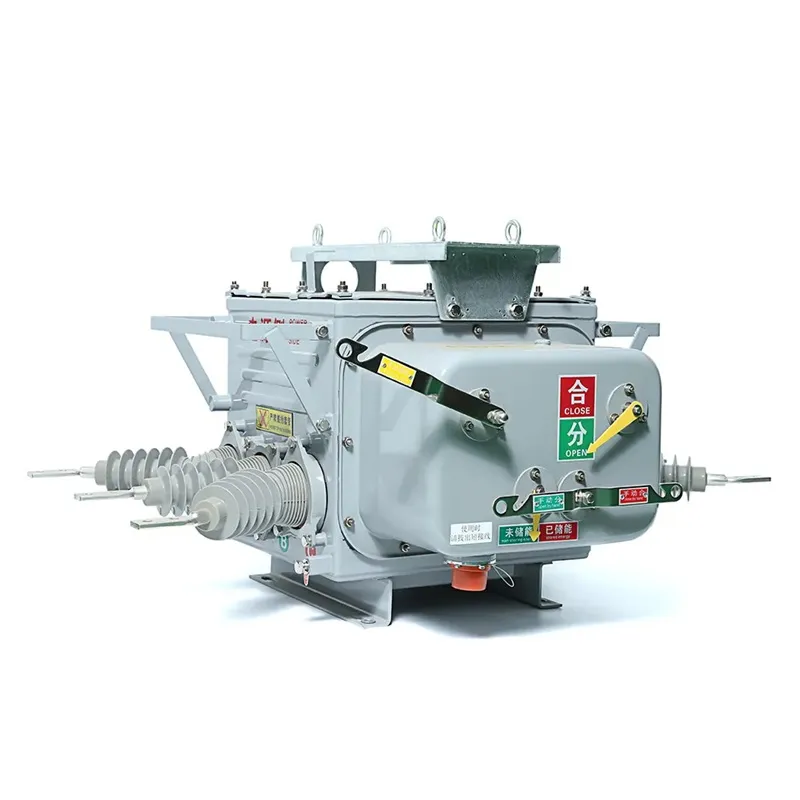
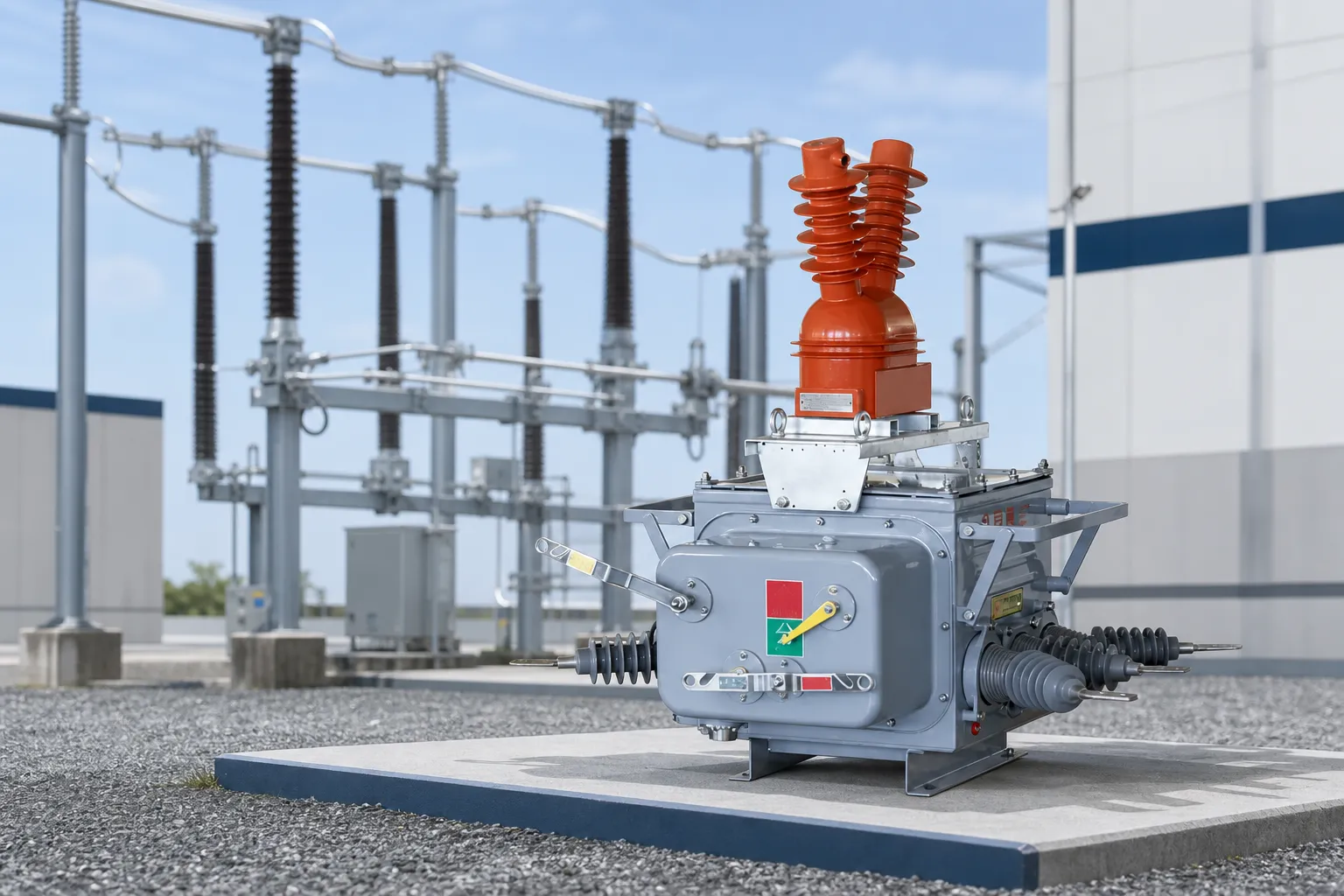
When an outdoor pole-mounted SKU is on the RFQ cover sheet, the ZW20-12/630-20 Vacuum Circuit Breaker page offers a FUERTE conversation anchor. Ask for the maintenance instruction revision and factory report index applicable to the offered serial policy.
Fit boundary
Useful where a SKU is selected and an evidence table is attached. Not useful for teaching field tests, inventing limits, or approving energization without owner acceptance records. Not a substitute for OEM documents that only the supplier can issue for the exact configuration.
Send the evidence table and document register template through contact FUERTE when bid inputs are fixed.
FAQ
What is a vacuum interrupter in procurement terms?
The interrupting module inside the VCB assembly whose factory and maintenance records buyers trace by SKU and serial.
Can buyers request numeric vacuum limits in the RFQ?
They can require the OEM to state limits in attached maintenance data; they should not invent numbers in the tender without a source.
Are factory tests enough for ten years of operation?
They support acceptance; operating inspection history is separate and owned by the asset manager after energization.
What if only a marketing PDF is offered?
Mark the compliance row open and request report IDs or manual revisions before award.
How do third-party panel builders fit?
Name the OEM register owner and require serial mapping on the handover sheet.
Does this replace the how-to-check article?
No. That article covers procedure; this one covers evidence categories and RFQ wording.
Which records help warranty disputes most?
Serial-linked factory reports, repair tickets, and replacement module traceability.
When should evidence be mandatory before energization?
When owner standards or unresolved concessions require closed acceptance rows first.
References
- IEC 62271-100 scope for alternating-current circuit-breakers (IEC webstore)
- IEC 62271-102 scope for disconnectors—contrast with interrupter records (IEC webstore)
- CIGRE fourth international reliability survey on equipment operated in 2014–2017 (ELECTRA summary)
Why is a vacuum-bottle test only one part of inspection evidence?
An integrity test addresses the sealed interrupter under the manufacturer’s specified method; it does not prove that the complete breaker has acceptable contact resistance, timing, travel, control operation, insulation to earth or interlock behavior. IEC 62271-100 provides a circuit-breaker standards route, while the exact test voltage, duration and acceptance limits remain tied to the equipment documentation.
An RFQ or inspection record should link every result to the serial number, interrupter position, instrument, test conditions, measured value and acceptance criterion. This makes a later warranty or retrofit discussion evidence-based instead of dependent on an undated pass/fail statement.
Summary
Request vacuum-bottle evidence, but do not mistake it for complete breaker acceptance. Pair integrity, resistance, timing, mechanism and control records with the exact unit identity and approved test method.