
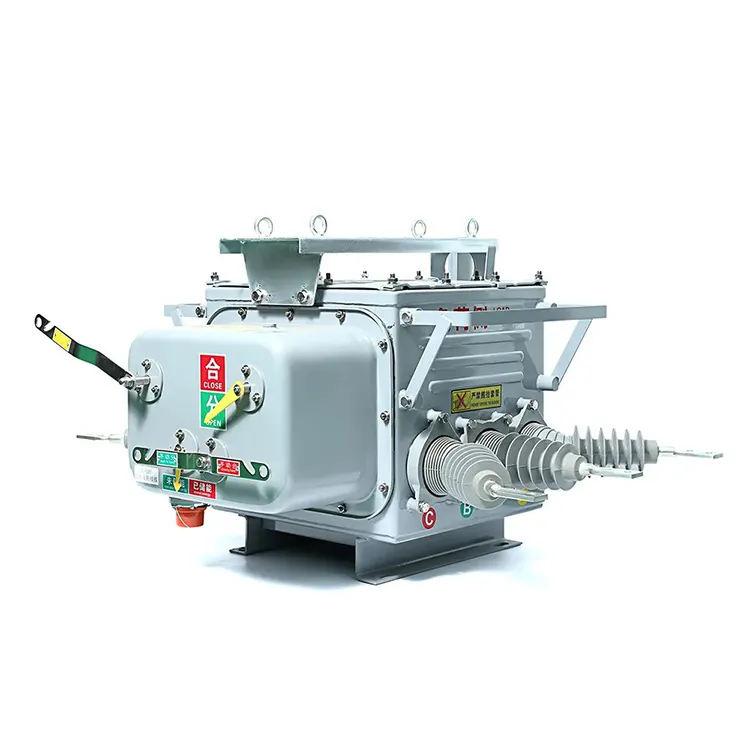
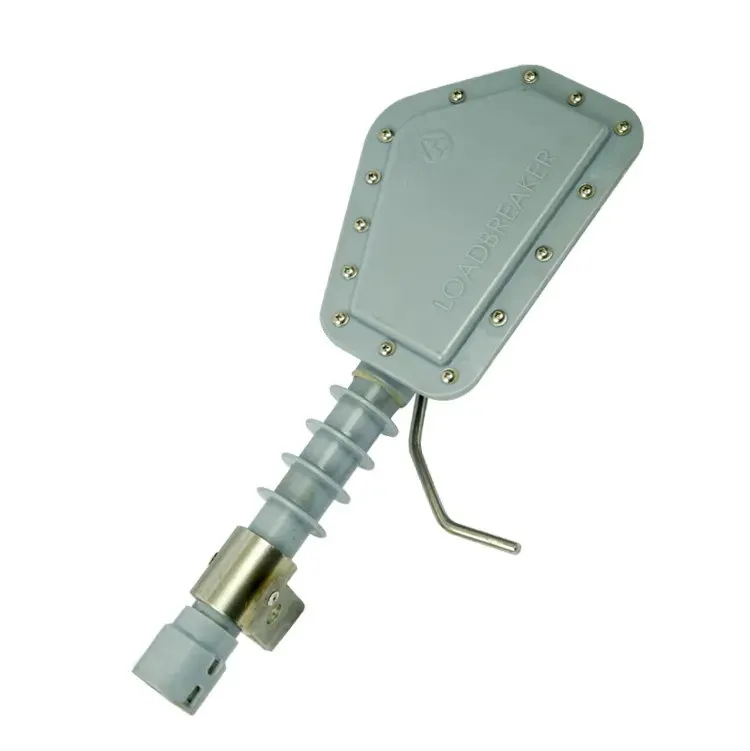


A 36 kV rating identifies an equipment class, but it does not approve a complete 33 kV or 35 kV installation. The selection still depends on maximum system voltage, insulation coordination, short-circuit and switching duty, environmental conditions, control interfaces and the evidence supplied for the ordered configuration.
Summary: A 36 kV rating is the equipment’s rated voltage class, not a complete approval for a nominal 33 kV project. Confirm the actual maximum system voltage, insulation level, fault and switching duty, installation environment and control interface; then obtain configuration-specific evidence under IEC 62271-100 and IEC 62271-1. This matters because dielectric capability and AC circuit-breaker duty are tested and declared separately from the nominal network label.
A 36 kv vacuum circuit breaker is commonly evaluated for 33 kV distribution because the equipment class must accommodate the system’s highest voltage, not only its nominal description. The vacuum interrupter is only one part of the decision; insulation, terminals, mechanism, enclosure, auxiliary circuits and duty cycle must also match the project. For a related technical topic, see How to Select a 35 kV Vacuum Circuit Breaker for Renewable and Industrial Systems.
Why is rated voltage only the starting point for a 36 kV VCB?
The 36 kV figure is an equipment-class value. It should accommodate the highest voltage in normal service under network assumptions, including declared system tolerance. It differs from rated frequency, normal current and breaking current. A 36kv vcb may suit a 33 kV system only after confirmation of maximum voltage and neutral earthing.
The insulation check sits beside voltage selection. IEC 62271-1 specifies common requirements for high-voltage switchgear and controlgear, including dielectric requirements and test conditions. The purchaser should state the power-frequency withstand and lightning-impulse withstand levels required by the insulation study, plus altitude and pollution assumptions. IEC 60060-1, High-voltage test techniques — Part 1: General definitions and test requirements, describes test techniques; it does not certify that every installed assembly is suitable at every site.
| Rating item | Question for the project team | Why it changes the decision |
|---|---|---|
| Rated voltage: 36 kV | What is the network’s maximum voltage, not only its 33 kV nominal name? | Sets the equipment-class and insulation-coordination baseline. |
| Rated frequency | Is the system 50 Hz or 60 Hz? | Mechanism, test evidence and offered configuration must match the system. |
| Power-frequency and impulse withstand | What dielectric levels follow the insulation study? | Altitude, surge exposure and clearances can alter the required margin. |
| Rated normal current | What continuous load, ambient temperature and enclosure derating apply? | Thermal limits affect reliability before any fault occurs. |
How do fault interruption and operating duty set the margin?
A breaker must close, carry and open the duty assigned to its location by the system study. The specification should coordinate rated short-circuit breaking current, making current, short-time withstand current and withstand duration; “high breaking capacity” is not a project requirement. IEC 62271-100, High-voltage switchgear and controlgear — Part 100: Alternating-current circuit-breakers, is the relevant framework for AC circuit-breaker ratings, construction and test duties.

Request prospective fault current at the breaker terminals and the coordination clearing time. Identical current figures can create different thermal duties when duration differs. Identify transformer, cable, capacitor-bank or reactor switching and expected operations; these influence declared duty, transient-recovery-voltage assumptions, test evidence and maintenance. Read the breaking rating with making and short-time withstand duties, not as one decisive catalogue value.
For terminology and a disciplined comparison structure, use vacuum circuit breaker breaking-capacity specifications with the fault study and the supplier’s configuration-specific declarations. The link is supporting guidance, not a substitute for the contractual duty schedule.
| Project input | Document to compare | Commercial risk if omitted |
|---|---|---|
| Maximum prospective short-circuit current | System fault calculation and breaker rated breaking current | Fault duty may exceed the offered interruption capability. |
| Required clearing and withstand duration | Protection coordination and short-time withstand declaration | Thermal duty can be misstated even when the current figure looks acceptable. |
| Switching application and annual operations | Duty statement, type-test scope and maintenance plan | A low initial price can conceal unsuitable operational duty. |
| Control supply and trip/close logic | Wiring diagram and functional test record | Interface changes can delay commissioning or create rework. |
Which installation conditions can change the selection?
Indoor metal-enclosed switchgear, an outdoor pole installation and a compact substation expose a 36kv vcb to different contamination, temperature, condensation, seismic and wiring conditions. The interrupter may be vacuum-sealed, but external insulation and control components remain site-sensitive. For outdoor deployment, check the stated enclosure protection, corrosion approach, cable entry, local isolation method and any altitude correction identified by the insulation study.
Operational access is part of selection: can crews isolate, inspect and restore safely; are surge arresters, instrument transformers and terminations coordinated; and does the civil design leave usable working space? A column vacuum circuit breaker may fit a pole-mounted topology, but suitability still depends on the approved mounting, accessories and project documents.
How should the configuration be frozen before procurement?
A costly selection error may appear years after commissioning: a nominally equivalent replacement changes a control interface, auxiliary-contact allocation or operating sequence without protection review. Establish a configuration freeze after technical clarification and before manufacture. The package should identify the breaker configuration, one-line-diagram revision and approved interfaces, not rely on a family name or old order.
Define interchangeability dimensions for replacement: mounting and primary-terminal geometry, phase spacing, control-supply range, trip and close circuits, auxiliary-contact numbering, interlocks, project-specified operating times, and communication or remote-control interfaces. Include control I/O lists and terminal or interface drawings. This gives protection, SCADA and maintenance teams a basis for deciding whether a replacement is truly like-for-like.
Set a spare-parts baseline with the approved configuration: mechanism parts, auxiliary components, coils, contacts, document revisions and recommended quantities identified by supplied part number. Keep acceptance records with the serial number, final data sheet, routine-test record, drawings and deviations register. A scheduled article on switchgear documentation planning can help organise the owner record, but the contract remains controlling.
Use formal change control from tender clarification through factory acceptance, site acceptance and handover. A change should identify the affected drawing, protection and control interfaces, approval and updated record before release. This prevents silent changes to trip-circuit or interlock logic. For complementary preparation, see medium-voltage commissioning guidance.
How should compliance evidence be tied to the offered configuration?
Standards language needs precision. IEC 62271-100 covers AC circuit-breaker ratings, construction and test duties. IEC 62271-1 supplies common switchgear requirements. IEC 60060-1 concerns general definitions and test requirements for high-voltage test techniques. These are not blanket product certificates: identify the product, rating, edition, test reference and configuration before making a compliance claim.
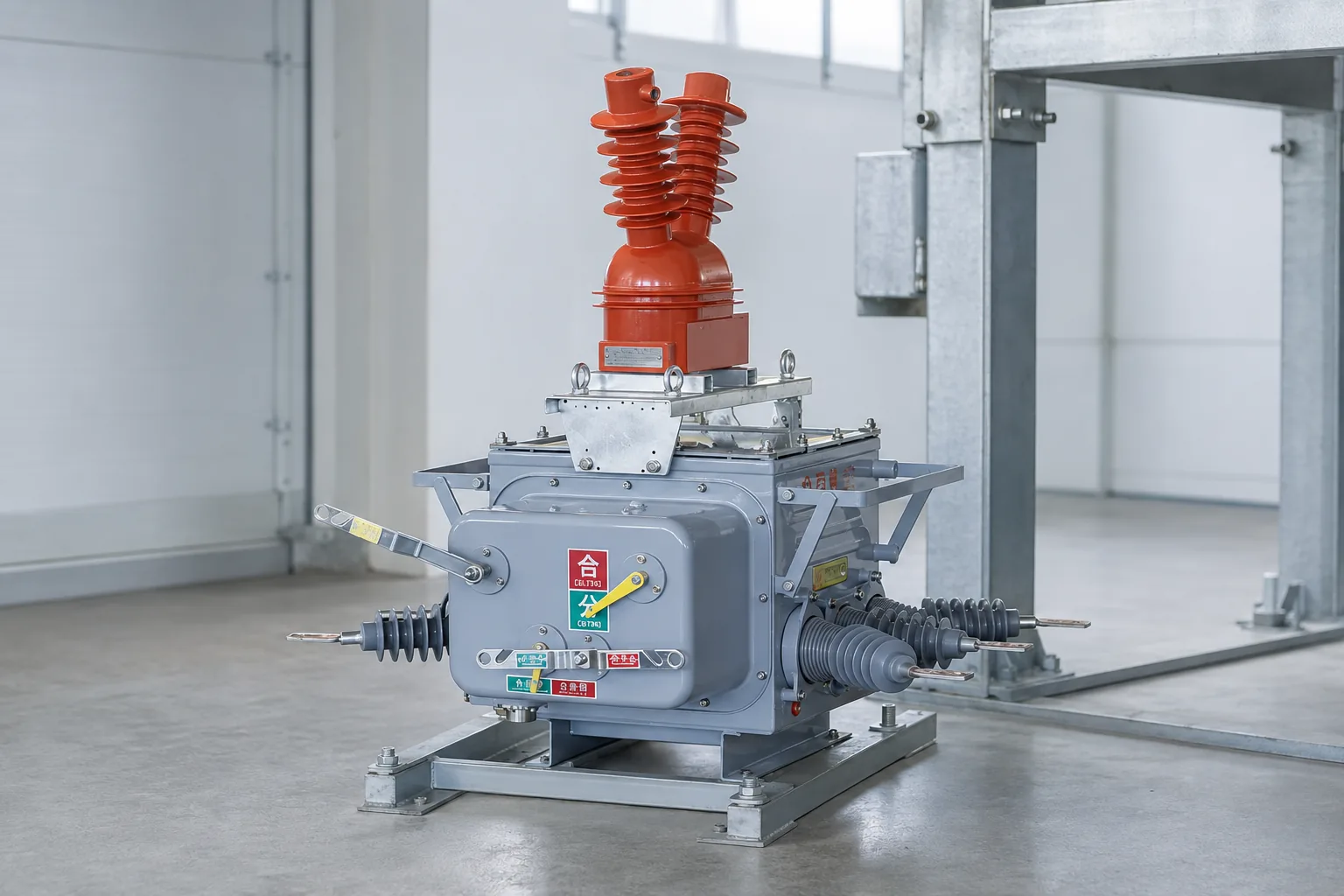
Build a compliance schedule listing every required parameter, its unit, governing standard, offered value, evidence reference and exception status. Request applicable type-test references, routine-test records for supplied units, outline drawings, wiring diagrams, nameplate data, installation instructions and spare-parts recommendations. The acceptance decision should rest on the contractual specification and traceable documents, not on generic promotional wording.
What procurement sequence works for a 36 kV project?
- Freeze the one-line diagram, maximum system voltage, earthing method and fault study before comparing quotations.
- Specify normal current, short-circuit breaking, making and short-time withstand duties as a coordinated set, including duration and operating sequence.
- State the insulation level, altitude, ambient range, pollution severity, indoor/outdoor arrangement and control-voltage interfaces.
- Freeze interchangeability dimensions, control I/O, interface drawings and the spare-parts baseline before release.
- Use a document matrix to compare offered values and exceptions; record change-control decisions through factory acceptance, site acceptance and handover.
For a project enquiry, ask Fuerte or another proposed supplier to map the offered breaker, drawings and test documentation to the issued specification. Any claimed approval, test reference or quality-system statement should be checked for scope, product and revision before it influences the selection.
How should buyers interpret 33, 35 and 36 kV labels?
Current public results show that these labels are often discussed together, but the manufacturer’s rated-voltage designation, insulation levels and maximum system voltage still govern. Use the project’s voltage and insulation-coordination study to choose the class; do not assume that a 36 kV catalogue page proves suitability for every 33 or 35 kV network.
For outdoor work, add the environmental and mechanical fields to the same review: altitude, pollution, rain or salt exposure, mounting, terminal arrangement, control cabinet and inspection access. A complete RFQ makes these conditions visible before the supplier freezes the design.
FAQ
What does a 36 kV vacuum circuit breaker rating mean?
It identifies an equipment class with a rated voltage of 36 kV and related dielectric and switching requirements. The selected device still needs checking against the project’s insulation level, current, fault duty, environment and control requirements.
Is a 36 kV VCB the same as a 33 kV VCB?
They are often discussed for the same nominal distribution application, but the terms are not automatically interchangeable. Confirm the network maximum voltage and full IEC 62271-100 duty schedule instead of approving equipment from the nominal system label alone.
What current and short-circuit ratings are available for 36 kV VCBs?
Available values vary by design and configuration, so an EPC team should request the specific data sheet rather than assume one standard package. Compare normal current, breaking current, making current and short-time withstand current with the fault calculation and required duration.
Can a 36 kV vacuum circuit breaker be installed outdoors?
Yes, if the offered outdoor arrangement is designed and documented for the location. Review enclosure protection, external insulation, contamination, corrosion, temperature, mounting, cable terminations and maintenance access before approval.
How often should a 36 kV VCB be maintained?
Maintenance intervals depend on the manufacturer’s instructions, operating duty, switching history and site conditions. Record operations and trip events, then use inspection and functional-test intervals that fit the owner’s maintenance plan rather than an unsupported universal interval.
What documents should accompany a 36 kV VCB procurement package?
At minimum, request the final data sheet, drawings, wiring diagrams, nameplate details, applicable test references, routine-test records, installation instructions, operation and maintenance documentation, and an exceptions list. Include the interchangeability baseline and change-control record; identify documents required before shipment, energization and final handover.
What is the difference between a 36 kV VCB and a 40.5 kV designation?
They may refer to different rated-voltage or maximum-system-voltage designations within a manufacturer’s product family. Compare the exact nameplate ratings, insulation levels, test reports and switchgear assembly requirements instead of treating the labels as interchangeable.
Summary
A 36 kV VCB is a system decision: rated voltage, insulation, fault duty, operating sequence, outdoor conditions and evidence must agree. Keep the exact manufacturer designation and assembly boundary in the procurement record so later substitutions remain auditable.