
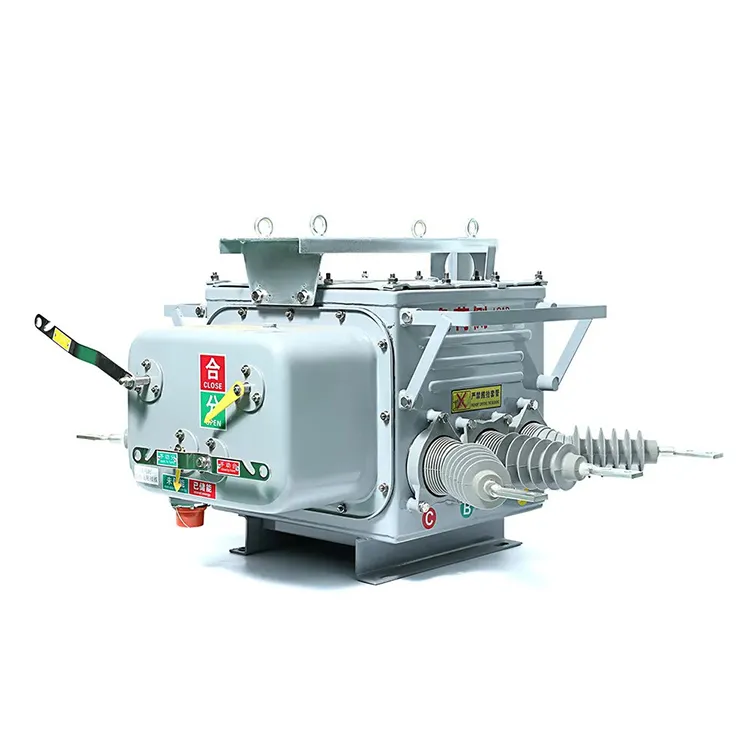
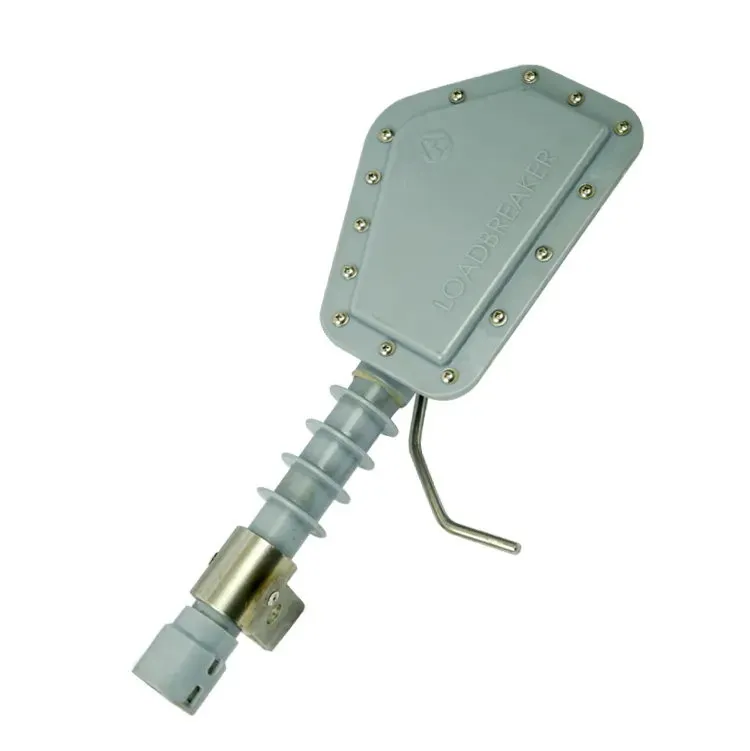


A breaker can pass an insulation-resistance measurement and still fail to trip because its control circuit is incomplete. It can operate mechanically while a main-circuit connection needs investigation. These checks answer different questions, so a VCB testing program should not be reduced to one instrument or a single pass label. The first decision is whether the work concerns design qualification, a newly manufactured unit, site commissioning or condition assessment. This guide separates those purposes, explains what common tests can and cannot establish, and shows how to record useful acceptance evidence without borrowing universal limits from unrelated equipment.
What should the buyer confirm first?
VCB tests can include visual and mechanical inspection, control and interlock checks, main-circuit resistance, timing and travel, insulation tests and vacuum-interrupter integrity checks, as applicable to the approved procedure. Type tests support a design’s declared performance; routine tests concern manufactured units; site checks verify installation and operating functions. They are not interchangeable. IEC 62271-100:2021+AMD1:2024 provides the AC circuit-breaker framework, but the exact field test voltage, method and acceptance limits must come from the applicable equipment documents and approved test plan. A successful bottle test does not establish the condition of the complete breaker.
How do type, routine and site tests differ?
| Test stage | Main purpose | Evidence boundary |
|---|---|---|
| Type or design tests | Support declared design characteristics | Applies to the tested design and justified coverage |
| Routine factory tests | Check the manufactured unit under the applicable requirements | Keep records linked to the delivered unit |
| Site commissioning | Verify installation, interfaces and operating chain | Does not reproduce the entire design test program |
| Maintenance assessment | Compare condition with approved criteria and history | A selected check cannot prove every remaining duty |
Decide the purpose before selecting instruments. An urgent commissioning task does not authorize a site team to reproduce high-power interruption tests. Similarly, a routine report does not replace evidence for the design’s short-circuit capability. The VCB breaking-capacity guide explains the duties that the rating evidence must support.

What do resistance, timing and control checks tell the owner?
Main-circuit resistance checks assess the measured current path under the stated setup. Record the connection points, instrument, test conditions and acceptance basis. Phase comparison and historical values can help interpretation, but they do not replace the manufacturer’s limits. A blanket micro-ohm threshold should not be copied across different designs.
Timing and travel checks examine contact movement using the applicable procedure. Control checks follow trip and close commands through their circuits and confirm defined indication and interlock behavior. A passing mechanical operation alone does not prove that the installed protection relay can command a complete trip. The VCB construction guide maps those separate functions.
Why are insulation resistance and vacuum integrity different?
Insulation-resistance testing and a specified vacuum-interrupter integrity check use different methods and answer different questions. Do not label a megohmmeter reading as proof that a sealed bottle meets its required dielectric performance. External insulation condition must also be considered separately from the open contact gap.
Use the exact manufacturer’s instructions for permitted test waveform, voltage, duration and setup. Do not substitute AC and DC methods, raise the voltage or disconnect electronic components based on a generic online checklist. Qualified personnel must follow the approved isolation, stored-energy, test-area and discharge procedure for the equipment and instrument.
How should test limits and conflicting results be handled?
Before testing, identify the source of each acceptance criterion: equipment manual, project procedure or applicable standard requirement. Record its revision and the equipment configuration. If the limit is missing, obtain it rather than converting a typical value from another model into an acceptance rule.

When results disagree, retain the raw readings and setup details, check the test arrangement under the approved procedure, and escalate unresolved discrepancies. Do not repeat increasingly severe tests until a preferred result appears. A fault investigation may need several independent checks; one favorable reading should not erase a conflicting observation.
What should a usable test record contain?
Record model and serial number, configuration, reason for the test, method revision, instrument and calibration reference, conditions, measured values, acceptance criteria and disposition. Keep exceptions visible, including work not performed and why. Link the report to the correct unit rather than only a purchase order covering several breakers.
Eaton’s certificate directory demonstrates product-specific document organization; it does not provide field acceptance limits for FUERTE equipment. After a modification, the VCB retrofit commissioning plan should also address the changed interfaces.
FAQ
Does an insulation-resistance pass prove the vacuum bottle is satisfactory?
No. Use the specific bottle-integrity procedure and criteria. Insulation resistance and vacuum integrity are different assessments.
Can one contact-resistance limit be used for every VCB?
No. Use the correct design’s procedure and limits, with recorded setup and historical comparison where applicable.
Can a field test prove rated short-circuit interruption?
Ordinary site checks do not reproduce the complete high-power design qualification. Review the applicable design evidence separately.
What if the manufacturer’s test voltage cannot be found?
Obtain an approved procedure from the responsible equipment or engineering source before conducting the test. Do not select a voltage from an unrelated model.
Summary
A sound test program begins with a question and ends with a traceable decision. Establish whether the purpose is design evidence, production release, commissioning or maintenance; then choose the applicable checks and acceptance criteria. Keep the main current path, contact movement, control chain, external insulation and bottle integrity distinct. Do not substitute a generic number for a missing equipment procedure or interpret one passing result as complete approval. This overview was checked against public technical sources on 15 October 2026 and supplies no equipment-specific test settings. FUERTE’s vacuum circuit breaker enquiries should identify the model, serial number and test purpose when requesting the relevant documents.