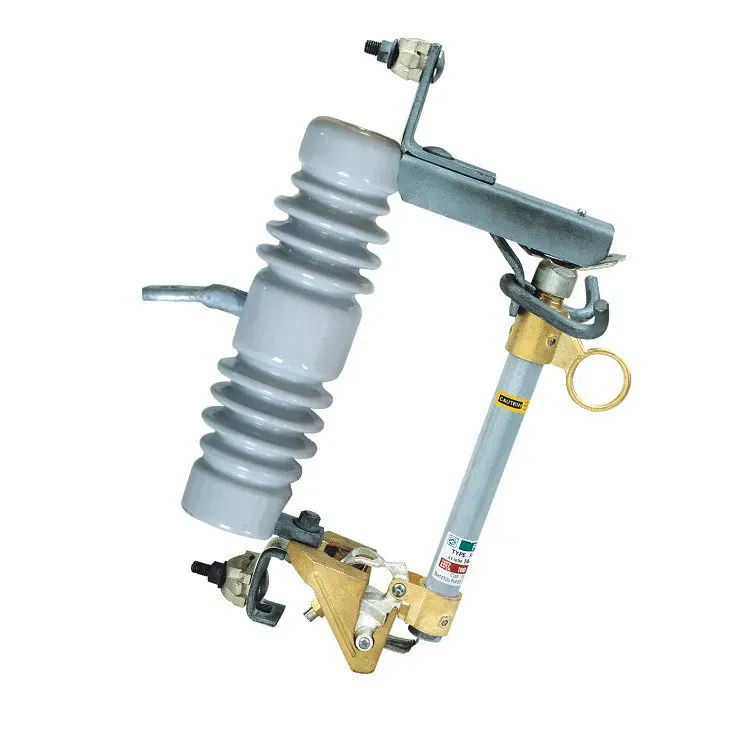
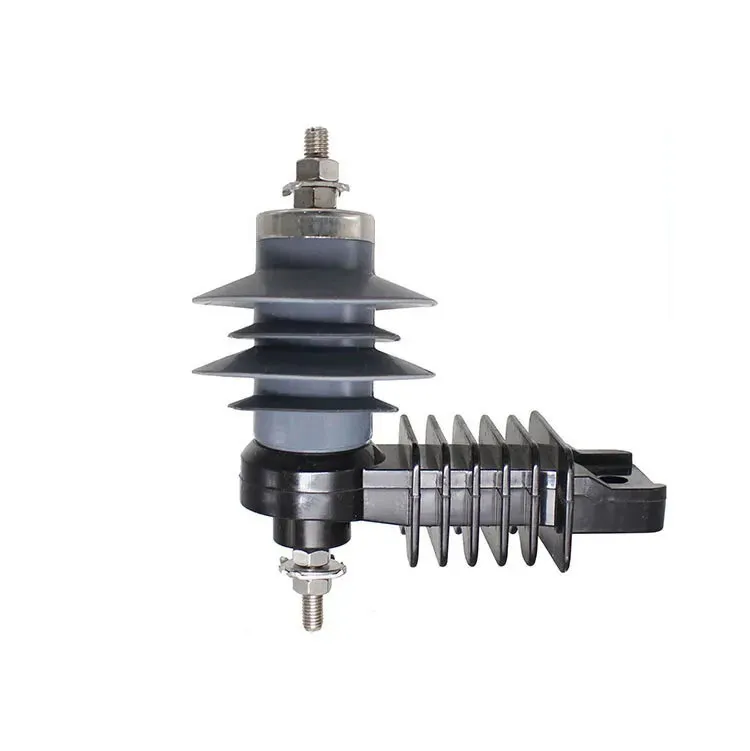
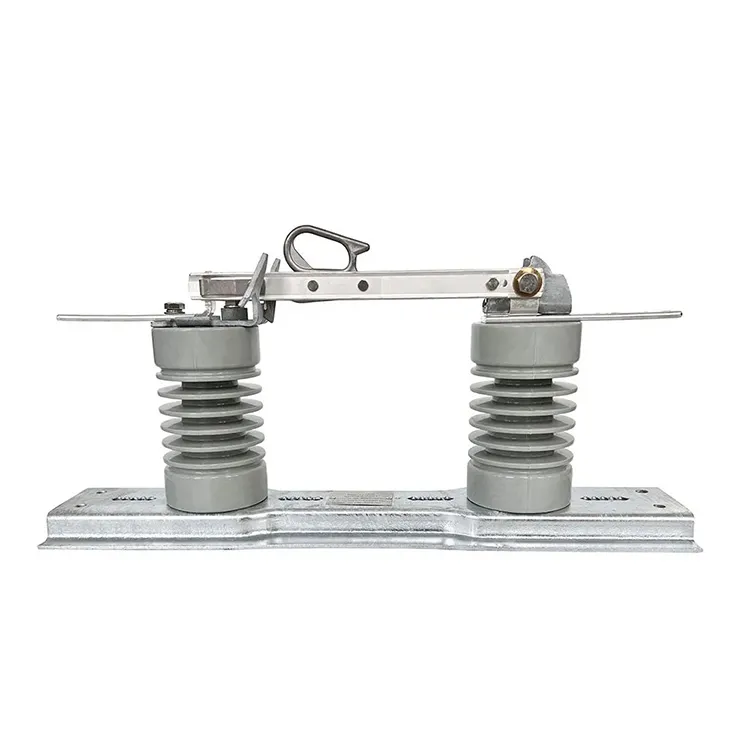
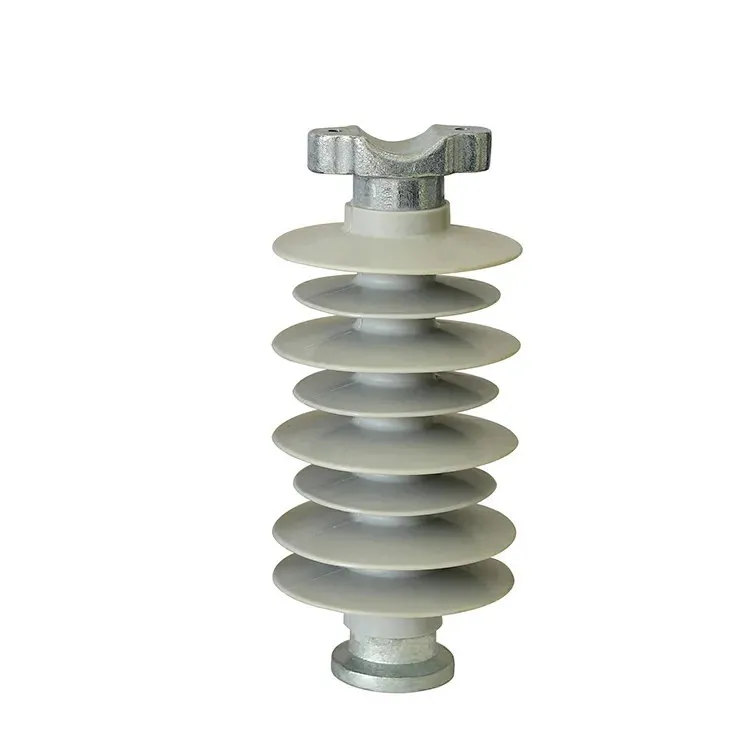
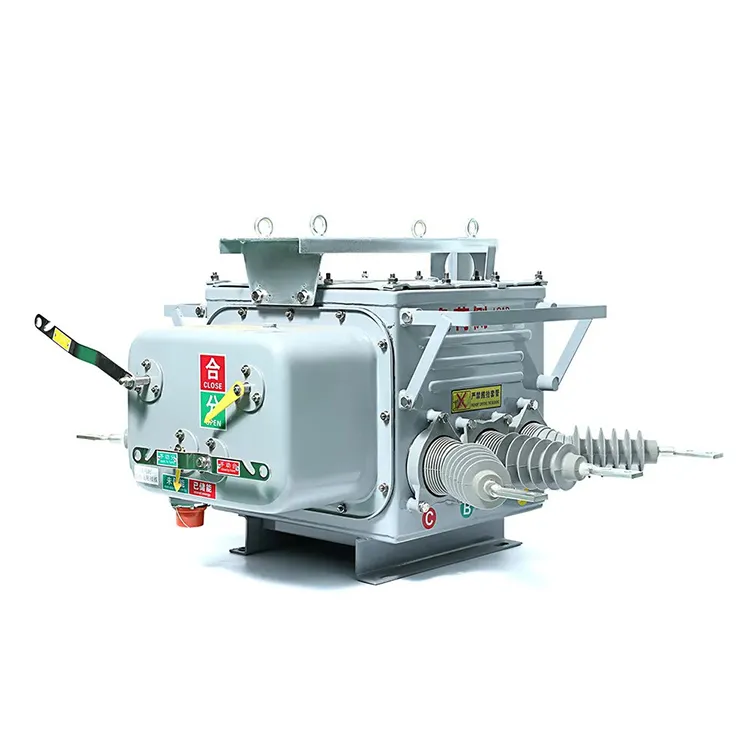
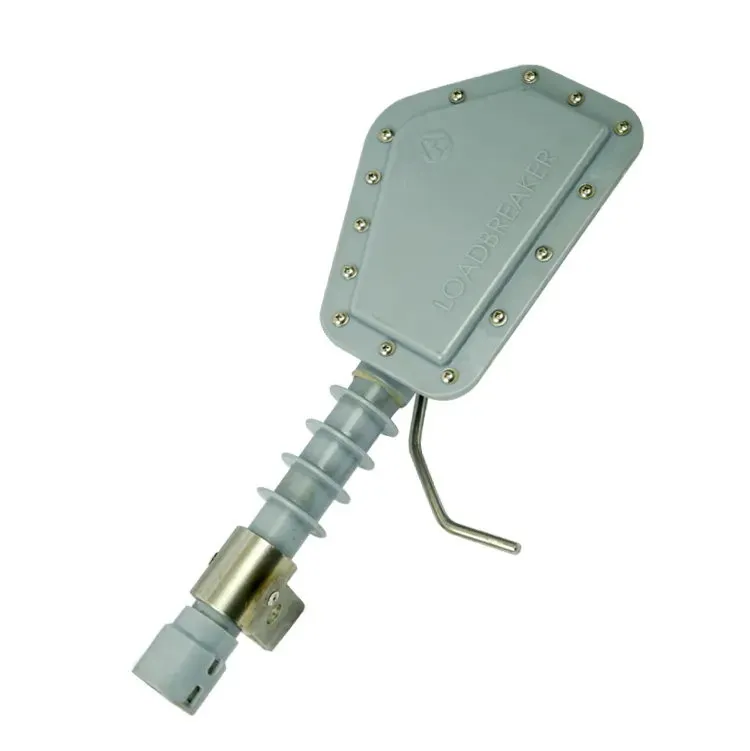


When a distribution designer replaces a porcelain string with a polymer unit, the first question is rarely “which material is newest?” It is usually whether the insulator will support a conductor, suspend a span, terminate a dead-end or resist a specific pollution environment. A visually similar unit can have different mechanical fittings, creepage geometry and electrical clearances. Choosing by voltage label alone can lead to incompatible hardware, poor field performance or rework at the pole. This guide gives procurement teams and line designers a practical way to match pin, suspension, dead-end and line-post types to the duty.
Summary: Pin and line-post insulators support conductors on a structure; suspension and dead-end strings hang from the structure and transfer longitudinal or vertical loads through their end fittings. An 11 kV polymer pin insulator and a 33 kV composite pin insulator must still be checked for insulation level, creepage distance, mechanical load and interface dimensions. IEC 61109 applies to composite suspension and tension insulators, while IEC 60168 covers tests for indoor and outdoor post insulators. Confirm pollution severity, hardware, clearances and test evidence before selecting a composite polymer insulator.
What is the difference between pin-type and suspension-type insulators?
A pin insulator is mounted on a pin or bracket and supports the conductor from above or beside the structure. It is common on distribution crossarms where the conductor route and transverse load are predictable. A suspension insulator uses a string or long-rod arrangement hanging from the structure; the conductor is attached at the lower end. Suspension geometry is useful when higher mechanical flexibility, longer creepage or a dead-end arrangement is required.
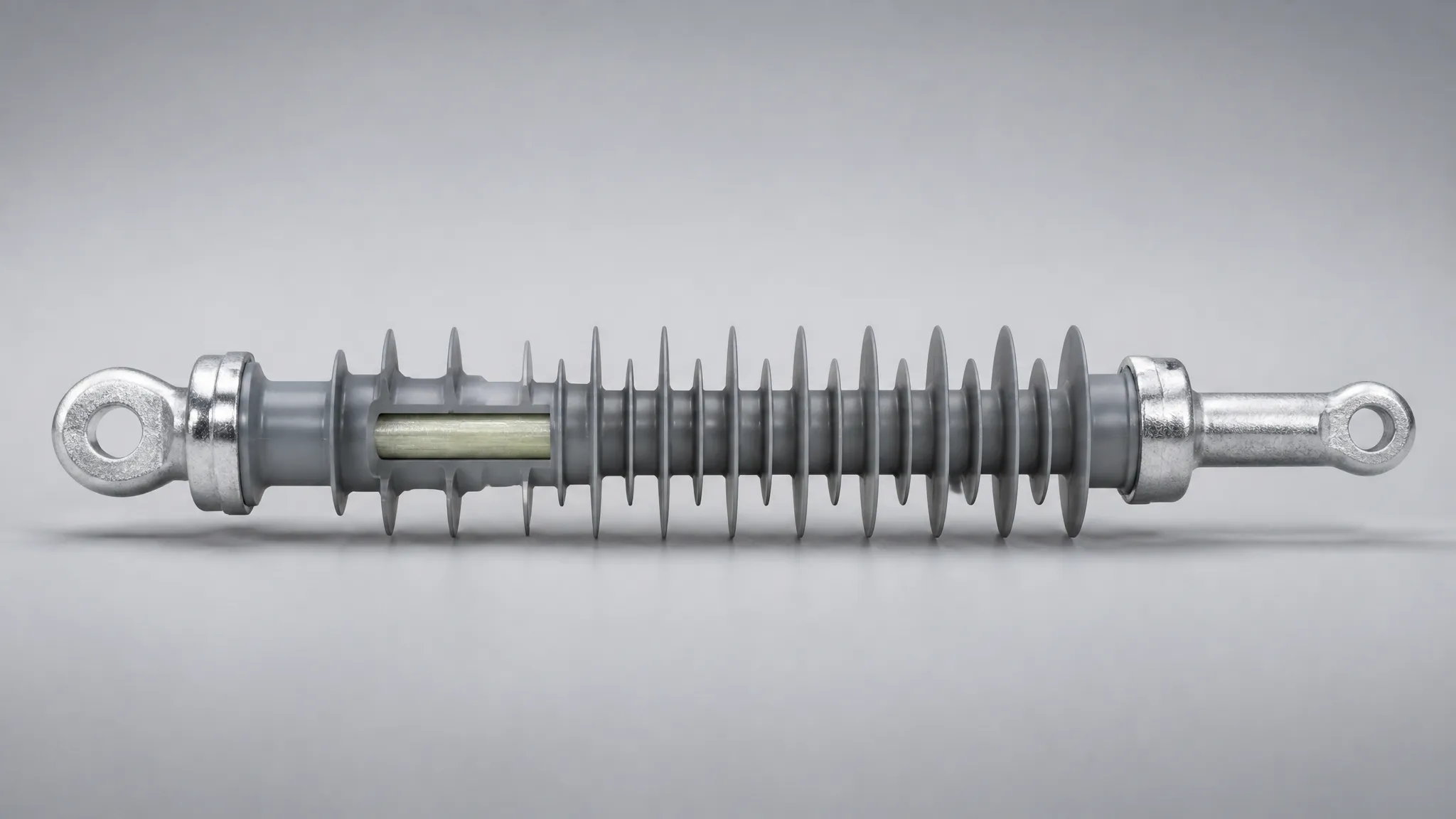
The practical distinction is the load path. Pin units transfer conductor forces through the body and pin into the crossarm. A polymer suspension insulator transfers tension through end fittings and a central insulating core. The selected fittings, conductor hardware and structure must be compatible; a suspension unit is not a drop-in replacement for a pin unit simply because both carry the same nominal system voltage.
What is a line-post or pin-post insulator?
A line-post insulator is a rigid post unit that supports a conductor and resists combined vertical, transverse and, within its design limits, longitudinal loads. It can be mounted vertically or horizontally and is often chosen where a compact profile or improved conductor control is needed. “Pin-post” is used in some markets for a post-style unit with a top conductor interface. The drawing should control the terminology.
Compare the mounting threads, base diameter, cantilever rating, conductor clamp and required phase-to-ground clearance. IEC 60168 type and routine tests address post-insulator performance, but the standard does not decide whether a specific geometry suits a pole-top arrangement. Project specifications should state the mechanical load case and the test report reference.
How do creepage distance and pollution severity affect selection?
Creepage distance is the surface path between energized and earthed metal. Salt, dust, industrial deposits and wetting can make surface leakage more likely, so a higher pollution severity may require a longer creepage profile or a different shed design. The required value depends on system voltage, site severity and the chosen coordination method; it should come from the insulation-coordination study rather than a generic catalogue comparison.
Silicone rubber housings are used in many silicone composite insulators because their surface can recover hydrophobic behavior after contamination, but this is not a substitute for correct creepage and clearance. Inspect shed condition, tracking or erosion, core exposure and end-fitting seals. Record the site environment, washing practice and leakage-current observations so replacement units remain comparable.
How does silicone-rubber aging change polymer-insulator performance?
Weathering, ultraviolet exposure, corona, pollution and mechanical stress can age a polymer housing. Surface chalking, hardening, cuts, tracking or erosion may indicate that closer inspection is needed, but visual appearance alone cannot establish remaining life. The central fiberglass-reinforced polymer core and metal end fittings also require attention because seal damage can allow moisture ingress.
Routine inspection should follow the utility’s maintenance program and the product documentation. IEC 61109 provides a framework for composite suspension and tension-insulator design and testing; it does not guarantee a service life for every climate. Where a 33 kV polymer insulator is proposed, verify the exact rated mechanical load, creepage, end fittings and routine-test record.
Which hardware and end-fitting defects should inspectors find?
Check for loose or misaligned fittings, corrosion, cracked clamps, damaged threads, missing split pins and evidence of conductor movement. End fittings should be secured according to the approved torque and assembly instructions. A dead-end or long-rod unit also needs a clear load path through the tension hardware; an apparently minor misalignment can create bending that the design did not intend.
For a polymer deadend insulator, verify conductor size, wedge or clamp interface, rated tensile load and jumper clearance. For line-post units, inspect the base and bracket for bending or bolt-hole damage. Keep photographs and torque records with the line asset so future replacement does not rely on memory.
How do polymer-insulator types compare in procurement?
| Type | Primary duty | Key checks | Typical risk if misapplied |
|---|---|---|---|
| Polymer pin insulator | Conductor support on a pin or bracket | Pin thread, cantilever load, creepage, conductor clamp | Wrong mount or inadequate transverse strength |
| Polymer line-post insulator | Rigid support with controlled conductor position | Base interface, cantilever and longitudinal load, clearances | Bracket overload or phase-clearance conflict |
| Polymer suspension insulator | Suspension of a span | Tensile rating, end fittings, string length, creepage | Hardware incompatibility or incorrect load path |
| Polymer dead-end insulator | Termination and conductor tension | Tensile load, clamp, jumper geometry, structure strength | Slippage, excessive bending or flashover clearance |
Which application and voltage details should be documented?
| Design input | Why it matters | Evidence to request |
|---|---|---|
| System voltage and insulation level | Sets electrical coordination and clearances | Single-line, BIL/impulse and power-frequency requirements |
| Pollution and altitude | Influences creepage and external insulation | Site survey and insulation-coordination basis |
| Mechanical load case | Determines cantilever or tensile rating | Structure calculation and load schedule |
| Hardware and conductor | Controls fit, torque and electrical continuity | Interface drawing and approved fittings list |
Which standards apply to polymer insulators?
IEC 61109 covers composite suspension and tension insulators for overhead lines, including design and test expectations. IEC 60168 addresses tests on indoor and outdoor post insulators. The IEC Webstore should be used to verify the current edition and scope. IEEE or utility-specific requirements may add mechanical, pollution or routine-test conditions.
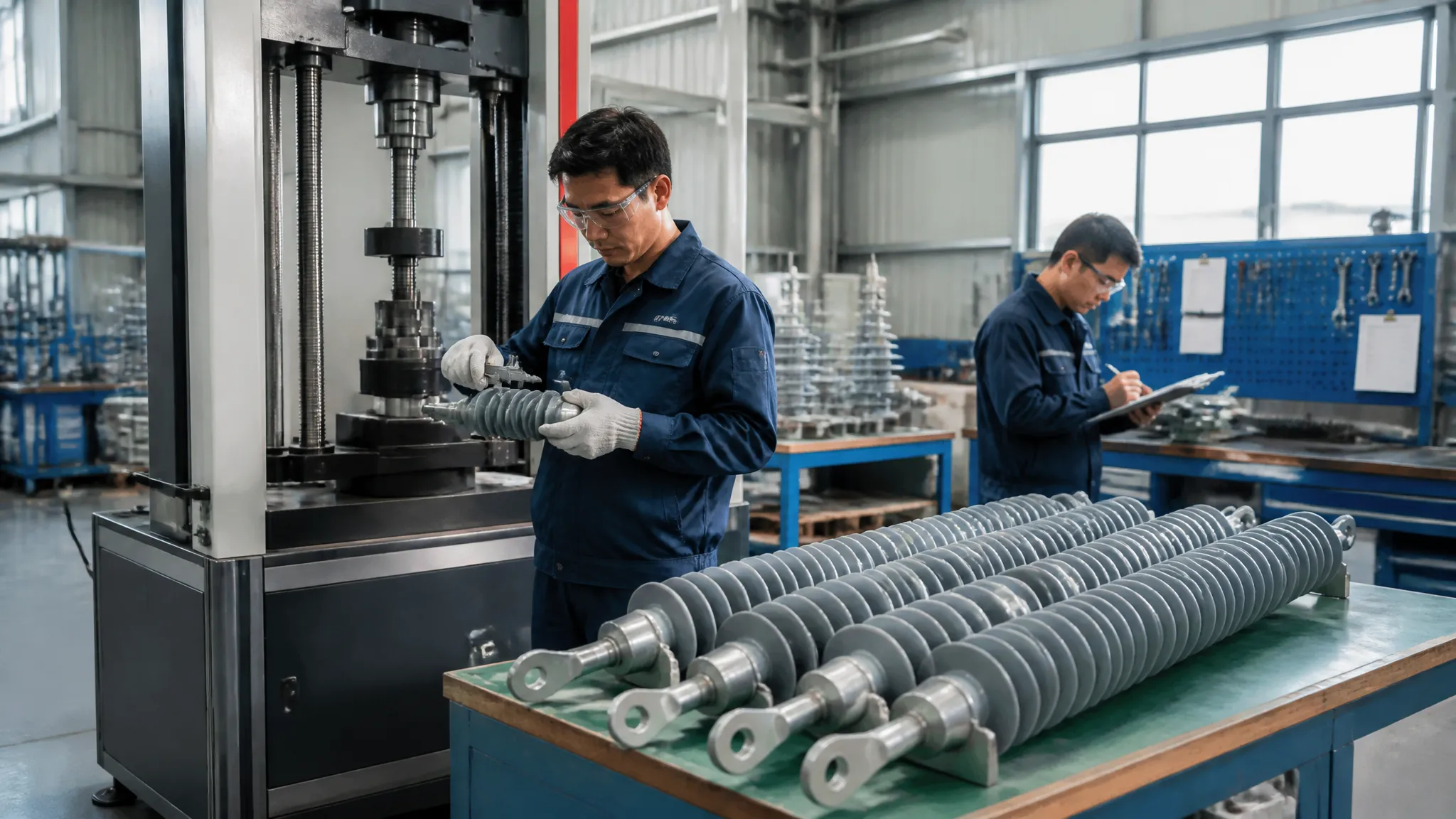
A standard is not a universal approval for every installation. Confirm the destination market, declared rated voltage, mechanical class, interface drawing and routine-test evidence. Unsupported claims about service life, pollution performance or certification can cause retesting and delayed energization.
How should a buyer select a polymer insulator?
- Classify the duty as pin, line-post, suspension or dead-end before comparing catalogue images.
- Record voltage, insulation level, creepage, pollution, altitude and environmental exposure.
- Match mechanical load and end fittings to the structure calculation and conductor hardware.
- Require type, design and routine-test evidence to the named standard, plus dimensional drawings.
- Define inspection, storage, installation torque and replacement records for the asset owner.
Fuerte provides medium-voltage polymer insulators and related equipment for utility and EPC specifications. Review the polymer suspension selection guide and the utility insulation overview, then send the structure and interface requirements through the contact page.
Frequently asked questions
What is the difference between pin-type and suspension-type insulators?
Pin units support a conductor on a pin or bracket; suspension units hang from a structure and transfer load through end fittings. Their mechanical interfaces and load paths differ, even at the same nominal voltage.
What is a line-post insulator?
It is a rigid post unit that supports and positions a conductor while resisting specified vertical, transverse and sometimes longitudinal loads. Verify the base, cantilever rating and clearances for the structure.
What is a pin-post insulator?
The term usually describes a post-style support mounted like a pin unit. Because regional terminology varies, use the approved drawing and stated mechanical and electrical ratings.
What are the common causes of insulator failure?
Typical causes include electrical flashover, pollution, tracking or erosion, mechanical overload, damaged fittings and moisture ingress through failed seals. Inspection and test records help distinguish the mechanism.
Why is creepage distance important for insulators?
It lengthens the surface path for leakage current between energized and earthed parts. Required creepage depends on voltage, pollution severity and coordination assumptions.
How long do polymer insulators last?
There is no single service-life number that applies to every climate, duty and housing design. Use the manufacturer’s tested design, inspection findings and utility condition data to plan replacement.
References
- IEC Webstore, IEC 61109 and IEC 60168.
- International Electrotechnical Commission, insulation standards information.
- IEEE Standards, overhead-line and insulation requirements where specified.
- CIGRE, overhead-line insulation guidance.
Select the insulator by load path, environment and interface, then verify it with the applicable standard and records. That sequence prevents a visually convenient replacement from becoming a structural or insulation problem. Contact Fuerte when the project requires a documented polymer-insulator configuration.
What should a replacement package include?
A replacement package should identify the exact unit, end fittings, conductor clamp, mounting hardware, torque values and storage limits. Include a dimensioned drawing showing the interface and the electrical clearances that were used in the design. Packing labels should preserve the model and batch traceability so a field crew can distinguish a pin unit from a suspension or dead-end unit before installation.
Procurement should also request the inspection and installation instructions in the project language, together with type-test references and routine-test results for the supplied lot. If the line crosses a polluted or coastal area, document the assumed pollution severity and washing or inspection practice. These records make later condition assessments more reliable and prevent an apparently compatible 11kv polymer insulator from being installed outside its intended duty.