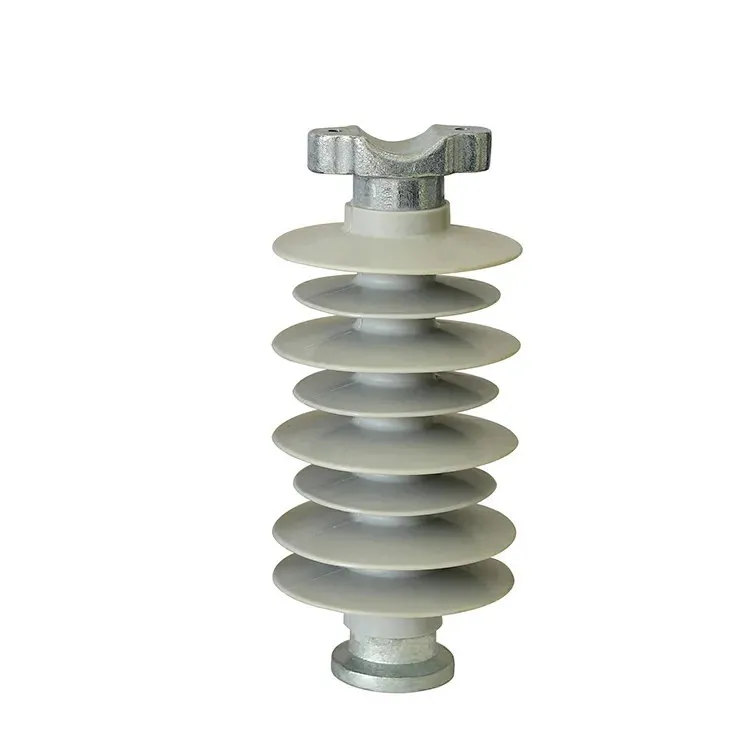
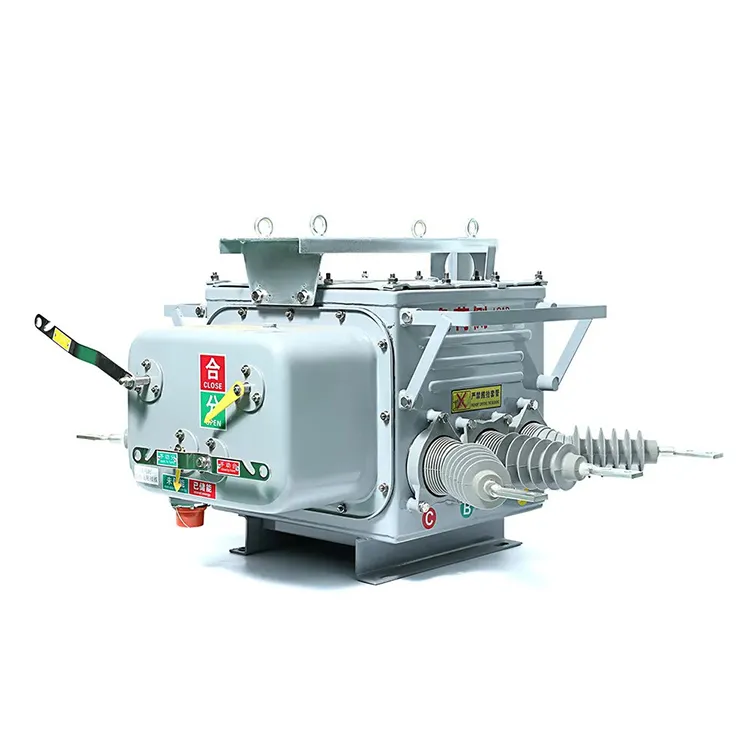
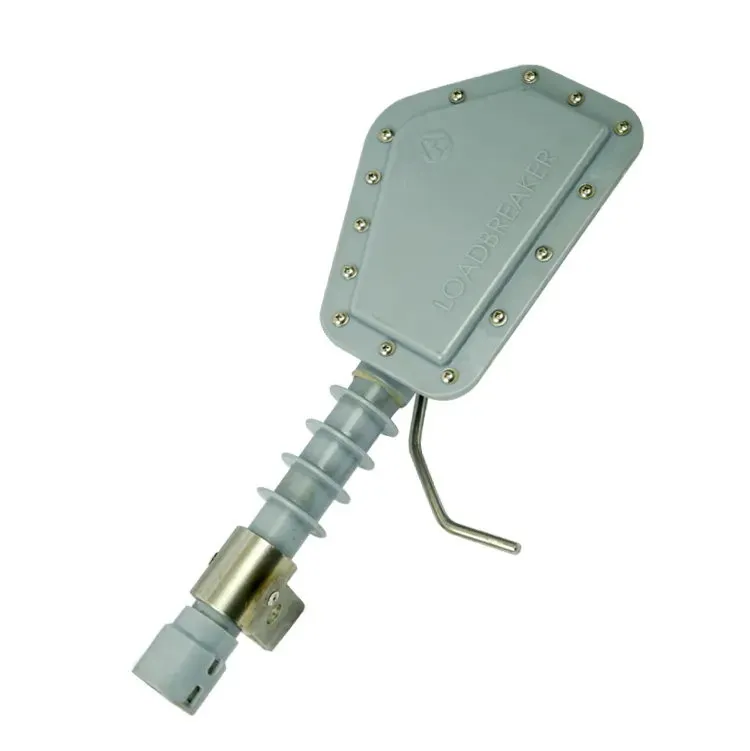


For a global B2B overhead-line review, a polymer suspension insulator should be treated as part of a controlled evidence package. It must be evaluated against the actual line arrangement, not selected from a generic label.
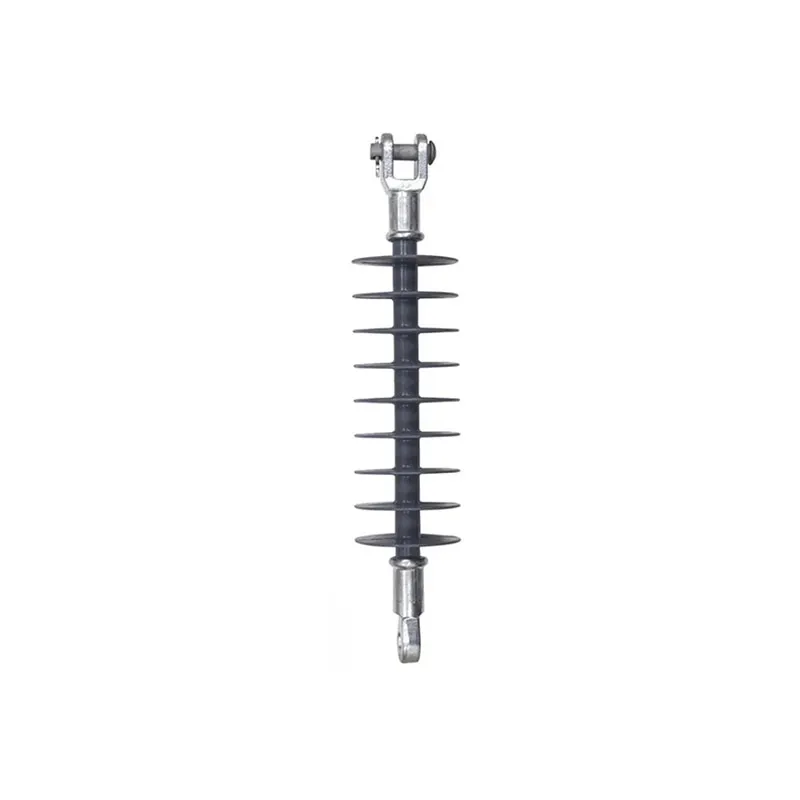
What is the application boundary?
A polymer suspension insulator belongs to a documented overhead-line arrangement. The question is not whether polymer is a broad category, but whether the route, structure, conductor hardware, and approved evidence define a compatible application. This guide stays within the suspension context and does not repeat pin or disc selection, compare materials, or invent ratings.
The polymer insulator range is a first-party navigation page, not a design calculation. The approved route drawing, owner specification, and engineering review remain controlling evidence.
| Review item | Evidence to request | Why it matters |
|---|---|---|
| Line function | Arrangement drawing | Sets the boundary |
| Structure position | Structure detail | Identifies attachment context |
| Conductor path | Hardware schedule | Avoids assumed interfaces |
Which line and structure details change the decision?
Start with the drawing rather than a catalogue image. Record the structure type, attachment location, conductor entry and exit directions, hardware interfaces, and clearances that the owner requires. Different positions in a line arrangement produce different questions, and missing conditions should be recorded rather than guessed.
The published long rod polymer insulator context is a boundary link, not a substitute for this application record.
How should mechanical and hardware interfaces be documented?
Hardware is part of the evidence. Describe attachment points, end fittings, conductor clamps or terminations, mating parts, orientation, and drawing revision. A product page can identify a model, but it may not show every project-specific fitting or installed orientation.
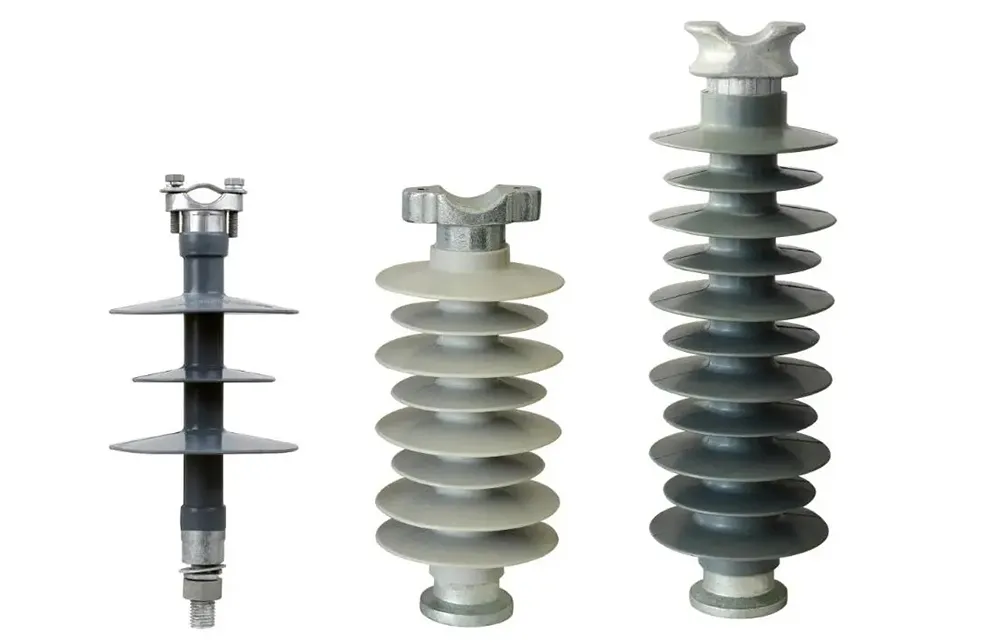
| Interface question | Record before quotation | Do not infer |
|---|---|---|
| Attachment hardware | Drawing and mating part | Fit from appearance |
| Conductor termination | Size and clamp detail | Range from another model |
| Orientation | Line direction and view | Field clearance from photo |
Which environmental and route observations belong in the record?
Environmental discussion must remain evidence-led. Collect route pollution exposure, climate or altitude information when required, access constraints, and inspection expectations. Use applicable standards and owner documents to frame the question; do not copy values or test language from another model.
What should installation and inspection teams verify?
Installation teams need an unambiguous package: current drawing revision, equipment identification, interface notes, approved hardware list, and owner work procedures. Visual checks can identify obvious mismatch or missing hardware, but they do not replace project acceptance criteria.
OSHA electrical resources are public safety context, while owner procedures and competent project personnel govern the work.
How should a supplier product page be used without overclaiming?
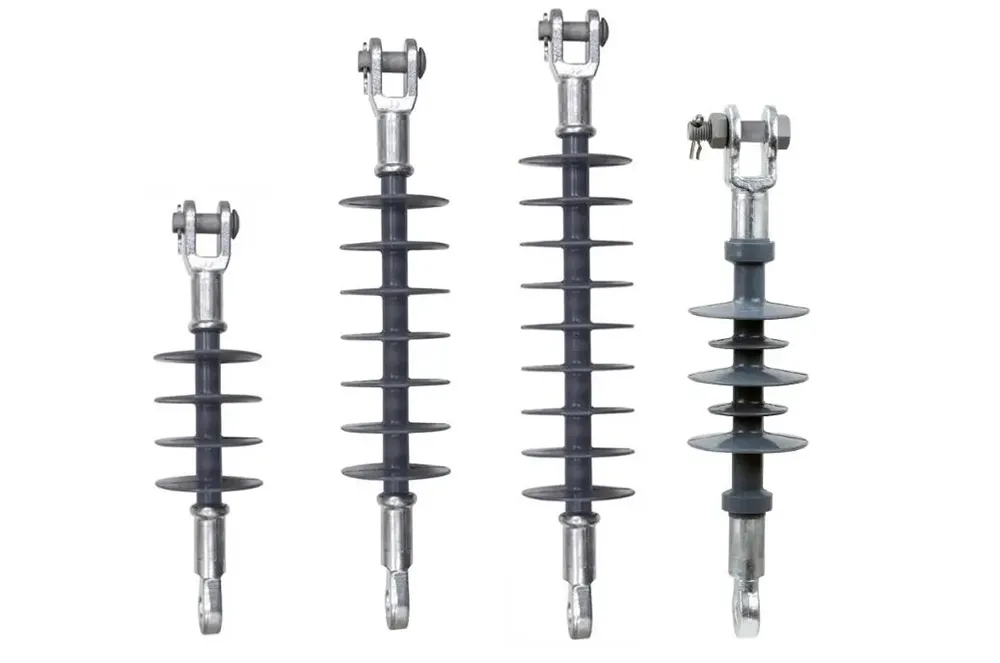
The verified FXB-33 Polymer Insulator page is an exact-model source for catalogue context. It is appropriate to ask whether the published configuration corresponds to stated project inputs. It is not appropriate to convert a product image or title into a universal application approval.
The polymer pin selection context addresses a different mounting logic and cannot fill missing evidence here.
What belongs in the RFQ and product recommendation review?
A clean RFQ attaches the evidence used to define the application. State line configuration, structure drawing, attachment and hardware details, conductor interface, route conditions, applicable requirements, inspection expectations, quantity, delivery scope, and requested documentation. Ask the supplier to identify gaps.
Product recommendation — exact model context only
When documented inputs are compatible with the approved procurement review, FXB-33 Polymer Insulator is a first-party catalogue reference. It is not recommended by default for every suspension case. Confirm the offered model, drawing, fittings, and project evidence before acceptance.
Send the evidence set through request a quote so the supplier can respond to a defined scope.
Fit boundary
Mechanical design, installation authorization, and certification statements remain outside this article. The owner and engineer decide what is suitable. IEC supplies standards context, but the project specification defines applicable requirements. For a related technical topic, see Polymer Line Post Insulators: Installation Context and Design Questions.
The standards baseline has moved forward: IEC 61109:2025 is now the current public reference for composite suspension and tension insulators for overhead lines, while IEC 62217:2025 provides common terminology and test context for polymeric insulation. That update is useful for procurement because it separates the product family from the line-specific design. The standard scope does not, by itself, select creepage distance, mechanical load, fittings or pollution class for a particular route.
For a 2026 utility or EPC enquiry, add the approved line profile, specified mechanical load or SML basis, end-fitting geometry, conductor and hardware interfaces, route pollution or altitude notes, inspection plan and the exact standard edition requested. Current selection discussions also focus on fittings and interface evidence rather than a generic “polymer insulator” label. Ask for drawings, material declarations and test evidence that match the offered configuration, and mark any route-specific value as pending owner approval.
FAQ
What is the practical role of a polymer suspension insulator?
It is an application description, not a universal product approval. Define the structure, conductor path, interfaces, route conditions, and requirements first.
Which installation details should be checked first?
Check the current drawing, attachment, conductor interface, hardware set, orientation, clearances, and owner requirements.
Why must the hardware interface be recorded?
Fittings and attachment details determine whether a candidate can be reviewed against the actual structure; appearance does not prove interchangeability.
What route conditions belong in the review?
Record pollution exposure, climate or altitude inputs when required, access constraints, and inspection expectations.
Can a published product page replace a project design?
No. It identifies catalogue context. The project team must confirm the exact configuration against approved inputs.
What evidence should accompany a quotation request?
Include drawings, line configuration, interfaces, route conditions, requirements, documentation needs, quantity, and delivery scope.
When should the owner or engineer review the application?
Escalate when the drawing, interface, environmental requirement, or approval criterion is incomplete.
What changed for polymer-insulator buyers with IEC 61109:2025?
IEC 61109:2025 is the current public reference for composite suspension and tension insulators for overhead lines. It clarifies the product scope and test context, but it does not choose route-specific creepage, mechanical load, fittings or pollution assumptions. Buyers should state the requested edition and then match the offered drawing and test evidence to the approved line design.
Does a polymer-insulator standard determine the required creepage distance?
No. The standard provides product and test context; the required creepage and related design inputs depend on the owner’s voltage, pollution, altitude, environment and line arrangement. Record those inputs in the design basis and require the supplier to identify the creepage value and evidence for the offered configuration. Do not infer it from a generic product photograph.
Which documents should an EPC request with a suspension-insulator offer?
Request the dimensional drawing, end-fitting and hardware interface, declared mechanical load basis, material and test documentation, applicable standard edition, inspection plan and any deviations. The package should be traceable to the line profile and route conditions. If a value depends on the owner’s study, mark it pending rather than converting a catalogue statement into a project approval.
References
- IEC 61109:2025Official scope for composite suspension and tension insulators for overhead lines.
- IEC 62217:2025Common definitions and test context for polymeric insulators.
- IEA Electricity Grids and Secure Energy TransitionsCurrent grid-investment context; no product-specific performance claim.
- Composite suspension insulator selection guideCurrent SERP topic signal for SML, fittings and line interfaces.
Evidence handoff notes
Before a purchase order is released, keep the application evidence together with the supplier response. The drawing revision should identify the structure and attachment location. The conductor and hardware records should identify the actual mating interfaces. Route observations should be distinguishable from catalogue statements, and the owner should be able to see which unanswered questions remain open.
That handoff also helps prevent an installation issue from becoming a wording issue. If the project needs a different fitting, clearance, environmental condition, or documentation set, the RFQ can be revised before the offer is compared. A controlled revision is more useful than treating a generic product image as proof that a complete assembly will fit.
For global B2B work, record the responsible reviewing party and the source of each project input. Supplier information is one part of the decision record; it does not replace the structure designer, line owner, or applicable approval process. This approach makes it possible to compare offers without converting incomplete inputs into unsupported performance claims.