


Two offers can both say 33kV lightning arrester on the first page and still describe different devices. The voltage label narrows the family, yet it leaves the continuous voltage requirement, the overvoltage conditions, the energy basis, the housing environment, and the installation arrangement undefined. Those items decide whether a quotation can be compared at all.
This guide lists the system items a buyer should confirm and state in the RFQ beyond the voltage label. It does not calculate ratings, select transformer-side arresters, or promise any protection outcome; those results belong to the owner’s engineering documents.
Part 1. Why the 33kV label alone does not finish selection
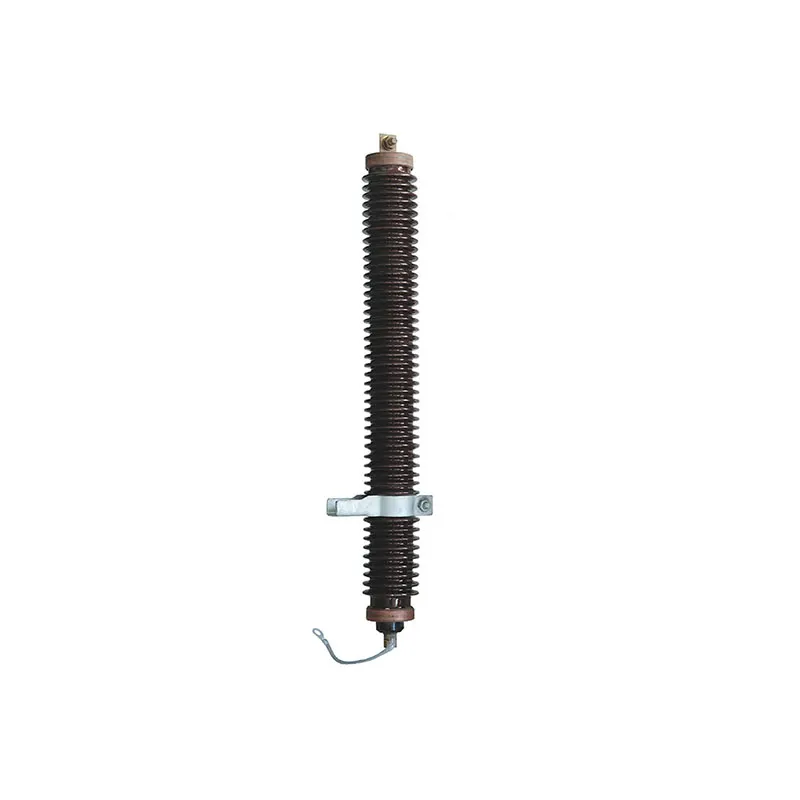
“33kV” names a system voltage class, not a complete device definition. Within one class, offers can differ in continuous operating voltage, rated voltage, energy capability, housing creepage, and mechanical arrangement. A comparison based on the label alone hides those differences until installation or service.
Selection standards treat the arrester as part of a system review rather than a catalog pick. Guidance documents such as IEC 60099-5 describe selection as a sequence of system questions, which is exactly what an RFQ should reproduce in plain form.
Start from the FUERTE lightning arrester family to orient the product scope, then treat everything after the label as project data that the RFQ must carry. The rest of this guide walks through those data items one group at a time.
Part 2. State the system earthing method first
Earthing method is the first system fact to record because it shapes the voltage an arrester sees during earth faults. A solidly earthed system, an impedance-earthed system, and an isolated-neutral arrangement expose the healthy phases to different temporary voltage behavior. The same 33kV label therefore leads to different review paths.
Write the earthing description as the owner’s engineering documents state it. If the network operator has not confirmed the method for the connection point, mark it as pending confirmation instead of guessing from a nearby project.
| Earthing item to state | What to provide | Who owns the value |
|---|---|---|
| Neutral treatment | Solidly earthed, impedance earthed, or isolated, as documented | Network operator or owner engineer |
| Fault clearing context | Whether earth faults are cleared quickly or sustained, as documented | Protection design owner |
| Connection point | Feeder, bus, or equipment terminal identification | Owner single-line diagram |
| Pending items | Any earthing fact awaiting confirmation | RFQ issuer, flagged clearly |
A quotation prepared without the earthing method usually carries silent assumptions. Naming the method in the RFQ removes the most common source of mismatch between offers.
Part 3. MCOV and TOV inputs the RFQ should record
Maximum continuous operating voltage describes what the arrester must withstand across its terminals continuously. Temporary overvoltage describes elevated power-frequency voltage for limited durations, for example during earth faults. Both are review inputs that come from the owner’s system data, not from the 33kV label.
An RFQ does not need to calculate these values to be useful. It needs to state the system maximum voltage, the earthing method from Part 2, and any documented temporary overvoltage conditions with their durations, then let each supplier confirm what documentation supports their offered rating.
Keep the source visible for every number. A value copied from an old tender or from another site invites a mismatched offer, and reviewers cannot trace it later. Where a transformer terminal is the protected point, the separate guide on transformer surge arrester coordination questions frames that interface without repeating this RFQ scope.
Part 4. Energy duty questions that need system context
Energy capability distinguishes devices that carry the same voltage class. The duty an arrester absorbs depends on line length and type, switching practice, lightning exposure, and the events the owner expects it to survive. None of that is visible in the label.
State the basis rather than a guessed class. Useful RFQ entries include the feeder type, cable or overhead context, documented switching conditions, and the standard edition the owner requires for classification. Suppliers can then map their documentation to the stated basis instead of quoting to an assumption.
Transformer-side energy questions stay in their own workflow. The published guide on metal-oxide surge arrester selection for distribution transformers covers that scope; this page links to it rather than rewriting it for the 33kV class.
Part 5. Creepage distance and pollution severity inputs
Housing creepage requirements follow the site environment. Coastal salt, industrial dust, agricultural burning, and desert conditions each change how much surface distance and what housing behavior the owner specifies. Two sites at the same voltage class can therefore justify different housings.
Record the pollution severity classification the owner uses, together with the site description that supports it. If no classification exists yet, describe the environment factually — distance to the coast, nearby industry, cleaning practice — and mark the class as a pending owner decision.
Resist copying a creepage figure from a catalog into the RFQ as a requirement. The number belongs to the owner specification; the supplier’s documentation then shows whether a specific SKU meets it.
Part 6. Installation items that belong in the same RFQ
Physical arrangement decides whether an accepted offer can actually be installed. Mounting interface, bracket type, conductor entry direction, line and earth lead routing, clearances to nearby structures, and access for inspection all vary between poles, structures, and bays at the same voltage class.
| Installation item | RFQ evidence to attach |
|---|---|
| Mounting arrangement | Structure or pole drawing with the intended fixing interface |
| Line and earth lead routing | Marked sketch or installation drawing |
| Clearances | Layout extract showing nearby equipment and structures |
| Access and inspection | Note on working position and any monitoring devices |
| Site conditions | Altitude and climate data as documented by the owner |
Placement questions inside a station have their own review path, described in the guide on lightning arrester protection scope for substations. For a 33kV feeder RFQ, the goal is narrower: attach the drawings that let a supplier check the physical interface before quoting.
Part 7. Package the 33kV RFQ and use product context carefully
Assemble one document set: system identification, earthing method, voltage inputs with sources, energy basis, environment and pollution data, installation drawings, applicable standard edition, requested documentation, quantity, and delivery scope. State which values are confirmed and which await owner decisions. Every supplier then quotes against the same evidence.
| RFQ section | Content | Status flag |
|---|---|---|
| System | Voltage class, connection point, earthing method | Confirmed or pending |
| Electrical inputs | Continuous voltage requirement, temporary overvoltage conditions | Owner-sourced |
| Energy basis | Feeder context, switching conditions, standard edition | Owner-sourced |
| Environment | Pollution severity, altitude, climate | Confirmed or pending |
| Installation | Drawings, mounting, lead routing, clearances | Attached |
| Commercial | Quantity, delivery, documentation requests | Confirmed |
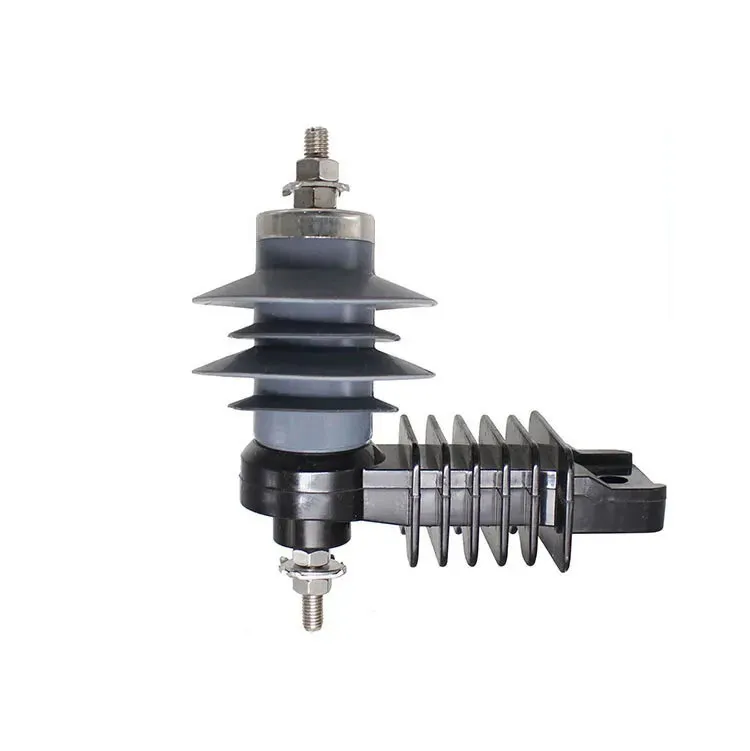
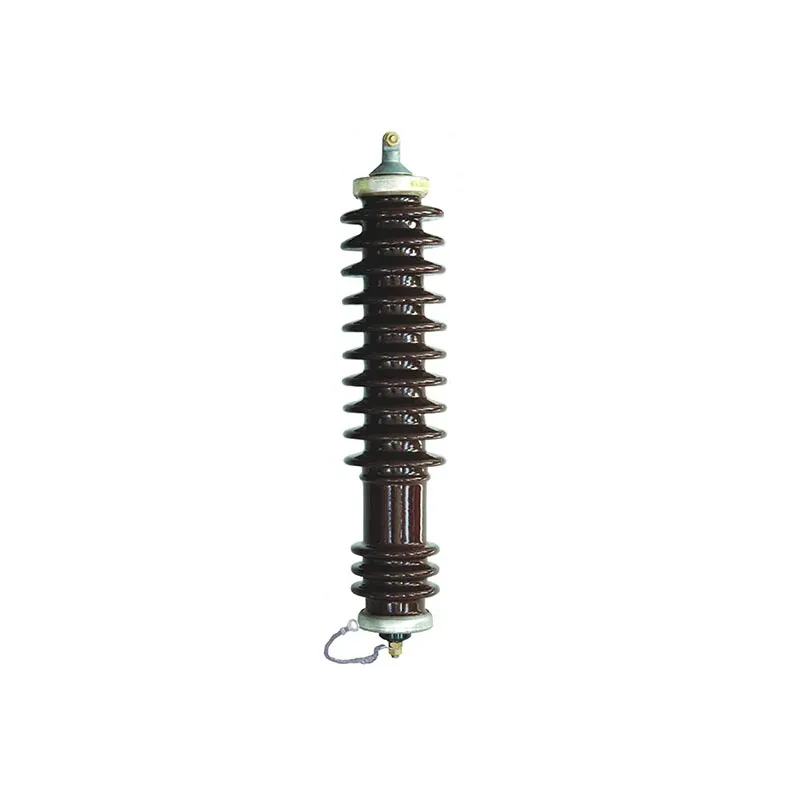
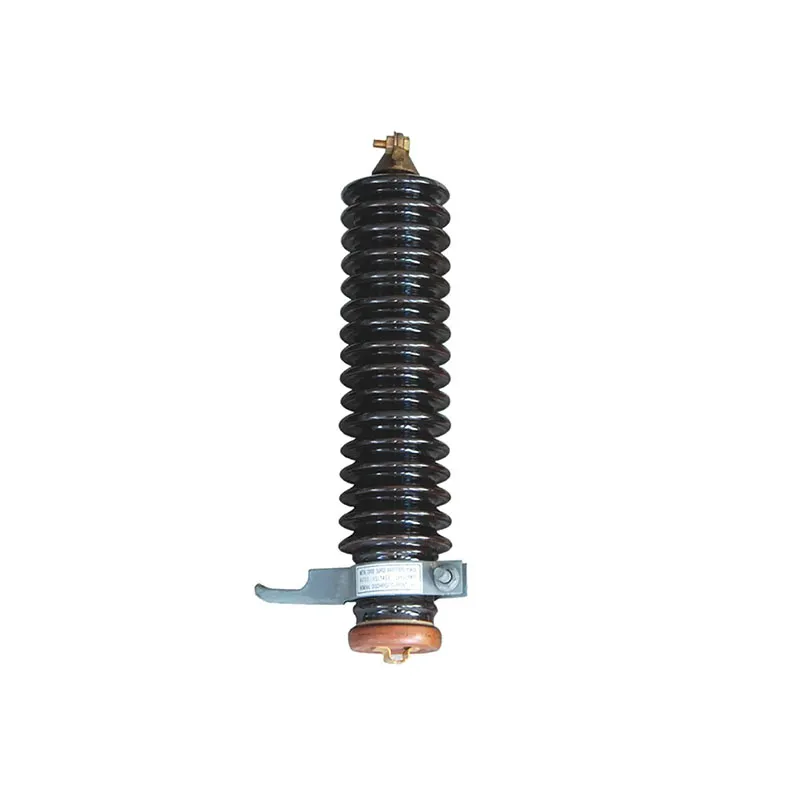
For product context at this voltage class, the Y5(10)W-33 surge arrester product context page presents a polymer-housed ZnO design as a discussion entry point. It is not a universal recommendation, and this article states no SKU ratings; ask for the exact SKU documentation and review it against the RFQ evidence above.
To move a specific 33kV requirement into a quotation discussion, contact FUERTE with the document set. A useful supplier response identifies assumptions, documents reviewed, and items still needing owner confirmation.
FAQ
What should be confirmed before buying a 33kV lightning arrester?
Confirm the system earthing method, continuous operating voltage requirement, temporary overvoltage conditions, energy duty basis, pollution severity, and the installation arrangement. Each value should come from owner documents and be stated in the RFQ.
Does the 33kV system label define the arrester rating by itself?
No. The label names the voltage class only. Continuous voltage, rated voltage, energy capability, and creepage all require system data that the label does not carry.
Why does the system earthing method matter for arrester selection?
The earthing method changes how the healthy phases behave during earth faults, which changes the temporary voltage conditions the arrester must be reviewed against. Different methods lead to different review paths at the same voltage class.
What are MCOV and TOV inputs used for in an RFQ review?
They describe the continuous voltage the device must withstand and the documented temporary overvoltage conditions with durations. Suppliers map their documentation to these owner-supplied inputs when confirming an offer.
How is creepage distance decided for a polluted site?
The owner’s pollution severity classification and site description set the requirement. This article states no figures; the supplier’s SKU documentation shows whether a device meets the stated class.
Which installation details belong in a 33kV arrester RFQ?
Attach the mounting arrangement, line and earth lead routing, clearances, access notes, and documented site conditions. These drawings let suppliers check the physical interface before quoting.
Can this article size energy duty for a specific 33kV feeder?
No. Energy duty follows from feeder type, switching practice, exposure, and the owner’s specified standard edition. The article shows what to state so suppliers can respond with documentation.
References
- Selection and application standards context: IEC 60099-5 publication page
- Metal-oxide arrester standards context: IEC 60099-4 publication page
- General device background: Wikipedia overview of surge arresters