

Quick Answer: An 11 kV polymer pin insulator is a composite support-and-insulation assembly for medium-voltage overhead conductors. The correct selection depends on system insulation coordination, mechanical loads, pollution and climate, and the conductor and hardware interface—not nominal voltage alone. IEC 61109:2025 and IEC 62217:2025 provide relevant composite/polymeric-insulator requirements, while IEC TS 60815-1:2025 and IEC TS 60815-3:2025 help structure pollution-selection work. Before ordering, verify the project utility specification, drawings, declared test evidence, material traceability and acceptance criteria for the actual installation. For a related technical topic, see What Is a 33 KV Polymer Pin Insulator?.
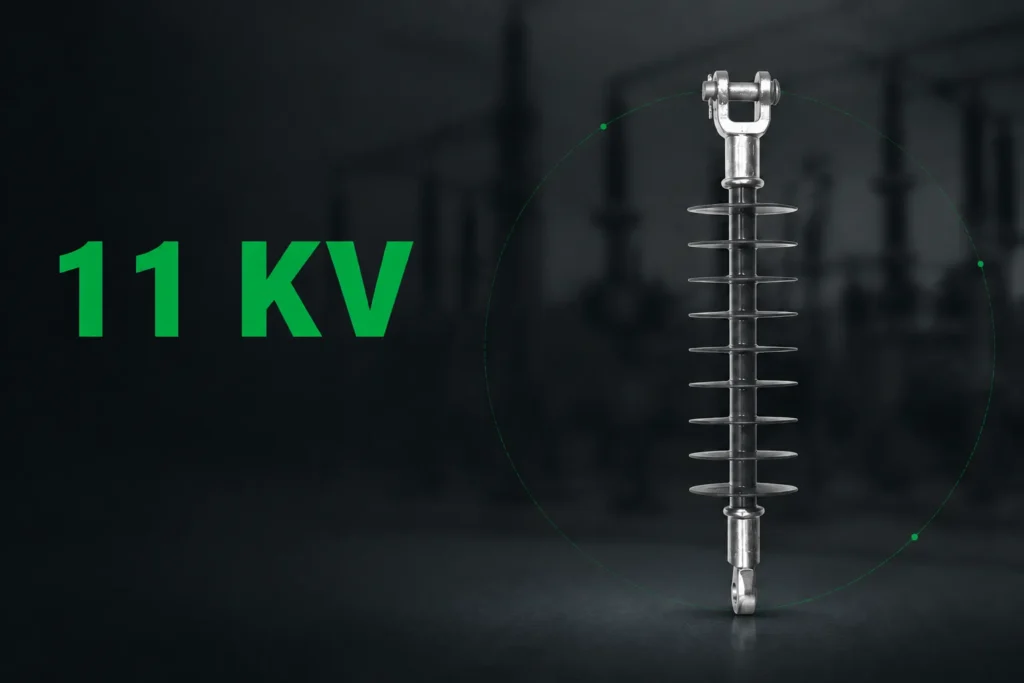
What does an 11 kV polymer pin insulator do?
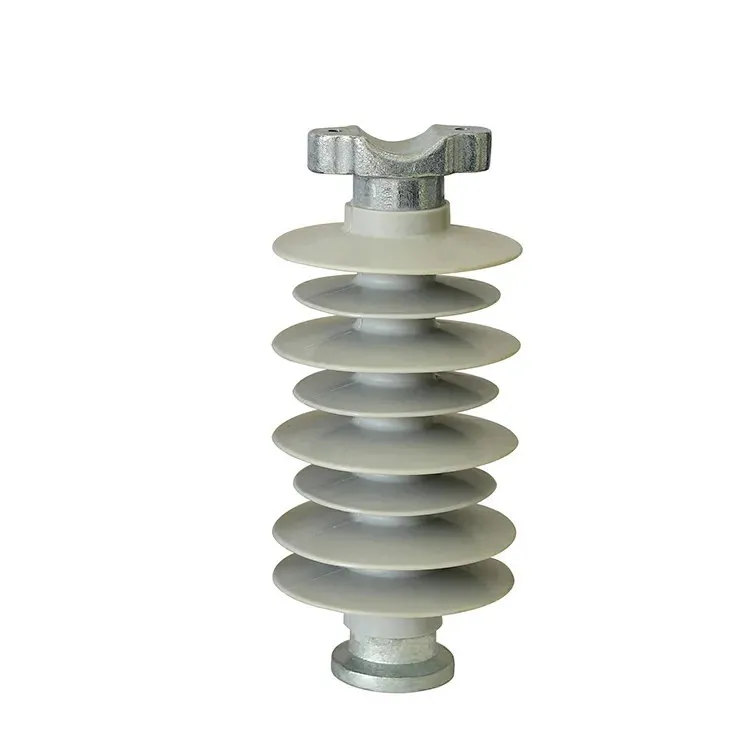
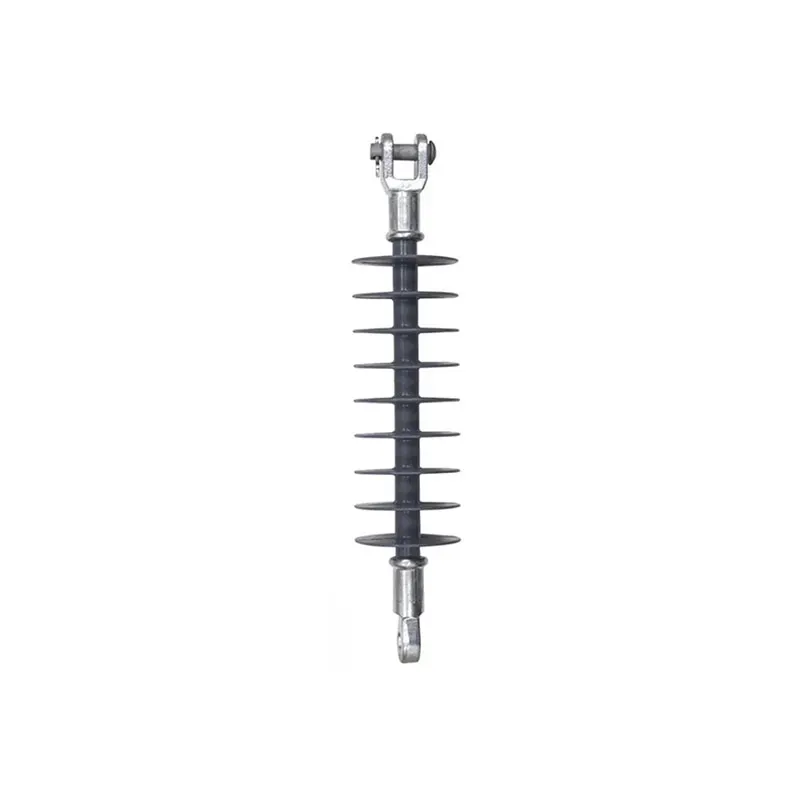
An 11 kV pin insulator supports a conductor at a defined point on an overhead distribution structure while providing the required insulation distance to the pole, cross-arm and connected hardware. A composite design normally combines an insulating polymer housing with a load-bearing core and metal end or mounting interfaces. The exact construction, sheds, groove and fittings are product-specific; buyers should use the manufacturer’s drawing rather than assume that two visually similar units are interchangeable.
The phrase 11 kV polymer pin insulator therefore describes an application and insulation class, not a universal rating sheet. A project may require additional electrical withstand values, a specified creepage distance, a defined cantilever load, or a particular thread and conductor-groove geometry. Those values must come from the coordinated design and the offered model’s controlled documentation.
What to check before ordering an 11 kV pin insulator
The most reliable way to review polymer pin insulator specifications is to separate inputs that are often mixed together in supplier brochures. The table below is a decision aid; it does not replace the utility’s project specification or the insulation-coordination study.
| Input group | Questions to resolve | Evidence to request | Why it changes the decision |
|---|---|---|---|
| Electrical | What is the system voltage and grounding arrangement? What power-frequency, lightning-impulse and insulation-coordination values apply? | Single-line/design basis, insulation-coordination notes, declared test reports and guaranteed clearances. | Nominal 11 kV does not by itself define withstand requirements or phase-to-earth/phase-to-phase clearances. |
| Mechanical | What cantilever, conductor tension, wind, ice and installation loads reach the pin and its fitting? | Structure calculations, load cases, interface drawing and a stated mechanical acceptance value. | A unit can meet an electrical need while being unsuitable for the actual cross-arm or conductor load case. |
| Environmental | What pollution, salt, industrial dust, UV, altitude, moisture, temperature and biological exposure are expected? | Site survey, pollution-selection rationale, climate data and maintenance assumptions. | Housing profile and creepage selection should reflect the site; “high-pollution” is not a universal product claim. |
| Interface | Which conductor groove, pin thread, washers, clamps, cross-arm, phase spacing and access clearances are required? | Approved general arrangement, dimensional drawing, hardware schedule and sample-fit or first-article record. | Interface errors create installation rework and can invalidate clearances even when the insulator body is acceptable. |
Pin or disc: which support fits the line?
The useful comparison is configuration and duty, not a claim that one material always outperforms another. A pin insulator is mounted at a fixed support point; a disc arrangement uses one or more units in a suspension or strain string. System voltage, span loads, line geometry and the utility’s standard determine which arrangement is appropriate. The article pin insulator vs disc insulator question should be answered with the project’s load and clearance data, not with a generic “higher voltage” rule.
| Decision dimension | Polymer pin configuration | Disc suspension or strain configuration |
|---|---|---|
| Primary geometry | One supported conductor position on a pin or equivalent fitting. | String of disc units carrying a suspended or strained conductor. |
| Typical design question | Does the body, groove, pin and cross-arm meet the specified electrical and cantilever duties? | How many units, what string hardware and what swing, tension and clearance envelope are required? |
| Maintenance focus | Inspect housing, sheds, groove, fitting, seal and attachment for damage or contamination. | Inspect each unit, hardware, grading/control components where used, and string clearances. |
| Interchangeability | Only where dimensions, loads, electrical values and hardware are documented as equivalent. | Only where string length, mechanical rating, coupling and electrical coordination are approved. |
| Cost and logistics | Can simplify a compact support arrangement, but installed cost still depends on fittings and access. | Unit count and hardware affect assembly, storage and inspection; no universal cost advantage should be assumed. |
How site pollution changes the specification
Polymeric housings can offer low mass and a hydrophobic surface profile, but those characteristics do not remove the need for site-specific coordination. Pollution layers, wetting, salt, industrial deposits, UV exposure, temperature cycling and handling damage can all affect service performance. The selection record should state the assumed pollution severity, the method used to choose creepage and the inspection or washing practice expected by the utility.
IEC TS 60815-1:2025 gives general principles for selecting and dimensioning high-voltage insulators for polluted conditions, while IEC TS 60815-3:2025 addresses composite insulators. These documents are selection context, not a blanket declaration that every polymer pin product is suitable for every coastal, industrial or desert site. A utility specification remains jurisdiction- and project-specific; where its requirements differ from a general catalogue, the project document controls.
Which standards and test documents should you request?
IEC 61109:2025 covers composite insulators for a.c. overhead lines above 1,000 V, including definitions, test methods and acceptance criteria. IEC 62217:2025 sets common requirements and test methods for polymeric high-voltage insulators. A purchaser should identify the edition cited in the contract and ask which tests were performed on the offered design, under what configuration and with what report scope.
Conformance to a standard is not, by itself, proof that one specific Fuerte model is certified, approved by a particular utility or suitable for a named pollution class. The purchase file should connect the offered model and revision to its drawings, routine tests, design or type-test evidence, inspection plan and any required third-party witness. Marketing language that omits this chain can create acceptance delays, retesting costs or an unresolved warranty position.
What to put in the RFQ and delivery inspection
An evidence-led request for quotation should ask the supplier to return a marked compliance schedule, not only a price. Include these items:
- Drawings: controlled dimensional drawing showing groove, sheds, mounting thread, overall height, creepage and required clearances.
- Test reports: applicable design/type, sample and routine-test evidence, with standard edition, specimen description, laboratory and result traceability.
- Material and interface traceability: declared housing/core materials, metal fittings, galvanizing or finish information where specified, and compatibility with the nominated conductor and hardware.
- Lot identification: marking or packaging method that links each shipment to production lot, inspection release and certificate of conformity.
- Change control: written notification and approval route for changes to compound, core, tooling, fitting, process, test laboratory or critical subcontractor.
- Acceptance plan: sampling level, visual and dimensional checks, electrical/mechanical tests, nonconformance disposition and documentation required at delivery.
How to compare supplier quotations
First, reject offers that leave a required input blank; a lower unit price cannot compensate for missing interface or test evidence. Next, compare the same revision of each drawing and map every declared value to the project schedule. Finally, evaluate installed and lifecycle effort—handling, fittings, inspection access, contamination management, spares and change-control burden—rather than treating the body price as total cost.
Fuerte can be considered at this stage as a source of configurable polymer-insulator products and supporting documentation, subject to the buyer’s technical approval process. A request should identify the line voltage, load cases, environment, conductor hardware and required evidence. Buyers needing adjacent configurations can also review the 11kV polymer insulator specifications available through the product catalogue, then confirm the exact model and revision with engineering documentation. A long-rod arrangement is a different configuration; its selection should be assessed separately rather than substituted by name (see the long-rod polymer insulator guide).
Frequently Asked Questions
What are the key features of 11 KV composite polymer pin insulators?
They combine a polymer housing and a load-bearing core with a defined conductor groove and mounting interface. The useful features are the documented electrical, mechanical, environmental and dimensional values for the offered design—not a generic promise of “high performance.” Request the controlled drawing and applicable test evidence before approval.
Are polymer pin insulators prone to degradation?
All outdoor insulation systems require consideration of UV, moisture, pollution, temperature cycling, surface damage and ageing mechanisms. A polymer design may be engineered and tested for these stresses, but degradation resistance depends on compound, geometry, manufacturing controls and site exposure. Confirm the supplier’s ageing evidence, inspection guidance and change-control commitments rather than assuming an unlimited life.
How do polymer insulators improve system reliability?
They can reduce handling loads and provide a shaped, weather-exposed insulating surface, but reliability comes from the complete design: correct clearances, mechanical loading, fittings, pollution selection, installation and inspection. No insulator material alone guarantees fewer outages. Track failures and maintenance findings against the approved design and environment.
Can polymer pin insulators be used in high-pollution areas?
They may be suitable when the housing, creepage and clearances are selected for the site and the utility accepts the design. “High pollution” is not a universal rating; IEC TS 60815-1:2025 and IEC TS 60815-3:2025 provide a framework for the selection exercise. Obtain a site-specific pollution assessment and define washing or inspection duties where applicable.
What is the service life of a polymer pin insulator?
There is no responsible single service-life number for every climate and duty. Life depends on material formulation, electric and mechanical stress, pollution, UV, moisture, manufacturing quality, handling and maintenance. Use the supplier’s stated design basis and ageing evidence, and make replacement criteria and lot traceability part of the asset-management plan.
References
- IEC 61109:2025, composite insulators for a.c. overhead lines above 1,000 V.
- IEC 62217:2025, common requirements and test methods for polymeric high-voltage insulators.
- IEC TS 60815-1:2025, general principles for insulator selection and dimensioning in polluted conditions.
- IEC TS 60815-3:2025, selection and dimensioning guidance for composite insulators in polluted conditions.
Conclusion
An 11 kV polymer pin insulator should be selected as part of a coordinated line design, not as a voltage label on a catalogue page. Confirm electrical withstand and clearances first, then check cantilever and conductor loads, site pollution and climate, and finally the groove, pin, hardware and traceability interfaces. Keep IEC 61109:2025, IEC 62217:2025 and the relevant IEC TS 60815 guidance in the evidence file, while treating the utility specification as project-specific. The approval decision is strongest when drawings, test reports, lot identification and change control all describe the same revision. Fuerte can support that documentation-led review with configured polymer-insulator options; buyers can contact Fuerte with their project inputs and acceptance requirements.