
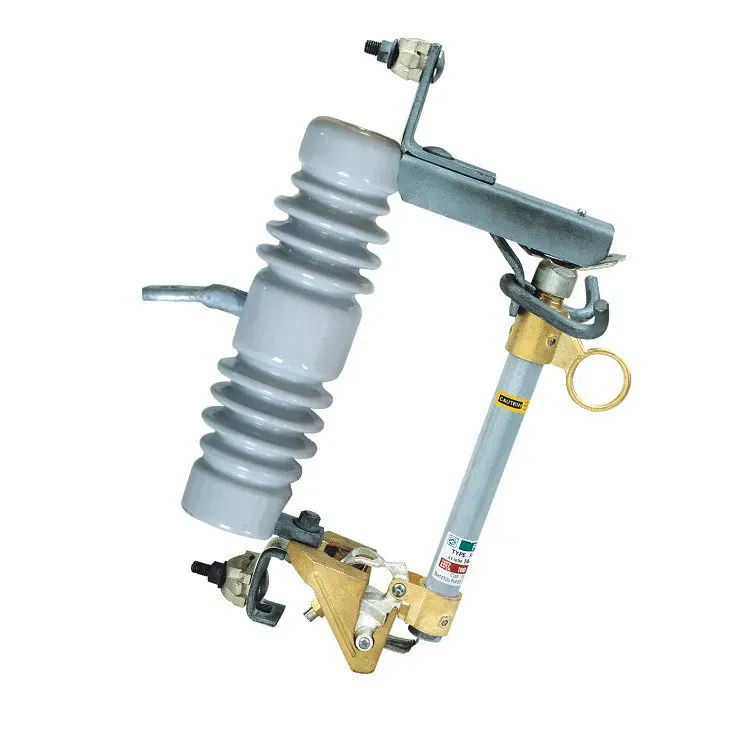
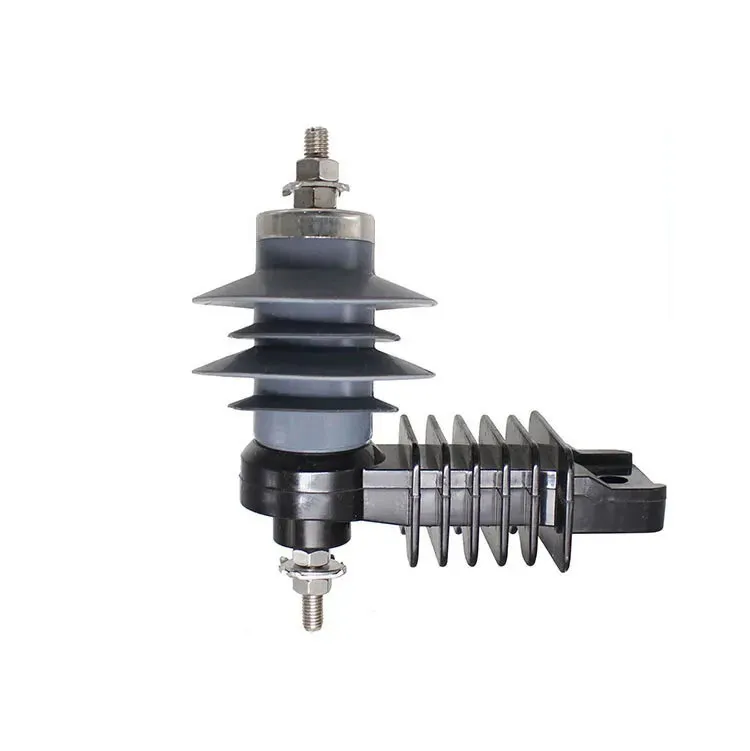
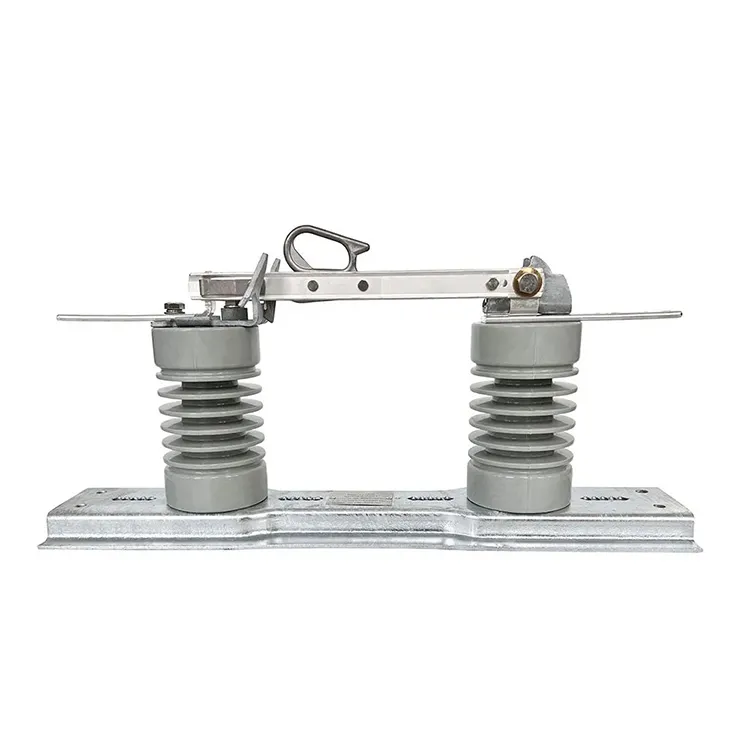
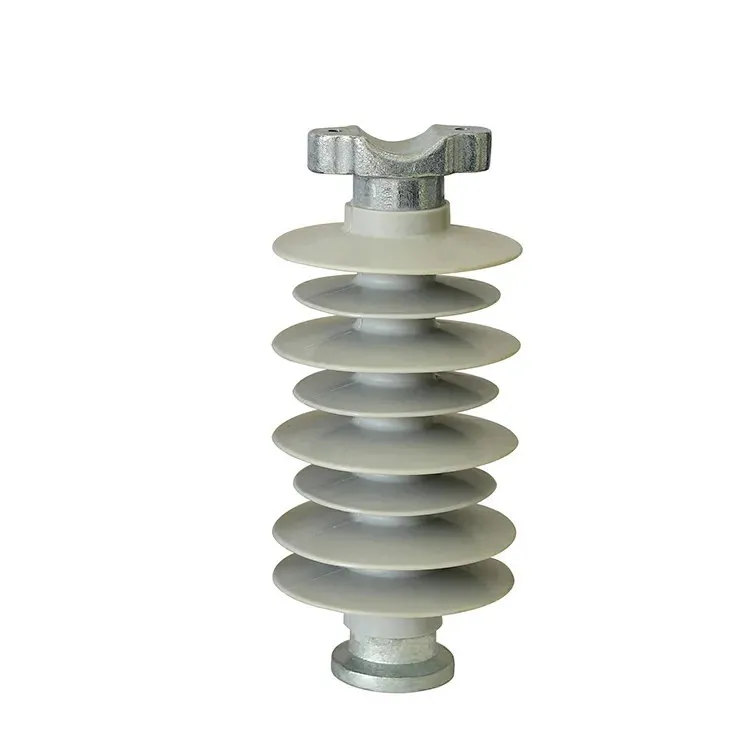
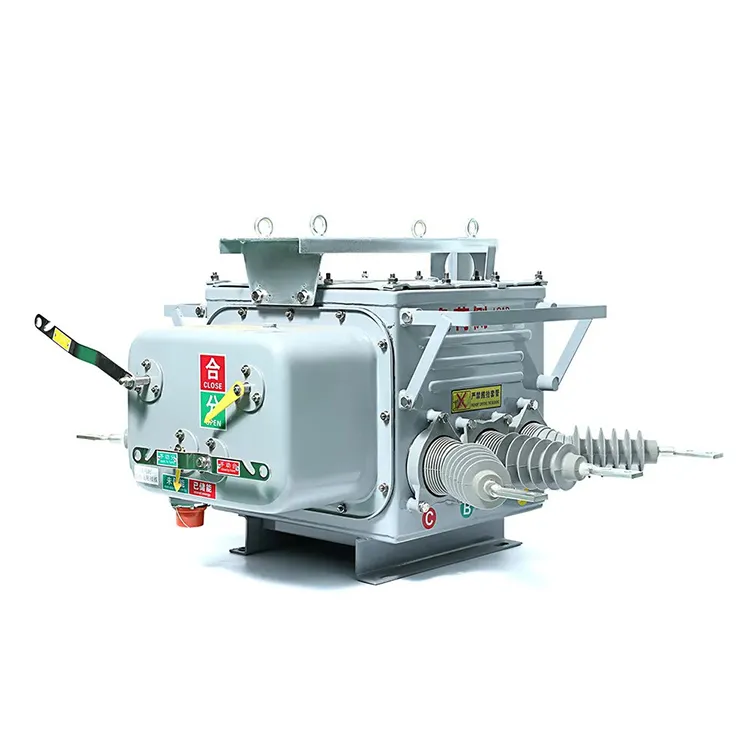
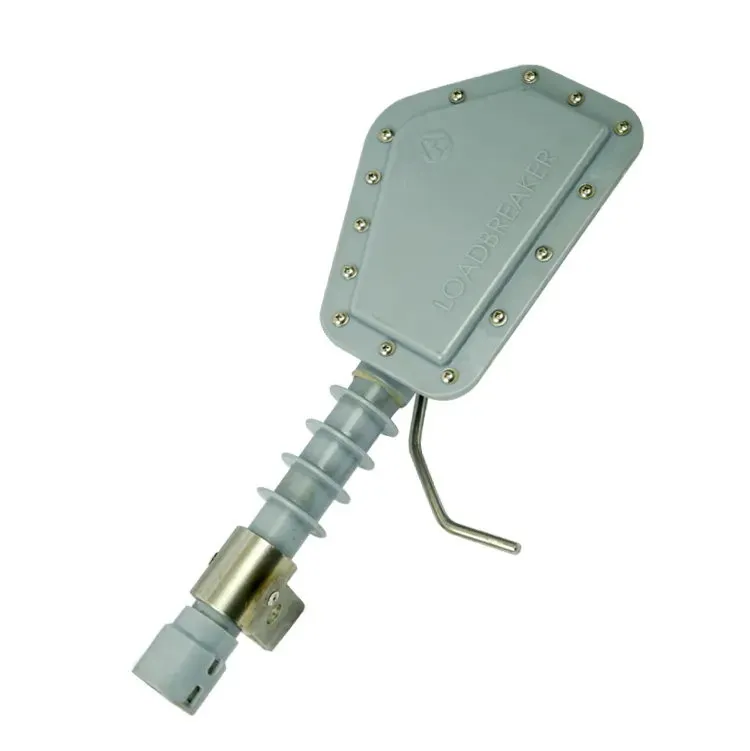


When an electrical procurement team compares a quotation labelled “surge arrester” with one labelled “lightning arrester,” the names can make two equivalent applications look like different products. The practical question is not which noun is better; it is whether the proposed device matches the system voltage, duty, installation point, earthing arrangement and governing standard.
Summary: In electrical-industry usage, “surge arrester” and “lightning arrester” often describe overlapping metal-oxide arrester products; they are not a reliable binary in which one handles internal surges and the other handles direct strikes. IEC 60099-4:2014 covers metal-oxide surge arresters without gaps for AC power circuits with Us above 1 kV, while IEC 61643-11:2025 covers low-voltage surge protective devices connected to AC systems up to 1,000 V RMS (50/60 Hz preferred). Specify the protection layer by voltage class, lightning/switching/TOV duty, installation point, earthing and standard, then confirm coordination with the external lightning-protection system. For a related technical topic, see Differences Between Surge Protectors and Lightning Arrestors.
Why the two names are easy to confuse
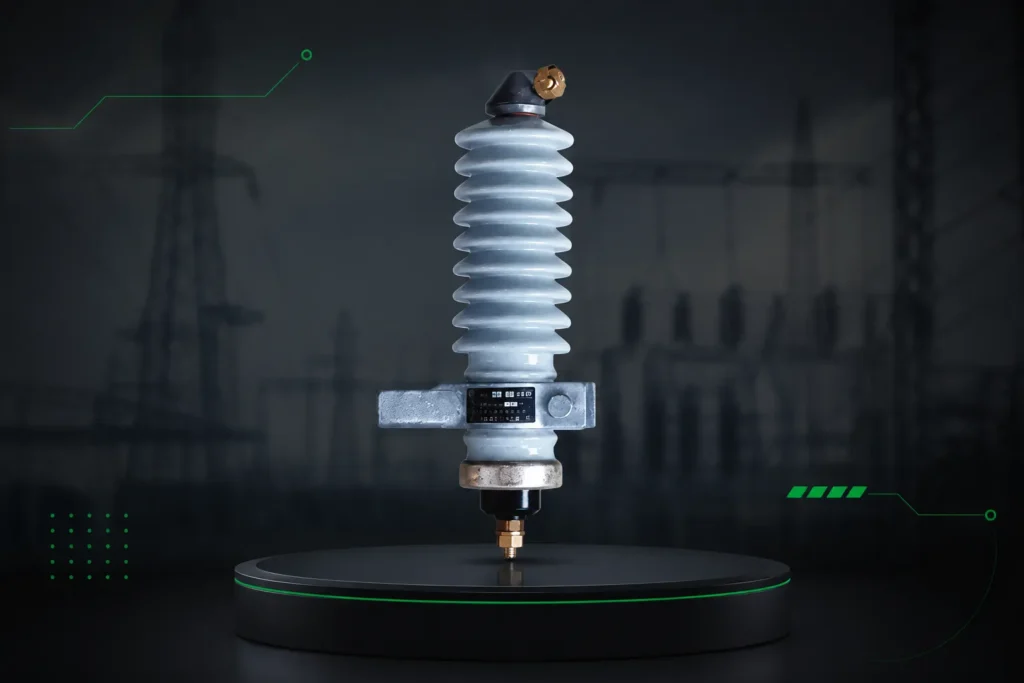
“Lightning arrester” is an established utility and power-system term for an arrester connected in parallel with equipment or a line. “Surge arrester” is broader language for a device that diverts surge current and limits the voltage across the protected equipment. In many catalogues the terms refer to the same family of metal-oxide arresters, so the label alone cannot tell a buyer whether the unit is intended for a service entrance, a distribution transformer, a substation bus or another point.
The source of the transient is also not a dependable naming rule. Lightning can couple into a system indirectly or arrive through a line, while switching operations and temporary overvoltages create different stresses. Eaton’s technical overview describes an arrester as a parallel device that diverts surge current and limits voltage; it does not absorb or stop lightning. That distinction is more useful than treating “lightning” and “surge” as two mutually exclusive product categories.
Terminology comparison: a practical, non-binary view
| Term used in a quotation | Usual context | What the buyer must verify | Strict product boundary? |
|---|---|---|---|
| Surge arrester | Medium- and high-voltage power networks; also used generically for surge-limiting devices | System voltage, continuous operating voltage, rated voltage, discharge duty, temporary-overvoltage capability, protective level, location and earthing | No. The term is broad and overlaps with “lightning arrester.” |
| Lightning arrester | Utility lines, transformers and substation equipment exposed to lightning and switching transients | Insulation-coordination study, line or equipment location, energy/duty requirements, environmental creepage and connection to the station earth | No. It usually describes the application or traditional name, not a separate physics. |
| Surge protective device (SPD) | Low-voltage AC distribution, service entrances and equipment panels | IEC 61643-11 scope, connection mode, test duty (including T1/T2 where applicable), short-circuit withstand, lead length, backup protection and coordination | Usually a low-voltage product category; verify the rated system and standard rather than relying on “SPD.” |
| External lightning-protection system (LPS) | Building air terminals, down conductors, bonding and earth electrodes | Risk assessment, capture and down-conductor layout, bonding, separation distance and the applicable building/lightning-protection rules | Yes. An LPS is a protection system, not an arrester installed across a circuit. |
The table is a terminology aid, not a substitute for a datasheet or project standard. A supplier can use “lightning arrester” for a power-system unit that also limits switching surges, and can use “surge arrester” for the same construction. Ask for the exact standard, test class and application point. For background on construction choices, see our comparison of metal-oxide and silicon-carbide arresters.
Protection layers and the evidence each layer needs
| Protection layer | Primary job | Evidence to request before selection |
|---|---|---|
| External lightning-protection system | Intercept a strike, conduct it on defined paths, bond services and discharge it to earth | Risk assessment, air-terminal/down-conductor layout, bonding and earth arrangement under the applicable building rules |
| Low-voltage SPD | Limit transient overvoltage on an AC low-voltage circuit | IEC 61643-11:2025 scope (up to 1,000 V RMS), connection point, T1/T2 duty where applicable, short-circuit tests, lead length and coordination |
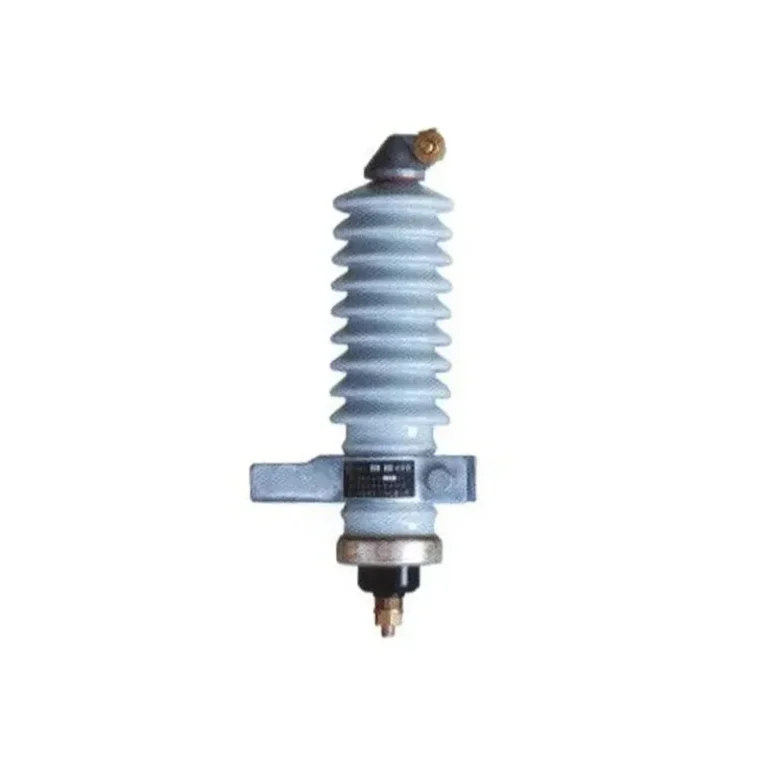
| Power-system arrester | Divert surge current and limit voltage at a line, transformer or other power-system point | IEC 60099-4:2014 scope for metal-oxide arresters without gaps above 1 kV, continuous operating/rated voltage, discharge duty, TOV capability, protective level and earthing |
These layers can be coordinated, but they are not interchangeable. A line item that only says “lightning arrester” does not identify which layer is being purchased or how its earth and bonding path will be completed.
The five decision boundaries that actually matter
1. Voltage class and insulation coordination
Start with the highest system voltage and the equipment insulation level, not the marketing name. IEC 60099-4:2014 addresses metal-oxide resistor type arresters without spark gaps for AC power circuits with Us above 1 kV. IEC 61643-11:2025 addresses SPDs connected to AC low-voltage power systems up to 1,000 V RMS and 50/60 Hz preferred. The boundary between those standards prevents a low-voltage panel SPD from being specified as though it were a medium-voltage line arrester, and prevents a utility arrester quotation from omitting the LV tests and short-circuit duties required at a building service.
2. Duty: lightning impulse, switching surge and temporary overvoltage
Lightning impulse duty is only one part of selection. Switching surges, power-frequency temporary overvoltages (TOV), follow current and available fault current can stress the arrester differently. IEC 61643-11:2025 includes updated combined modes, T1/T2 follow-current duty, short-circuit tests, dielectric tests and clearances for electrically separated circuits. For a power-system arrester, the project must also check continuous operating voltage, rated voltage, discharge-current class and the protective-level margin against the equipment insulation-coordination study. Do not copy a “lightning” label into a rating schedule without those checks.
3. Installation point and lead length
Location determines what the arrester sees and what it protects. A line or transformer arrester is installed at a power-system exposure point; an LV SPD may be at the service entrance, a distribution board or near sensitive equipment. Long connecting conductors add inductive voltage during a fast transient, so the layout, bonding path and coordination between stages belong in the installation review. A useful request to a supplier is a marked single-line diagram showing line terminals, earth connection, backup protection and any disconnector or monitoring contact. For the information needed in an RFQ, use our surge-arrester grounding inputs checklist.
4. Earthing and bonding
An arrester can only divert current through the path provided by the installation. The buyer should verify the station or building earth arrangement, bonding of incoming services, conductor routing and the separation or equipotential-bonding approach required by the project rules. Earthing is not a cosmetic accessory and cannot be inferred from the words “lightning” or “surge.” The requested drawings should make the return path and maintenance isolation point clear.
5. Applicable standard and evidence
Ask which edition and scope the quotation uses. IEC 60099-4 is a product and test standard for the stated power-system arrester scope; IEC 61643-11 is a low-voltage SPD requirements and test-method standard. Neither standard, by itself, is proof that a particular supplier is certified. Request the relevant type-test or routine-test evidence and confirm that the test scope matches the proposed model and project voltage. For a related construction question, compare gapless and gapped surge arresters against the project duty. IEEE C37.40-2003 is marked superseded by IEEE C37.41-2016; it is therefore not a sufficient current reference for a new fuse or cutout specification.
Why a power-system arrester does not replace a building lightning-protection system
A power-system arrester is connected in parallel with a circuit to limit the voltage at that circuit. An external lightning-protection system (LPS) has a different job: intercept a strike with air terminals, conduct current down dedicated paths, bond the building services and discharge to earth while managing separation and touch/step-voltage risks under the applicable building rules. The two layers can work together, but neither should be described as a universal substitute for the other.
This also explains why a rooftop rod, a service-entry SPD and a medium-voltage arrester should not be collapsed into one “lightning arrester” line item. A risk assessment may call for an LPS even when a power-system arrester is present, and an electrical coordination study may call for SPDs at more than one boundary. The practical sequence is to define the external strike-current path, then coordinate the circuit arresters and bonding at each incoming or sensitive interface.
A procurement workflow that avoids name-based substitutions
- Map the layers. Draw the external LPS, service entrance, distribution boards, transformers, lines and protected equipment. Mark where current is intercepted, where voltage is limited and where each earth/bonding connection returns.
- State the system. Record nominal and maximum system voltage, frequency, earthing arrangement, insulation level and the point of installation. For projects above 1 kV, reference the applicable IEC 60099-4 product scope; for LV AC SPDs, check IEC 61643-11:2025 scope and tests.
- State the duty. Ask the designer or utility study to define lightning and switching exposure, TOV duration, discharge duty, short-circuit environment, protective-level margin and required backup/disconnector or monitoring provisions. Leave project values blank until the study confirms them.
- Check coordination. Confirm lead lengths, bonding, upstream/downstream energy coordination and the equipment withstand level. A higher nominal discharge-current claim does not automatically mean better protection at every location.
- Close the evidence loop. Match the offered model, drawings and test evidence to the schedule. Record the edition of each standard, exclusions, inspection points and the replacement/maintenance instructions supplied for the actual device.
Fuerte can support a quotation review for configurable arrester requirements and documentation, but the final device and earthing arrangement should be approved against the project study and local rules. If you are preparing an RFQ, send the voltage class, installation point, duty assumptions and required standard so the comparison is made on equivalent evidence.
Frequently Asked Questions
What is the difference between a surge arrester and a lightning arrester?
Often, there is no strict product boundary: the terms overlap in utility and power-system catalogues. The deciding information is voltage class, duty, installation point, earthing and the applicable standard, not whether the label says “surge” or “lightning.”
Can a surge arrester replace a lightning-protection system?
No. A circuit arrester or LV SPD limits transient voltage across connected conductors; an external LPS intercepts a strike and manages the building’s down-conductor, bonding and earth path. Use a coordinated design when both protection layers are required.
Do surge arresters protect against direct lightning strikes?
An arrester can divert surge current that reaches its connected circuit, including lightning-related surges, but it does not intercept a strike or replace the external LPS. Confirm the expected current path, TOV duty and insulation-coordination margin for the installation.
Which standard applies to my arrester?
For metal-oxide power arresters without gaps on AC circuits above 1 kV, review the scope of IEC 60099-4:2014. For AC low-voltage SPDs up to 1,000 V RMS, review IEC 61643-11:2025 and its applicable tests; the project may also invoke national or utility rules.
Are surge arresters and lightning arresters maintenance-free?
Do not assume that from the name. Include visual inspection, condition or leakage monitoring where specified, disconnector status, earth/bonding checks and the manufacturer’s instructions in the maintenance plan; frequency depends on the installation and governing rules.
How do I choose the right arrester for my system?
Begin with system voltage and insulation coordination, then define lightning/switching/TOV duty, installation point, earthing, short-circuit environment and the required standard. Have the engineer or utility study confirm the protective level and coordination before comparing supplier models.
References
- IEC 60099-4:2014, Surge arresters — Part 4 (metal-oxide surge arresters without gaps for AC systems above 1 kV).
- IEC 61643-11:2025, Low-voltage surge protective devices — Part 11 (requirements and test methods for AC systems up to 1,000 V RMS).
- Eaton, Fundamentals of surge arresters (parallel diversion, voltage limiting, lightning, switching surges and TOV).
- IEEE C37.40-2003 (service conditions and definitions; page notes supersession by IEEE C37.41-2016).
Key takeaway: The honest answer to “surge arrester or lightning arrester?” is to stop choosing by the noun. Specify the layer, duty and evidence that the installation needs, then use the industry term that makes the requirement unambiguous.
For a reviewed lightning arrester or surge-arrester requirement, contact Fuerte with the single-line diagram and project inputs so equivalent products can be compared without implying unsupported ratings or certifications.