
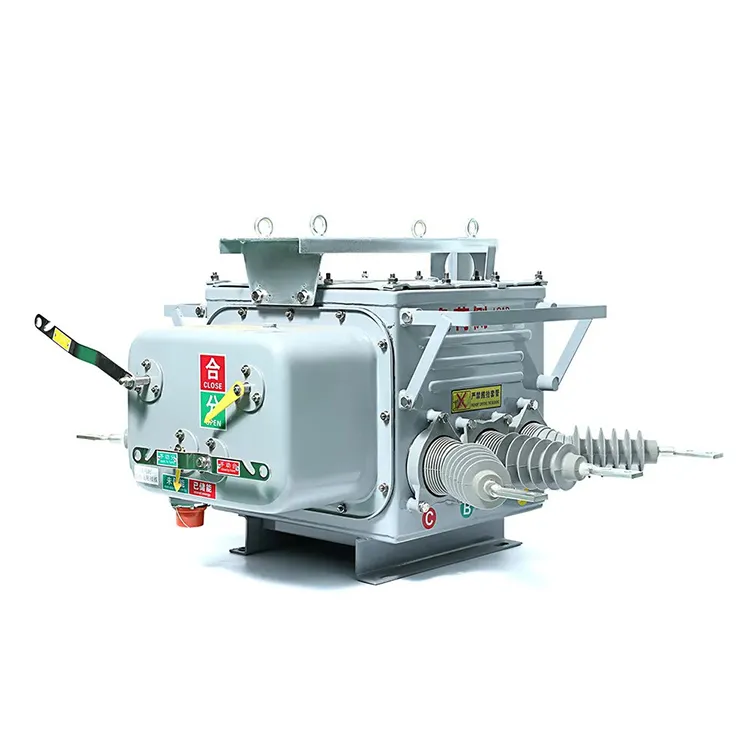
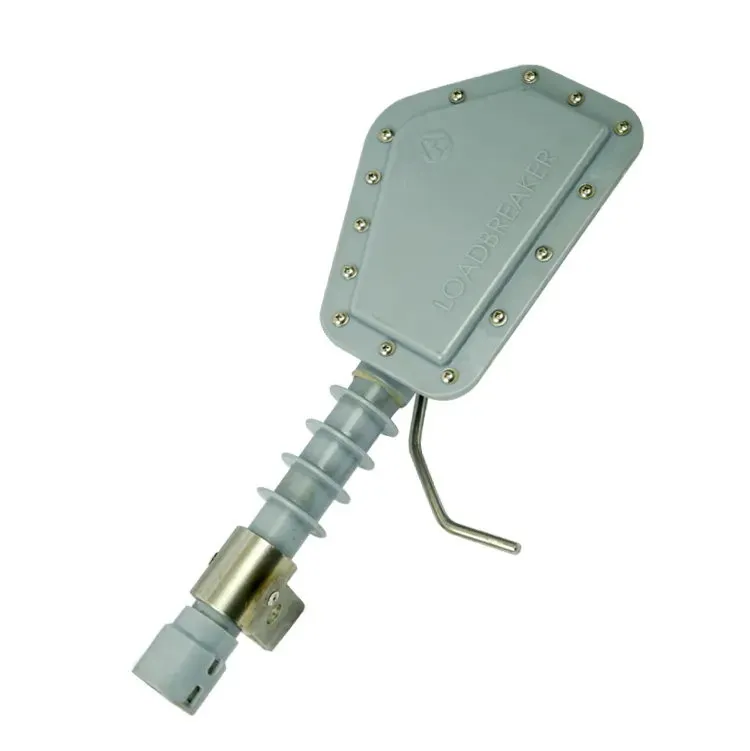


Questions about arrester grounding appear in almost every quotation exchange, usually as a request for a resistance number. A supplier cannot responsibly provide one. Grounding values belong to the owner and its design institute, because they depend on soil, layout, and system design far beyond any product page.
What a supplier can use — and what speeds up every review — is a clear statement of grounding facts in the RFQ. This guide lists those facts: the system earthing method, the down-lead arrangement, the equipment ground relationship, monitoring devices in the earth path, and the items that only the owner can confirm.
Part 1. Why grounding facts belong in an arrester RFQ
An arrester diverts surge current into the earth system it is connected to, so its working context is defined by that system. Two identical devices connected to different earthing arrangements sit in different electrical situations. A quotation review without grounding facts is therefore incomplete no matter how detailed the product data is.
Stating facts is different from doing design. The RFQ does not need calculations; it needs the documented earthing method, the drawings that show connections, and honest flags on anything unconfirmed. Suppliers then align their documentation with a described system instead of an assumed one.
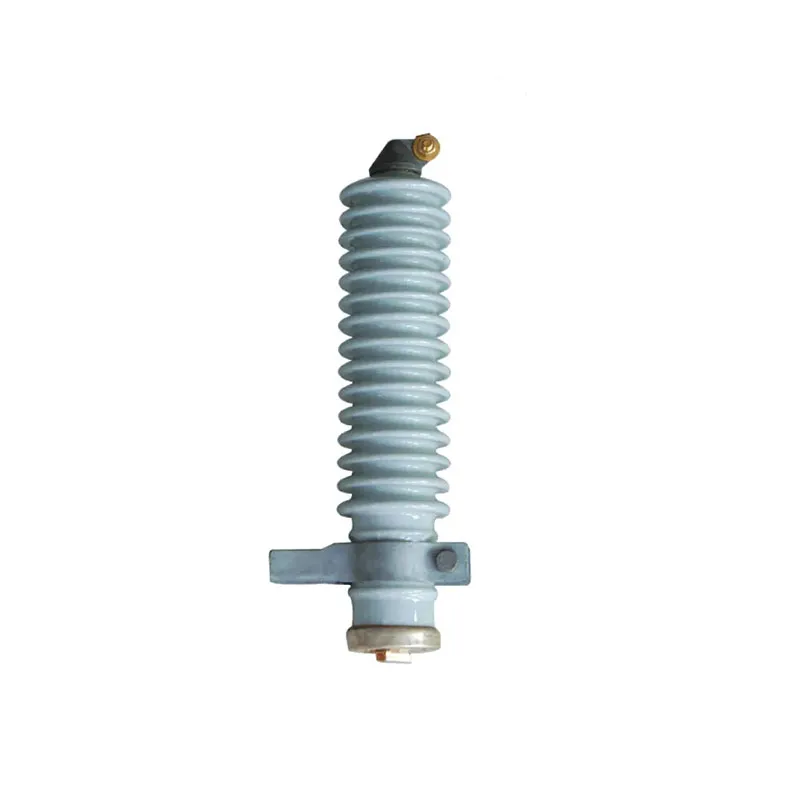
Product-family orientation sits at the FUERTE lightning arrester range. Everything else in this guide is project information the buyer assembles from owner documents.
Part 2. State the system earthing method as a fact
The earthing method — solidly earthed, impedance earthed, or isolated neutral — shapes how the network behaves during earth faults and therefore what conditions an arrester must be reviewed against. It is a system-level fact recorded in the owner’s design basis, not a property of the arrester.
Copy the method into the RFQ exactly as the network operator or design institute documents it, with the document reference. Guessed or inherited descriptions are a common source of mismatched offers, and reviewers cannot audit a value with no source.
Coordination-level consequences of the earthing method — insulation levels, protective margins, study inputs — are framed in the published guide on transformer surge arrester coordination questions. This page stays with what the RFQ must state.
Part 3. Document the down-lead and earth lead arrangement
The down-lead is the conductor path that carries diverted surge current from the arrester earth terminal toward the grounding system. Its routing, length context, connection points, and hardware belong on the installation drawing attached to the RFQ, because they are physical facts a supplier must see to comment on the installation interface.
| Down-lead item to document | Where it should appear |
|---|---|
| Earth terminal connection point | Installation or assembly drawing |
| Conductor route to the earth system | Marked elevation or structure drawing |
| Connection hardware and joints | Drawing notes or hardware schedule |
| Nearby metalwork and separations | Layout extract |
| Drawing revision and issuer | RFQ document list |
Short and direct routing is a common design intention, but its acceptability on a given structure is decided by the owner’s drawings and site conditions. The RFQ records the arrangement; it does not certify it.
Part 4. Record the equipment grounding interface
Whether the arrester earth ties into the same grounding grid as the protected equipment, and where bonding occurs, is an owner design decision with real consequences during surge events. The RFQ should state the documented relationship: shared earth connection, separate electrodes with defined bonding, or an arrangement still under design review.
Name the drawings that show this interface — grounding grid layout, bonding schedule, equipment earthing details — and their revisions. Where the station context matters, the wider drawing set is described in the guide on lightning arrester protection scope for substations, which this page does not repeat.
If the interface is undecided, say so. An honest “pending owner confirmation” line is more useful to a supplier than a silently assumed connection, and it keeps every quotation on the same basis.
Part 5. Note monitoring devices in the earth path
Some operators install accessories in the arrester earth path: discharge counters that register operations, and monitors that give leakage or condition indication. These devices change the earth-lead arrangement, the drawing, and the quotation scope, so the RFQ should state whether they are required and who specifies them.
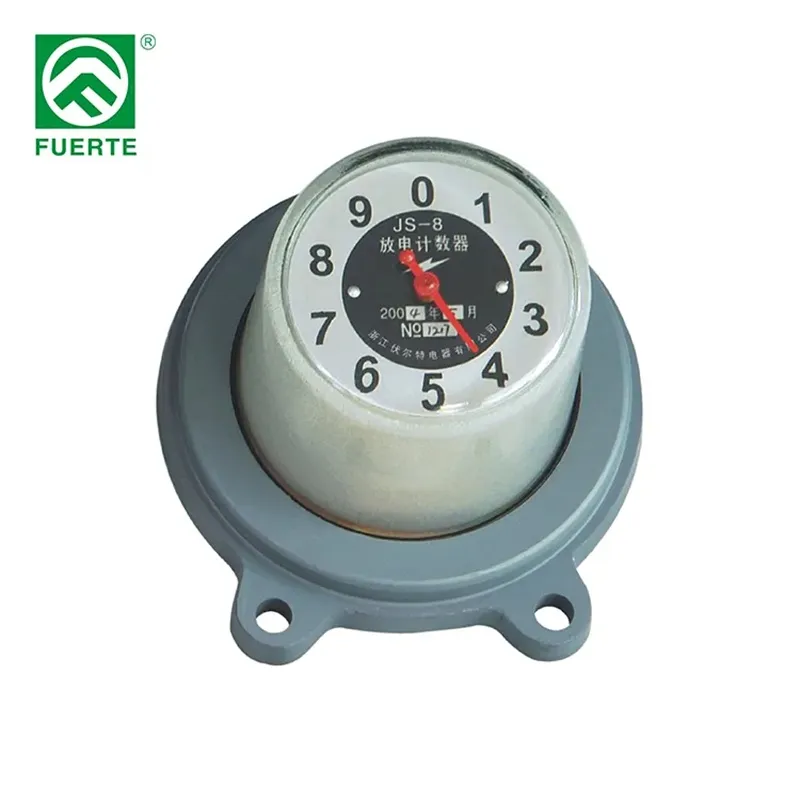
Accessory context is available on the discharge counter product page; whether such a device fits a specific installation is a project decision based on the owner’s monitoring practice. If counters or monitors are required, the RFQ should also state where readings will be taken from, since that affects mounting position and access.
Where no monitoring device is used, record that too. The absence changes the earth-lead drawing and removes an accessory line from the quotation.
Part 6. Keep grounding values with the owner
This page states no earth resistance value, target, or range, and a supplier quotation should not either. Such values come from the owner’s design institute, measured site data, and the applicable owner specification. An RFQ that copies a number from an unrelated project invites offers that cannot be compared or audited.
| Owner-confirmation item | Why the owner must confirm it |
|---|---|
| Earthing method and document reference | Defined by network design, not by the device |
| Grounding performance requirements | Set by the owner specification and site data |
| Bonding and interface decisions | Part of the owner’s grounding design |
| Site measurements and soil information | Owned by the owner and its design institute |
| Acceptance criteria for installation | Defined in the owner’s inspection process |
The supplier’s role stays bounded: describe the offered SKU with its documentation, comment on the installation interface shown in the drawings, and flag missing facts. Design authority does not transfer through a quotation.
Part 7. Grounding section of the RFQ and product context
A workable grounding section is short: the earthing method with its source, the installation and grounding drawings with revisions, the down-lead arrangement, the equipment ground relationship, monitoring requirements, and the owner-confirmation list from Part 6. Transformer-side protection points keep their own selection scope in the guide on metal-oxide surge arrester selection for distribution transformers. For a related technical topic, see 33kV Lightning Arrester Selection: What to Confirm Beyond Voltage.
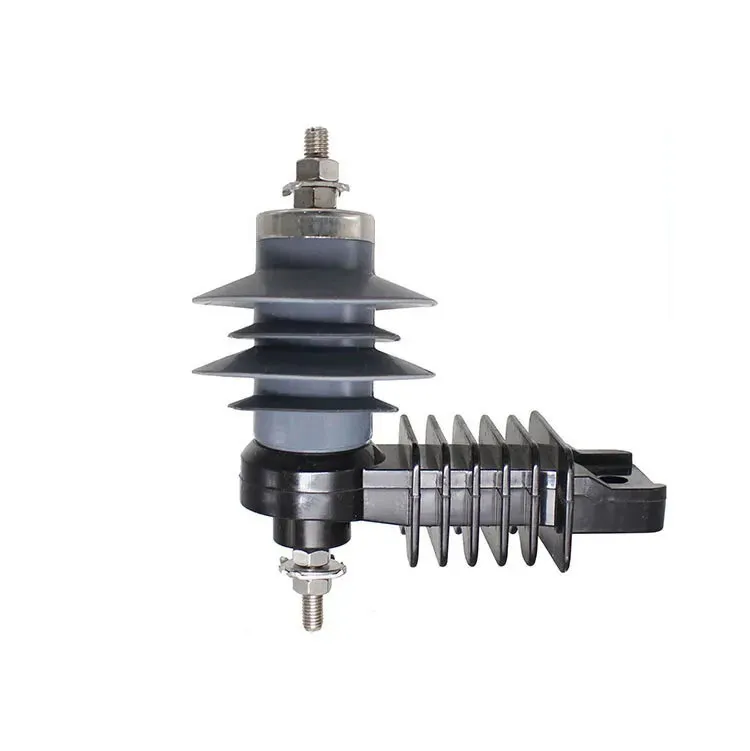
For product context, the Y5(10)W-15 / Y5(10)C-15 surge arrester product context page presents a polymer ZnO design as a discussion entry point. It is not a universal recommendation, and this article states no SKU ratings or earthing suitability; request the exact SKU documentation and review it against the stated grounding facts.

To open a quotation discussion with the grounding facts assembled, contact FUERTE with the document set. A useful response identifies assumptions, the drawings reviewed, and every item still waiting on owner confirmation.
FAQ
What grounding information should an arrester RFQ state?
State the system earthing method with its document source, the installation and grounding drawings, the down-lead arrangement, the equipment ground relationship, any monitoring devices in the earth path, and the items pending owner confirmation.
Why does the system earthing method matter for arrester grounding?
The method shapes how the network behaves during earth faults, which defines the conditions an arrester is reviewed against. It is a documented system fact the RFQ must carry, not a device property.
What is a grounding down-lead in an arrester installation?
It is the conductor path from the arrester earth terminal toward the grounding system. Its route, connection points, and hardware belong on the installation drawing attached to the RFQ.
Should the arrester share the equipment ground connection?
That is an owner design decision. The RFQ records the documented relationship — shared connection, separate electrodes with bonding, or pending review — so all suppliers quote on the same basis.
What earth resistance value does an arrester installation need?
This article does not state one, and a supplier should not set one either. Grounding values come from the owner, its design institute, site measurements, and the applicable owner specification.
Where do discharge counters and monitors sit in the earth path?
They are installed in the arrester earth-lead arrangement where the operator’s practice requires indication or operation counting. The RFQ should state whether they are required and where readings are taken.
Which grounding items need owner confirmation before quotation?
The earthing method reference, grounding performance requirements, bonding decisions, site measurements, and installation acceptance criteria. Mark each as confirmed or pending in the RFQ.
References
- General electrical-hazard context: Occupational Safety and Health Administration electrical topic page
- Selection and application standards context: IEC 60099-5 publication page
- General device background: Wikipedia overview of surge arresters
Which grounding details should be added to a surge-arrester RFQ now?
The useful update is to turn grounding from a general note into a reviewable field. State the system grounding arrangement, the intended arrester earth connection, lead routing constraints, counter or monitor location, bonding assumptions and the drawing revision that controls installation. IEC 60099-5 is an application-recommendation reference, not a substitute for the owner’s grounding study or site measurements.
At commissioning, record the installed route, connection condition, approved deviations and the person who accepted the grounding arrangement. Do not insert a universal earth-resistance target: the value and measurement method must come from the owner specification and engineering design.
Summary
A reliable grounding RFQ makes the system arrangement and installation evidence explicit. It asks the supplier to map the arrester and accessories to the owner’s design instead of allowing a generic grounding statement to decide the scope.