
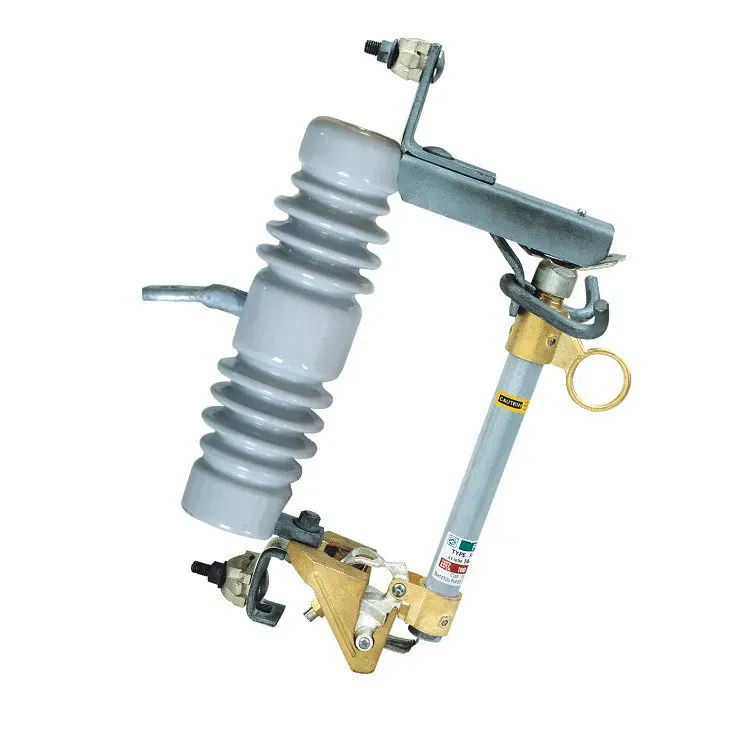
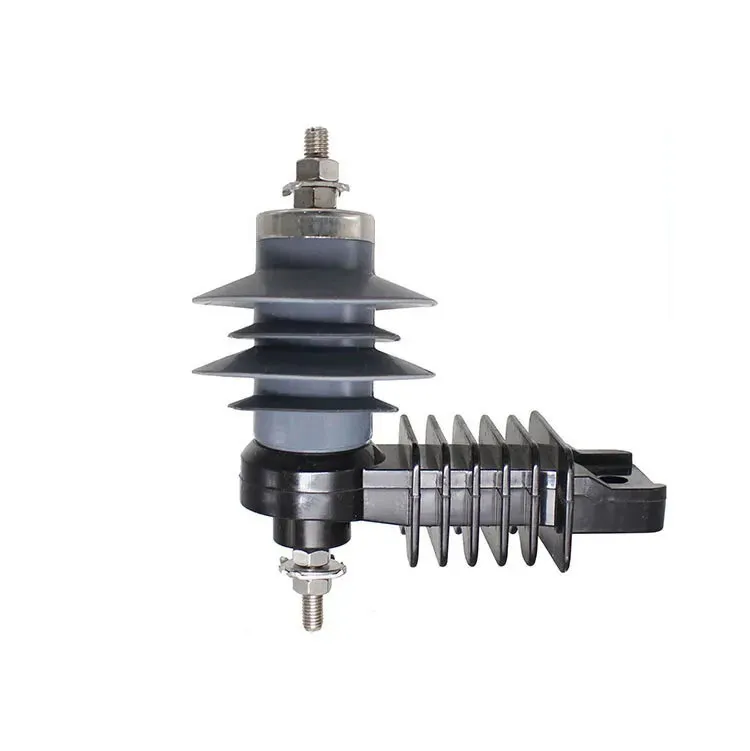
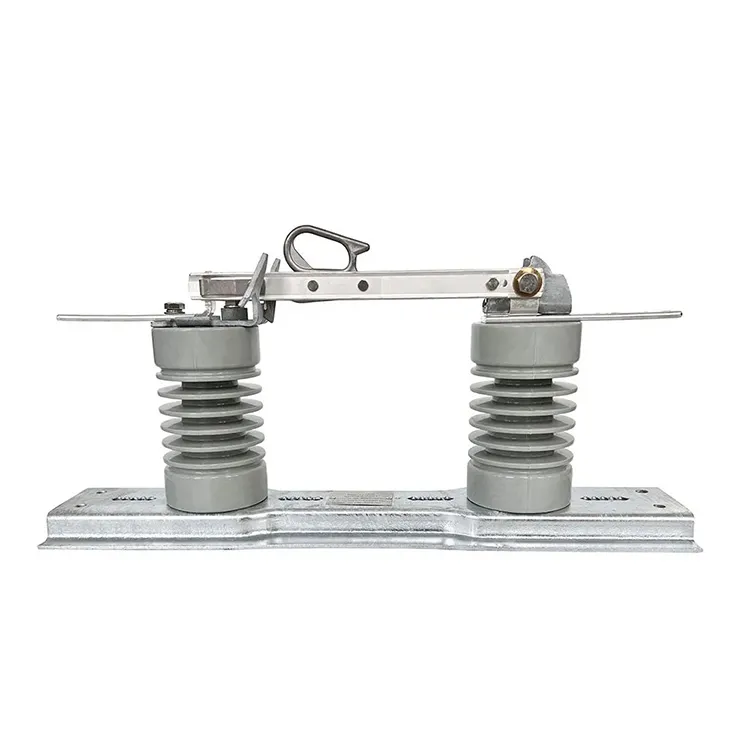
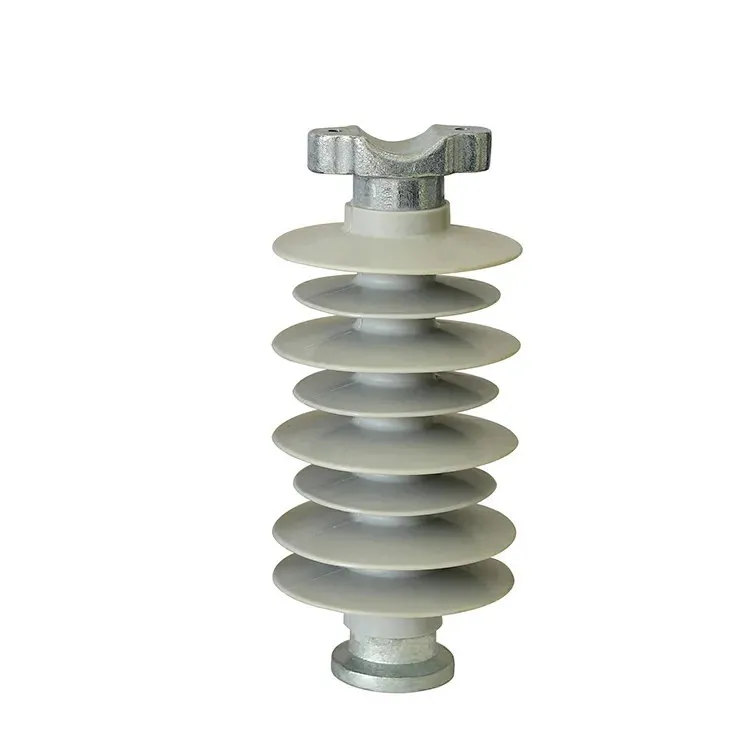
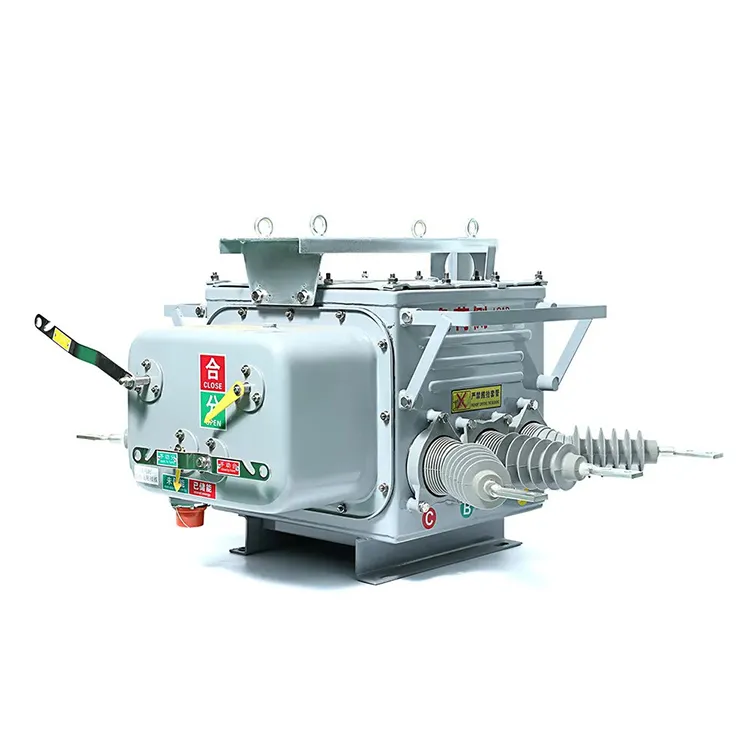
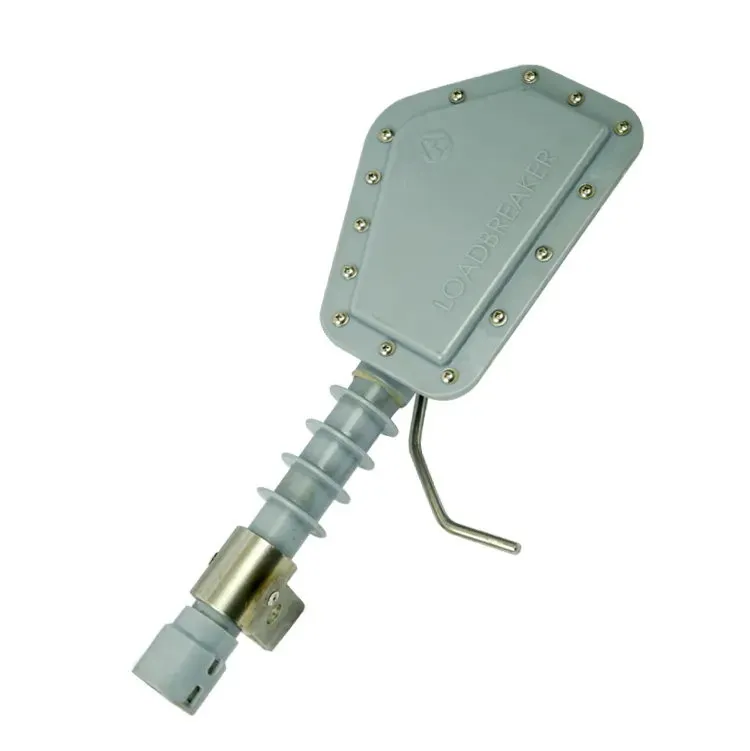


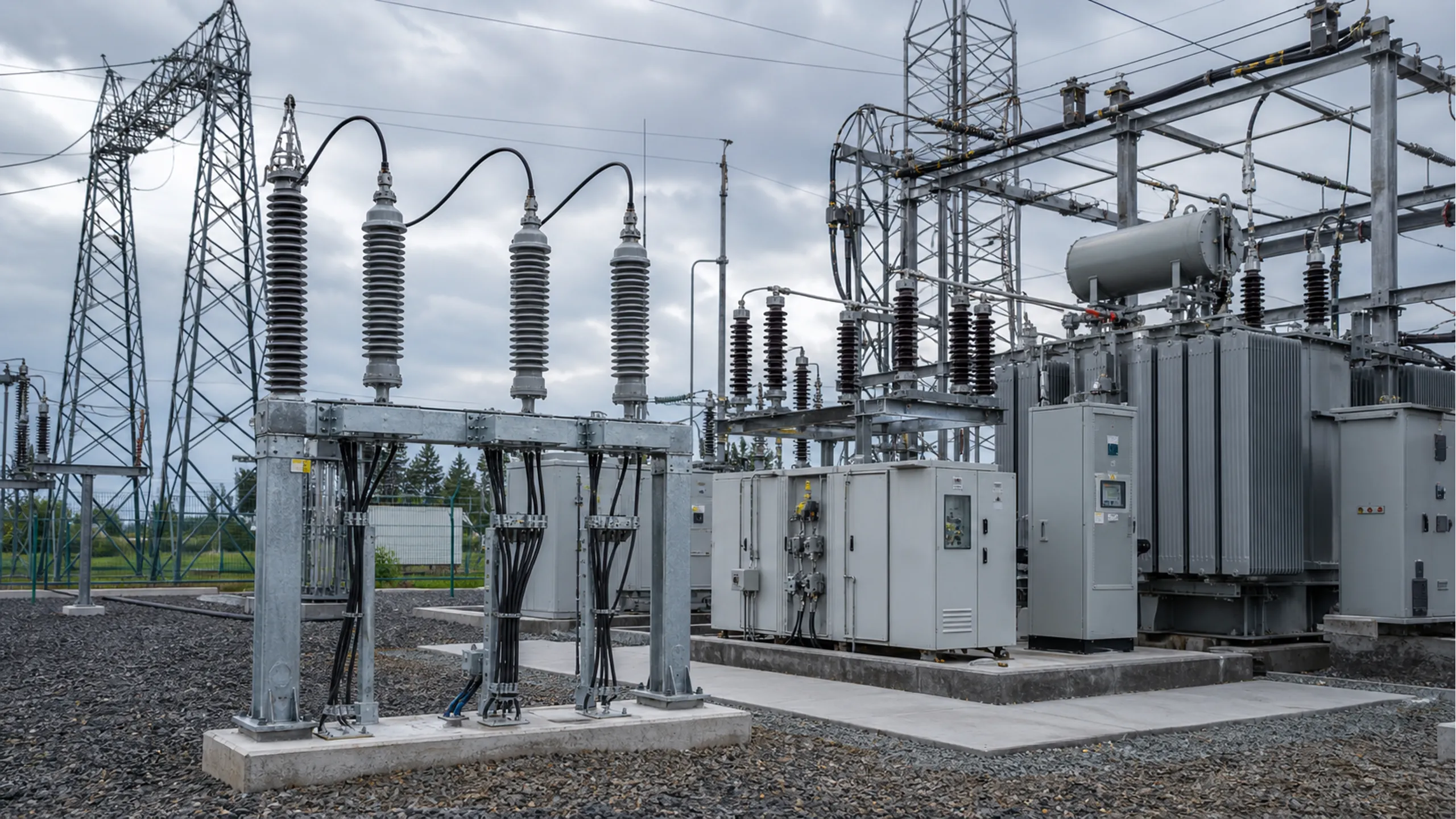
As power systems, industrial facilities, telecom networks, and building distribution infrastructure become more dependent on sensitive electrical equipment, the demand for a reliable lightning surge arrester continues to grow. Buyers are no longer evaluating surge protection only by unit price; they are increasingly concerned about rated voltage matching, discharge current capacity, service life, compliance documentation, and supplier consistency. In markets where downtime can affect production, communication stability, or project safety, the correct surge protection device helps reduce risks caused by lightning-induced overvoltage, switching surges, and transient voltage disturbances. For a related technical topic, see Polymer Insulators for Power Utilities | High-Voltage Insulation Solutions. For a related technical topic, see Lightning Surge Arrester for Power Grids: Reliable Protection for Industrial Electrical Systems.
For electrical contractors, distributors, panel builders, power system integrators, and OEM equipment manufacturers, choosing the right lightning arrester is both a technical and commercial decision. A well-matched product supports system reliability, while an incorrect selection may lead to premature failure, repeated maintenance, or insufficient protection for downstream equipment.
Market Demand for Lightning Surge Arresters in Modern Electrical Infrastructure
Electrical infrastructure is becoming more connected, automated, and sensitive to voltage disturbances. Power distribution networks are expanding, renewable energy systems are being connected to grids, industrial control equipment is using more electronic modules, and telecom equipment is increasingly installed in outdoor or remote locations. These changes have increased the need for stable overvoltage protection across different voltage levels and application environments.
A lightning surge arrester is widely used in power distribution systems, transformers, switchgear, industrial control cabinets, antenna systems, telecom base stations, solar installations, and building electrical networks. Its function is to limit transient overvoltage and provide a controlled discharge path when lightning surges or switching surges occur. In practical operation, this helps protect electrical insulation, meters, relays, communication devices, control boards, and downstream electronic components.
The market demand is also influenced by lifecycle cost awareness. A low-cost device that lacks suitable voltage coordination, testing records, or manufacturing consistency may result in higher maintenance costs later. For importers, wholesalers, electrical contractors, and project-based buyers, this can create additional after-sales risk. As a result, many B2B buyers now review technical datasheets, test procedures, certification documents, packaging details, and manufacturer experience before confirming bulk orders.
International standards also shape purchasing decisions. The IEC 61643 series is commonly referenced for low-voltage surge protective devices, while the IEC 60099 series is widely associated with surge arresters used in power systems. These standards help buyers understand product classification, test methods, and performance parameters such as discharge current, residual voltage, voltage protection level, and operating voltage conditions.
What Is a Lightning Surge Arrester and How Does It Work?
A lightning surge arrester is an electrical protection device designed to limit overvoltage and discharge surge current safely to ground. Under normal operating voltage, the arrester remains in a high-resistance state and has minimal influence on the electrical system. When a lightning surge, switching surge, or transient overvoltage occurs, the internal protection element quickly changes its electrical behavior, allowing surge current to pass through the grounding path instead of damaging connected equipment.
In many markets, terms such as lightning arrester, lightning surge arrester, and surge protection device may appear in similar buyer searches. However, the correct product selection depends on voltage level, installation position, grounding method, and applicable standard. A surge protection device used in a low-voltage distribution panel may have different testing requirements from an arrester used in medium-voltage power distribution or outdoor electrical protection.
The working principle is straightforward, but the engineering requirements are detailed. A reliable arrester must respond quickly, withstand surge events within its design range, maintain insulation stability, and keep residual voltage within acceptable limits. For industrial users, this means the device must not only react to occasional lightning events but also remain stable under long-term operating conditions.
Note: In practical B2B procurement, buyers should avoid selecting a lightning surge arrester only by product name. Rated voltage, MCOV, nominal discharge current, maximum discharge current, residual voltage, installation method, grounding condition, and environmental factors should be checked together.
Core Components and Material Selection in Lightning Surge Arrester Manufacturing
The performance of lightning surge arresters depends heavily on component design, material quality, and process consistency. In modern surge arrester manufacturing, the metal oxide varistor, often called MOV, is one of the most important internal elements. MOV materials, usually based on zinc oxide technology, provide nonlinear electrical characteristics. This allows the component to remain highly resistive during normal operation and become conductive when voltage rises above a defined level.
Material selection affects both electrical behavior and long-term reliability. The MOV block must be matched with the required rated voltage, maximum continuous operating voltage, leakage current, residual voltage, and discharge current capacity. If the MOV characteristics are inconsistent, the finished product may show unstable performance during testing or actual operation.
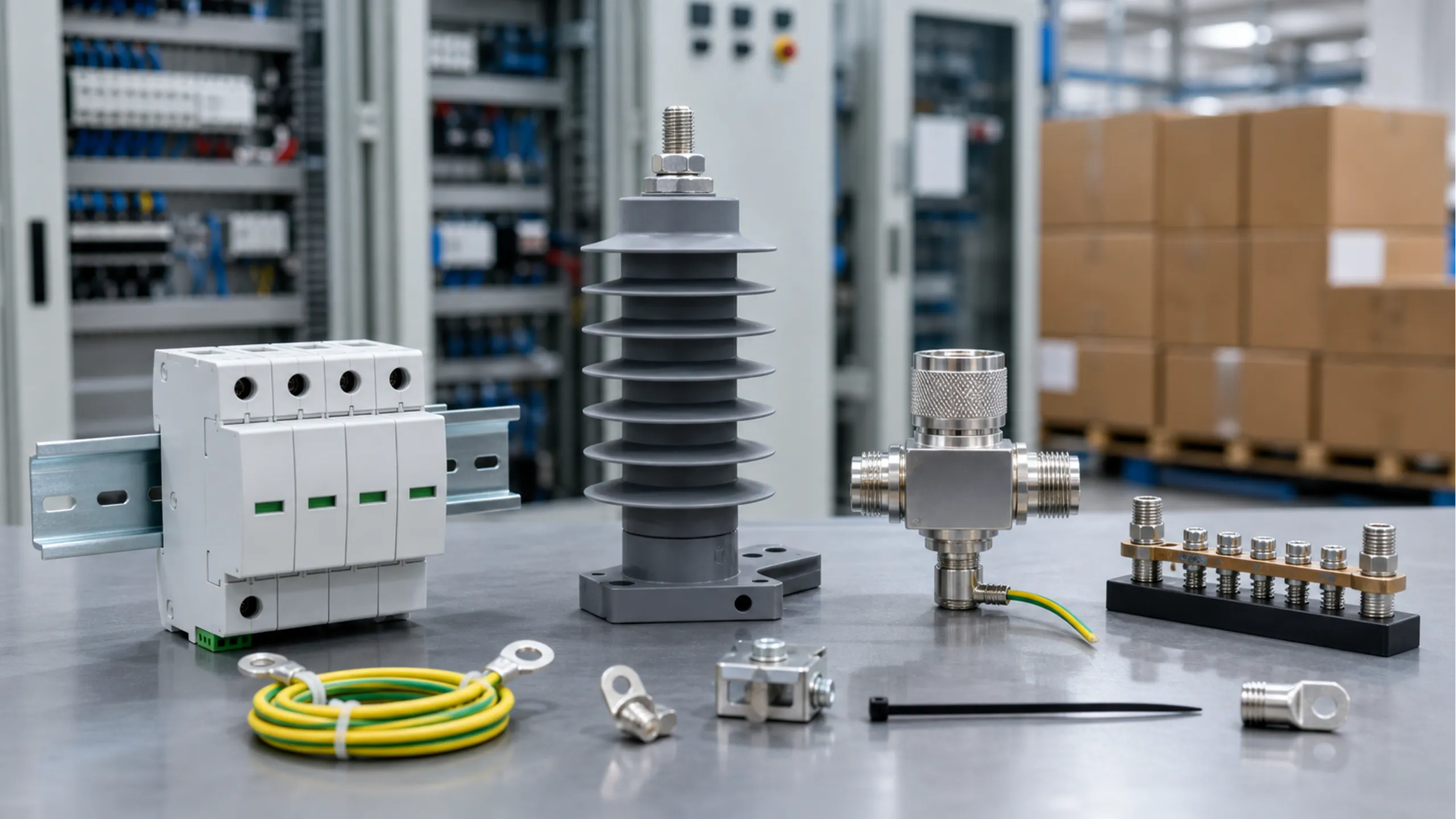
The housing material is another important factor. Depending on the application, a lightning surge arrester may use polymer housing, silicone rubber housing, porcelain housing, engineering plastic, or metal enclosure. Outdoor products require resistance to humidity, UV exposure, pollution, temperature variation, and mechanical stress. Products used in industrial cabinets may require compact size, DIN rail mounting, clear wiring terminals, and stable insulation distance.
For a coaxial lightning arrester, the manufacturing focus becomes more specialized. Besides surge protection performance, the product must maintain signal transmission quality. This requires attention to connector type, impedance, frequency range, insertion loss, grounding structure, and mechanical precision. Common connector options may include N-type, BNC, SMA, or UHF, depending on antenna systems, RF communication equipment, CCTV networks, wireless systems, or telecom base stations.
From a buyer’s perspective, material selection is not just a production detail. It directly influences product lifespan, installation safety, maintenance frequency, after-sales risk, and the ability to meet local market compliance requirements.
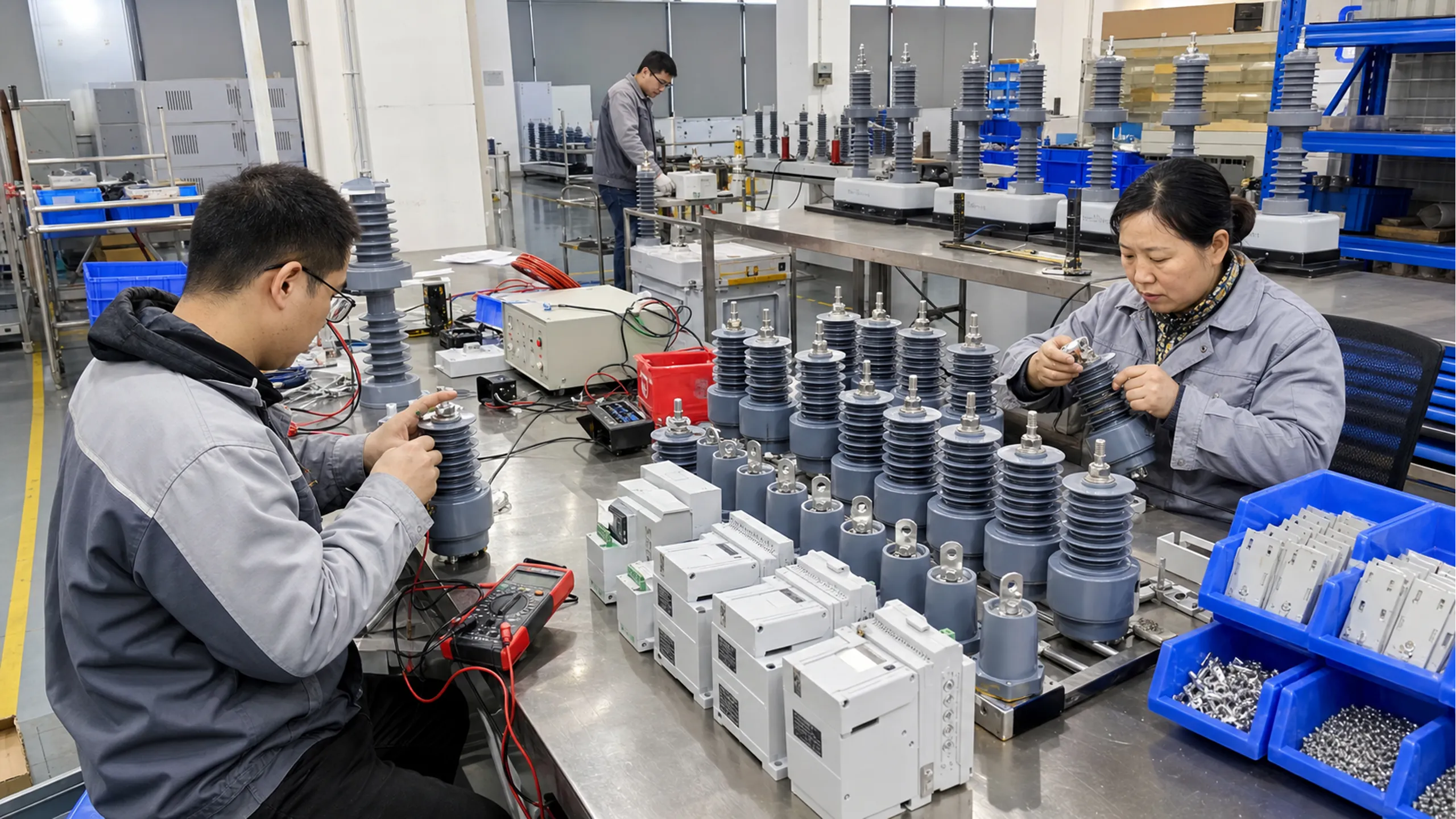
Step-by-Step Production Process of Lightning Surge Arresters
The production process of a lightning surge arrester usually begins with incoming material inspection. MOV blocks, housing materials, terminals, sealing components, metal parts, insulating elements, and packaging materials should be verified before assembly. This stage helps prevent unstable raw materials from entering mass production and supports traceability if quality issues occur later.
After incoming inspection, the MOV components are selected and matched according to electrical parameters. Manufacturers typically review rated voltage, MCOV, leakage current, residual voltage, nominal discharge current, and maximum discharge current requirements. This step is important because the MOV is the core protection element. If its electrical characteristics do not match the product design, the arrester may not perform correctly during surge events.
The next stage is internal assembly. The MOV element, electrodes, spring structures, terminals, grounding path, and insulation support are assembled according to the product structure. For power distribution protection products, the internal electrical connection must be stable and mechanically secure. For compact surge protection devices, assembly precision is especially important because limited internal space requires careful control of insulation distance and connection pressure.
Housing integration and sealing follow the internal assembly stage. The housing protects the internal components from moisture, dust, pollution, and mechanical damage. In outdoor or harsh industrial environments, sealing performance can strongly affect service life. Poor sealing may allow moisture ingress, which can increase leakage current, reduce insulation resistance, or cause premature aging.
Before packaging, finished products are tested and inspected. Typical tests may include leakage current testing, insulation resistance testing, residual voltage testing, power frequency withstand voltage testing, grounding continuity inspection, appearance inspection, label verification, and dimensional checks. For export-oriented manufacturing, packaging and product markings are also important because importers, wholesalers, and project contractors often need clear model identification, technical labels, wiring information, and compliance details for local distribution or installation.
In export orders, buyers often confirm product labels, carton markings, technical datasheets, installation instructions, and batch inspection records before shipment. For OEM customers, sample approval is commonly completed before mass production to reduce specification mismatch and improve consistency between the approved sample and final delivery.
Key Specifications Buyers Should Review Before Ordering
Choosing a lightning surge arrester requires matching the product to the real electrical environment. A device that performs well in one application may not be suitable for another if the system voltage, grounding method, installation position, or surge exposure level is different.
For low-voltage distribution systems, buyers usually compare Uc, In, Imax, Up, response time, and installation type together rather than reviewing only rated voltage. For medium-voltage or outdoor power distribution applications, insulation structure, housing durability, discharge performance, and environmental resistance may become more important. For telecom and antenna applications, RF performance and grounding reliability should be evaluated at the same time.
| Specification | Meaning for Buyers |
|---|---|
| Rated Voltage | Should match the electrical system voltage and application level |
| MCOV / Uc | Defines the maximum continuous operating voltage the arrester can withstand |
| Nominal Discharge Current / In | Indicates standard surge current handling capability |
| Maximum Discharge Current / Imax | Shows peak surge capacity under severe transient events |
| Voltage Protection Level / Up | Affects protection performance for downstream equipment |
| Residual Voltage | Indicates voltage remaining during surge discharge |
| Response Time | Important for sensitive electronics, control systems, and signal lines |
| IP Rating | Relevant for outdoor, telecom, and industrial environments |
| Installation Type | May include DIN rail, panel mount, outdoor, cabinet, or coaxial inline installation |
| Certification | Helps support market access, compliance review, and project documentation |
For power distribution systems, rated voltage and MCOV are usually among the first parameters to confirm. For industrial control cabinets, compact structure, wiring convenience, and coordination with upstream and downstream protection may be more important. In telecom or antenna applications, buyers often focus on coaxial connector type, impedance, frequency range, and insertion loss in addition to surge current capacity.
A practical approach is to provide the manufacturer with system voltage, installation location, grounding method, application environment, target market, and required certification. This allows the supplier to recommend a model based on technical conditions rather than making assumptions from a general inquiry.
OEM Options for Importers, Wholesalers, and Equipment Manufacturers
OEM demand is common in the B2B electrical protection market. Importers may need private labeling and packaging for local distribution. Panel builders may require compact models suitable for cabinet integration. Telecom equipment suppliers may need coaxial lightning arresters with specific connectors. Project contractors may require documentation that matches tender, installation, or inspection requirements.
For OEM lightning surge arrester projects, customization may include electrical parameters, housing color, product label, logo printing, packaging design, instruction manuals, mounting method, terminal type, and connector configuration. In some cases, buyers may also request datasheets in specific formats or technical documentation for local market compliance.
However, OEM customization should not focus only on visual identity. For surge protection products, technical compatibility is more important than appearance. If voltage rating, MCOV, discharge current, residual voltage, installation environment, or grounding method is not properly confirmed, the customized product may not meet the buyer’s actual application requirements.
Note: For OEM projects, appearance customization is only one part of the process. Electrical parameter confirmation, testing documentation, application compatibility, and batch consistency are usually more important for long-term reliability.
A manufacturer with export-oriented production support can help buyers reduce communication gaps. For example, Zhejiang Fuerte Electrical Apparatus Co., Ltd., founded in 1985, has long-term experience in power distribution and electrical protection equipment manufacturing. In B2B cooperation, this manufacturing background can support technical discussion, sample confirmation, documentation preparation, OEM packaging review, and stable production planning without turning the purchasing process into a simple price comparison.
Quality Assurance Process and Compliance Considerations
Quality assurance is a key part of surge arrester manufacturing because these products are often installed to protect critical electrical assets. A quality process does not eliminate every possible field risk, but it helps improve consistency, identify production issues earlier, and provide buyers with clearer technical confidence.
The quality assurance process usually starts with incoming material inspection. MOV blocks, housing materials, metal terminals, insulating parts, and sealing components should be checked before assembly. During production, manufacturers may conduct electrical characteristic testing, dimensional verification, and process inspection. After assembly, finished products are tested for electrical performance and visual quality.
Important inspection items often include leakage current, insulation resistance, residual voltage, nominal discharge current performance, grounding continuity, power frequency withstand voltage, appearance, marking accuracy, and packaging verification. For outdoor or harsh-environment products, sealing structure and moisture resistance are also important considerations.
Compliance requirements vary by market and application. The IEC 61643 series is commonly used for low-voltage surge protective devices, especially in building distribution and low-voltage electrical systems. The IEC 60099 series is often referenced for surge arresters used in power systems. Buyers should confirm which standard applies to their installation scenario rather than assuming that one certificate covers all applications.
For overseas B2B customers, documentation can be as important as the product itself. Technical datasheets, installation instructions, test reports, labels, and packaging information help distributors, contractors, and OEM customers communicate with their local market. A manufacturer with established export support can make this process more efficient and reduce uncertainty during bulk purchasing.
Application Scenarios and Selection Focus
Different applications require different selection priorities. A lightning surge arrester used in a power distribution system is not evaluated in exactly the same way as one used in a telecom antenna line. Buyers should consider not only the product category but also the installation environment and the equipment being protected.
| Application | Selection Focus |
|---|---|
| Power Distribution System | Rated voltage, MCOV, discharge current, insulation performance |
| Industrial Control Cabinet | DIN rail mounting, compact design, response time, wiring convenience |
| Telecom Base Station | Grounding design, IP rating, environmental reliability |
| Antenna System | Coaxial connector, frequency range, impedance, insertion loss |
| Solar PV System | DC voltage rating, outdoor protection, certification requirements |
| Building Electrical Network | Coordination with upstream and downstream surge protection devices |
In power distribution applications, surge protection is closely related to system voltage and insulation coordination. In industrial environments, the buyer may also consider vibration, dust, humidity, heat, and installation space. In antenna and RF applications, surge protection must be balanced with signal performance. This is why technical communication before ordering is valuable, especially for OEM or project-based purchasing.
How Buyers Can Evaluate a Lightning Surge Arrester Manufacturer
When evaluating a lightning surge arrester manufacturer, buyers should look beyond product photos and unit price. A practical evaluation starts with whether the supplier understands the buyer’s voltage system, installation environment, grounding method, and target market requirements. If a supplier can only provide a basic quotation without discussing specifications, the buyer may face higher risk during installation, sample approval, or after-sales service.
Technical documentation is another important indicator. Clear datasheets, model descriptions, wiring diagrams, testing information, and packaging details help buyers compare products more accurately. For importers and wholesalers, complete documentation also supports local sales, customs communication, and customer service. For contractors and system integrators, it helps reduce installation mistakes and approval delays.
Manufacturing experience can also be relevant, especially in electrical protection products where material consistency and process control affect long-term performance. Zhejiang Fuerte Electrical Apparatus Co., Ltd. has focused on the high-voltage and power distribution field for more than three decades. Rather than positioning itself only as a product seller, the company’s manufacturing role is more relevant to buyers who need stable cooperation, technical communication, export-oriented production support, and long-term B2B supply planning.
For global B2B customers, a suitable supplier should be able to discuss sample testing, OEM requirements, production lead time, packaging, labels, and documentation before bulk orders. This does not need to be presented as a marketing claim; it is simply part of a responsible procurement process.
Practical Buyer Guidance Before Requesting a Quotation
Before requesting a quotation, buyers can improve efficiency by preparing key technical and commercial information. The most important details include system voltage, application type, installation position, grounding condition, required discharge current, target market, certification needs, estimated order quantity, and any OEM requirements.
For a coaxial lightning arrester, the inquiry should also include connector type, impedance, frequency range, insertion loss requirement, installation method, and environmental protection level. These details help the manufacturer determine whether a standard model is suitable or whether a customized design is required.
Buyers comparing a lightning arrester supplier should also ask whether sample testing is available, whether datasheets can be provided, whether packaging can meet export requirements, and whether technical communication is available before order confirmation. These questions are especially useful for distributors, project contractors, electrical panel manufacturers, and OEM purchasing managers.
A well-prepared inquiry reduces back-and-forth communication and helps both sides confirm the correct product faster. It also lowers the risk of ordering a product that looks suitable in a catalog but does not match the actual application environment.
Standards Note
IEC standards are updated periodically. Buyers should always verify the latest applicable version of IEC standards through the official IEC Webstore, local certification bodies, qualified laboratories, or electrical engineers before final product approval. Standards should be used together with actual application conditions, installation requirements, and local market regulations.
Conclusion: Reliable Overvoltage Protection Starts with Correct Selection and Manufacturing Control
A lightning surge arrester plays an important role in modern power distribution, industrial electrical systems, telecom networks, antenna systems, and building protection infrastructure. As electrical equipment becomes more sensitive and system uptime becomes more valuable, buyers are paying closer attention to correct model selection, manufacturing consistency, testing procedures, and documentation support.
The key to reliable overvoltage protection is not only choosing a recognized product name. Buyers should review rated voltage, MCOV, discharge current, residual voltage, response time, installation type, IP rating, and applicable standards. They should also consider whether the manufacturer can support OEM requirements, provide technical datasheets, conduct relevant testing, and maintain stable batch quality.
For importers, wholesalers, contractors, and OEM equipment manufacturers, working with a manufacturing partner that understands export markets and power distribution protection can help reduce procurement risk. Buyers with project-specific requirements may request technical datasheets, model selection support, sample testing information, or OEM documentation before confirming bulk orders.
FAQ
1. What is a lightning surge arrester used for?
A lightning surge arrester is used to limit transient overvoltage caused by lightning strikes, switching surges, or grid disturbances. It helps protect power distribution equipment, industrial control systems, telecom devices, antenna systems, and building electrical networks.
2. What is the difference between a lightning arrester and a surge protection device?
The terms may overlap in some markets, but they are not always identical. A surge protection device is commonly used in low-voltage systems, while a lightning arrester or surge arrester may also refer to products used in power systems. Selection should depend on voltage level, installation position, and applicable standard.
3. How do I choose the correct rated voltage for a lightning surge arrester?
Buyers should consider the system voltage, maximum continuous operating voltage, grounding method, and installation environment. Choosing only by nominal voltage may lead to incorrect selection, so MCOV, discharge current, and voltage protection level should also be reviewed.
4. What does MCOV mean?
MCOV means Maximum Continuous Operating Voltage. It refers to the maximum voltage that the arrester can continuously withstand under normal operating conditions without abnormal conduction.
5. Where is a coaxial lightning arrester commonly used?
A coaxial lightning arrester is commonly used in antenna systems, RF communication equipment, telecom base stations, CCTV systems, and wireless networks. Buyers should confirm connector type, impedance, frequency range, insertion loss, and grounding method.
6. Can lightning surge arresters be customized for OEM orders?
Yes. OEM options may include voltage rating, discharge current level, housing design, connector type, private label, packaging, instruction manual, and documentation. Technical parameter confirmation should come before visual customization.
7. What tests should a reliable manufacturer perform?
Common tests include leakage current testing, insulation resistance testing, residual voltage testing, nominal discharge current verification, power frequency withstand voltage testing, grounding continuity inspection, appearance checks, dimensional checks, and label verification.
8. What information should buyers provide before requesting a quotation?
Buyers should provide system voltage, application environment, installation method, grounding condition, required discharge current, certification needs, quantity, target market, and OEM requirements. For coaxial products, connector type, impedance, and frequency requirements should also be provided.
About the Manufacturer
Zhejiang Fuerte Electrical Apparatus Co., Ltd. was founded in 1985 and focuses on power distribution and electrical protection equipment. The company supports overseas B2B customers, including distributors, project contractors, OEM buyers, and electrical equipment manufacturers, with export-oriented production support, technical communication, and long-term manufacturing cooperation.
Website: https://cnfuerte.com/
Which arrester inputs should be checked before a power-system quotation?
For a lightning surge arrester quotation, nominal voltage is only the first field. Record highest system voltage, earthing, temporary overvoltage and clearing time, insulation withstand, residual-voltage target, discharge duty and short-circuit behaviour. IEC 60099-5:2018 is an application guide above 1 kV; it is not a universal catalogue-selection rule. Keep overvoltage protection tied to the equipment insulation level and the installed grounding path. A component report does not prove the as-installed arrangement. Request the exact model, Uc and Ur values, residual-voltage data, outline drawing, grounding details, applicable standard and deviations before approving a surge arrester quotation.
Does a higher discharge-current label prove better protection?
No. Check continuous operating voltage, TOV capability, residual voltage, insulation coordination and the installed connection path as well.
Summary
For a lightning surge arrester quotation, nominal voltage is only the first field. Confirm the project inputs, match the exact product evidence and record unresolved assumptions before purchase.
References
- International Electrotechnical Commission, IEC 61643 Series – Low-voltage surge protective devices
Official IEC Webstore Search Page:
https://webstore.iec.ch/search?query=IEC%2061643
Accessed July 2026. - International Electrotechnical Commission, IEC 60099 Series – Surge arresters
Official IEC Webstore Search Page:
https://webstore.iec.ch/search?query=IEC%2060099
Accessed July 2026. - International Electrotechnical Commission, IEC Standards Webstore
Official IEC Webstore:
https://webstore.iec.ch/
Accessed July 2026. - IEC 60099-4:2014
- IEC 60099-5:2018
- IEC 60071-2:2023