
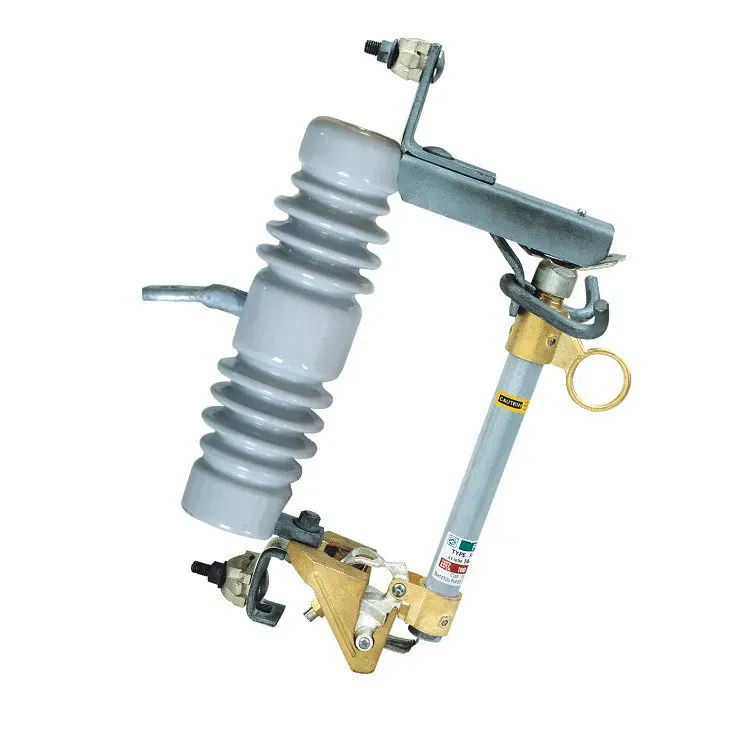
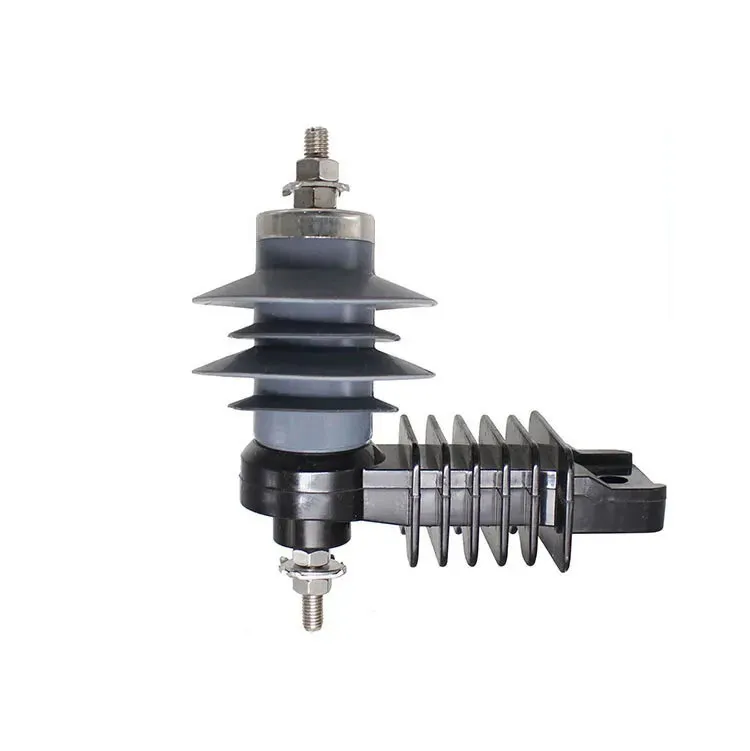
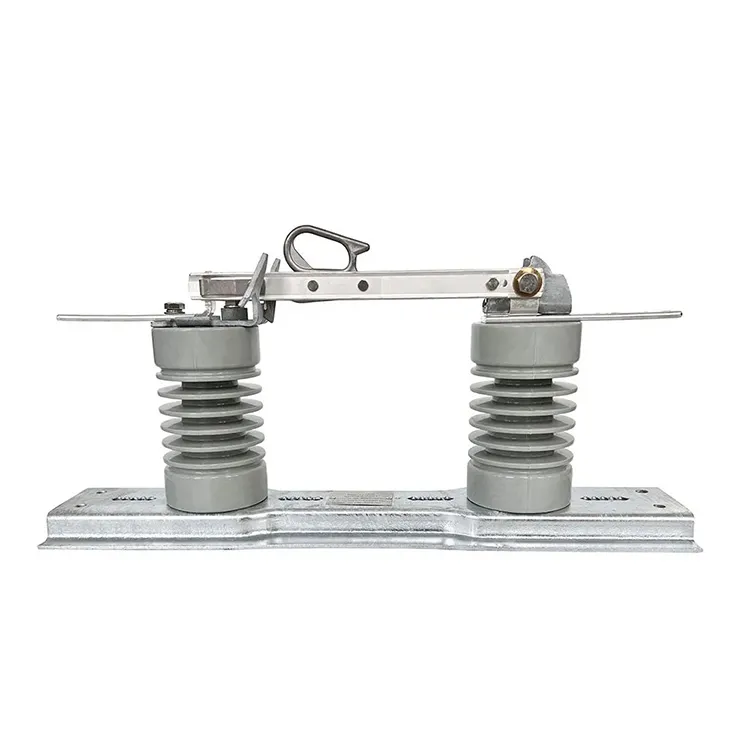
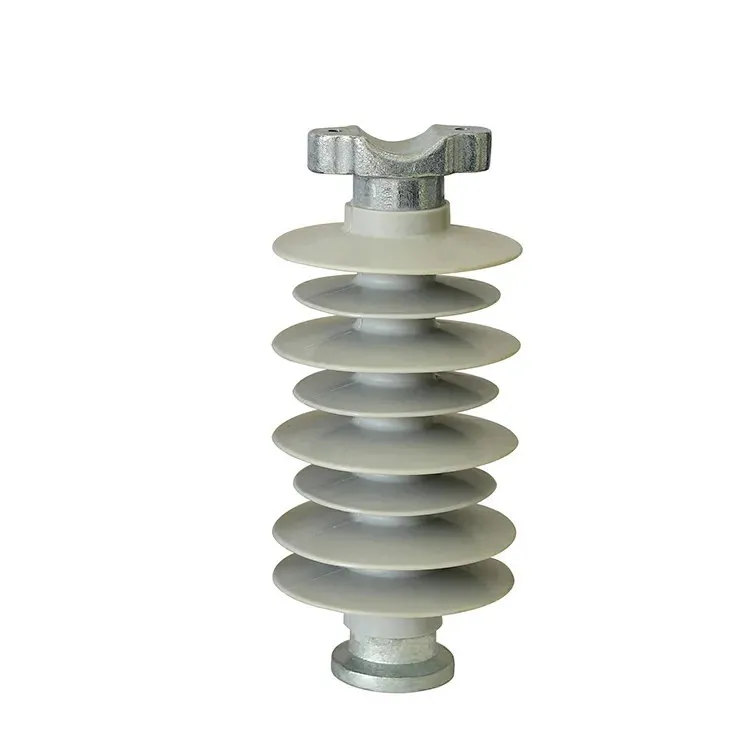
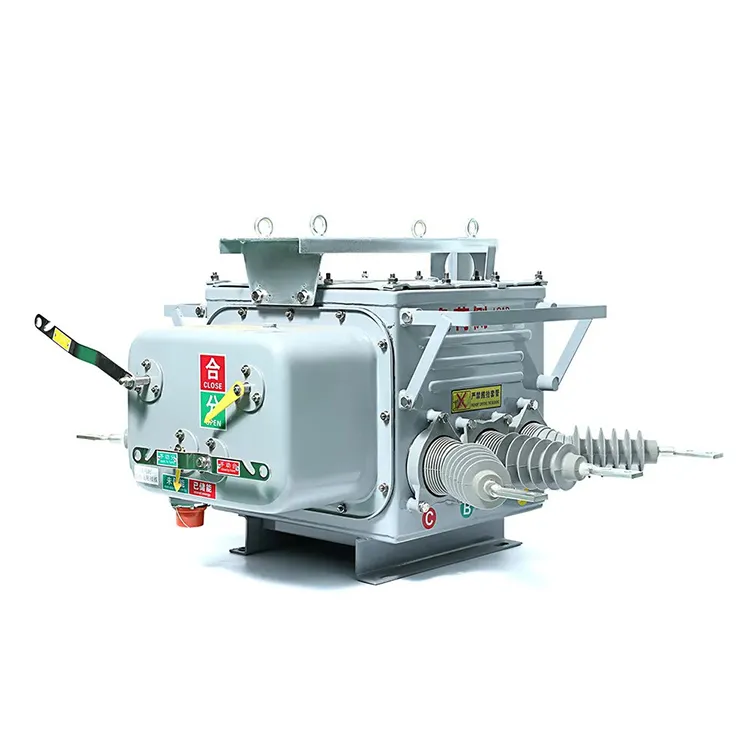
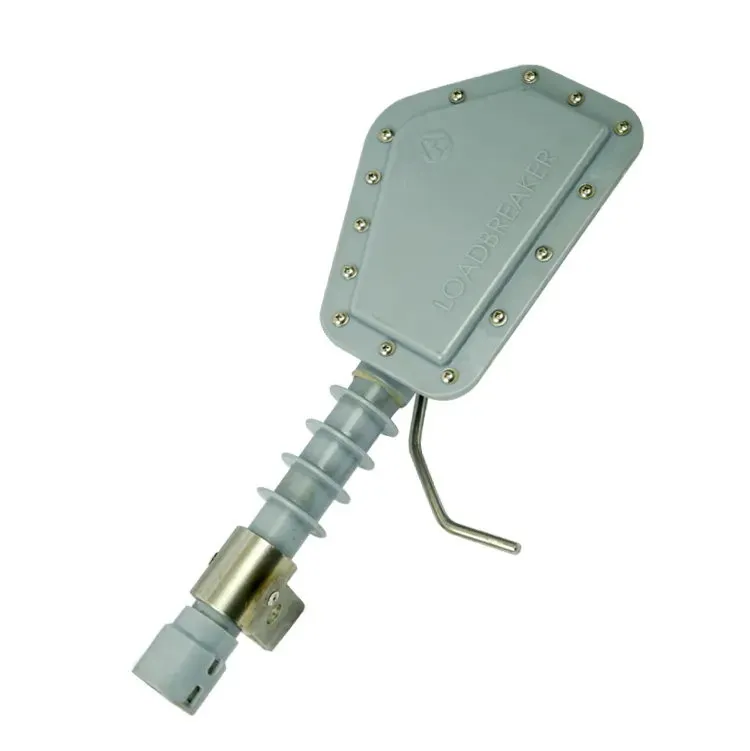


When a distribution planner in Lima, Peru specified one indoor breaker format for a mixed portfolio of plant switchrooms and exposed feeder locations, site teams found that the enclosure, controls and mounting basis were different before installation could begin. The reversal was uncomfortable but useful: the problem was not that a vacuum circuit breaker was inherently unreliable; the selection record had skipped the electrical duty and configuration checks that make a breaker defensible. That is the practical question behind this guide.
Summary: where a vacuum circuit breaker belongs in a medium-voltage distribution system should be evaluated against the complete medium-voltage duty, not a product label alone. We recommend documenting rated voltage, continuous current, short-circuit duties, operating sequence, installation conditions, controls and the governing standard before comparing offers. IEC 62271-1 and IEC 62271-100 provide a useful technical frame; the final decision must still follow the project specification and the exact manufacturer data sheet.
What the application must establish first
vacuum circuit breaker uses is best understood as an application map that distinguishes electrical duty from the mechanical and environmental conditions around the breaker. Vacuum circuit breakers are commonly applied where a medium-voltage circuit needs normal switching, fault interruption and coordination with protection. The same interruption principle can appear in indoor metal-enclosed switchgear, outdoor pole-mounted equipment, compact substations and industrial distribution assemblies; the application determines the enclosure, terminals, controls and interfaces. In a 12-36 kV project, the requirement sheet needs at least one number for every claimed performance dimension; otherwise a buyer is comparing descriptions, not equipment.
We recommend starting from the single-line diagram and fault study. Record the maximum system voltage, nominal frequency, normal load and protection arrangement before asking whether a particular breaker is appropriate. This sequence protects the buyer from an attractive but incomplete offer, especially where a change in mounting or control voltage would alter the actual configuration.
Which ratings make the decision auditable?
vacuum ckt breaker must be assessed through the rating set rather than a single headline number. Start with the system maximum voltage and fault level, then add the installation facts: indoor or outdoor exposure, altitude, temperature, pollution, seismic requirement, control power and communication interface. A 12 kV outdoor feeder device and an indoor switchboard breaker may share a voltage class while requiring very different mechanical and protection integration. The linked product page is a useful starting point for a reference configuration, but buyers should confirm every offered value in the current data sheet and quotation.
- Voltage and insulation: compare maximum system voltage and the required insulation coordination.
- Current and temperature rise: verify continuous current against real load and enclosure conditions.
- Fault duty: record breaking current, making duty and short-time withstand together.
- Operation and controls: identify operating sequence, coil/control voltage, auxiliaries and interlocks.
How should buyers use test evidence?
The applicable test evidence must match the installation claim. IEC 62271-1 covers common switchgear requirements, while circuit-breaker duties are addressed in IEC 62271-100. Project specifications often add ingress protection, insulation, temperature and utility acceptance requirements. The honest answer is that a test report is valuable only when its product identity, rating and standard basis can be traced to the proposal. Ask the supplier to distinguish type-test evidence, routine-test documentation and any project-specific inspection or witness requirement.
- IEC 62271-1 establishes common specifications for high-voltage switchgear and controlgear.
- IEC 62271-100 defines the circuit-breaker duties, ratings and test expectations relevant to AC switching.
- IEEE Standards Association maintains the C37 standards family used widely for AC high-voltage circuit-breaker ratings and test practice.
Comparison table: what changes total ownership cost?
The table below turns several technical variables into a practical review. It is not a substitute for a network study; it is the minimum discipline that keeps performance, compatibility and total cost of ownership visible in the same conversation.
| Decision point | What to verify | Commercial consequence |
|---|---|---|
| System duty | Maximum voltage, current, fault duty and operating sequence | Prevents a technically unsuitable comparison |
| Product configuration | Mechanism, enclosure, mounting, terminals and controls | Keeps the offer tied to a buildable item |
| Evidence | Applicable IEC/IEEE/owner requirements and product-specific records | Reduces approval and acceptance risk |
| Life-cycle scope | Access, spares, documentation, service and end-of-life responsibilities | Exposes cost beyond the headline price |
How does application environment and breaker format change the specification?
The same breaker family can be appropriate in one context and unsuitable in another because project conditions change. The following matrix helps a buyer expand a product question into an engineering and procurement checklist. Each row should end with a documented answer, a cited source or a clearly assigned action.
| application environment and breaker format | Question for the project team | Required output |
|---|---|---|
| 1. utility feeder sectionalizing and fault isolation | What is stated, and what remains to be confirmed? | A source-linked requirement or an explicit open point |
| 2. industrial motor, transformer and process distribution | What is stated, and what remains to be confirmed? | A source-linked requirement or an explicit open point |
| 3. renewable collector systems and compact substations | What is stated, and what remains to be confirmed? | A source-linked requirement or an explicit open point |
| 4. outdoor pole-mounted and boundary protection locations | What is stated, and what remains to be confirmed? | A source-linked requirement or an explicit open point |
Standards and compliance are commercial controls
Compliance is not a footer on a quotation. A mismatch between the stated standard, the breaker rating and the purchaser’s specification can delay energization, reject a shipment or shift expensive responsibility into the commissioning phase. IEC 62271-1 covers common requirements for high-voltage switchgear and controlgear, while IEC 62271-100 addresses AC circuit-breaker duties. Where IEEE, ANSI, utility or national rules apply, the purchase specification should name them and state their priority; the offered vacuum circuit breaker must then be traced to that requirement set.
Selection guide: five checks before an order is released
- Freeze the electrical basis. Validate the system maximum voltage, load current, prospective fault level and protection coordination against the approved study.
- Define the installation. State indoor/outdoor use, altitude, ambient temperature, pollution, mounting, primary connections and safety clearances.
- Confirm the control scope. Match close/trip coils, auxiliary contacts, control voltage, interlocks, protection and communication interfaces.
- Trace the evidence. Request the exact data sheet, drawings, applicable test evidence and document list for the proposed configuration.
- Control the handover. Place assumptions, deviations, inspection points, packaging and delivery milestones in the order record.
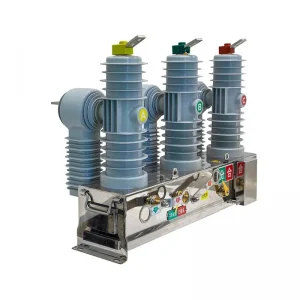
Fuerte provides medium-voltage distribution products with ISO 9001 certification and product verification from international bodies including CESI and KEMA, subject to the offered configuration and project requirements. Buyers can request a configuration-specific response through the Fuerte project contact page.
FAQ
Where are vacuum circuit breakers used?
They are used in medium-voltage distribution applications such as utility feeders, industrial switchboards, substations and renewable-energy collection systems, subject to the required voltage, fault duty and enclosure conditions.
Can a vacuum circuit breaker be used outdoors?
Yes, when the offered breaker, enclosure and accessories are designed and rated for the site conditions. Verify the mounting, insulation, environmental protection and control interface.
Are vacuum circuit breakers used for transformers?
They can protect and switch transformer circuits when the protection coordination, inrush considerations, load characteristics and fault duty are engineered for that application.
What voltage range uses vacuum circuit breakers?
Vacuum technology is widely used in medium-voltage applications. The correct product should be selected against the project maximum system voltage and the manufacturer’s stated rating, not a broad voltage label.
References
- IEC 62271-1, High-voltage switchgear and controlgear – Common specifications
- IEC 62271-100, High-voltage alternating-current circuit-breakers
- IEEE Standards Association
- CIGRE, international council on large electric systems
The difference is not just in a breaker rating – it is in the decisions that connect that rating to the network, the site and the evidence behind the order. Fuerte builds medium-voltage vacuum circuit breaker solutions for that moment, when a project team needs a configuration that can be explained as clearly as it can be installed. Contact the team with the system data and required standards to start a configuration-specific review.