
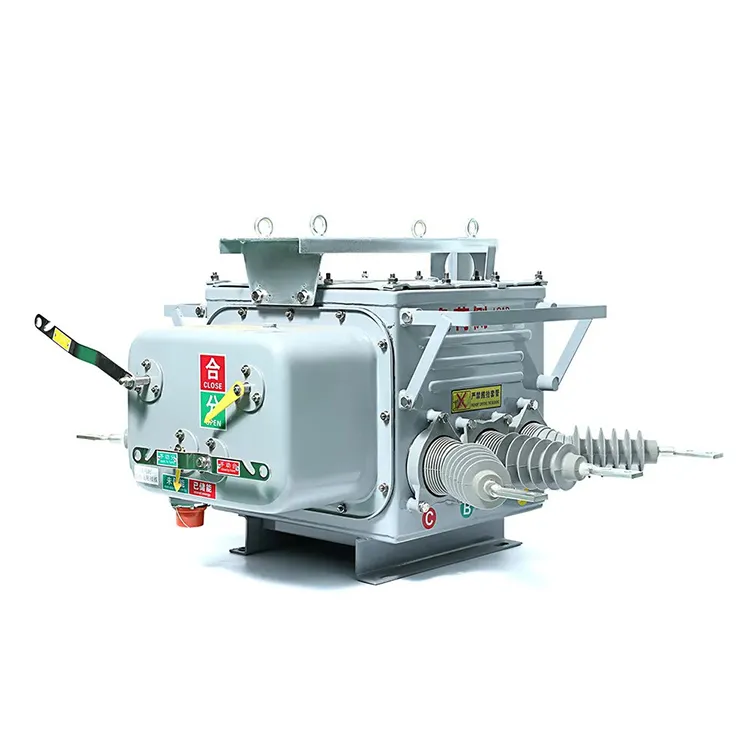
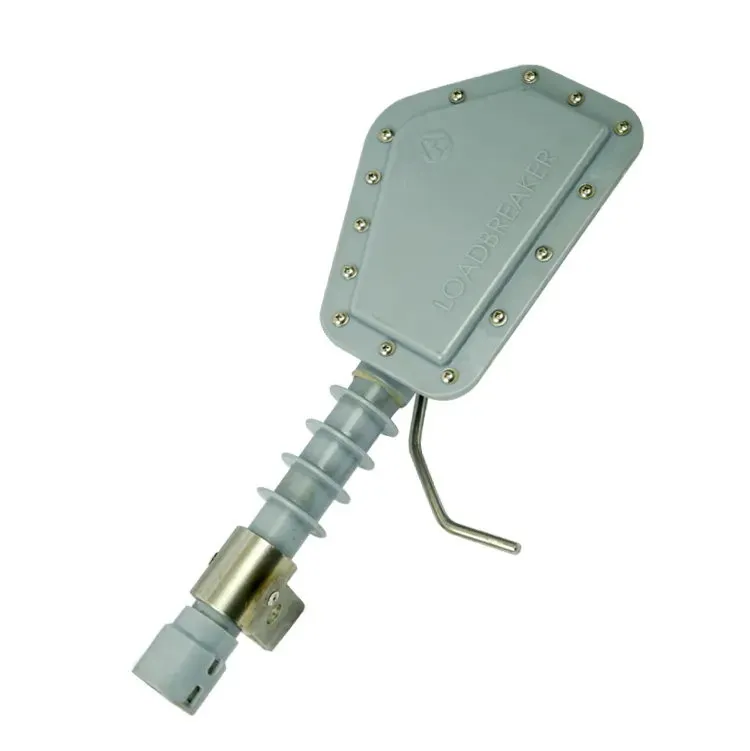


When Priya, a protection engineer in Rotterdam, reviews an illustrative 110 kV substation upgrade, she does not begin by ordering an “110 kV arrester.” She checks the insulation-coordination study, the transformer and line locations, and the temporary-overvoltage duty first. That simple change in sequence can expose a failed protective-level margin before a quotation is accepted. The scenario is illustrative; it is not a claim about a particular field incident.
Summary: A 110 kV surge arrester for lightning protection is a system-duty decision, not a product voltage label. For an AC power-system arrester above 1 kV, IEC 60099-4 is the core product and test standard. A buyer should confirm continuous operating voltage (Uc/MCOV), rated voltage, discharge-current class, TOV duty, protective-level margin, installation point, creepage and environment, and monitoring or disconnector provisions against the project study and utility standard. The arrester diverts surge current and limits voltage across equipment; it does not absorb or stop lightning, replace bonding and earthing, or substitute for an external lightning-protection system.
Lightning protection systems therefore need coordinated layers: the air terminal and down conductor, the earthing and bonding network, and the correctly specified power-system arrester. This article sets out the procurement questions that should be answered before a 110 kV quotation is compared.
Why “110 kV” is not enough information
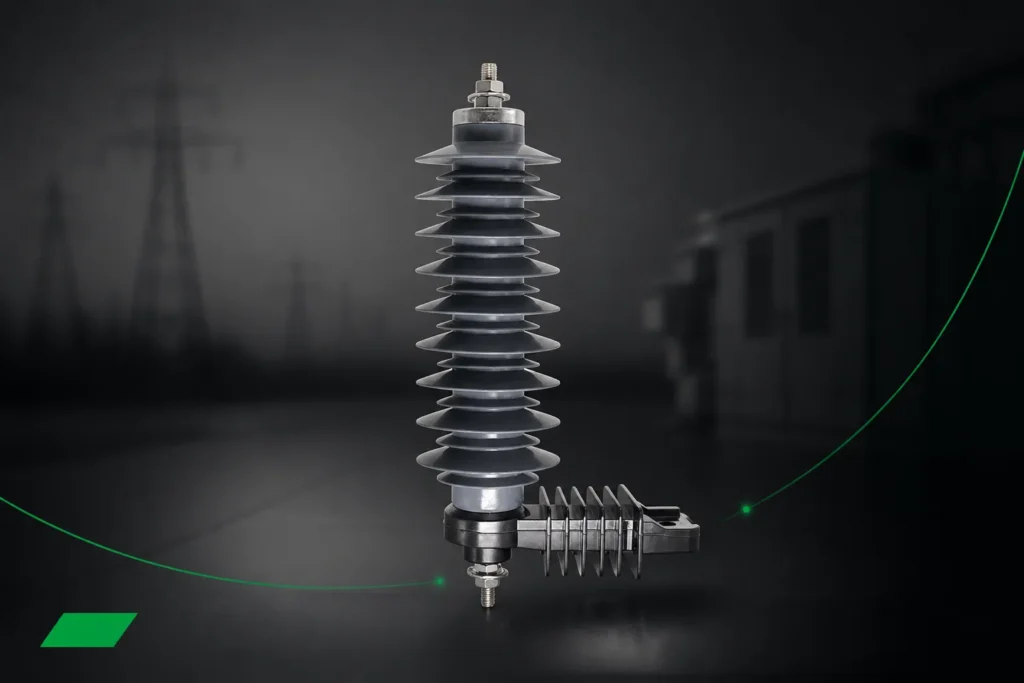
The 110 kV label usually describes a system or insulation class; it does not, by itself, establish the arrester’s continuous operating voltage, rated voltage, residual (protective) voltage, energy duty, or suitability for a particular bay. An arrester at a line entrance, transformer terminal, bus section, or cable transition sees different travelling-wave and switching conditions. The insulation-coordination study must show whether the selected protective level leaves adequate margin for the equipment’s withstand levels at that location.
IEC 60099-4:2014 applies to gapless metal-oxide surge arresters for AC power circuits above 1 kV and specifies product requirements and tests. It does not turn a nominal “110 kV” listing into a universal design approval. Ask the supplier to identify the exact Uc/MCOV and rated-voltage values, the declared discharge-current class and test basis, and the protective-level data used in the project calculation.
The project input sheet to complete before RFQ
Use the following as an RFQ gate. Blank fields should remain open questions rather than being filled with a typical catalogue value.
| Input to confirm | Why it changes the selection | Evidence to request |
|---|---|---|
| Uc/MCOV and rated voltage | Defines the continuous and temporary electrical stress the MOV blocks must withstand. | Project system data, grounding method, and manufacturer data sheet. |
| Discharge-current class and duty | Sets the applicable impulse/test duty; it is not a promise of a universal lightning-current rating. | IEC 60099-4 test classification and declared test values. |
| TOV profile | Earth faults, load rejection, and other events can hold the arrester above MCOV for a defined time. | Utility study or time-voltage TOV curve, including duration and clearing assumptions. |
| Protective-level margin | Residual voltage must coordinate with the transformer, cable, line, and bus insulation at the actual connection point. | Insulation-coordination calculation with equipment withstand values and lead-length assumptions. |
| Line, transformer, bus, or cable location | Travelling-wave reflections and lead inductance affect the voltage seen by protected equipment. | Single-line diagram, physical layout, phase-to-earth clearances, and connection sketch. |
| Creepage and environment | Pollution, altitude, humidity, salt, and outdoor exposure influence housing and creepage requirements. | Site environmental class, altitude, pollution severity, and utility design standard. |
| Monitoring and disconnector provisions | Condition indication and safe isolation affect inspection, alarm wiring, and replacement planning. | Disconnector/monitoring schematic, alarm contacts, and maintenance procedure. |
For a practical handoff, pair this sheet with the surge-arrester grounding RFQ inputs and require the supplier to mark every assumed value. Do not accept a “standard 110 kV” substitution without the utility or consultant approving the change.
How to judge the arrester’s protection role
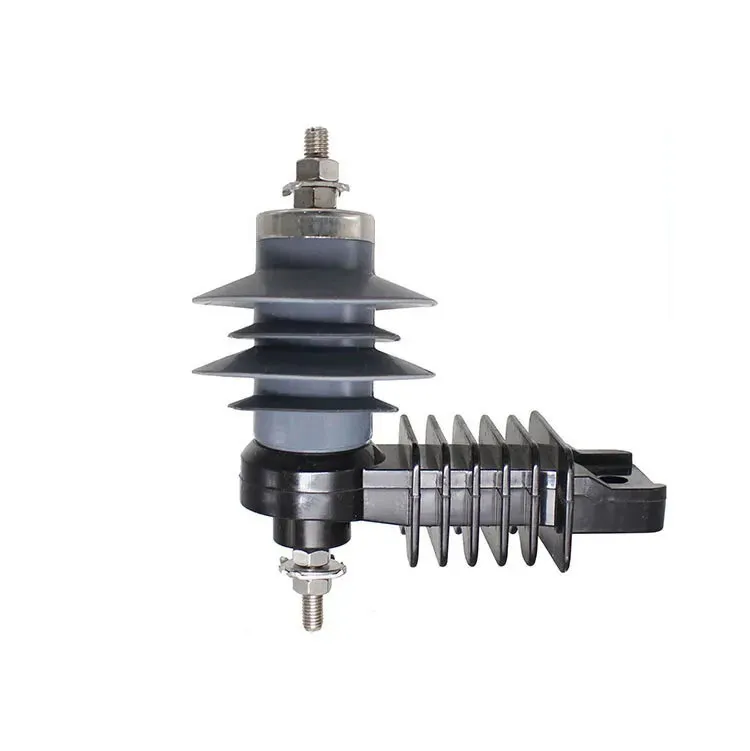
An MOV surge arrester conducts when the system voltage and surge stress reach its non-linear operating region. It creates a parallel path that diverts surge current and limits the voltage across connected equipment. Eaton’s technical overview distinguishes lightning, switching surges, and temporary overvoltages as different duties and notes that an arrester does not absorb or stop lightning. That distinction matters: a unit can be correctly tested yet still be the wrong choice if its TOV curve or protective level does not fit the network.
Lead length and earthing impedance also belong in the coordination check. A low nameplate residual voltage cannot guarantee the same voltage at a transformer bushing if connection conductors add inductive voltage during a steep front. Review the physical installation, bonding path, and equipment withstand together; a “protection distance” copied from a catalogue is not a project guarantee.
Compare options by duty, not by marketing label
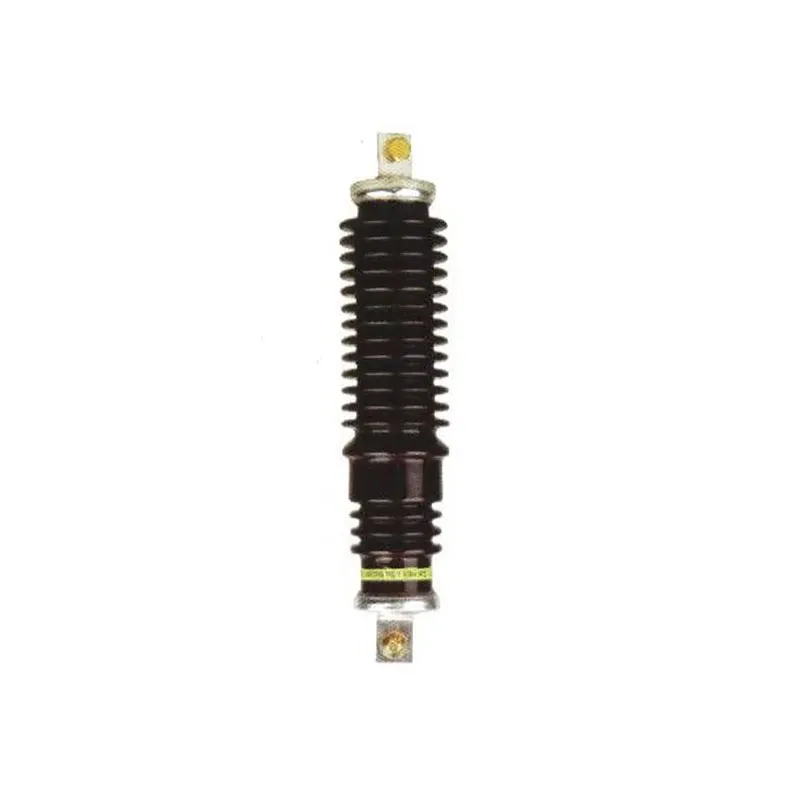
The following matrix keeps the decision tied to evidence. It is a procurement framework, not a ranking of brands or a substitute for the project study.
| Decision dimension | Option A: data matched to the study | Option B: nominal 110 kV listing only | Buyer action |
|---|---|---|---|
| Voltage duty | Uc/MCOV, rated voltage, and TOV curve are declared and checked. | Only a nominal system voltage is shown. | Hold the RFQ until the missing values are supplied. |
| Protection coordination | Residual/protective levels are mapped to each equipment withstand and lead layout. | One catalogue residual-voltage number is treated as universal. | Request the insulation-coordination calculation and assumptions. |
| Discharge duty | Class and test evidence are identified under IEC 60099-4. | “High energy” or “heavy duty” is used without a test basis. | Ask for the applicable test classification and report scope. |
| Site fit | Creepage, pollution, altitude, enclosure, and monitoring are project-specific. | Indoor/outdoor suitability is implied by a product photo. | Match environmental data and maintenance access to the utility standard. |
| Lifecycle decision | Inspection, disconnector, alarm, spares, and replacement procedure are documented. | Unsupported service-life or “maintenance-free” promise. | Use condition monitoring and inspection intervals defined by the owner. |
Standards and protection layers that must not be conflated
- IEC 60099-4:2014: the relevant core standard here for gapless metal-oxide arresters on AC power circuits above 1 kV. It specifies requirements and tests; it is not, by itself, a supplier certification.
- IEC 61643-11:2025: covers AC low-voltage surge protective devices up to 1,000 V RMS. It is useful when mapping service-entry or equipment-level SPDs, but it is not the 110 kV arrester standard.
- Project and utility standards: grounding method, insulation levels, TOV assumptions, environmental class, clearances, monitoring, and acceptance documents may be stricter or more specific. The contract should identify the governing edition and approval authority.
Terminology also overlaps: “lightning arrester” and “surge arrester” are often used for the same power-system device. The decisive boundary is voltage class and duty, installation point, earthing, and applicable standard—not whether one label sounds more suitable for a direct strike. An arrester on a 110 kV circuit does not replace the building or substation’s external lightning-protection system. For a related technical topic, see Lightning Surge Arresters: Guide to Protecting Your Electrical Systems.
For substation work, the lightning-arrester substation protection scope should be reviewed with the single-line diagram. Where the project is actually at 11 kV or 33 kV, use the corresponding 11 kV selection guide rather than scaling a 110 kV label downward.
A disciplined 110 kV procurement sequence
- Freeze the study inputs: record system voltage, grounding, fault clearing time, TOV cases, equipment withstand levels, and the arrester location.
- Define the evidence pack: request the data sheet, IEC 60099-4 test classification/results that are in scope, TOV curve, protective-level values, environmental assumptions, monitoring/disconnector details, and drawings.
- Run the coordination check: have the responsible utility or consultant verify protective-level margin with actual lead lengths and the earthing/bonding arrangement.
- Review installation and maintenance: confirm clearances, creepage, mounting, alarm circuits, inspection access, and the owner’s replacement procedure.
- Record deviations: any substituted rating, standard edition, test scope, or environmental assumption should be approved in writing before purchase.
Fuerte can support a documented RFQ comparison when the project team supplies these inputs. The useful deliverable is a traceable match between the study, the selected configuration, and the evidence pack—not a generic claim that one 110 kV arrester is “best.”
Frequently Asked Questions
What is the IEC lightning arrester standard for a 110 kV system?
IEC 60099-4:2014 is the core IEC product and test standard for gapless metal-oxide surge arresters on AC power circuits above 1 kV. It does not certify a supplier automatically; the buyer still needs the applicable test evidence, project standard, and utility approval for the selected configuration.
How do I choose a 110 kV surge arrester for lightning protection?
Start with Uc/MCOV, rated voltage, TOV duty, discharge-current class, protective-level margin, installation point, environmental/creepage requirements, and monitoring or disconnector provisions. Confirm every value against the insulation-coordination study and the governing utility standard before comparing price or delivery.
Does a 110 kV arrester stop lightning?
No. It diverts surge current and limits voltage across the equipment it is connected beside. External lightning interception, down conductors, earthing, bonding, clearances, and coordination remain separate parts of the protection system.
How long does a 110 kV surge arrester last?
There is no evidence-based universal 15–20-year answer. Life depends on cumulative lightning and switching duty, TOV exposure, contamination, moisture, thermal condition, installation, and the owner’s inspection criteria; specify monitoring and replacement decisions rather than promising a fixed lifespan.
Is a “110 kV” product listing enough for an RFQ?
No. The listing is an initial identifier, not a completed specification. Require the project values, location, environmental class, test scope, drawings, and deviations listed in the RFQ input sheet, then obtain written acceptance from the responsible utility or consultant.
References
- International Electrotechnical Commission, IEC 60099-4:2014, Surge arresters—Part 4: Metal-oxide surge arresters without gaps for a.c. systems.
- International Electrotechnical Commission, IEC 61643-11:2025, Low-voltage surge protective devices—requirements and test methods.
- Eaton, Fundamentals of surge arresters.
The procurement principle is simple: specify the network duty and coordination margin first, then select the arrester configuration that can prove it. For a project-specific review, contact Fuerte with the single-line diagram, study assumptions, environmental data, and required utility standard.