
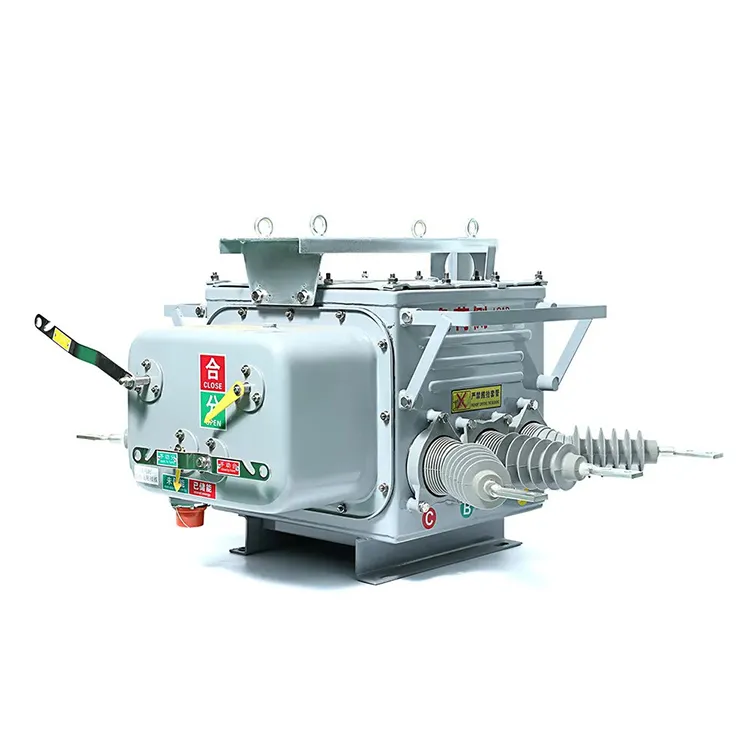
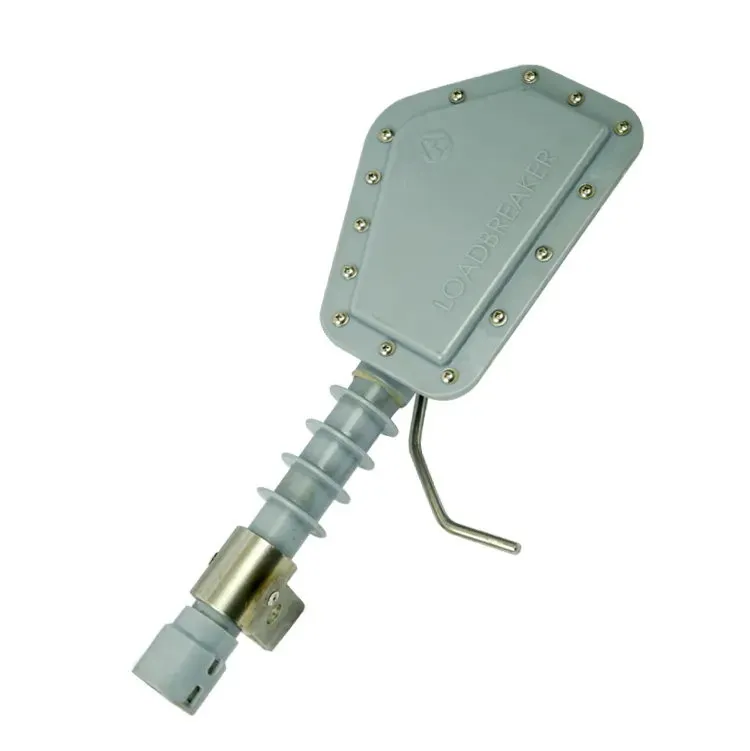


An 11kv vacuum circuit breaker selection review is controlled when the buyer confirms system voltage class, earthing and study inputs, stated operating duty, mechanical and control interfaces, and a document package for the exact quoted configuration. A catalogue voltage label or a product-page headline does not complete that review by itself.
In 11 kV distribution networks, the same voltage class can cover indoor switchgear modules, outdoor pole-mounted assemblies, and industrial feeder applications with different fault levels, mounting constraints, and coordination needs. The practical step is to record system inputs first, then check the offered SKU and documents against them.
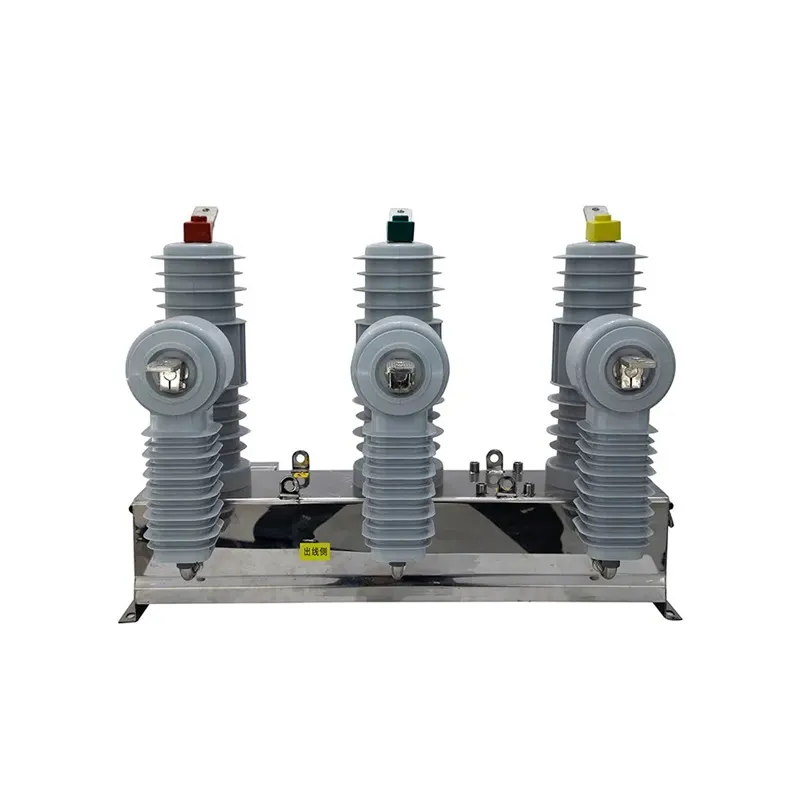
What does the 11 kV label establish, and what remains open?
The network’s 11 kV class describes a nominal system voltage level used in project documents. A breaker’s rated voltage is an equipment rating checked against that system through the owner’s basis of design, earthing arrangement, and insulation coordination study. The two labels are related; they are not interchangeable.
Use the vacuum circuit breaker product family as product-line context. For operating principle background, see how does a vacuum circuit breaker work. This page does not repeat the wider buyer overview in the technical guide to vacuum circuit breakers and does not cover 11 kV arrester or isolator selection.
Which network inputs must be confirmed first?
Before comparing SKUs, record the nominal and maximum system voltage references, earthing or neutral treatment, expected fault level basis, and any owner requirement that affects continuous or temporary voltage stress on equipment. These inputs come from the single-line diagram, system study, or owner specification—not from a brochure table.
| System input | Why it matters in review | Buyer record |
|---|---|---|
| Nominal system voltage class | Sets the project voltage context | Diagram reference and value source |
| Earthing / neutral | Affects voltage stress and duty assumptions | Named arrangement or study note |
| Fault level basis | Bounds interrupting and making duty review | Study report or owner limit |
| Coordination context | Links breaker duty to upstream/downstream devices | Protection study reference |
Important: IEC 60038 defines standard nominal system voltages, and IEC 62271-100 publishes the scope for alternating-current circuit-breakers. Those sources guide vocabulary and review structure; they do not certify that an unnamed configuration meets a specific 11 kV project.
Which switching duties change the breaker selection?
State the expected switching operations, load-switching expectations if any, auto-reclose philosophy where applicable, and whether the breaker is expected to handle cable or overhead feeder duty. Duty belongs in the RFQ as a functional requirement tied to the system study, not as an assumed default for every 11 kV catalogue line.
Where the project expects functions beyond basic fault interruption—such as rapid reclosing or defined short-time currents—name them explicitly so the supplier can confirm the offered module or record an exception.
Which mechanical interfaces must the RFQ show?
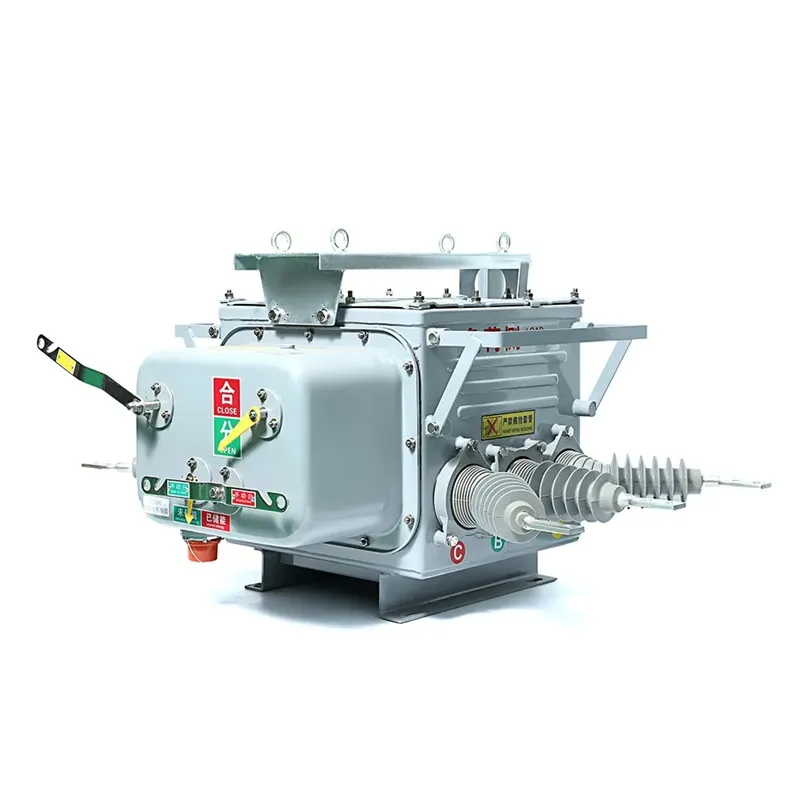
Drawings should define indoor versus outdoor arrangement, mounting method, clearance envelope, cable or bus connection type, phase spacing constraints, and environmental limits for the installation location. A pole-mounted outdoor review and a metal-enclosed cubicle review share the 11 kV class label but not the same interface package.
| Interface item | Buyer should supply | Supplier should confirm |
|---|---|---|
| Mounting and support | Structure reference and load path | Offered mounting arrangement |
| Terminations | Cable or bus type and entry direction | Included terminations and exclusions |
| Clearances | Site and enclosure constraints | Outline drawing with dimensions |
| Environment | Temperature, pollution, and exposure class | Stated environmental limits of offer |
Which controls and protection interfaces need agreement?
List control voltage, trip and close circuits, auxiliary contact requirements, motor operation if needed, and any relay or SCADA interface expected by the operating philosophy. Coordination with relays, other breakers, and transfer schemes is an engineering-review item documented in the protection study—not inferred from a product name.
Treat every unnamed auxiliary or interlock as an open scope item until the wiring diagram and terminal schedule for the offered configuration are reviewed.
Which evidence should accompany an 11 kV quotation?
An 11 kV VCB RFQ should travel as one controlled package: system inputs, duty statement, interface drawings, accessory list, quantity and delivery requirements, and the document set each bidder must return. At minimum, request the exact offered SKU, data sheet, outline drawing, wiring diagram, compliance/deviations schedule, and any test reports named in the buyer specification. For a related technical topic, see VCB Panel Specification: RFQ Inputs for Medium-Voltage Projects.
| Document | Purpose in bid review |
|---|---|
| Data sheet | Confirms named ratings for the offered module |
| Outline drawing | Confirms mechanical and clearance interfaces |
| Wiring diagram | Confirms control, auxiliary, and interlock scope |
| Compliance schedule | Makes deviations visible before award |
A product-page rating table is useful orientation. It does not replace project approval documents for the exact quoted configuration.
How should an 11 kV product inquiry be documented?
After system inputs are recorded, the ZW32-12/630-20 Vacuum Circuit Breaker page provides a verifiable FUERTE inquiry context for the 11 kV class. Ask the supplier to confirm the exact offered configuration, current drawings, and documents against your RFQ inputs rather than treating the page as automatic project approval.
Fit boundary
This guide suits buyers defining 11 kV class system inputs before supplier engagement. It is not a substitute for the owner’s protection study, and it does not approve a SKU without configuration-specific documents. Send the completed input pack through contact FUERTE when the evidence list is ready.
FAQ

What does 11kV mean on a vacuum circuit breaker?
It usually refers to equipment rated for use in an 11 kV class system context. The project still must confirm how that rating relates to the network voltage, earthing, and study inputs.
What system data must be confirmed first?
Record nominal and maximum voltage references, earthing or neutral treatment, fault level basis, and coordination context from the owner documents or system study.
Does earthing change an 11 kV VCB review?
Yes. Earthing and neutral treatment affect the voltage stress and duty assumptions used during equipment review.
What operating duty belongs in the RFQ?
State expected switching operations, any load-switching expectation, reclose philosophy if applicable, and the feeder type the breaker protects.
Which interfaces must drawings define?
Mounting, terminations, clearances, phase spacing, and environmental limits for the actual installation location.
What documents should a quotation include?
Request the exact offered SKU, data sheet, outline drawing, wiring diagram, compliance/deviations schedule, and any test reports named in the buyer specification.
Can product-page ratings replace project approval?
No. Page-listed values are SKU context until the exact offered configuration and supporting documents are reviewed against the project requirement.
When should engineering contact the supplier?
After system inputs, duty statement, interface drawings, and the evidence list are assembled—not before those records exist.
Why is 11 kV alone not a complete breaker specification?
An 11 kV vacuum circuit breaker inquiry should begin with the network study. IEC 62271-100:2021+AMD1:2024 applies to three-phase AC circuit-breakers above 1 kV and includes direct making-breaking methods. Confirm maximum system voltage, fault level, earthing, X/R or equivalent duty data, insulation levels, TRV, operating sequence and connected load. Keep vacuum circuit breaker selection separate from panel and relay scope. Missing fault level, unclear control voltage or an unconfirmed switching duty should be stated as deviations. A medium-voltage VCB quote is stronger when it identifies assumptions instead of hiding them.
Does an 11 kV label determine the short-circuit rating?
No. Fault study, earthing arrangement and applicable breaker requirements determine the required duty.
Summary
An 11 kV vacuum circuit breaker inquiry should begin with the network study. Confirm the project inputs, match the exact product evidence and record unresolved assumptions before purchase.
References
- IEC 62271-100: High-voltage switchgear and controlgear—Part 100: Alternating-current circuit-breakers
- IEC 60038: IEC standard voltages
- IEEE C37.04-2018: IEEE Standard for Preferred Ratings for Medium-Voltage AC Circuit Breakers
- Wikipedia: Circuit breaker
- IEC 62271-100:2021+AMD1:2024
- IEC 62271-200:2021