
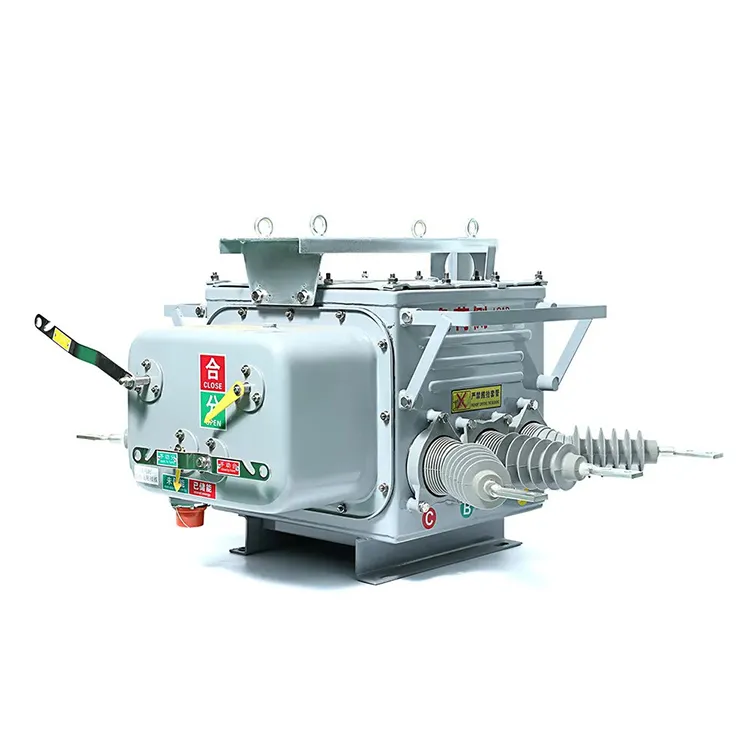
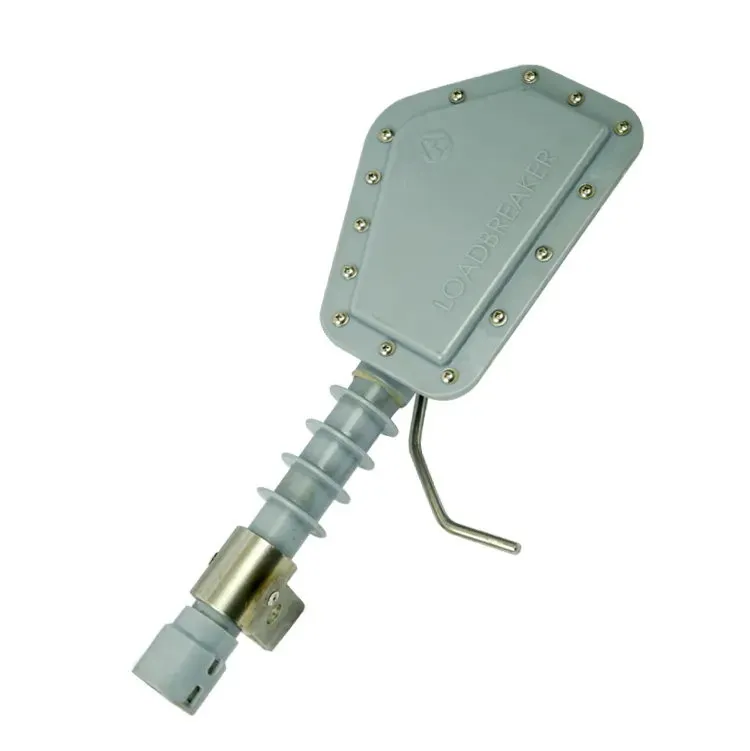


An enclosed cutout fuse and a dropout-style cutout serve related overhead protection roles, but they differ in enclosure, visible-break behavior, interrupter expectations, and the evidence buyers must request before treating either label as approved project fit. Use it to separate enclosure talk from interrupter and indication duties. It is a checklist for procurement and engineering teams — not sizing or approval for enclosed-fuse-cutout-vs-dropout-selection.

Part 1. What Buyers Usually Mean by Enclosed Versus Dropout
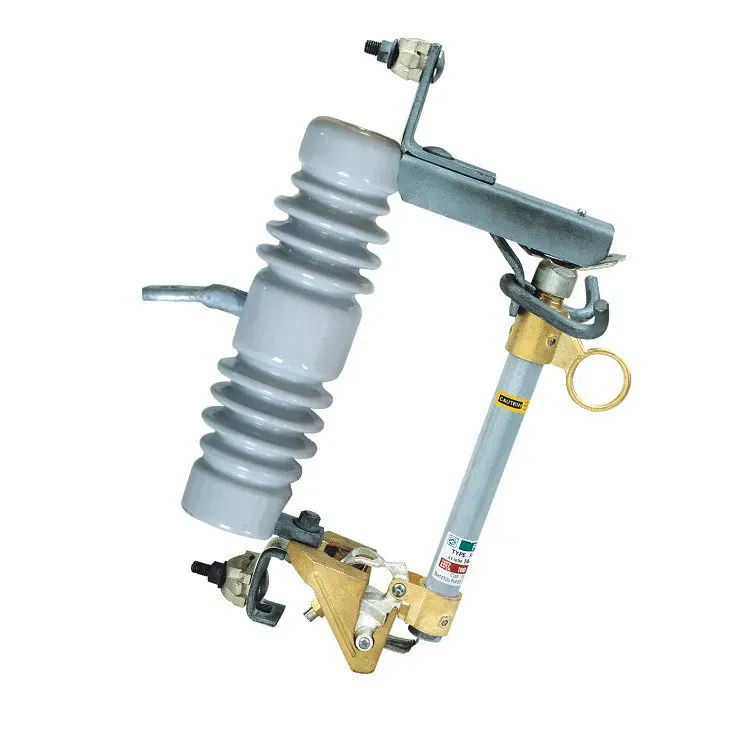
Procurement language often mixes enclosure style with interrupter duty. An enclosed cutout fuse discussion typically asks whether live parts and the fuse path sit inside a housing that changes access, pollution exposure, or maintenance practice. Dropout language usually emphasizes a tube that drops open after operation so crews can see an operated state from the ground. Those are related but not identical questions. Write both the housing expectation and the indication expectation separately before comparing catalog photos.
Readers searching for enclosed cutout fuse usually need a project checklist, not a catalog slogan.
Buyers comparing enclosure photos without indication and interrupter notes often discover procedure mismatches after delivery.
Part 2. Which Fit Inputs Separate the Two Families?
Start with system voltage class, BIL, continuous current, and available fault level from project documents. Then add mounting style, phase arrangement, fuse-link class, and whether loadbreak or linkbreak functions are claimed. Enclosure preference alone does not replace those inputs. If the RFQ only says enclosed or dropout without electrical and mechanical conditions, suppliers will fill gaps with assumptions that may not match the line.
| Fit input | What to record | Why it decides |
|---|---|---|
| Voltage / BIL | System class and insulation level from drawings | Bounds candidate cutout families |
| Continuous current | Design continuous current with source note | Sets ampere class discussion |
| Fault level | Available fault with calculation basis | Frames interrupting evidence asks |
| Indication need | Visible drop or enclosed status expectation | Separates dropout vs enclosed preference |
| Mounting | Pole hardware and phase arrangement | Avoids banked-pole surprises |
Part 3. How Should Interrupter and Indication Claims Be Reviewed?
Ask whether the offered device claims only expulsion fuse protection, additional loadbreak capability, or a special enclosed interrupter path. Separately ask how an operated state is indicated to crews and whether that indication is required by the utility procedure. Catalog wording that blends enclosure marketing with interrupter claims needs clarification against manufacturer documentation for the exact model offered.
Important: An enclosed or dropout label does not define interrupting capability, loadbreak claims, or project acceptance. Those belong to documented system inputs and verified model data. (Source: IEEE / IEC cutout and fuse overview practice; project documents.)
Part 4. What Environmental and Access Notes Belong in the RFQ?
Pollution, wildlife, ice, and crew access can push buyers toward one housing concept, but the RFQ should state those drivers as questions rather than as proven product claims. Note whether hot-stick replacement of the fuse link is expected, whether covers or wildlife guards are in scope, and which documents must confirm creepage or housing material. Unlabeled features on a product image are review questions, not accepted scope.

| RFQ note | Document question | Common gap |
|---|---|---|
| Housing | What enclosure claims apply to the offered model? | Photo-only enclosure talk |
| Fuse link | Which link class and speed are assumed? | Silent link assumptions |
| Loadbreak claim | Is loadbreak in scope or excluded? | Marketing mixed with duty |
| Wildlife / cover | Are guards or covers included? | Field add-ons forgotten |
| Documents | Which datasheets and drawings ship with the offer? | Family brochure only |
Part 5. How Do You Avoid Cannibalizing Nearby Cutout Guides?
Use this page for enclosed-versus-dropout fit boundaries. Keep ratings matrices, 15 kV or 27 kV class walkthroughs, and full RFQ field lists on their sibling pages. Cross-link those guides when a buyer needs depth, but do not republish the same title angle. Distinct intent keeps search clusters and internal navigation useful for EPC and utility teams.
During review, archive the drawing revision, fuse-link class assumption, and whether visible drop indication is mandatory in the utility procedure.
Related reading: dropout vs loadbreak fuse cutouts; fuse cutout ratings and selection; fuse cutout RFQ checklist.
Part 6. Which FUERTE Routes Fit After Inputs Are Documented?
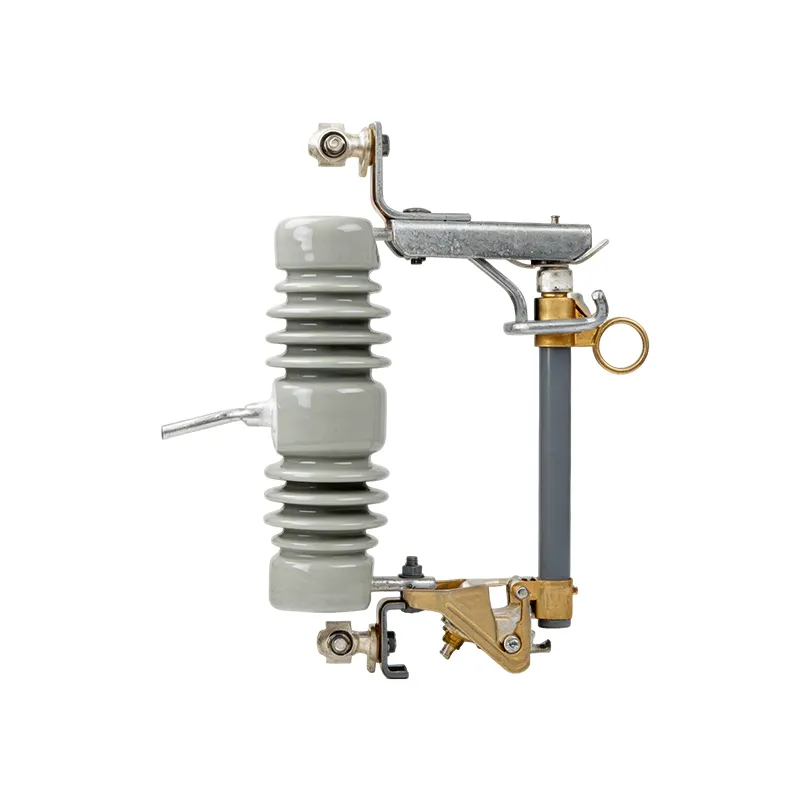
Write system inputs and indication needs first, then discuss porcelain standard/loadbreak or dropout product routes with controlled project data. Selection still requires verified manufacturer data for the exact model, not a family name alone. Send mounting sketches, fuse-link class, and fault-level basis with the inquiry so commercial replies can be compared fairly.
| Project signal | FUERTE route | Send with inquiry |
|---|---|---|
| Porcelain cutout with documented duty | FSC Porcelain Type Standard and Loadbreak Fuse Cutout | Voltage, current, fault, mounting |
| Visible dropout indication required | FSC-1-1 Drop Out Fuse Cutout | Indication need, link class, system class |
| Polymer housing preference later | HFSC polymer cutout discussion after inputs | Pollution notes, model identity |
- FSC Porcelain Type Standard and Loadbreak Fuse Cutout — porcelain cutout route after duty inputs are documented.
- FSC-1-1 Drop Out Fuse Cutout — dropout route when visible drop indication is required.
Open the FUERTE Fuse Cutout for related cutout vocabulary; send documented duty sheets through contact FUERTE.
Part 7. What Are the Fit Boundaries?
Read this guide as selection vocabulary for enclosed cutout fuse versus dropout comparisons. It does not size equipment, invent interrupting ratings, or claim IEC/ANSI approval for any SKU. Final acceptance requires project documents, responsible engineers, and verified product evidence.
FAQ
What is an enclosed cutout fuse in procurement language?
It usually means a cutout concept where enclosure or housing behavior is part of the buyer question, separate from the electrical ratings that still must be documented.
Is an enclosed cutout the same as a dropout cutout?
Not automatically. Dropout emphasizes visible drop indication after operation; enclosed wording emphasizes housing. Confirm both expectations in the RFQ.
Which inputs come before brand comparison?
System voltage and BIL, continuous current, fault level basis, mounting, fuse-link class, and whether loadbreak is claimed.
Can a catalog photo prove enclosure fit?
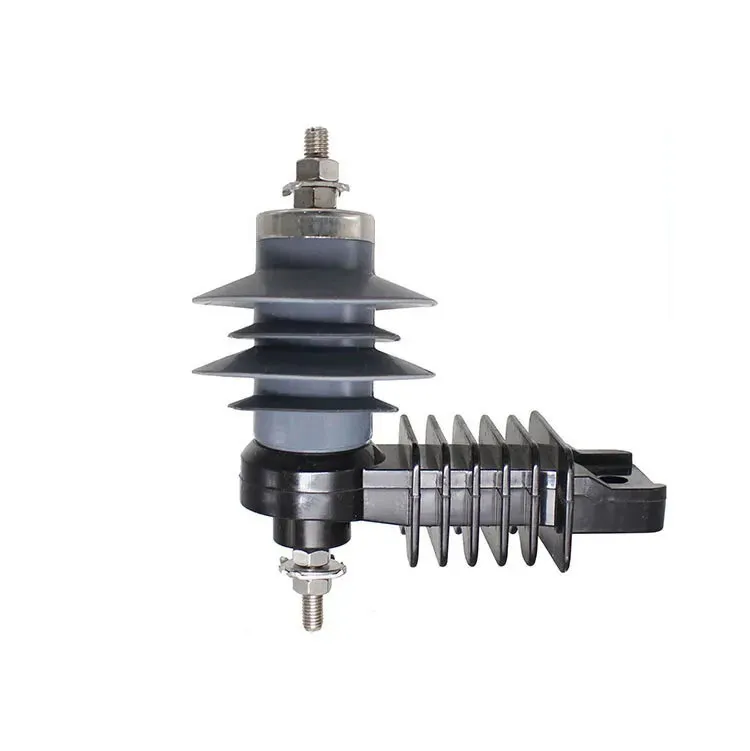
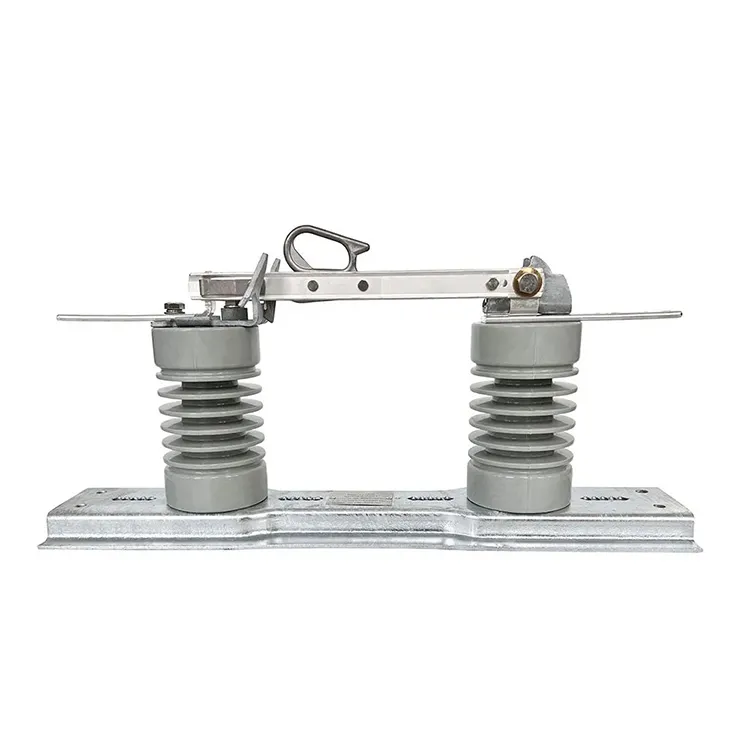
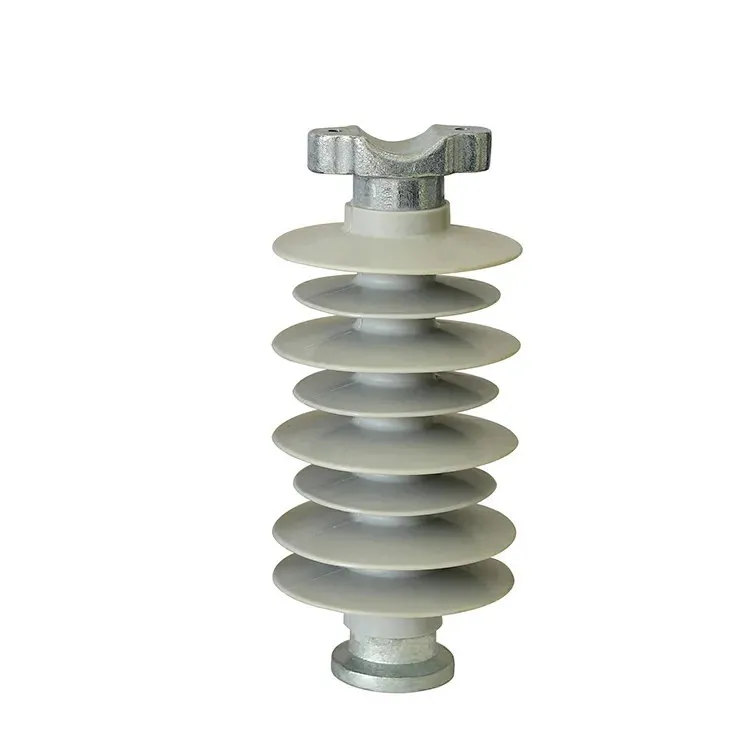
No. Photos illustrate products; approved fit needs model-specific documents and project conditions.
When should I open the dropout vs loadbreak guide instead?
When the primary question is interrupter/loadbreak duty rather than enclosure-versus-dropout indication.
Do pollution notes replace electrical ratings?
No. Environmental notes guide housing questions; electrical ratings still come from project documents and verified data.
What belongs in an enclosed-versus-dropout RFQ?
Duty inputs with sources, indication expectations, enclosure questions, inclusions/exclusions, and required documents.
Does this page certify a cutout for a line?
No. Final selection and acceptance require responsible professionals and verified manufacturer evidence.