
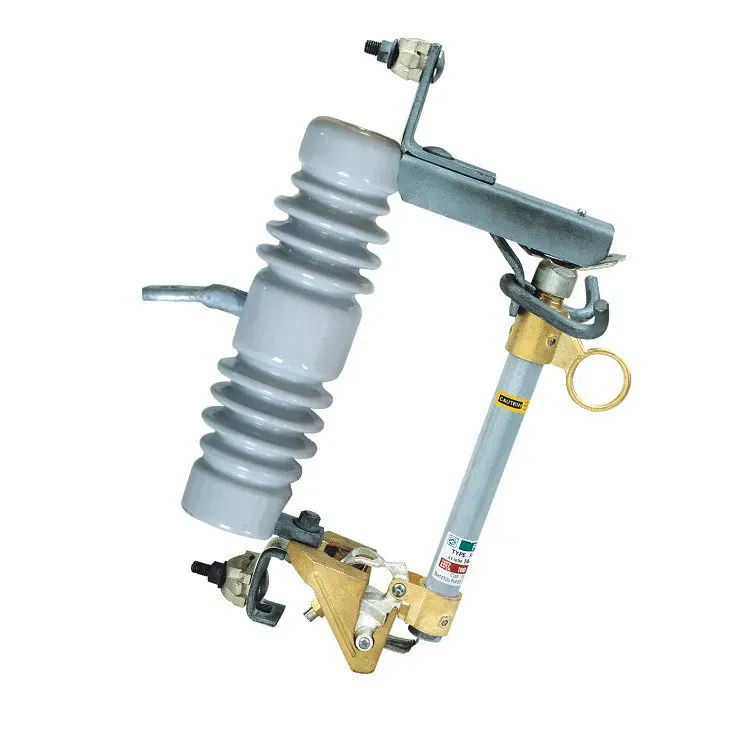
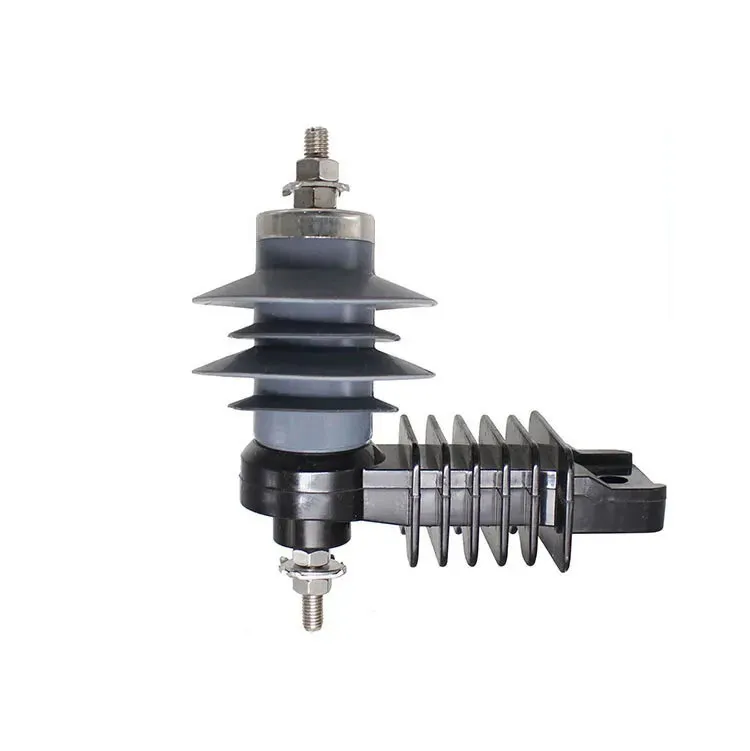
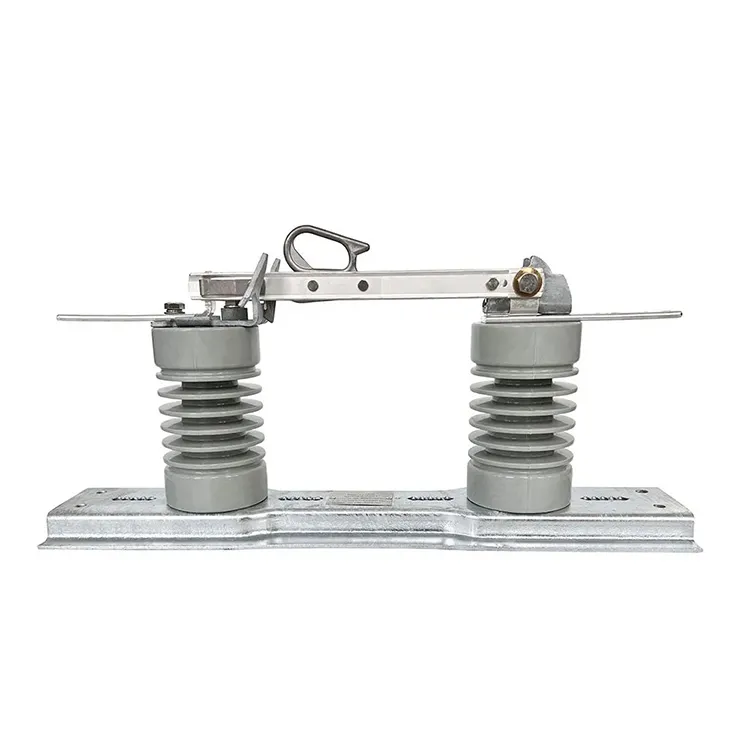
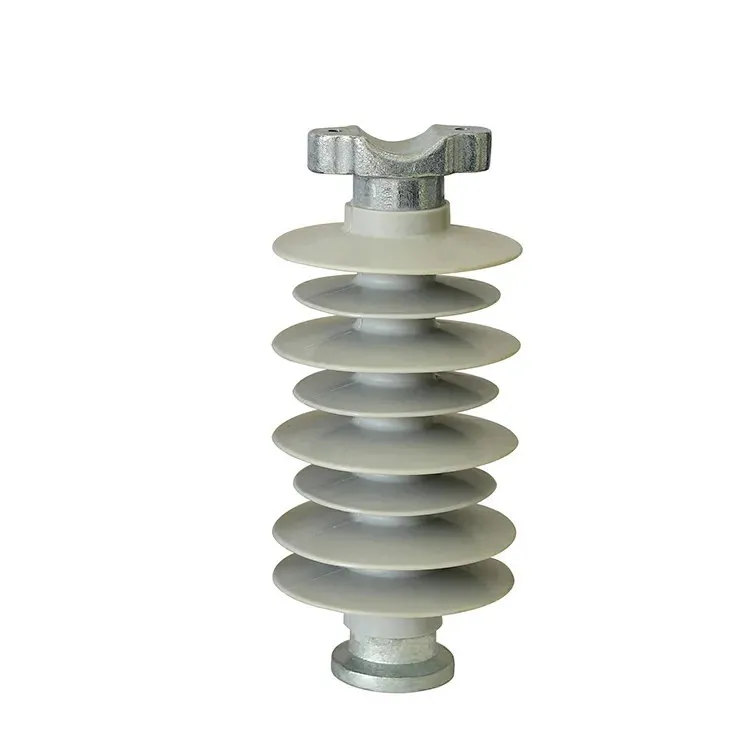
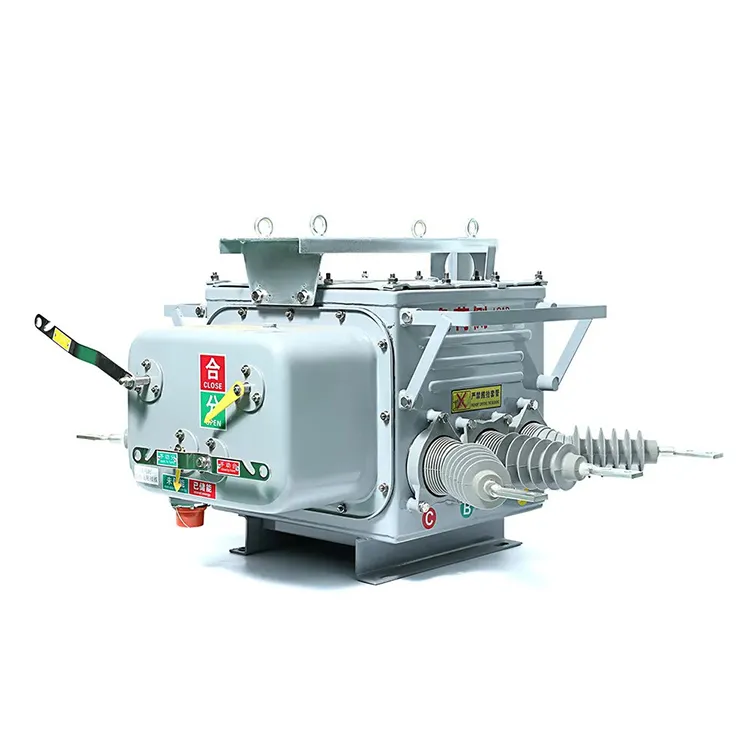
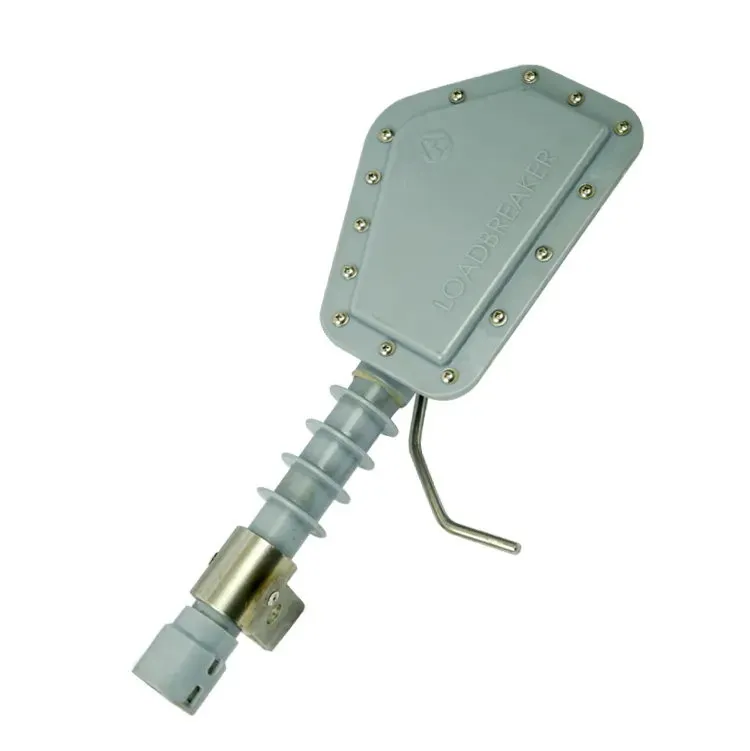


For a substation project, a lightning arrester for substation is not a stand-alone promise that every connected asset will be protected. It is a location-specific element in a wider insulation, grounding, layout, and operating design. The practical purchasing question is therefore not simply “which arrester?” It is “which equipment interface is under review, what system conditions apply, and what evidence lets the owner compare offers responsibly?”
This article frames those questions for global medium-voltage distribution and substation teams. It does not select an arrester for a distribution transformer, replace an insulation-coordination study, or certify a project arrangement.
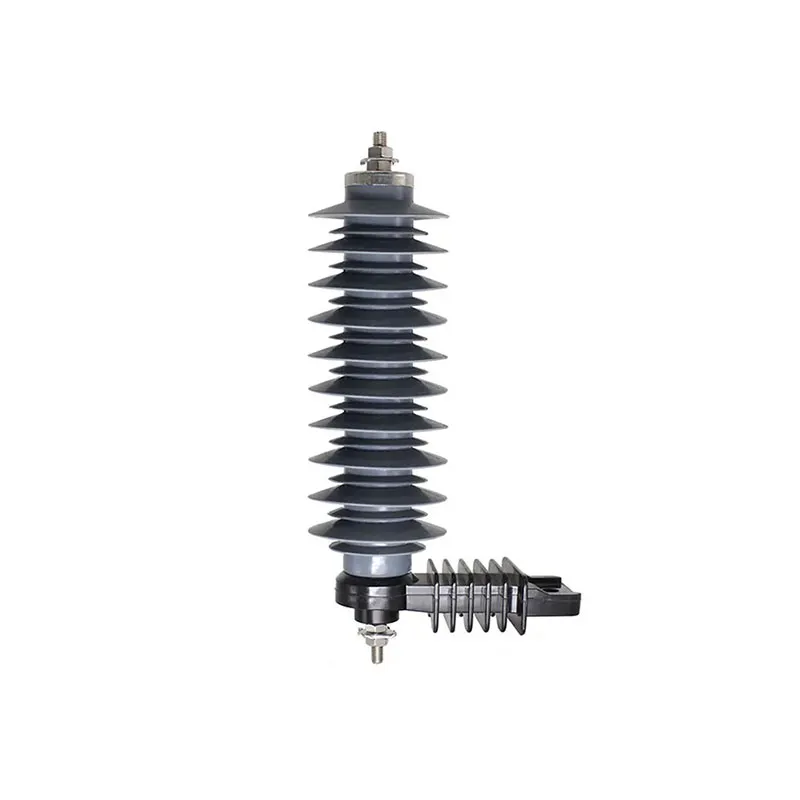
What protection scope should a substation arrester review define?
Start with the interface, not a generic product category. A station may have incoming overhead lines, cable transitions, bus sections, switchgear, transformer terminals, auxiliary circuits, and outgoing feeders. Each location has its own physical separation, insulation level, grounding path, and switching context. The review should identify the equipment interface and the surge path being considered.
The useful scope statement is bounded: it says which location and equipment are being assessed, then records the inputs still to be confirmed. It should not state that one device protects an entire substation. That conclusion requires project engineering and a coordinated view of the arrangement.
| Scope question | Evidence needed | Why it belongs in the review |
|---|---|---|
| What is the protected interface? | One-line diagram and equipment tag | Distinguishes an incoming line point from a cable, bus, or terminal location. |
| Where is the proposed location? | General arrangement and elevation drawing | Shows physical separation and conductor routing. |
| What insulation coordination applies? | Owner design basis or study extract | Keeps the discussion tied to the project rather than a catalog label. |
| Who approves the arrangement? | Owner/EPC responsibility matrix | Separates quotation support from design approval. |
For broader product-family orientation, see the FUERTE lightning arrester range. The family page is a starting point; the project documents determine whether a particular arrangement can be evaluated.
Where should placement be reviewed in a substation layout?
Placement should be reviewed at the point where an exposed line, cable, bus, or equipment terminal meets the station arrangement. Common review points include a line entrance, a cable sealing-end interface, a bus connection, or a terminal identified by the owner’s drawings. Naming a location is more useful than describing an arrester as a general station accessory.
Lead routing is part of that review. The line-side connection, the earth-side connection, nearby metalwork, and the grounding network should appear on the layout or installation drawing. A short, direct physical route may be a design objective, but its acceptability depends on the actual clearances, supports, and station grounding design.
| Layout prompt | RFQ attachment | Decision owner |
|---|---|---|
| Incoming line or cable entry point | Marked general arrangement | EPC / owner engineer |
| Bus or equipment terminal interface | One-line diagram with tag numbers | Protection or primary design team |
| Arrester mounting and lead route | Elevation or installation sketch | Civil / primary interface team |
| Earth connection to the grid | Grounding drawing | Grounding-design owner |
Related reading on lightning and surge arresters for industrial power grids adds wider grid context. It should not replace a layout-specific substation review.
Which equipment interfaces belong in the protection discussion?
The discussion should follow the station’s actual interfaces. An overhead line entrance can call for different drawing evidence from a cable termination. A bus section or switchgear connection can introduce different accessibility, clearance, and maintenance questions. The article’s purpose is to make those interfaces visible in the RFQ, not to declare a universal placement rule.
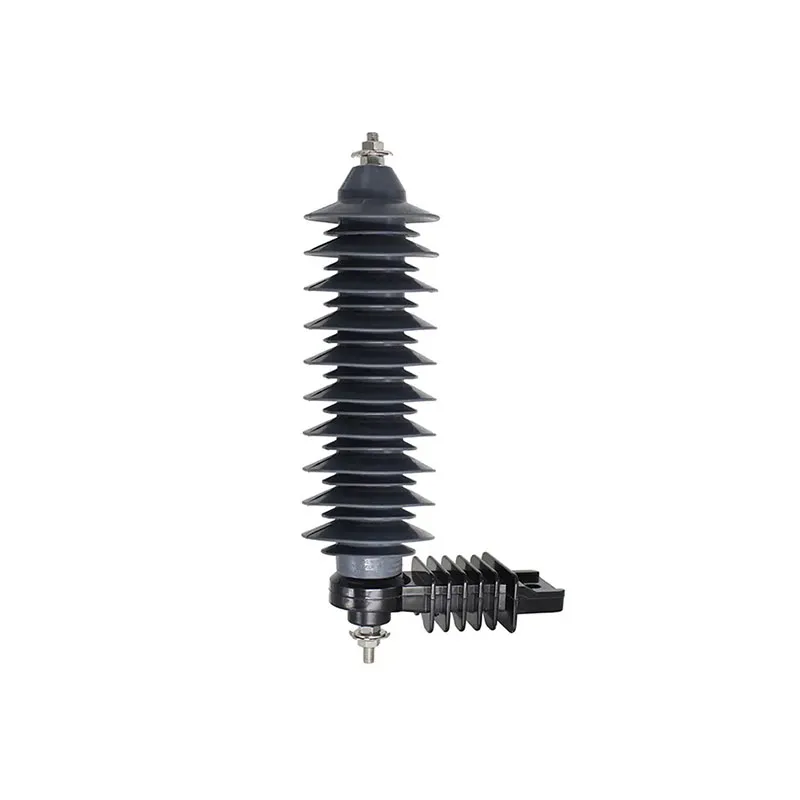
Where a transformer terminal appears on the one-line diagram, keep the scope clear. The transformer is an interface in the station review, but transformer-specific arrester selection belongs in the separate metal-oxide surge arrester selection for distribution transformers guide. Do not copy a transformer-oriented selection result into a station-wide procurement decision. For a related technical topic, see Transformer Surge Arresters: Coordination Questions Before Selection.
At each interface, request the equipment nameplate or design data that the owner permits the supplier to review. That keeps the quotation tied to the actual project and avoids inferring conditions from a photo, a generic single-line symbol, or a previous project.
Which system inputs should an RFQ state?
An RFQ needs electrical context before a supplier can identify what documentation or clarification is required. State nominal system voltage, system grounding arrangement, frequency where relevant to the owner specification, maximum continuous operating voltage requirement, temporary-overvoltage conditions, and the project’s insulation-coordination basis where available. Add fault-level and switching-duty information if the owner’s design process identifies them as relevant inputs.
These fields are inputs for review, not buyer-calculated proof that a device is suitable. If a required value is unavailable, label it as pending owner confirmation instead of filling the gap with a nearby project value.
| RFQ input | What to provide | Evidence source |
|---|---|---|
| System and equipment identification | Voltage level, bay, equipment tag, one-line location | Approved one-line diagram |
| Grounding arrangement | Earthing method and grounding drawing revision | Grounding design package |
| Operating-voltage requirement | Owner-defined continuous-voltage requirement | Insulation-coordination basis |
| Temporary-overvoltage conditions | Duration and stated scenario, if available | System-study extract |
| Site environment | Altitude, pollution, seismic or climate requirements where specified | Project design basis |
| Standard and documentation request | Applicable edition, requested reports, drawing format | Owner procurement specification |
The link to the difference between surge arrester and lightning arrester is included for terminology. This RFQ section intentionally does not repeat that comparison because placement and evidence are the decision focus here.
What physical-installation evidence should be requested?
Electrical fields alone do not describe the installation. Ask for a marked layout, mounting location, conductor and earth-lead routing, grounding connection point, access constraints, and any clearance or maintenance requirements set by the project. These documents let the supplier flag questions without taking over the owner’s design responsibility.
Drawing control matters. Identify the revision, issuing party, and any pending interfaces, especially where civil steelwork, cable works, or switchgear packages meet. A quotation based on an unmarked or superseded drawing is hard to compare with another offer.
| Physical evidence | Review question it supports |
|---|---|
| General arrangement and elevation | Is the proposed location identified and accessible? |
| Mounting detail | Which structural interface, hardware boundary, and orientation apply? |
| Line and earth lead route | What route and connection points must be reviewed? |
| Grounding drawing | Which grid connection and design revision apply? |
| Cable or line termination drawing | Which equipment interface is actually under consideration? |
Standards pages such as IEC 60099-4 provide context for metal-oxide surge arresters, but a standards reference does not prove that a specific drawing, installation, or purchase order complies with it.
What does an arrester not establish by itself?
An arrester does not by itself establish station-wide protection, insulation coordination, grounding adequacy, construction quality, maintenance suitability, or acceptance by the owner. Those outcomes depend on the full project design, equipment interfaces, installation records, and approval process.
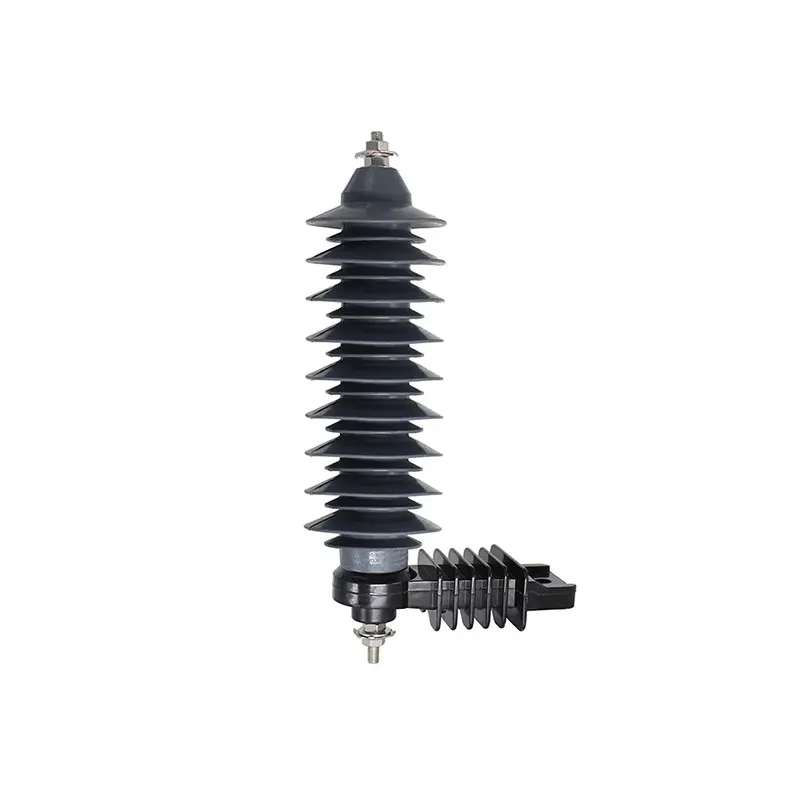
It also does not turn a generic product image into a project specification. Images can support page navigation and product recognition, yet they do not prove ratings, tests, certificates, construction details, or suitability. Request the exact SKU documentation and review it against the approved project requirements.
This boundary is important when an RFQ includes a transformer terminal. The station review may identify that interface, while the separate transformer selection workflow resolves transformer-specific questions. Keeping the two scopes separate prevents a quotation from implying a wider design conclusion than the documents support.
How should buyers package RFQ evidence and product context?
Send one controlled RFQ set: the marked one-line diagram, layout and grounding drawings, electrical-input schedule, environmental requirements, applicable specification, requested documentation list, quantity, delivery scope, and commercial terms. State which information is preliminary and who will issue final confirmation. This gives each supplier the same evidence base and makes exclusions visible.
Use the YH510W-30/YH510W-30J surge arrester product context page as a product discussion entry point only. It is not a universal product recommendation and this article does not state SKU parameters, certifications, or project-fit claims. Ask for documentation for the exact offered SKU and compare it with the controlled RFQ.
For an evidence-led quotation discussion, contact FUERTE with the project document set. The supplier response should identify assumptions, documents reviewed, and items still needing owner confirmation.
A useful 2026 review adds one evidence checkpoint that many legacy articles omit: the standard edition and the voltage terminology must be recorded together. IEC 60099-4 is the relevant reference for metal-oxide arresters on AC circuits above 1 kV, while MCOV, rated voltage, temporary overvoltage exposure, residual voltage and energy duty answer different questions. A catalogue number therefore cannot replace the owner’s insulation-coordination basis. Record the source document, revision date and the system earthing assumption beside every value in the RFQ.
The same discipline applies to physical installation. Lead length, earth routing, equipment separation and the actual protected terminal can change the engineering review even when two offers carry the same nominal voltage label. Current search results repeatedly surface MCOV, TOV, residual-voltage and energy questions, but those are prompts for verification, not universal setpoints. Buyers should ask suppliers to identify the test report, declared standard edition, drawing revision and unresolved project input rather than turning a general guide into a guaranteed protection claim.
FAQ
Where are lightning arresters placed in a substation?
Placement is reviewed at identified interfaces such as a line entrance, cable termination, bus connection, or equipment terminal. The approved layout and one-line diagram determine the actual location under review.
Can one arrester protect an entire substation?
No single product statement establishes station-wide protection. Protection scope depends on the coordinated project design, equipment interfaces, grounding, installation, and owner approvals.
What system data belongs in a substation arrester RFQ?
Provide the system and equipment identification, grounding arrangement, operating-voltage requirement, temporary-overvoltage information where available, environmental requirements, applicable specification, and controlled drawings.
Why do lead routing and grounding details matter?
They show the proposed physical connection path and the grounding-design interface. Those details should be reviewed against the actual layout rather than assumed from a generic diagram.
Should an arrester be specified from a product image?
No. An image is not evidence of ratings, tests, certifications, construction, or site suitability. Request documentation for the exact offered SKU.
What documents should a supplier receive before quotation?
Send the marked one-line diagram, layout, mounting and grounding drawings, electrical-input schedule, environmental requirements, documentation request, quantity, and delivery scope.
Does this article select an arrester for a distribution transformer?
No. It identifies transformer terminals as possible substation interfaces only. Use the linked transformer-focused article for that separate selection scope.
What should a 2026 surge-arrester RFQ record first?
Start with the protected interface, system voltage and earthing arrangement, continuous-voltage requirement, temporary-overvoltage exposure, installation drawing and requested standard edition. Ask the supplier to identify each source document and every unresolved project input. A nominal voltage label alone cannot establish the correct device or a protection outcome.
Does MCOV by itself select a metal-oxide arrester?
No. MCOV describes the maximum continuous power-frequency operating voltage in the relevant terminology, but selection also depends on system earthing, temporary overvoltage, insulation coordination, discharge duty, residual-voltage evidence and installation geometry. The owner or EPC study should control the final values; the article provides a review path rather than a universal rating table.
Why should lead routing appear in the arrester review?
The arrester protects at its connection point, so the conductor and earth paths form part of the physical protection arrangement. Length, bends, separation and routing can change the voltage seen at the protected terminal. Record the proposed layout and ask for a drawing-based review instead of assuming that two devices with the same catalogue voltage have identical installed behavior.
References
- IEC 60099-4, Metal-oxide surge arresters for AC power circuits above 1 kVOfficial IEC scope and test-standard reference; accessed 2026-10-08.
- NEMA surge arrester standardsStandards-navigation reference for arrester terminology and application; accessed 2026-10-08.
- PSCAD metal-oxide surge arrester referenceDefines MCOV in modelling context; project values remain to be confirmed.
- Surge arrester selection: MCOV, voltage and energyCurrent SERP topic signal for buyer questions; numeric claims require project evidence.