
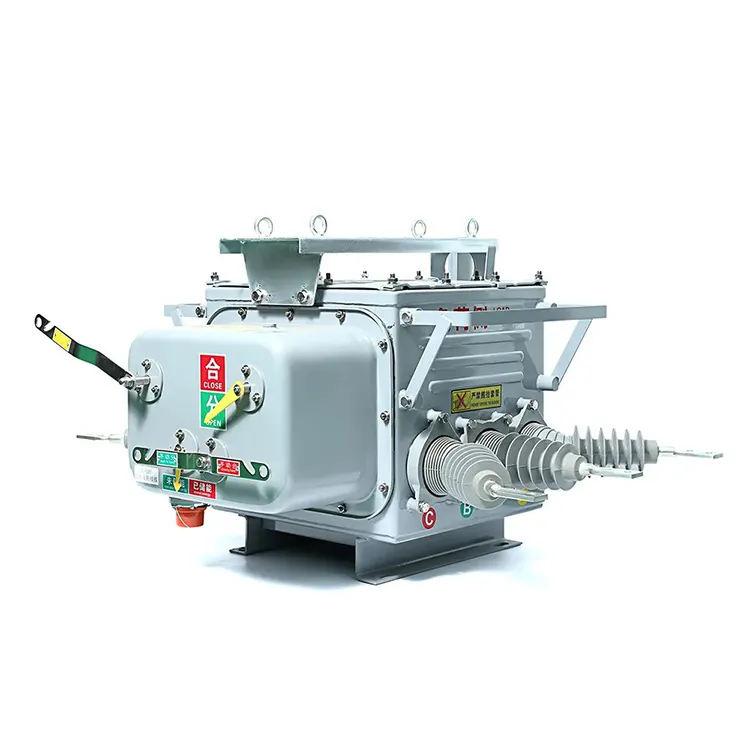
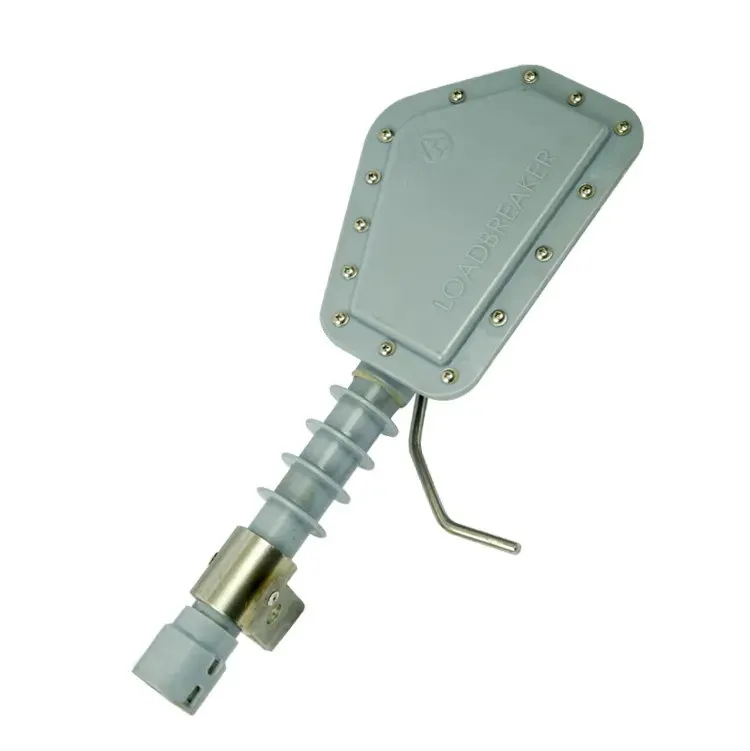


A rubber cover and a rigid plastic barrier can both separate conductive parts, but that does not make them interchangeable. Flexing, heat, contamination and the way a part is mounted change what the insulation must withstand. A material description such as ‘rubber’ is too broad to establish whether an assembly is suitable for a particular voltage or service temperature. Choosing from that description alone can leave a buyer with the wrong compound, the wrong physical form or incomplete test evidence. The useful comparison is between the actual grades and finished parts under the conditions in which they will operate.
Most ordinary rubber and plastic compounds are electrical insulators, while mica is a mineral used in several electrical insulation systems. Conductive additives can change the behaviour of rubber and plastics, so neither family is insulating by definition. Flexible compounds suit applications involving bending or sealing; rigid sheets and mouldings provide shape and separation; mica-based products combine electrical insulation with applications involving heat. None has a universal service rating. As Eland Cables explains for cable insulation, thickness depends on material properties and the applicable cable standard. First identify the complete product, then compare its declared test conditions.
Is rubber always an electrical insulator?
No. The question ‘is rubber a conductor?’ cannot be answered reliably without identifying the compound. Carbon-filled and other conductive formulations exist alongside insulating grades. The same caution applies to plastic: the polymer name does not disclose its fillers, reinforcement, processing history or finished surface condition.
OpenStax’s explanation of conductors and insulators describes the underlying difference in how readily charge moves. For purchasing, that distinction needs measured properties attached to a grade and test method. Volume resistivity concerns conduction through a material; surface resistivity concerns its surface. Neither, by itself, establishes the withstand voltage of a finished assembly.
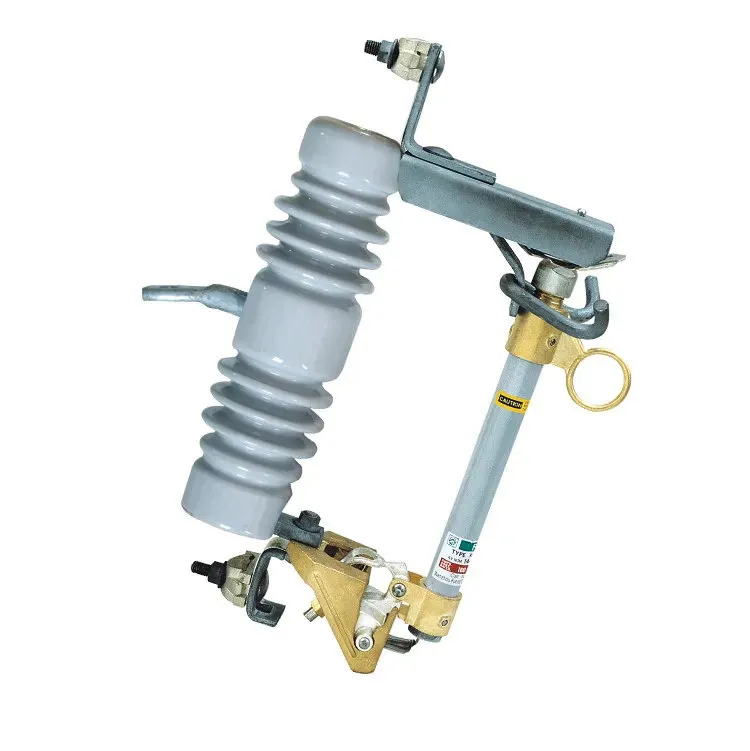
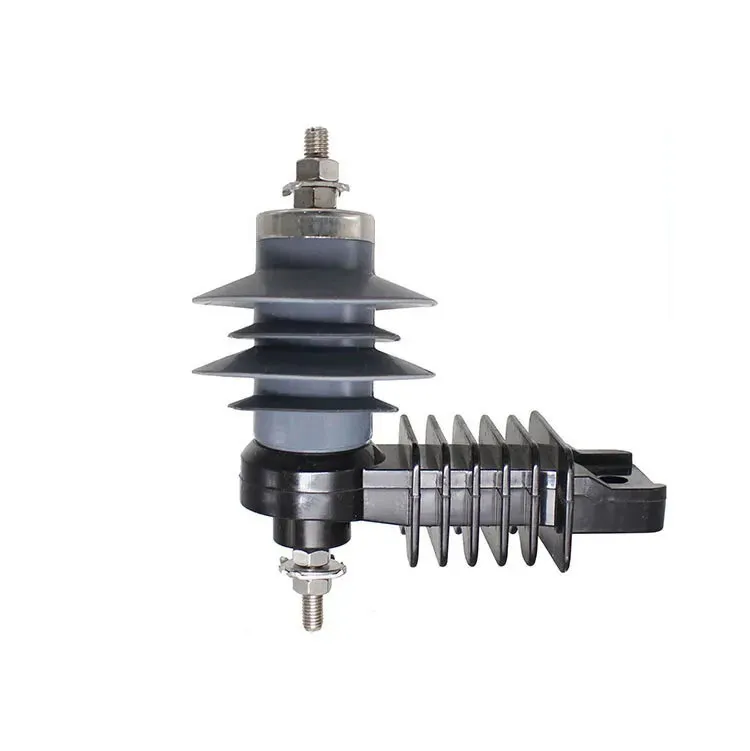
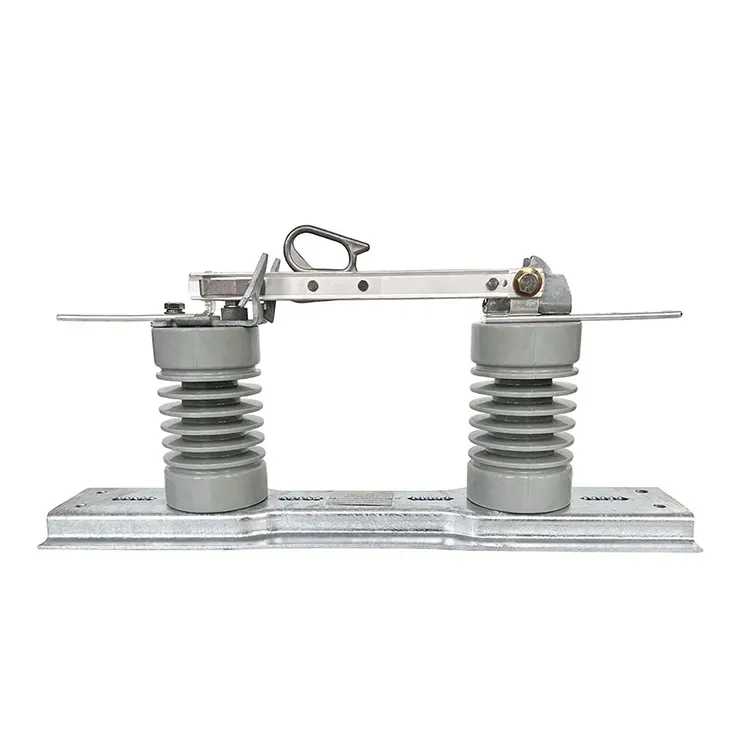
The same distinction matters when selecting silicone rubber insulation for outdoor equipment. A polymer housing, its interfaces and the supporting structure work as an assembly. A generic rubber datasheet cannot replace that assembly’s documentation.
Where do rubber, plastic and mica fit best?
| Material family | Common useful form | Reason to consider it | What the name does not establish |
|---|---|---|---|
| Insulating rubber compounds | Flexible insulation, seals and moulded housings | Flexibility and ability to accommodate shape or movement | Conductivity, weathering behaviour or service temperature of a particular grade |
| Insulating plastics | Rigid sheets, mouldings and cable insulation | Controlled geometry or a process suited to the application | Resistance to tracking, heat or mechanical loading |
| Mica-based insulation | Sheets, tapes and bonded laminates | Electrical separation in applications that may also involve heat | The temperature limit of a binder, backing or complete insulation system |
Mica’s electrical applications include capacitor insulation and built-up products made from mica pieces with binders. The distinction between the mineral and the manufactured laminate matters. A high-temperature statement about mica alone must not be transferred to an adhesive, resin, backing or finished component.
Why is a finished insulator different from a material sample?
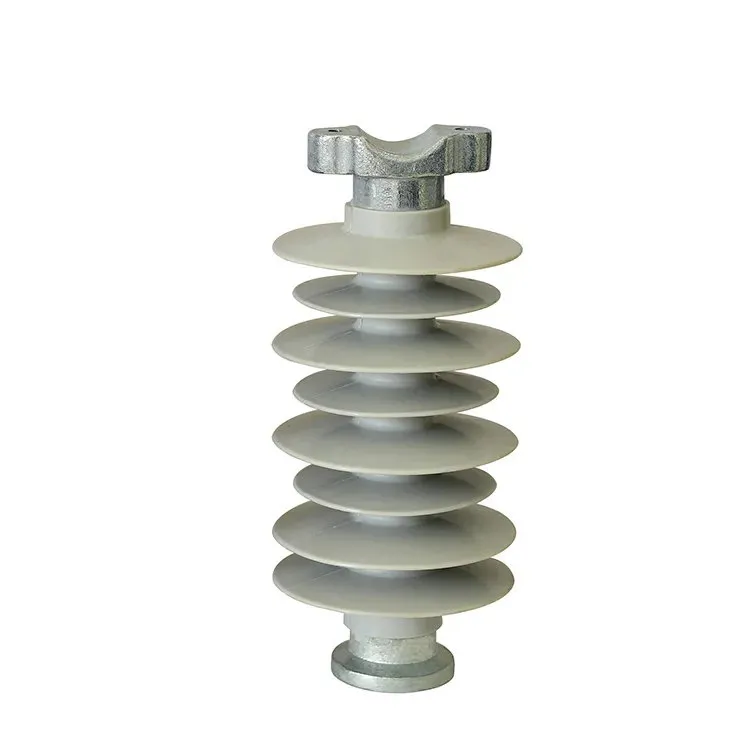
A finished insulator has a defined exterior shape, fittings and mechanical duties. A flat sample used for a material test has different electrode contact, thickness and surface conditions. The result for one cannot simply be used as a voltage rating for the other. The polymer insulator types also differ in how they support a conductor and carry mechanical load.
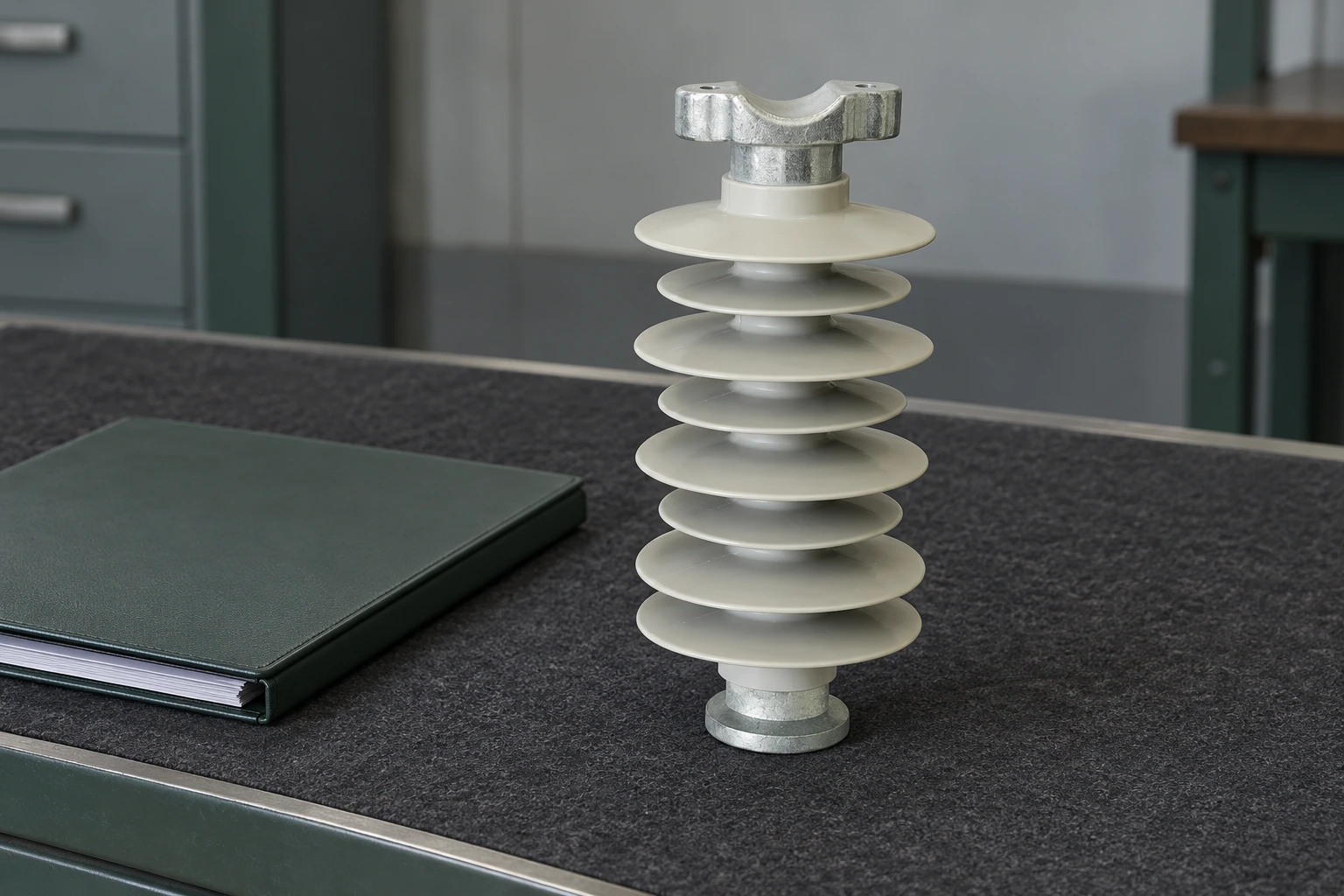
A photograph can help confirm the supplied part’s visible shape and fittings. It cannot establish the compound formulation, hidden construction or test performance. For an outdoor component, the buyer needs both its identity and the relevant electrical, mechanical and environmental evidence.
How should thickness and temperature limits be compared?
Electrical insulating plastic sheets should be selected as part of the assembly design, not by dividing system voltage by a single headline dielectric-strength figure. Field concentration at edges, holes, fasteners and interfaces can matter. Heat and mechanical loading may also change the suitable thickness or grade.
Eland Cables’ insulation-material guidance gives different thicknesses for different cable compounds and refers to IEC 60502-1 and EN 50525-3-21. Those are cable-specific examples, not a sizing rule for a plastic barrier or an outdoor line insulator.
| Comparison question | Information to request | Reason it changes the decision |
|---|---|---|
| Will it bend or remain rigid? | Finished geometry, support and expected movement | A suitable material may fail mechanically in the wrong form |
| What temperature will it experience? | Continuous and short-duration limits, duration and loading | A brief exposure limit is not a continuous service limit |
| Will the surface become wet or dirty? | Conditioning, environment and relevant surface test evidence | Dry material data may not describe the installed surface |
| Are two test results comparable? | Method, specimen thickness, electrodes, temperature and humidity | Different test arrangements can produce misleading comparisons |
What should a buyer ask for before choosing an insulating material?
Begin with the part drawing and service conditions. Ask the supplier to identify the exact grade or assembly, the test report that supports the proposed duty, and any limitation associated with temperature, contamination or movement. Record whether a quoted property belongs to a raw material, a moulded part or the assembled equipment. This avoids accepting a technically correct number for the wrong item.
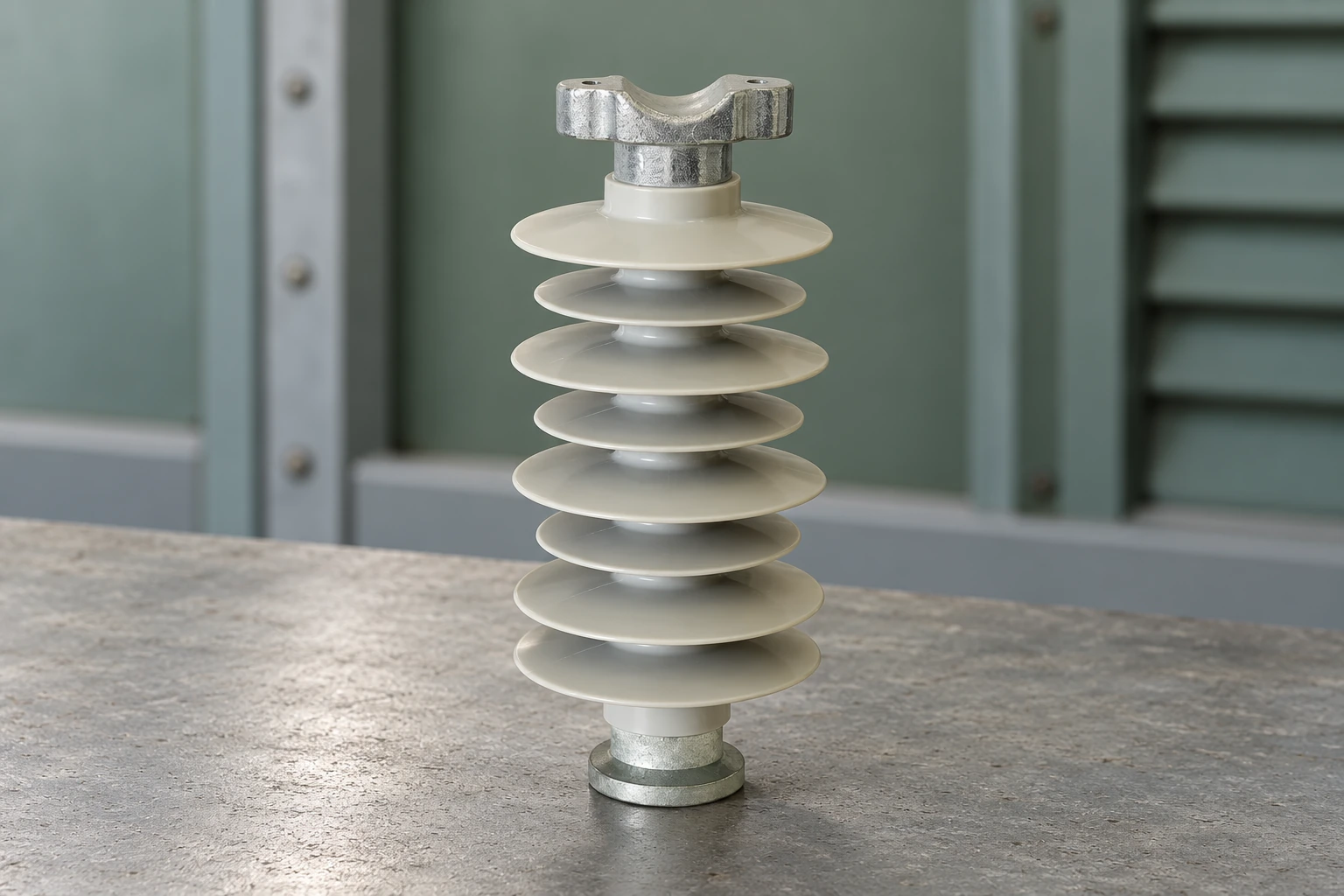
For an outdoor line component, an insulator RFQ checklist helps separate electrical duty from mechanical load and site exposure. A useful quotation answers each category rather than describing every insulating material as equivalent.
Frequently asked questions
Is rubber an electrical insulator?
Most ordinary insulating rubber compounds resist the movement of electrical charge. The answer applies to the specified compound and conditions, not every material sold as rubber.
Can some rubber compounds conduct electricity?
Yes. Conductive fillers can produce compounds designed to carry or dissipate charge. Ask for the actual electrical properties of the grade rather than assuming flexibility means insulation.
Is plastic always electrically insulating?
No. Conductive or static-dissipative plastic formulations exist. Moisture, surface contamination and the complete assembly also affect whether a plastic part provides suitable electrical separation.
Where is mica used in electrical insulation?
Mica is used in applications including capacitor insulation and mica-based tapes, sheets and bonded products. A finished product’s temperature and electrical limits depend on its binders and other constituents as well as the mica.
How do flexible and rigid insulating materials differ?
Flexible materials accommodate bending and movement, while rigid parts help maintain shape and spacing. Selection must account for support, loading and the way the part is installed; flexibility alone does not determine electrical performance.
Which temperature data should be checked for rubber insulation?
Check continuous service temperature, permitted short-duration exposure, test duration and any mechanical loading during the test. Also confirm that the figures apply to the compound and assembled product being purchased.
How should insulating plastic sheet thickness be selected?
Use the equipment design, applicable product requirements and verified material data. Do not treat a laboratory dielectric-strength value as a universal installed voltage-per-millimetre rule.
Which test conditions are needed to compare insulating materials?
Compare the test method, specimen geometry and thickness, electrode arrangement, conditioning, temperature, humidity and electrical test regime. The report must also identify the material grade or finished component.
References
Sources checked on 2 November 2026.
- OpenStax, University Physics Volume 2, §5.2 — Conductors and Insulators
- Eland Cables — Insulation material types and thickness
- Wikipedia — Mica: electrical applications and built-up products
Summary
Rubber, plastic and mica describe material families, not interchangeable electrical ratings. Start with the function of the part: flexible insulation, a rigid barrier, a heat-exposed laminate or a complete outdoor component. Then establish the service environment and compare evidence for the actual grade or assembly. Thickness, temperature limits and dielectric results are useful only when their test conditions are known. A supplier should be able to distinguish material data from finished-product evidence without treating one as a substitute for the other. Fuerte’s polymer insulator range is relevant when the requirement is a complete outdoor line component. Share the intended electrical duty, mechanical load and environment when requesting product documentation.