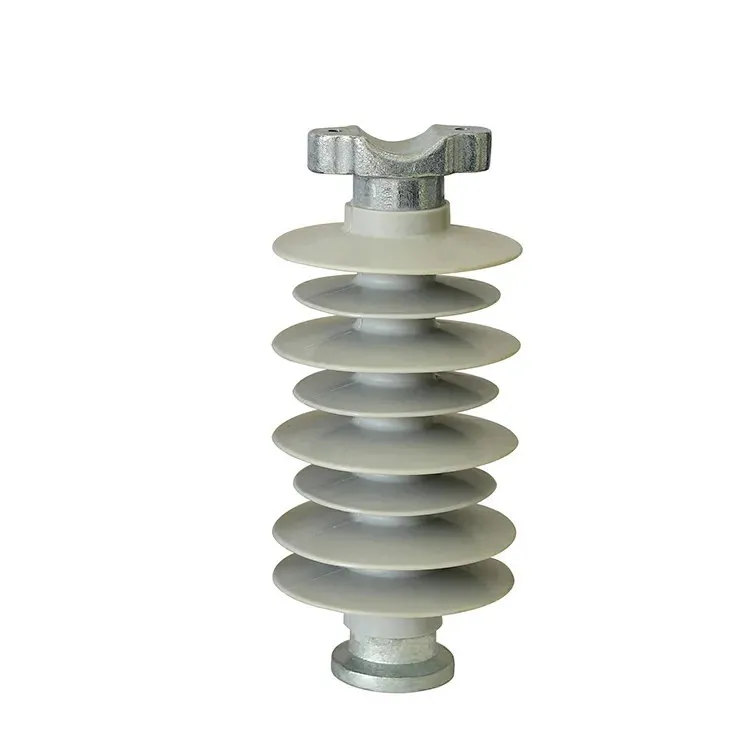
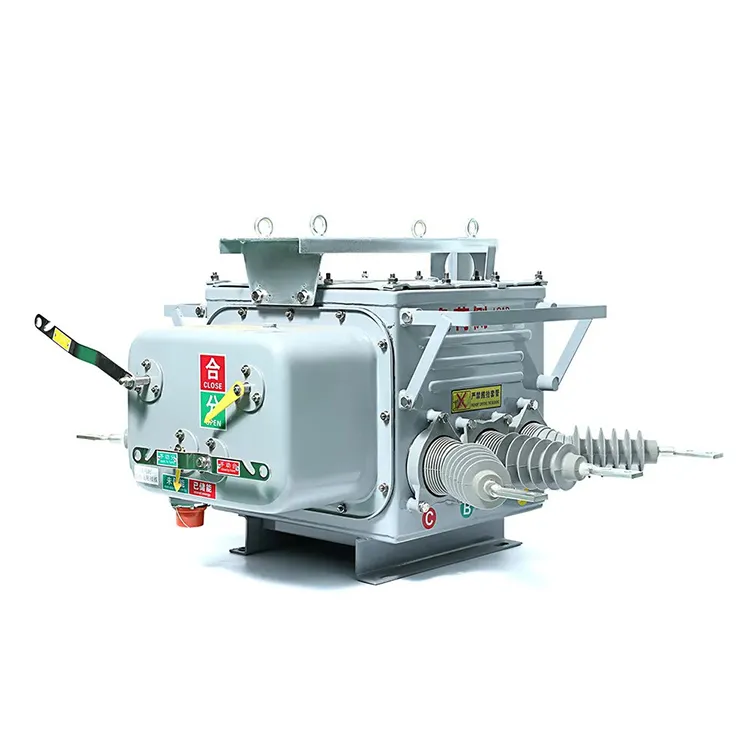
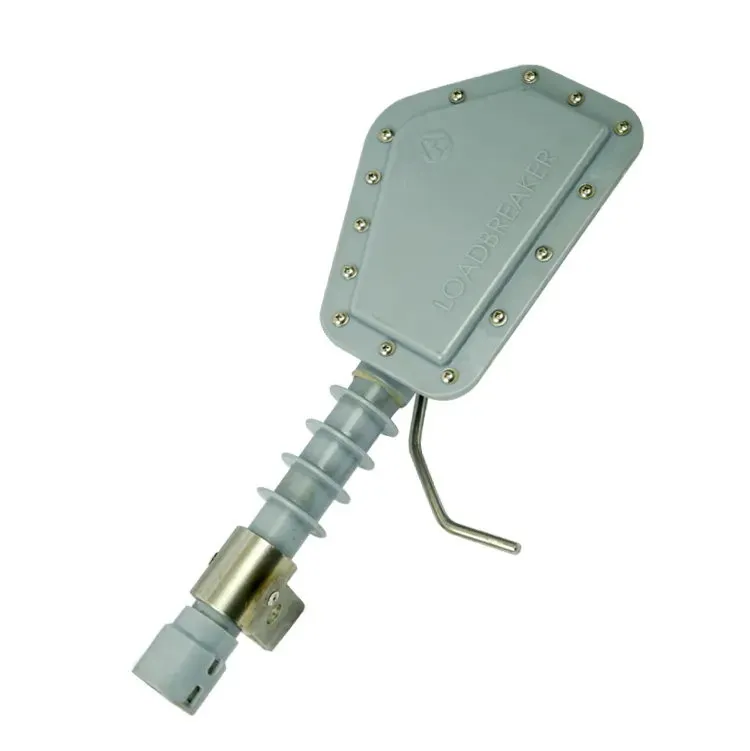


An insulator silicone rubber RFQ should state housing-material expectations, pollution and hydrophobicity questions, mechanical application, and the evidence format suppliers must return—without inventing unverified material performance numbers for a specific SKU. Use it to turn housing material keywords into evidence asks. It is a checklist for procurement and engineering teams — not sizing or approval for silicone-rubber-polymer-insulator-selection. For a related technical topic, see How Should Polymeric Insulator RFQ Language Be Aligned?.
Part 1. Housing Material Is an RFQ Field, Not a Slogan
Buyers searching insulator silicone rubber usually want housing-material language that procurement and engineering both recognize. Silicone rubber is often discussed for polymer insulator housings, but the RFQ must still name the mechanical application, electrical class basis, and evidence asks. A material keyword alone does not select a product.
Readers searching for insulator silicone rubber usually need a project checklist, not a catalog slogan.
Housing material keywords become useful only when pollution evidence sections are named in the RFQ.
Part 2. Electrical and Mechanical Inputs Still Come First
Record system voltage basis, mechanical role such as pin, suspension, or line post, and strength requirements from drawings. Then add creepage or pollution questions the utility requires suppliers to answer. Keep numeric claims tied to documents. This page complements the broader polymer insulator RFQ checklist without reprinting that title angle.
| RFQ field | What to request | Avoid |
|---|---|---|
| Housing material | Silicone rubber expectation + evidence section | Slogan-only material talk |
| Application | Pin, suspension, post, or other | Material without mechanical role |
| Electrical basis | Voltage class inputs from drawings | Guessed class labels |
| Pollution notes | Site driver + evidence ask | Invented pollution class numbers |
| Documents | Model ID and datasheet list | Family brochure only |
Part 3. Pollution and Hydrophobicity Questions Without Invented Numbers
Ask suppliers which pollution-class or hydrophobicity evidence accompanies the offered model, and which test or datasheet sections address those questions. Do not invent recovery intervals or leakage-distance values in the article. Material marketing phrases are not substitutes for model-specific evidence packages.
Important: Silicone rubber housing keywords do not authorize unverified pollution-class or hydrophobicity performance claims for a specific insulator model. (Source: IEC polymer insulator overview practice; manufacturer datasheets.)
Part 4. Environmental and Handling Notes for RFQs
Coastal, industrial, or high-UV sites often drive silicone-housing questions, but the RFQ should state site drivers as context and request matching evidence. Include handling, storage, and inspection expectations if the utility procedure requires them. Unstated site drivers produce offers that look similar on paper and diverge in the field.
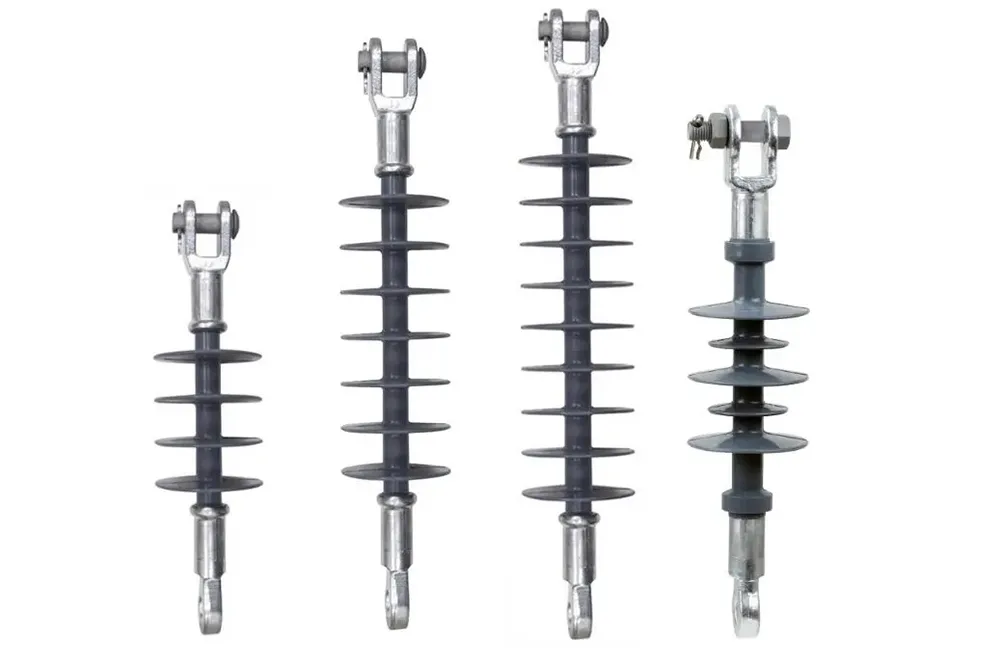
| Site driver | RFQ question | Evidence target |
|---|---|---|
| Coastal / industrial | Which housing evidence addresses pollution? | Model datasheet sections |
| Handling/access | Any special inspection notes required? | Utility procedure alignment |
| UV / altitude | Which environmental notes apply? | Manufacturer documentation |
Part 5. Relating Polymer, Composite, and Silicone Wording
Some specifications say polymer, others say composite, and buyer search may say silicone rubber. Map the project term to the evidence fields you need rather than arguing synonyms in isolation. Use sibling naming and RFQ pages for broader language control while this page stays on housing-material RFQ discipline.
Capture site drivers as context only, then point suppliers to the datasheet sections that must answer pollution or hydrophobicity questions.
Related reading: polymer insulator RFQ checklist; polymer pin insulator selection for 11 kV; difference between polymer and porcelain insulator.
Part 6. FUERTE Polymer Routes After Material Questions Are Written
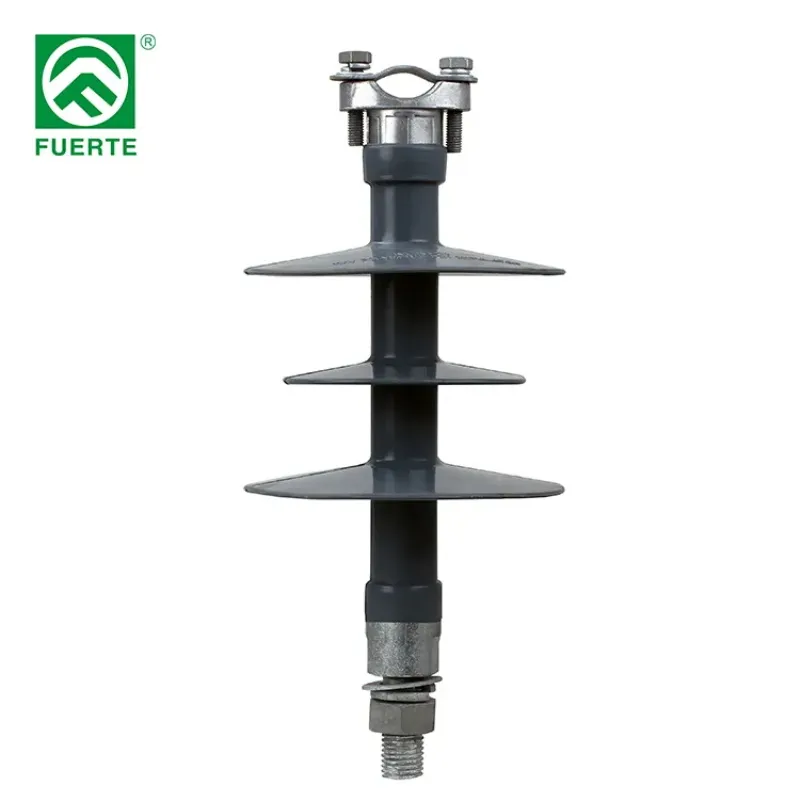
With housing and duty inputs ready, discuss FUERTE polymer insulator or pin-type routes with controlled project data. Recommendation means an inquiry path supported by product pages, not a claim of certified pollution performance for every site.
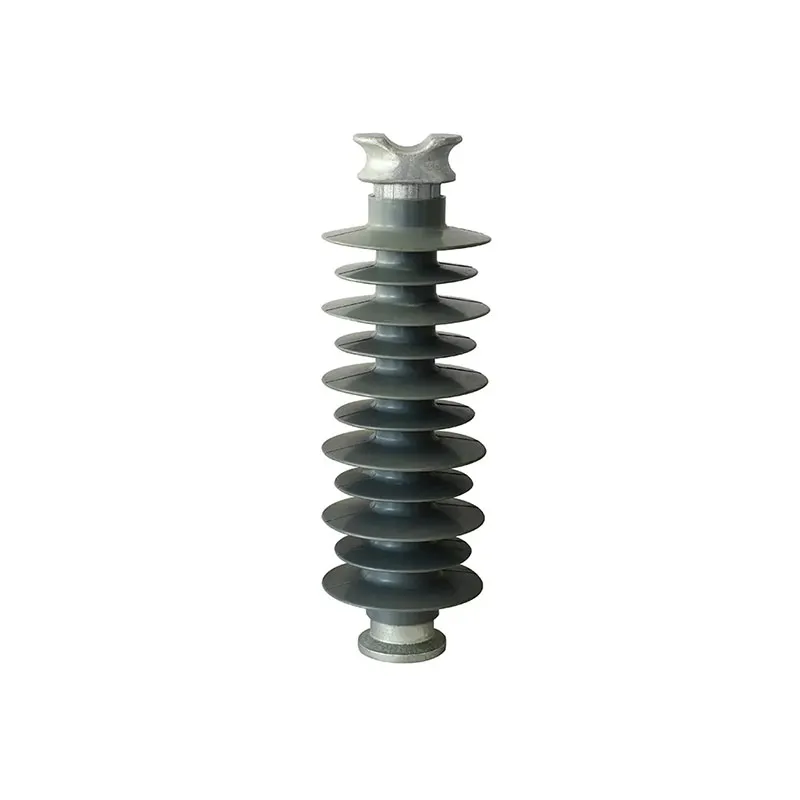
| Signal | FUERTE route | Attach |
|---|---|---|
| Polymer housing RFQ complete | FPQ3-10-4T Polymer Insulator | Material + duty input table |
| Pin support application | Pin Type Insulator | Mechanical role + voltage basis |
| Full field list needed | Link polymer RFQ checklist sibling | Do not duplicate that title |
- FPQ3-10-4T Polymer Insulator — polymer insulator discussion after housing and duty inputs are listed.
- Pin Type Insulator — pin application route when mechanical role is pin support.
Send housing evidence asks through the FUERTE Polymer Insulator, or contact FUERTE with the material RFQ table.
Part 7. Fit Boundaries
Use this guide to write insulator silicone rubber housing questions into RFQs. It does not certify materials, invent creepage values, or replace the full polymer insulator RFQ checklist.
FAQ
What should insulator silicone rubber mean in an RFQ?
A housing-material expectation paired with application, electrical basis, and evidence asks.
Does silicone rubber automatically beat porcelain?
Not automatically. Compare against documented site drivers and model evidence.
Can I invent hydrophobicity recovery claims?
No. Request manufacturer evidence for the offered model.
How does this differ from the polymer insulator RFQ checklist?
This page focuses on silicone housing language; the checklist covers the wider electrical/mechanical/environmental set.
Which mechanical roles must be named?
Pin, suspension, line post, strain, or other roles stated in drawings.
What documents should suppliers return?
Exact model identity and datasheet sections addressing housing and duty questions.
Should composite and polymer terms be mapped?
Yes. Align project vocabulary to the evidence fields you need.
Does this page certify silicone housings?
No. Certification claims require verified product evidence and project governance.