


For a global B2B overhead-line review, a polymer suspension insulator should be treated as part of a controlled evidence package. It must be evaluated against the actual line arrangement, not selected from a generic label.
Where does a suspension insulator carry the conductor load?
A polymer suspension insulator belongs to a documented overhead-line arrangement. The question is not whether polymer is a broad category, but whether the route, structure, conductor hardware, and approved evidence define a compatible application. This guide stays within the suspension context and does not repeat pin or disc selection, compare materials, or invent ratings.
The polymer insulator диапазон is a first-party navigation page, not a design calculation. The approved route drawing, owner specification, and engineering review remain controlling evidence.
| Review item | Доказательства для запроса | Почему это важно |
|---|---|---|
| Line function | Arrangement drawing | Sets the boundary |
| Structure position | Structure detail | Identifies attachment context |
| Conductor path | Hardware schedule | Avoids assumed interfaces |
Which span and structure details determine the suspension arrangement?
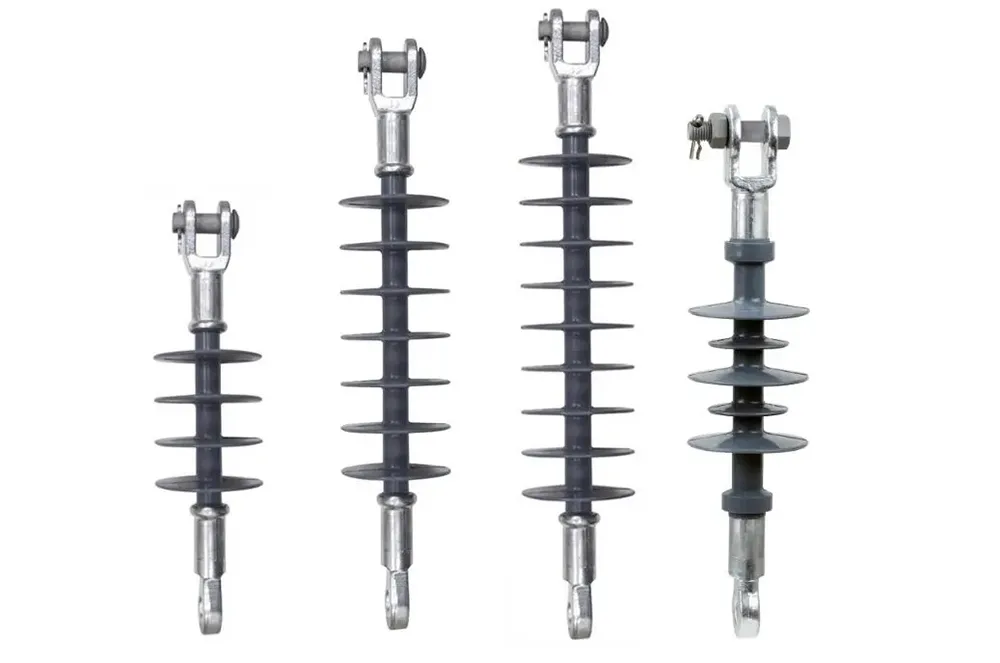
A suspension assembly carries the conductor through its string and fittings into the support. Identify the suspension point, span arrangement and conductor direction on the structure drawing. At angles or other locations with significant longitudinal loading, the designer must confirm whether the proposed arrangement remains a suspension application or needs a different load arrangement.
The published long rod polymer insulator context is a boundary link, not a substitute for this application record.
How should suspension fittings and conductor clamps be matched?
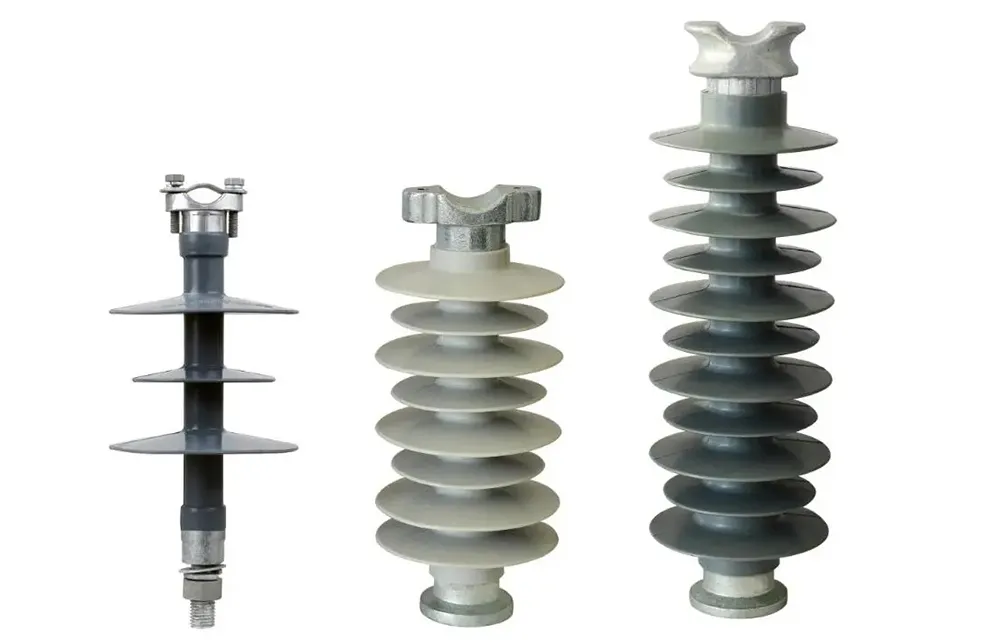
Show the upper attachment, insulator end fittings, conductor clamp and all intervening hardware as one assembly. Check the actual mating dimensions and articulation needed at the support. A matching insulator length does not establish that the pin, clevis or socket interfaces fit.
| Interface question | Record before quotation | Do not infer |
|---|---|---|
| Attachment hardware | Drawing and mating part | Fit from appearance |
| Conductor termination | Size and clamp detail | Range from another model |
| Orientation | Line direction and view | Field clearance from photo |
Which pollution and route conditions affect the housing choice?
Record the suspension route’s pollution and wetting conditions, altitude and inspection access. IEC TS 60815-3 concerns polymer insulators in polluted conditions. Apply the owner’s selection method to the route rather than treating housing colour or shed count as evidence of adequate creepage.
What should be checked before a suspension string is installed?
Inspect the complete suspension assembly for transport damage, fitting identity and conformity with the accepted drawing. Use authorized handling and installation procedures, protecting the housing and interfaces. Visual inspection can identify mismatch or damage; it does not measure the assembly’s mechanical strength.
OSHA electrical resources are public safety context, while owner procedures and competent project personnel govern the work.
Which product details need confirmation on the offered drawing?
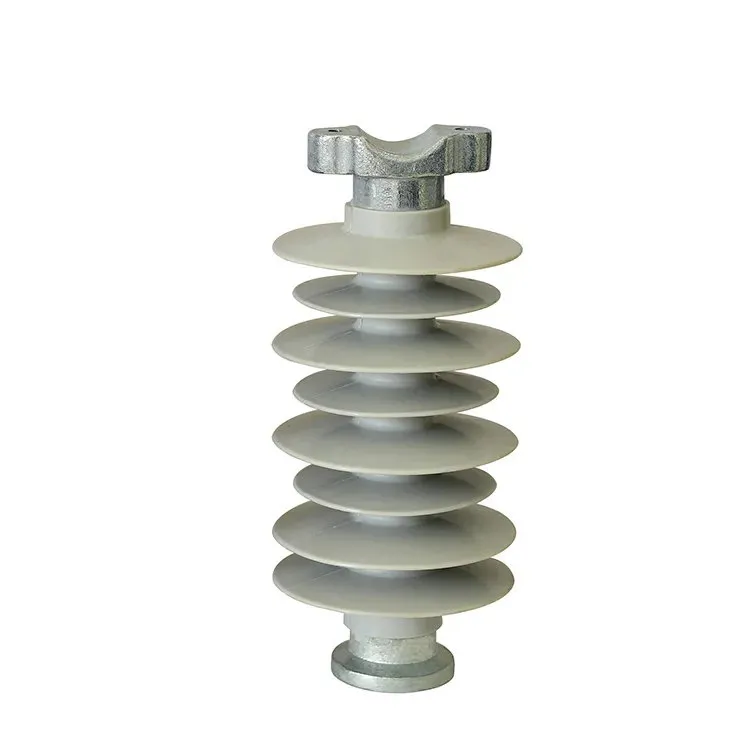
The verified FXB-33 Polymer Insulator page is an exact-model source for catalogue context. It is appropriate to ask whether the published configuration corresponds to stated project inputs. It is not appropriate to convert a product image or title into a universal application approval.
The polymer pin selection context addresses a different mounting logic and cannot fill missing evidence here.
What should a suspension-insulator enquiry contain?
Send the span and structure arrangement, conductor and clamp details, specified mechanical and electrical duties, site conditions and requested records. Ask the supplier to identify the exact suspension unit, included hardware and any interface requiring confirmation.
Product recommendation — exact model context only
When documented inputs are compatible with the approved procurement review, FXB-33 Polymer Insulator is a first-party catalogue reference. It is not recommended by default for every suspension case. Confirm the offered model, drawing, fittings, and project evidence before acceptance.
Send the evidence set through request a quote so the supplier can respond to a defined scope.
Which loads and fittings must the selected insulator meet?
Mechanical design, installation authorization, and certification statements remain outside this article. The owner and engineer decide what is suitable. IEC supplies standards context, but the project specification defines applicable requirements. For a related technical topic, see Polymer Line Post Insulators: Installation Context and Design Questions.
The standards baseline has moved forward: IEC 61109:2025 is now the current public reference for composite suspension and tension insulators for overhead lines, while IEC 62217:2025 provides common terminology and test context for polymeric insulation. That update is useful for procurement because it separates the product family from the line-specific design. The standard scope does not, by itself, select creepage distance, mechanical load, fittings or pollution class for a particular route.
For a 2026 utility or EPC enquiry, add the approved line profile, specified mechanical load or SML basis, end-fitting geometry, conductor and hardware interfaces, route pollution or altitude notes, inspection plan and the exact standard edition requested. Current selection discussions also focus on fittings and interface evidence rather than a generic “polymer insulator” label. Ask for drawings, material declarations and test evidence that match the offered configuration, and mark any route-specific value as pending owner approval.
ЧаВо
What is the practical role of a polymer suspension insulator?
It is an application description, not a universal product approval. Define the structure, conductor path, interfaces, route conditions, and requirements first.
Which installation details should be checked first?
Check the current drawing, attachment, conductor interface, hardware set, orientation, clearances, and owner requirements.
Why must the hardware interface be recorded?
Fittings and attachment details determine whether a candidate can be reviewed against the actual structure; appearance does not prove interchangeability.
What route conditions belong in the review?
Record pollution exposure, climate or altitude inputs when required, access constraints, and inspection expectations.
Can a published product page replace a project design?
No. It identifies catalogue context. The project team must confirm the exact configuration against approved inputs.
What evidence should accompany a quotation request?
Include drawings, line configuration, interfaces, route conditions, requirements, documentation needs, quantity, and delivery scope.
When should the owner or engineer review the application?
Escalate when the drawing, interface, environmental requirement, or approval criterion is incomplete.
What changed for polymer-insulator buyers with IEC 61109:2025?
IEC 61109:2025 is the current public reference for composite suspension and tension insulators for overhead lines. It clarifies the product scope and test context, but it does not choose route-specific creepage, mechanical load, fittings or pollution assumptions. Buyers should state the requested edition and then match the offered drawing and test evidence to the approved line design.
Does a polymer-insulator standard determine the required creepage distance?
No. The standard provides product and test context; the required creepage and related design inputs depend on the owner’s voltage, pollution, altitude, environment and line arrangement. Record those inputs in the design basis and require the supplier to identify the creepage value and evidence for the offered configuration. Do not infer it from a generic product photograph.
Which documents should an EPC request with a suspension-insulator offer?
Request the dimensional drawing, end-fitting and hardware interface, declared mechanical load basis, material and test documentation, applicable standard edition, inspection plan and any deviations. The package should be traceable to the line profile and route conditions. If a value depends on the owner’s study, mark it pending rather than converting a catalogue statement into a project approval.
Which drawings and inspection records should the owner retain?
Keep the suspension drawing with the supplier’s accepted offer. Record the attachment and clamp identities alongside the insulator model, because a later hardware substitution can change the assembly even when the insulator itself remains unchanged.
When an attachment or string arrangement changes, return it to the line designer for review. Do not correct a fit problem by substituting an apparently similar end fitting without checking dimensions, load path and the approved assembly.
The owner should retain the accepted suspension arrangement and inspection baseline for future replacement. Distinguish observations made on the actual route from product declarations, and identify who approved the string and support interfaces.
Резюме
A suspension-insulator selection is a review of the complete string and support arrangement. Identify how the conductor load reaches the structure, then check the insulator, fittings and clamp against the approved drawing and load basis. Electrical insulation and pollution requirements need their own assessment alongside that mechanical review. Retain the actual hardware identities and installation records so a later replacement does not silently change the assembly. A catalogue length or a polymer housing description cannot establish that the complete string fits. The line designer and owner should accept the arrangement using the offered configuration and project-specific conditions.