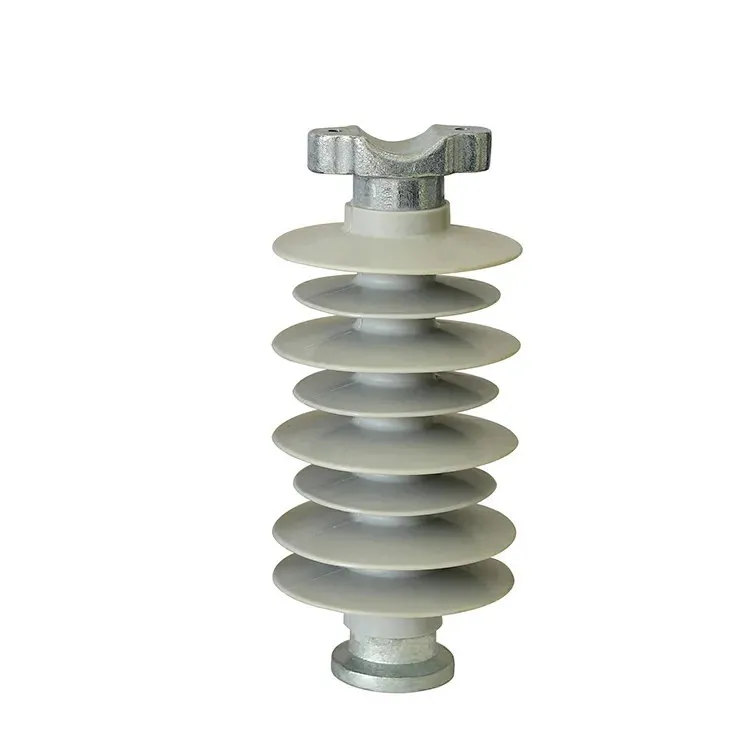
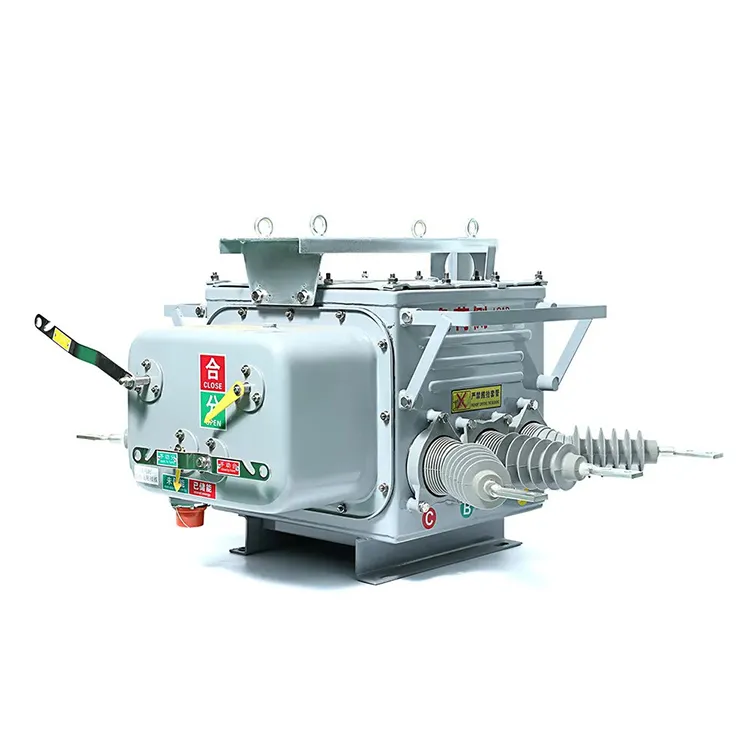
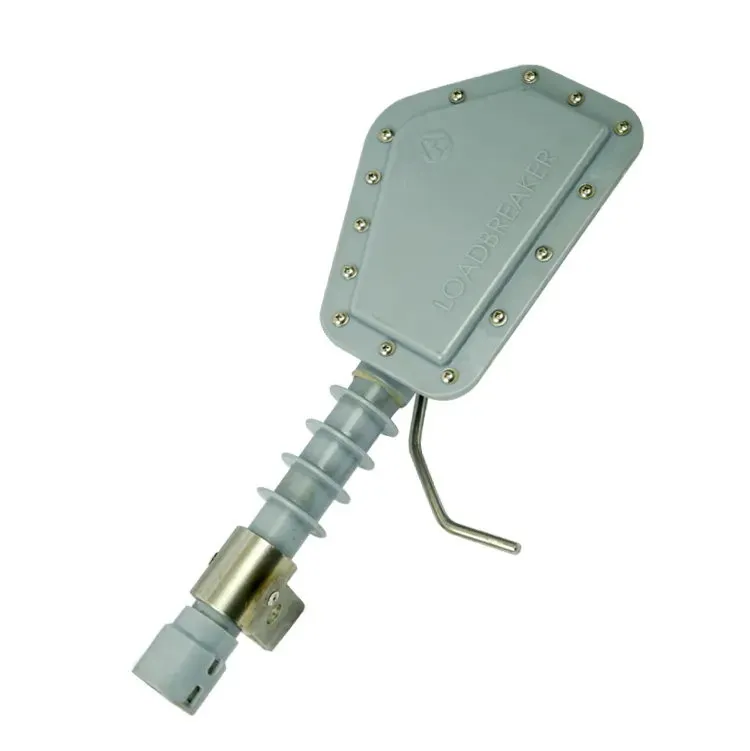


When a buyer writes “polymeric insulator” in one line of an RFQ and “composite insulator” in another, suppliers can answer different questions while believing they agree. The problem is usually language alignment, not a missing catalogue term. A controlled map keeps the search phrase, the product role, and the evidence fields connected without creating a second, duplicate specification.

Summary: Treat polymeric insulator RFQ wording as a synonym-mapping task. Keep the same voltage, insulation, mechanical, housing, environment, interface, and document fields whether the tender says polymeric, polymer, or composite. IEC 61109 and IEC 62217 provide relevant reference points, but the project drawing and specified application decide what a bidder must actually confirm.
How should polymeric, polymer, and composite terms be mapped?
Put the terminology in a controlled glossary, then point every synonym to one evidence field set. A polymer-insulator category can help locate products, but it cannot resolve a missing application or interface requirement.
| Buyer wording | Map to | Required evidence |
|---|---|---|
| Polymeric insulator | Housing plus electrical/mechanical fields | Model data sheet and drawing |
| Polymer insulator | Same field map | Same document depth |
| Composite insulator | Confirm the tender’s intended synonym | Application and standard basis |
| Pin, suspension, strain, line post | Mechanical role | Interface and load information |
Which RFQ fields must remain unchanged?
Capture system voltage, insulation level, mechanical role, specified load, conductor and hardware interface, site conditions, and the documents the owner requires. If a field is not available, mark it open; changing the synonym must never reduce the evidence request.
How do application words change the technical review?
A pin insulator, suspension string, strain unit, and line post transfer forces through different interfaces. The term “polymeric” does not select among them. Ask for the drawing, hardware details, and installation position before comparing catalogue families.
| Review dimension | Comparable evidence | Failure mode if omitted |
|---|---|---|
| Electrical | Voltage and insulation schedule | Class inferred from keyword |
| Mechanical | Role, load, and hardware | Wrong load path |
| Housing | Material statement and revision | Material claim unverified |
| Environment | Site description and method | Pollution assumption |
What should a supplier return with the quotation?
- A model-specific data sheet, drawing, and controlled configuration reference.
- The standards cited and the tests or reports that apply to the offered item.
- A response against each buyer field, including “not provided” or “clarification required.”
- A deviation list that preserves the owner’s terminology and identifies any interpretation.
For material-specific wording, see silicone-rubber insulator selection. For broader input coverage, use the composite-versus-polymer comparison.

Frequently asked questions
Are polymeric and polymer insulator interchangeable terms?
They may be used as synonyms in a tender, but the buyer should confirm the intended scope. The evidence fields and application role must remain explicit.
Does “composite” specify a mechanical application?
No. It describes a product family concept, not whether the item is pin, suspension, strain, or line post. Request the interface and load basis.
Can a supplier quote from the keyword alone?
A supplier can identify a likely family, but a responsible quotation needs the controlled project inputs and the offered model reference.
Which standards belong in the RFQ?
Cite the standards applicable to the product and destination, such as IEC 61109 or IEC 62217, and identify whether each is a test requirement or design reference.

References
- IEC Webstore, product-standard catalogue.
- IEEE Xplore technical literature.
- INMR, industry reference coverage.
Conclusion
Aligned language is valuable because it makes quotations comparable, not because one synonym is technically superior. Map polymeric, polymer, and composite wording to one controlled set of electrical, mechanical, housing, environment, interface, and document fields; then verify the offered configuration against the project’s responsible reviewer. Never treat a phrase or product photograph as proof of fit. Fuerte can respond to a model-specific polymer-insulator inquiry when those fields are supplied, with final acceptance retained by the owner.