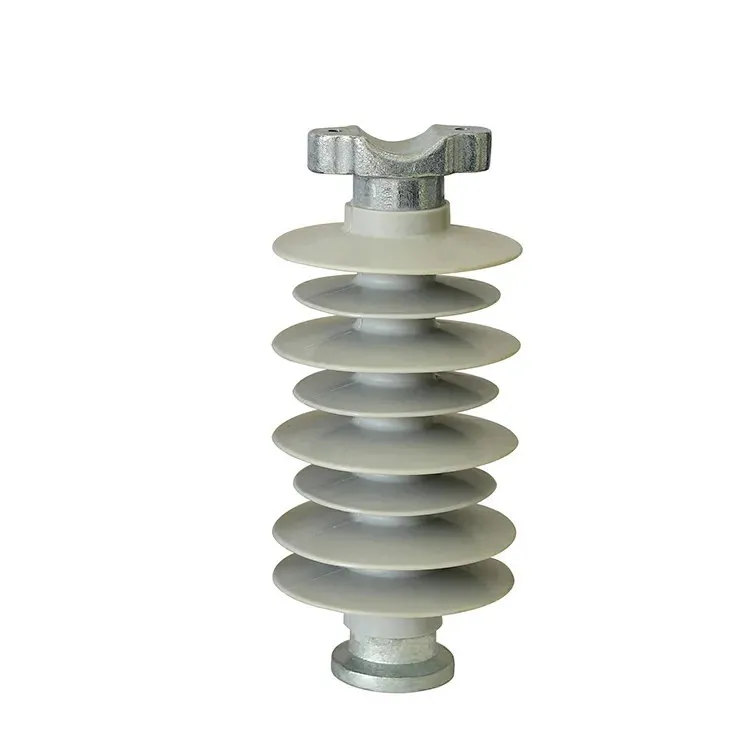
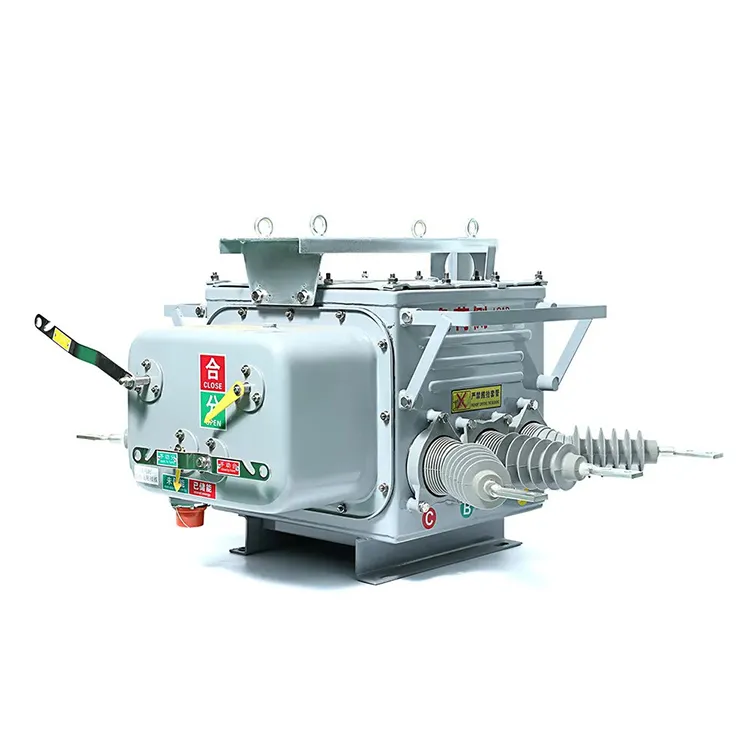
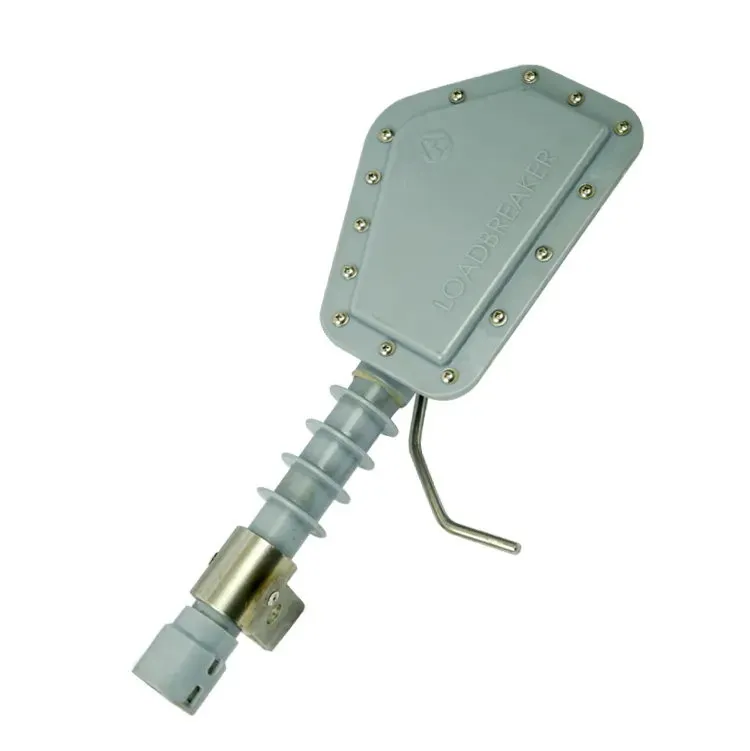


A polymeric insulator RFQ succeeds when the package states electrical system records, documents mechanical and hardware interfaces, captures environmental and route inputs, and names the drawing and compliance evidence every bidder must return for the exact quoted SKU. If the request names only a voltage class and a familiar model, each supplier fills the gaps differently and the comparison collapses before engineering review starts.
This checklist assembles that package. Selection detail stays with the live polymer application articles linked in each section, and every numeric decision stays with the project engineer and the exact quoted SKU documents.

What should a polymeric-insulator RFQ make unambiguous?
A polymeric insulator is quoted against project records, not against a generic product label. The RFQ’s job is to carry those records to every bidder in identical form: what system the insulator joins, what mounting and hardware interfaces apply, what route and environmental context governs the application, and what evidence must come back with the price.
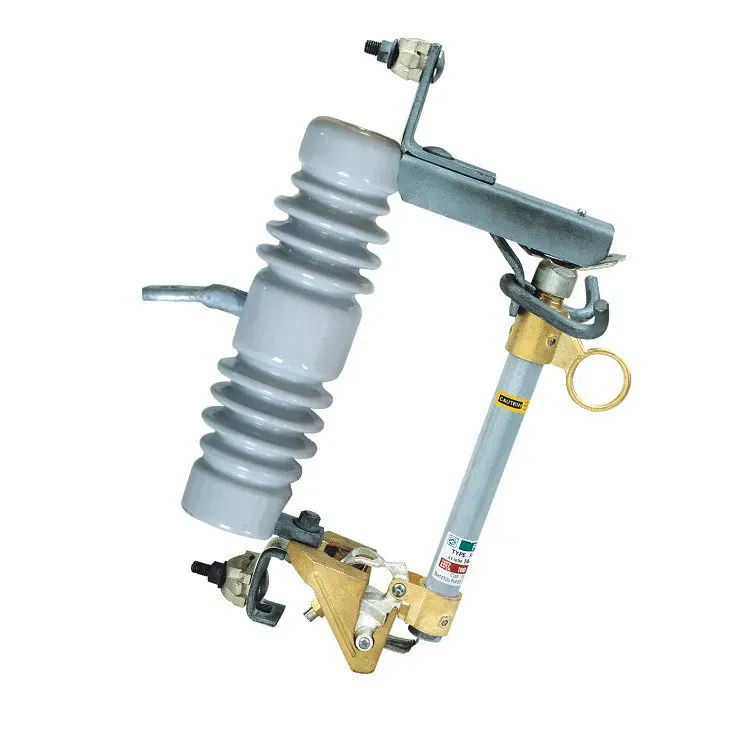
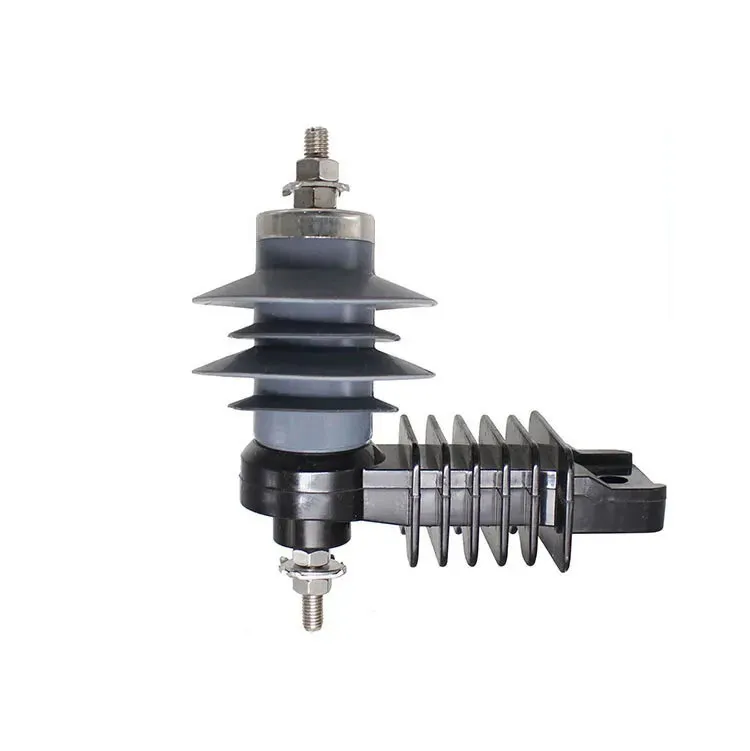
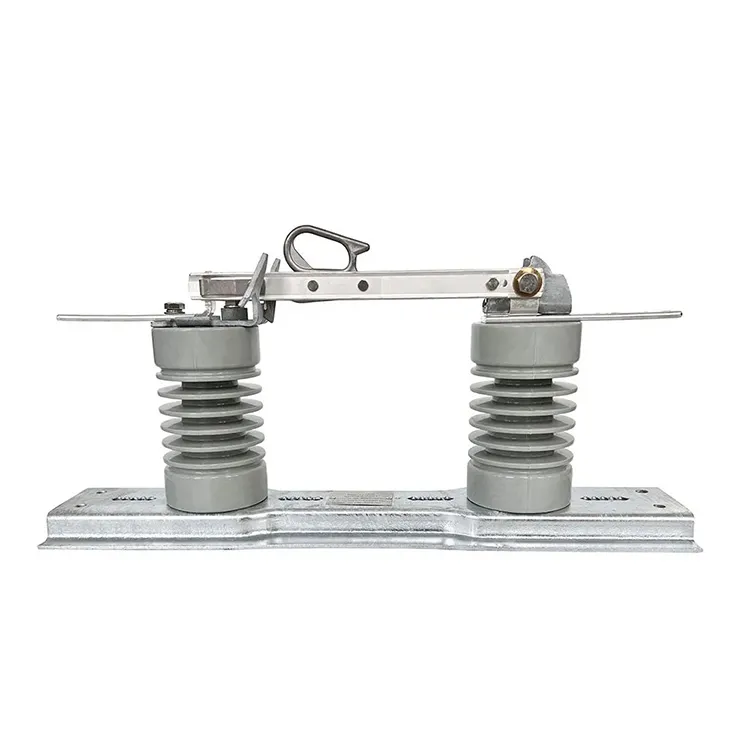
Product orientation helps before the writing starts. The polymer insulator range shows the FUERTE family this checklist concerns, and IEC 61109 is the published product standard for composite insulators for a.c. overhead lines — context worth naming in the RFQ so bidders know which product world the owner means.
Important: IEC 61109 publishes the scope for composite insulators on a.c. overhead lines, and IEC 60383 publishes insulator vocabulary for overhead applications. Those sources guide RFQ vocabulary; they do not certify that catalogue ratings copied from a product page or prior project fit the current system records (IEC 61109).
Which electrical inputs must be stated?
Bidders quote against the electrical system you describe, so describe it in controlled documents rather than adjectives. The table lists baseline electrical records; the linked cluster articles expand each application type without repeating their selection logic.
| Electrical input | Record to attach | Detail owner |
|---|---|---|
| Application description | Single-line diagram and the protected line or equipment context | This RFQ pack |
| System voltage records | Nominal and maximum operating voltage statements | Project engineering |
| Insulator function | Pin, line post, suspension, strain, or other stated duty | Project drawings |
| Interface to live parts | Conductor size, hardware, and clearance context | Project drawings |
Pin-mounting selection inputs for 11 kV overhead lines are owned by the published polymer pin insulator selection for 11 kV overhead lines article. Attach the records that article calls for instead of paraphrasing them.
This RFQ checklist does not restate pin-versus-disc material comparison or generic polymer definitions; those topics belong to sibling articles with a different intent.
State what is unresolved, too. A voltage record still under design review is a legitimate RFQ note; bidders can flag their assumptions instead of hiding them.
Which mechanical and hardware interfaces matter?
Mechanical interfaces change quotations — mounting type, end fittings, conductor hardware, and orientation all have commercial and engineering weight. Describe the intended installation in drawing revisions and fitting schedules, then ask each bidder to confirm compatibility against the exact quoted SKU outline.
| Interface input | Record to attach | Bidder response expected |
|---|---|---|
| Mounting | Structure or cross-arm drawing with the intended insulator position | Mounting compatibility statement for the quoted SKU |
| Hardware | Fitting schedule and mating part references | Included fittings and exclusions |
| Conductor interface | Conductor size and clamp or termination detail | Terminal and hardware description |
| Orientation | Line direction and installation view | Drawing confirmation for the quoted configuration |

For suspension and strain applications, reference the polymer suspension insulator selection inputs article for line-arrangement evidence rather than rewriting it here. Keep every dimension in the drawings. Photographs and family pages do not establish clearances, hardware interchangeability, or load-path suitability.
Which environmental and route conditions affect selection?
Environmental discussion must remain evidence-led. Collect route pollution exposure, altitude records when the project requires them, climate or icing context defined by the owner, and inspection expectations. Use applicable standards and owner documents to frame the question; do not copy creepage, test, or class language from another model.
A workable environmental input block for the RFQ includes:
- Pollution or route exposure category as defined by the owner or study.
- Altitude and temperature records from project documents when they govern the application.
- Access, maintenance, and inspection expectations for the installed route.
- Any owner criterion that changes hardware, coating, or documentation requirements.
If the environmental review has not happened, say so in the RFQ and ask bidders to state the inputs they need. That is slower but honest, and it prevents a catalogue default from silently becoming the project specification.
Which drawings and compliance records should be requested?
Evidence requests turn a price list into an auditable bid. Require each bidder to name the exact quoted SKU and revision, then hold every returned document to that same configuration in a controlled document register.
| Document register row | Buyer requirement | Supplier response |
|---|---|---|
| SKU identity | Exact model and revision quoted | Matching datasheet header and drawing title block |
| Outline drawing | Mounting and hardware arrangement | Current revision tied to the quoted SKU |
| Test evidence | Owner-named type and routine tests | Test report references for the quoted configuration |
| Exceptions | Any deviation from the RFQ | Written exception list with buyer disposition field |
Baseline attachments beyond the register should include hardware and fitting documentation, delivery and spare-parts scope, and the commercial terms needed for comparison. The owner names which tests are mandatory; the RFQ must list them explicitly so every bidder responds to the same demand. A quotation backed only by a family brochure does not meet an SKU-level evidence request and should be scored as incomplete, not averaged into the shortlist.
Energized-work and isolation obligations remain with the owner. Procurement language does not replace site procedures governed by the owner and local jurisdiction.
How should buyers compare polymer-insulator offers?
Comparability is designed, not hoped for. Issue one controlled RFQ revision to every bidder, require the same response template, and score returned evidence against the document register rather than catalogue familiarity.
When an input changes after issue, reissue the full package with a revision note instead of updating one email thread. A comparison sheet mirroring Parts 2–5 keeps the evaluation honest: electrical inputs acknowledged, mechanical interfaces answered, environmental records traced, document register complete, exceptions declared, commercial terms stated. Anything unanswered is a follow-up question, not a guess.
Which product documents should accompany the RFQ?
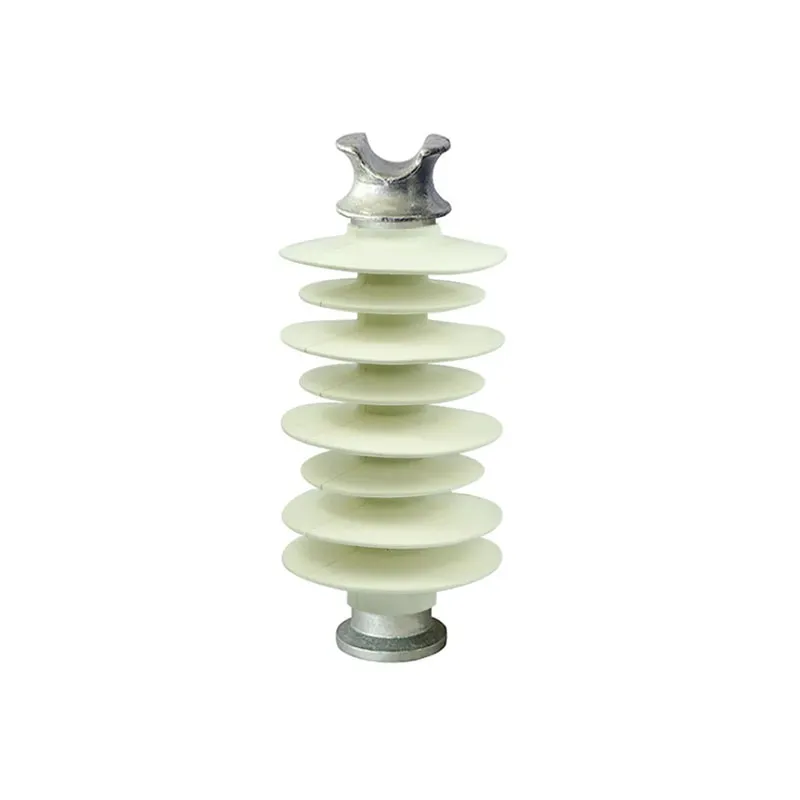
Product context then routes the request. The FPQ24-13T Polymer Insulator page is one FUERTE destination for an SKU-level documentation request; its parameters live on that page and apply to the exact SKU it describes.
Product recommendation fit boundary
No product page — including that one — answers an RFQ. Whether FPQ24-13T or any other model suits the project is settled by the engineer’s review of the exact quoted SKU documents against the inputs this checklist assembles. Buyers with the electrical records, mechanical interfaces, environmental inputs, and evidence list ready can send the complete RFQ pack and receive an SKU-level response that a comparison sheet can actually score. For a related technical topic, see MV Surge Arrester RFQ Checklist: Ratings, Installation and Evidence.
FAQ
What should a polymeric insulator RFQ include?
The application description with a single-line diagram, electrical system records, mechanical and hardware interfaces, environmental and route inputs, the required drawing and test evidence list, and quantity with commercial terms — all in one controlled package.
Which electrical inputs belong in an insulator specification?
System voltage records, the stated insulator function, conductor and hardware interface context, and the drawing revision that defines the live-part boundary. Numeric ratings belong to the engineer’s review and the exact quoted SKU documents.
What mechanical details must buyers document before quotation?
The mounting position and structure drawing, fitting schedule, conductor termination detail, orientation, and any owner requirement that affects hardware or clearances. Bidders answer with SKU-level compatibility statements, not photographs.
How do pollution and altitude affect insulator RFQ questions?
They frame the environmental records the owner expects bidders to acknowledge. State the pollution or route exposure category, altitude and climate records when required, and the owner criteria that govern acceptance — without copying values from another model.
Which drawings and test documents should suppliers return?
The exact quoted SKU datasheet and drawings, the owner-named type-test and routine-test documentation, hardware documents, a written exceptions list, and the delivery and spares scope — each referencing the same SKU and revision in the document register.
Can a product page replace a controlled insulator specification?
No. Page values describe the SKU the page covers, not your project. State the project’s records and required evidence, and verify every parameter on the exact quoted SKU documentation during evaluation.
How should buyers compare insulator quotations fairly?
Issue one revision to all bidders, require the same response template, and score only SKU-level evidence returned against the document register. A comparison sheet mirroring the RFQ sections keeps the evaluation traceable.
When should procurement contact the supplier?
Send the controlled requirement and response schedule through contact FUERTE once the electrical, mechanical, environmental, and evidence inputs are ready for an SKU-level response.
Why is a creepage figure alone not a complete polymer-insulator RFQ?
IEC TS 60815-3:2025 gives guidance for selecting and dimensioning polymer insulators for polluted outdoor AC conditions, including site pollution severity and correction factors. IEC 62217:2025 defines general polymeric-insulator tests and acceptance criteria. A polymer insulator RFQ therefore needs highest system voltage, withstand levels, clearances, pollution, altitude, temperature, UV/moisture, mechanical load, fittings, dimensions and orientation. A polymeric insulator specification must remain tied to the route and structure; a composite insulator report for one design does not prove every offered length or fitting.
Does a longer creepage distance automatically solve pollution duty?
No. Pollution severity, profile, altitude, material behaviour and applicable selection guidance all affect the assessment.
Summary
IEC TS 60815-3:2025 gives guidance for selecting and dimensioning polymer insulators for polluted outdoor AC conditions, including site pollution severity and correction factors. Confirm the project inputs, match the exact product evidence and record unresolved assumptions before purchase.
References
- Product-standard scope: IEC 61109, Composite insulators for a.c. overhead lines with a nominal voltage greater than 1 000 V
- Insulator vocabulary scope: IEC 60383, Insulators for overhead lines
- Grid-planning context: Department of Energy Grid Deployment Office
- Public terminology context: Wikipedia: Insulator (electricity)
- IEC TS 60815-3:2025
- IEC 62217:2025
- IEC 61952-1:2019