

When an illustrative utility engineer in Visakhapatnam tightened a new pin fitting on an 11 kV feeder, a wet-weather flashover appeared on the first patrol. The crew replaced the insulator, but the symptom returned because the specification had treated “11 kV” as the whole selection decision. The reversal was simple: creepage, mechanical loading, pollution exposure, and the pole hardware interface had to be checked together.
Summary: Choose an 11 kV polymer pin insulator from the complete duty envelope, not the voltage label alone. Screen electrical withstand, pollution and creepage context, cantilever loading, altitude and weather, conductor hardware, and acceptance evidence before issuing an RFQ. IEC 61109:2025 covers composite insulators for AC overhead lines, while IEC 62217:2025 provides common test and evaluation principles for polymeric HV insulators; neither standard is a blanket “approved product” certificate. Use them to define evidence, then apply the utility’s own clearances and installation rules.
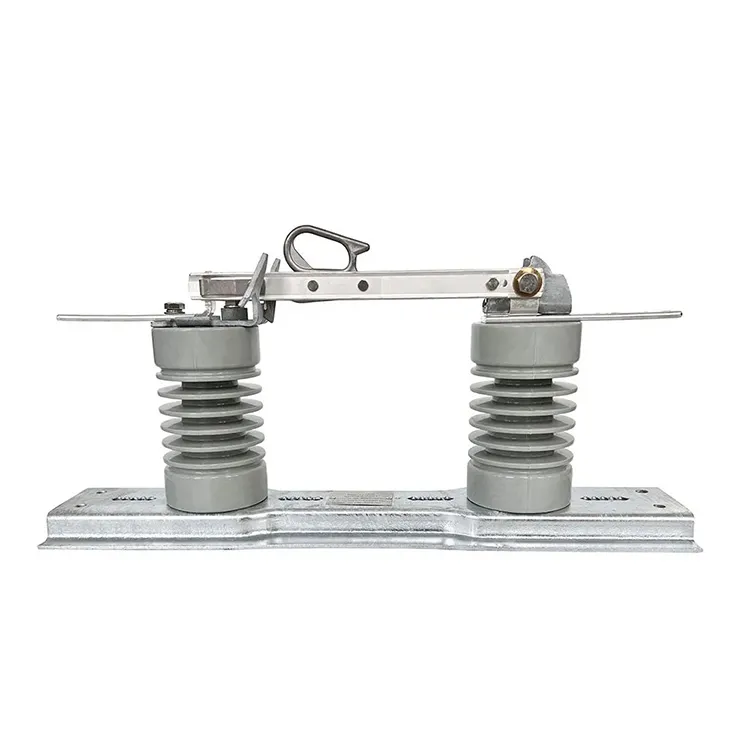
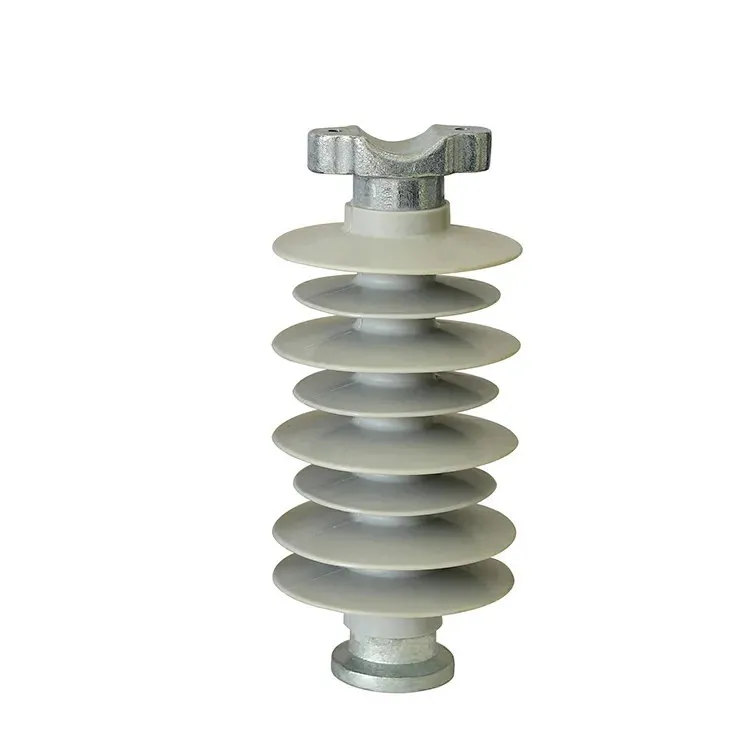
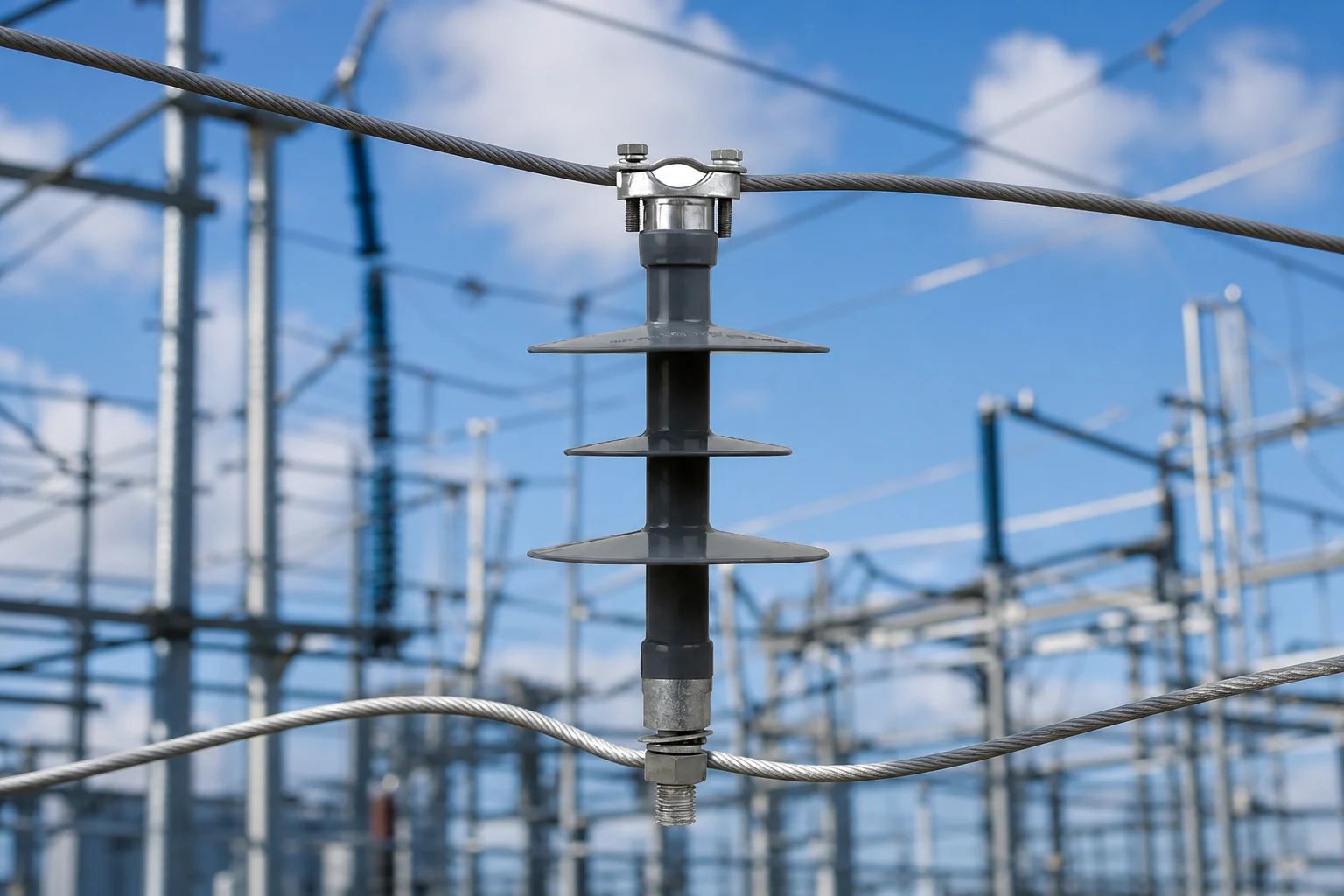
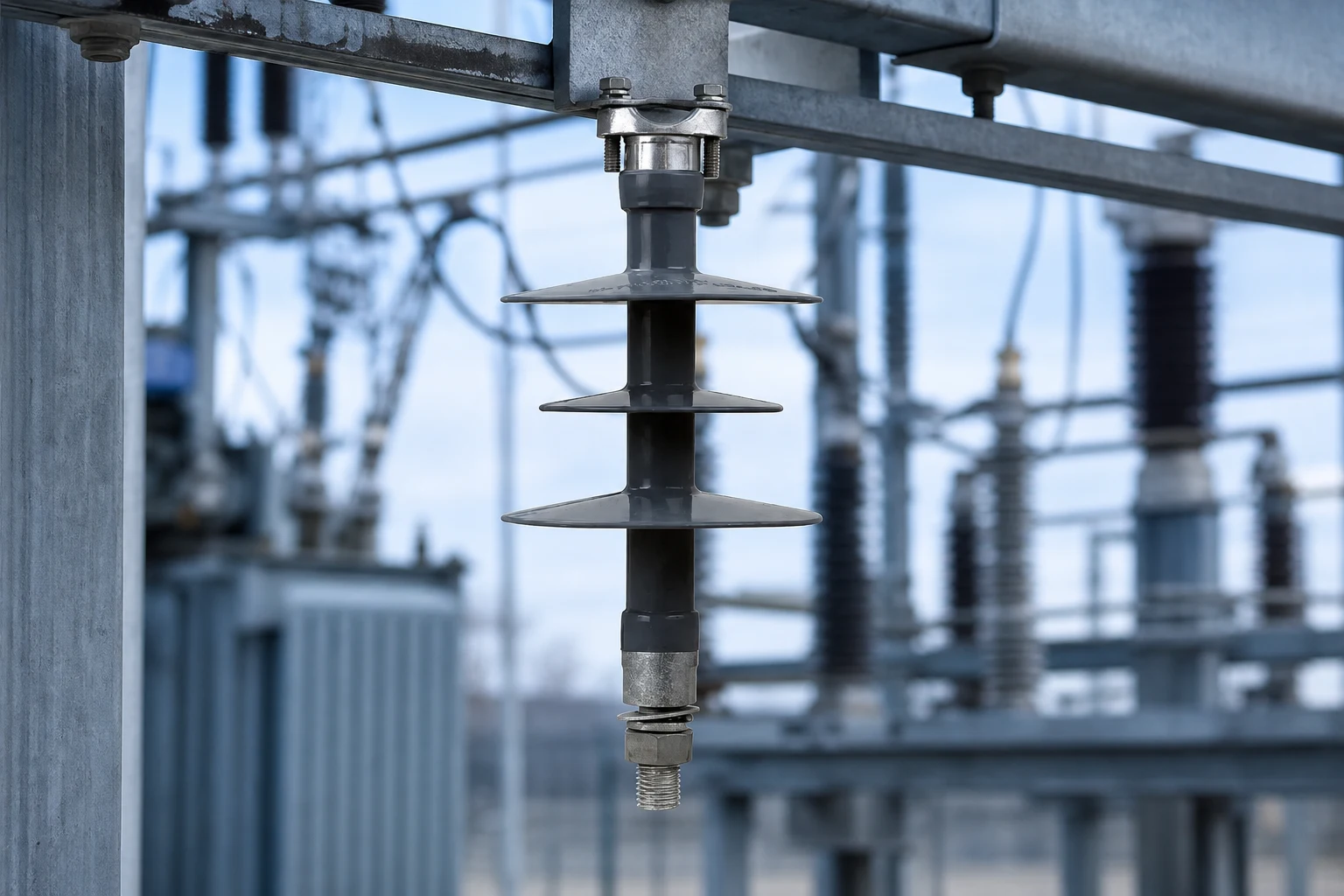
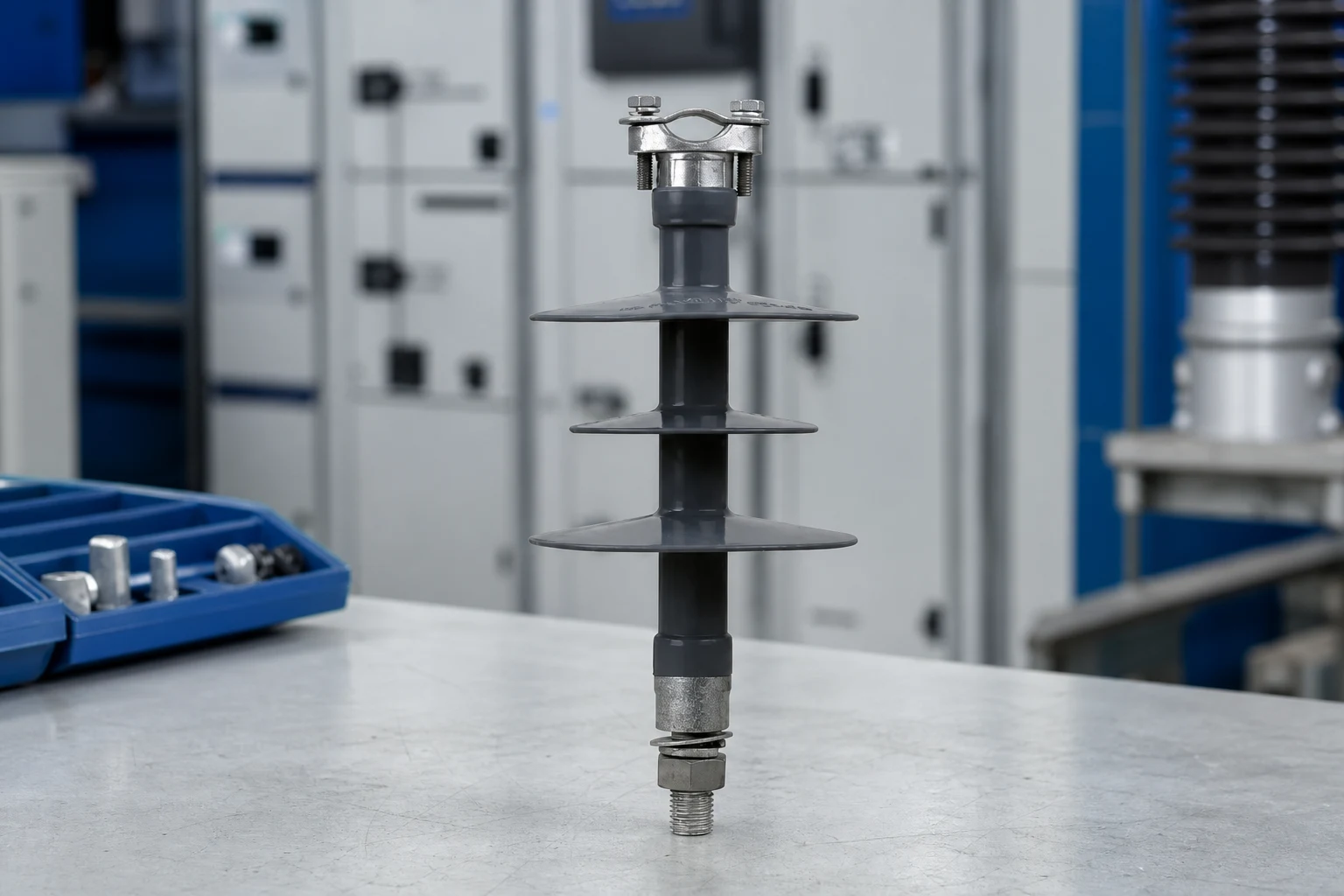
A pin insulator supports a conductor on a crossarm or pole-top fitting and keeps the energized conductor separated from the grounded structure. Polymer construction normally combines a weather-shedding housing with a load-bearing core and end hardware. The useful buying question is not “polymer or porcelain?” but “does this exact interface and test evidence fit this feeder, environment, and maintenance practice?”
Electrical duty: voltage, clearances, and creepage
Start with the system arrangement: nominal line voltage, highest system voltage, earthing method, lightning exposure, and the utility’s insulation-coordination study. Confirm power-frequency and impulse withstand requirements in the project specification rather than copying a value from a similar feeder. A polymer insulator product line page can help identify configurations, but it cannot replace the approved design basis.
Creepage is the surface path along the housing. Pollution severity, wetting, salt, industrial dust, and agricultural deposits can create a conductive film and leakage current. IEC TS 60815-1:2025 and IEC TS 60815-2:2025 provide the selection framework for polluted conditions and polymeric insulators; use the site pollution profile and utility method to establish the required creepage, rather than assuming every 11 kV route needs the same housing.
Arcing distance and phase-to-ground clearance are separate checks. A housing can have adequate surface path while the installed conductor, crossarm, or jumper still violates the project clearance. Confirm the complete pole-top arrangement, including ties, clamps, brackets, and lightning-protection components.
| Selection question | Evidence to request | Why it matters |
|---|---|---|
| What is the electrical duty? | Approved insulation-coordination values and test report excerpts | Prevents a nominal-voltage match from masking impulse or clearance gaps |
| What pollution is expected? | Site survey, route classification, and creepage calculation basis | Links housing geometry to wet-contamination performance |
| What is actually being tested? | Standard, edition, sample configuration, and laboratory report identity | Separates type-test evidence from a generic brochure claim |
Mechanical, environmental, and interface fit
For a pin assembly, the governing mechanical case may include conductor tension, wind, ice, angle at the structure, broken-wire events, and installation handling. Ask the designer to provide the governing load case and the required cantilever or bending capacity. Do not publish a capacity number unless it is tied to the exact product drawing and test evidence.
Environment changes both electrical and mechanical risk. UV exposure, temperature cycling, salt, chemical deposits, wildlife contact, and storm debris should be recorded in the duty description. High-altitude projects require the applicable air-density correction and local clearance rules. A silicone housing may support hydrophobic recovery after wetting, but that observation is not a substitute for pollution testing or a route-specific maintenance plan.
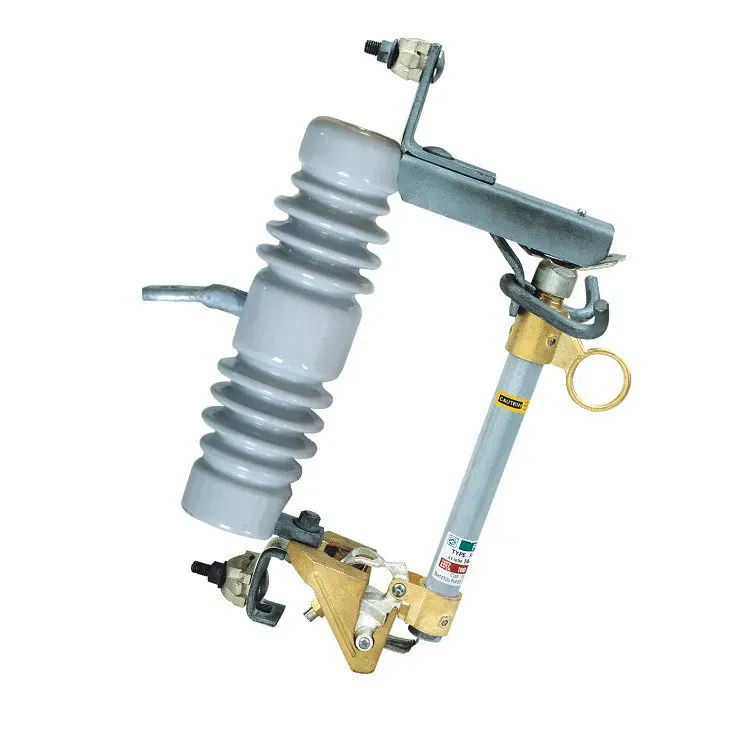
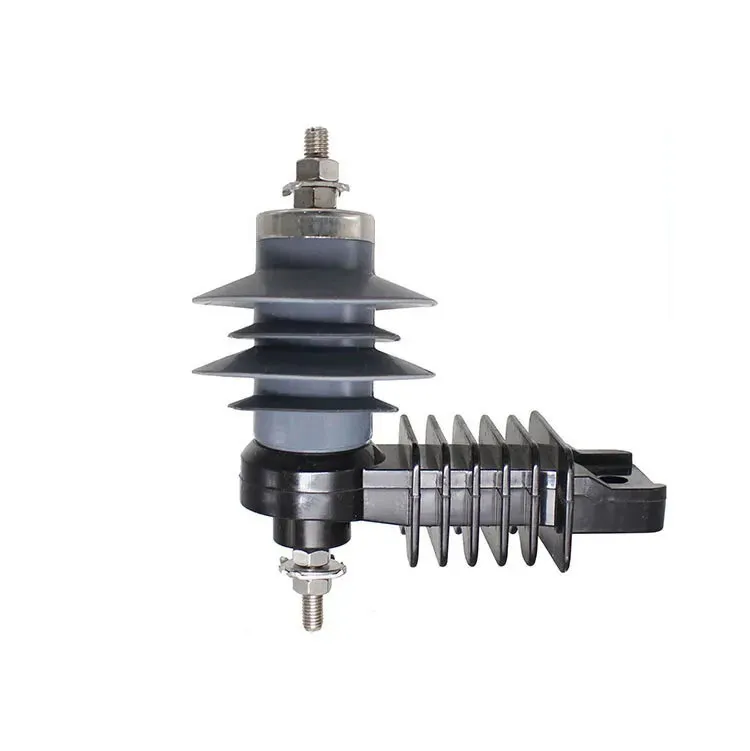
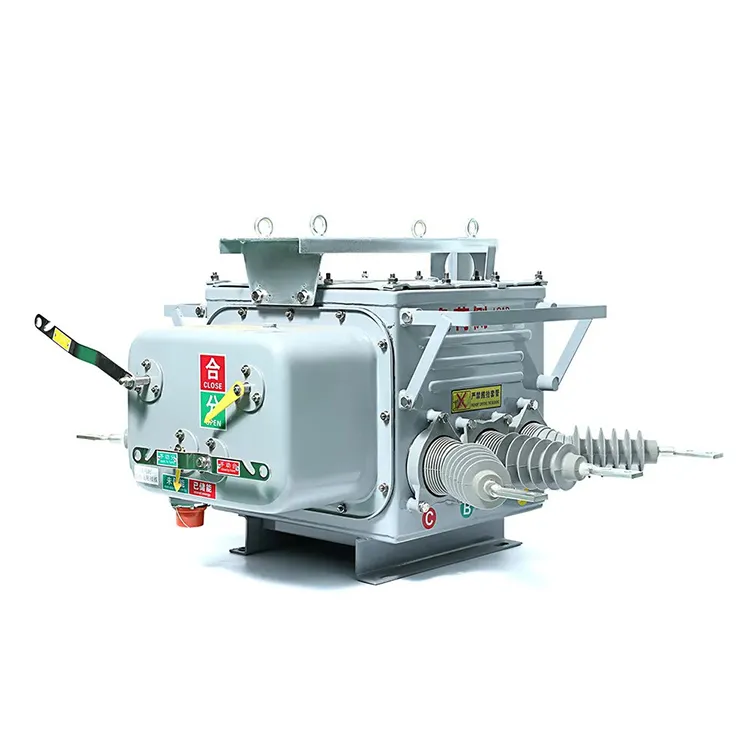
Interface errors are common during replacement work. Confirm the pole-top pin, thread or bolt arrangement, crossarm hole pattern, conductor tie or clamp, phase spacing, and access for a live-line or de-energized maintenance method. Compare the drawing to the installed structure; “fits the catalog family” is not enough. Where the feeder also needs protection equipment, coordinate the insulator envelope with the fuse cutout product line and surge-arrester clearances.
| Dimension | Check during design | Acceptance record |
|---|---|---|
| Mechanical load | Conductor, span, angle, wind and ice assumptions | Approved calculation and matching product drawing |
| Weather and pollution | Salt, dust, UV, wetting, altitude, and cleaning access | Route survey, creepage basis, and maintenance instruction |
| Hardware interface | Pin, clamp, tie, hole pattern, phase spacing, and clearances | Signed dimensional drawing and installation checklist |
Standards scope, inspection, and acceptance
IEC 61109:2025 addresses composite insulators for AC overhead lines and sets product test requirements within its stated scope. IEC 62217:2025 gives common test and evaluation principles for polymeric high-voltage insulators; it is a foundation for the relevant product standard, not a universal certification mark. For pollution selection, consult IEC TS 60815-1:2025 and the polymer-specific part where applicable.
In the purchase order, identify the standard edition, test configuration, laboratory or witness requirements, sample traceability, and documents due before shipment. Ask for routine-test records, material and batch identification, dimensional inspection, and the manufacturer’s installation instructions. A type test demonstrates a design under defined conditions; it does not prove that every delivered unit, pole arrangement, or local utility rule is automatically compliant.
At receipt, inspect the housing for cuts, flash marks, contamination, loose hardware, damaged threads, and transport deformation. Match the marking and batch information to the release documents. During installation, verify torque and seating according to the approved drawing, conductor support, phase clearances, and the absence of sharp hardware that could damage the housing. Record photographs and as-built references before energization.
Failure modes and operating feedback
A useful failure review starts with the visible symptom and works back to the duty and interface. Flashover during fog or rain can point to pollution, insufficient creepage, contamination bridges, or a clearance problem. Tracking or erosion may indicate sustained leakage current, damaged housing, or an environment that differs from the design basis. Cracked hardware, core exposure, or a pulled-out fitting requires immediate isolation and engineering review.
Mechanical looseness may come from incorrect torque, vibration, conductor movement, or a mismatch between the specified and installed fitting. Repeated breakage at the same pole position suggests a structural or load-path issue rather than a random product defect. Keep inspection findings linked to pole number, weather, loading state, and photographs; that record improves the next procurement decision without inventing a service-life promise.
For a broader material comparison, the site’s guide to polymer and porcelain insulators is useful background. The project decision still depends on verified route conditions and the utility’s approved construction standard.
A practical RFQ and selection checklist
- State the 11 kV system arrangement, highest system voltage, earthing, insulation-coordination values, and applicable utility standard.
- Attach the pollution and environmental profile: wetting, salt or dust, UV, temperature, altitude, wildlife exposure, and cleaning access.
- Provide conductor, span, angle, wind and ice assumptions so the required mechanical load is traceable to the structure design.
- Include the pole-top drawing and require confirmation of pin, clamp, tie, hole pattern, phase spacing, and adjacent protection equipment.
- Define the document pack and acceptance hold points: standard editions, type and routine tests, dimensional inspection, marking, packaging, installation, and nonconformance handling.
FUERTE can be considered at the supplier-screening stage when the buyer needs a configurable polymer-insulator discussion and a drawing-led quotation. Share the route conditions and interface drawing first; a responsible quotation should identify what is confirmed, what is conditional, and what still needs utility or engineer approval.
Frequently asked questions
What should I check first when choosing an 11 kV polymer pin insulator?
Start with the approved electrical duty, pollution profile, mechanical load case, and pole-top interface. A voltage label alone cannot confirm creepage, clearance, or fit. Ask the utility or consulting engineer to approve the duty basis before comparing supplier quotations.
How does pollution affect creepage on an overhead line?
Deposits become conductive when wet and can increase leakage current or trigger flashover. Use the route classification and the current IEC TS 60815 framework to establish creepage and maintenance assumptions; do not copy a value from a cleaner site.
Does IEC 61109 certify every polymer pin insulator?
No. IEC 61109 defines requirements and tests for composite insulators within its scope. The buyer still has to verify the standard edition, tested configuration, delivered-unit records, local utility rules, and installation arrangement.
Is polymer automatically better than porcelain in coastal service?
Not automatically. Polymer housings can offer useful wetting behavior and lower handling weight, but coastal selection still depends on creepage, hardware, clearances, pollution testing, and inspection access. Compare evidence and total maintenance practice for the actual route.
What should be inspected before energization?
Check housing condition, markings, hardware seating, torque records, conductor support, phase-to-ground clearances, and adjacent equipment interfaces. Match the unit and batch to the release documents and retain photographs with the as-built record.
What are common early warning signs in service?
Recurring flashover in wet weather, visible tracking or erosion, cracked sheds, loose fittings, and unexplained movement at the conductor support deserve prompt investigation. Record the pole location and conditions, isolate when required, and review whether the original duty or interface assumptions were wrong.
Conclusion
Selecting an 11 kV polymer pin insulator is a coordination exercise: electrical withstand, creepage, pollution, mechanical loading, environmental exposure, and pole hardware must describe the same installed assembly. IEC 61109 and IEC 62217 help define credible test evidence, while the IEC TS 60815 family supports pollution-oriented selection; they do not remove the need for utility rules, route data, or engineer approval. The most defensible RFQ names the duty, drawing, test edition, inspection hold points, and records required at handover. The most useful operating feedback then connects every defect to a pole, weather condition, load case, and document trail. That discipline prevents a nominal-voltage purchase from becoming a wet-weather outage. For a project review, send the line data and interface drawing to FUERTE engineering support and request a documented, configuration-specific response.