

Procurement teams comparing polymer pin type insulators with polymer disc insulators usually arrive with the same voltage class on two datasheets and different mounting pictures on two drawings. The productive split is application boundary: how each family attaches to the structure, what line duty the arrangement expects, and which hardware record proves compatibility. This page stays in that comparison lane and does not restate 11 kV pin or disc definition content already published as sibling articles.

Where is the pin-versus-disc boundary in procurement?
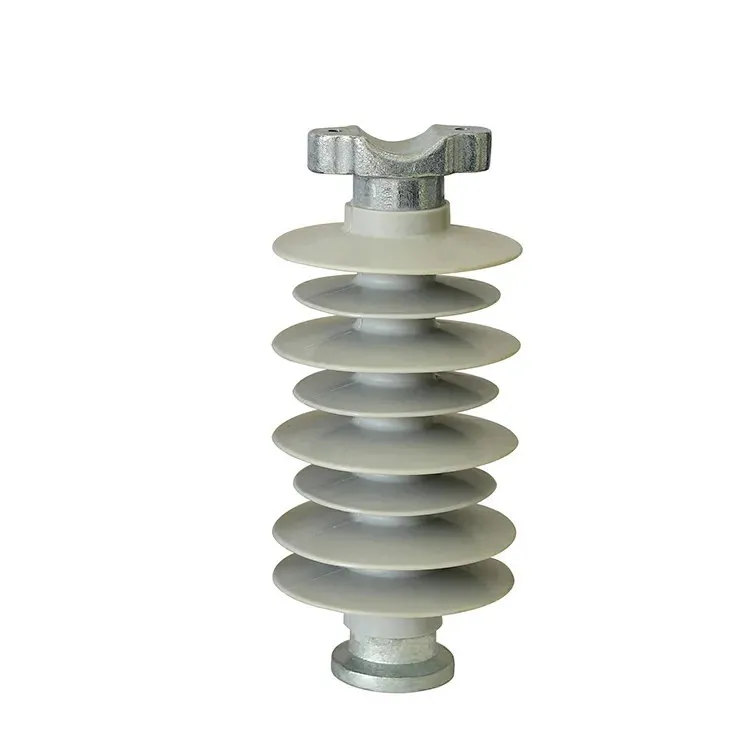
A polymer pin type insulator is normally reviewed as a rigid line-support interface mounted to a crossarm, bracket, or pole top. A polymer disc insulator is normally reviewed as part of a suspended string where individual units stack to support conductor weight and maintain clearance along the span. Both families appear in medium-voltage overhead work, but the mounting boundary and line function split differ on every structure drawing.
Voltage class labels help narrow the catalogue search; they do not, by themselves, prove that one family can replace the other on an existing structure. The comparison belongs in procurement once the drawing shows where the insulator sits, how conductors attach, and what movement or load path the span expects. Until those inputs exist, treat “pin or disc” as an open engineering question rather than a marketing choice.
The polymer insulator range is a navigation page for the product line, not a substitute for structure evidence. Owner drawings, hardware schedules, and the responsible engineer remain the controlling sources.
| Comparison lens | Pin type insulator question | Disc insulator question |
|---|---|---|
| Structure attachment | Which stud, bracket, or pole-top interface is drawn? | Which suspension point and string length are drawn? |
| Line duty | Is the position a rigid support on a distribution arm? | Is the position a suspended span or tension arrangement? |
| Evidence owner | Structure detail and crossarm drawing | String layout, end fittings, and sag context |
| Common mistake | Choosing from voltage label alone | Treating string count as interchangeable with pin stud size |
How does mounting logic differ on poles and towers?
Mounting logic is the first filter because it is visible on the structure before any electrical detail is debated. Pin type insulators bolt or thread onto a fixed base; the conductor side is tied, clamped, or otherwise terminated against that rigid body. Disc insulators hang from a suspension attachment; additional units may be added in series depending on the string design shown on the drawing.
On typical distribution poles, pin types often appear on crossarms serving phase conductors along a feeder. Disc strings more often appear where the line transitions to suspension on towers, long spans, or specialized hardware arrangements. Those patterns are common, not universal—site drawings still override general practice.
When a replacement project arrives with only a photograph, record what the image actually shows: fixed base versus hanging string, tie position versus suspension clamp, and whether the hardware belongs to a pin family or a disc-string family. Photographs support identification; they do not replace the approved interface drawing.
Important: IEC 60383-1 publishes the scope for insulator definitions and tests, including pin and suspension types, but it does not certify that a catalogue item fits your drawn interface. Close fit through project documents and named SKU evidence (IEC 60383-1).
Which RFQ inputs make pin and disc offers comparable?
Comparable quotations need the same revision-controlled inputs, not the same keyword on the cover email. State whether the requirement is pin-type mounting or disc-string suspension, attach the controlling drawing, and list the hardware interfaces that must mate on site. Ask each supplier to confirm the offered family, exact model, and any exclusion where the drawing is incomplete.
| RFQ line item | Send with quote | Supplier response field |
|---|---|---|
| Family boundary | Pin type or disc string as drawn | Confirmed family + stated exclusions |
| Structure reference | Crossarm/pole detail or suspension layout | Offered mounting arrangement |
| Hardware interfaces | Stud size, tie hardware, end fittings, clamps | Included / excluded / TBD |
| Line function | Support, corner, terminal, or suspension role | Stated application limit |
| Environmental inputs | Pollution context and owner requirements | Documentation request list |
| Documentation ask | Outline drawing, data sheet, packing note | Register with revision |
Buyers comparing both families on a greenfield line should issue one RFQ revision per structure type. Mixing pin-type and disc-string requirements in a single row without drawing detail invites incompatible offers that look equally “compliant” on price alone.
How does line function change the insulator family choice?
Span function explains why two insulators with similar voltage wording can appear on different structures along the same route. A pin type insulator often supports a conductor seated on a crossarm where the primary need is rigid phase support and defined tie geometry.
A disc string often supports a conductor hanging from a suspension point where sag, string length, and fitting orientation matter.
Corner poles, branch taps, and equipment leads can still use pin types when the drawing shows rigid arm mounting. Longer spans, river crossings, or tower suspension sections move the review toward disc strings and their fitting chains. The question is not which family is “better,” but which duty the drawing assigns to that structure position.
When the drawing confirms pin-type duty, cross-read the published polymer pin insulator selection for 11 kV overhead lines. For a related technical topic, see Polymer Suspension Insulators: Selection Inputs for Overhead Lines.
When the drawing confirms disc-string context, cross-read the live 11 kV polymer disc insulator and 33 kV polymer disc insulator articles. That sibling article map keeps voltage-class basics on the definition pages while this page owns the family boundary.
Which hardware interfaces break interchange assumptions?
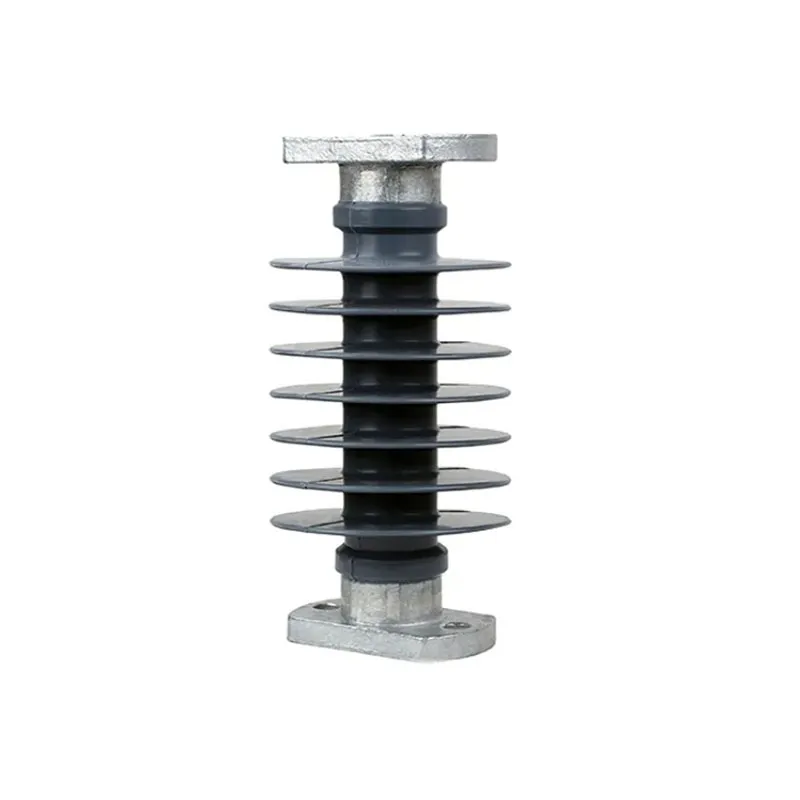
Interchange failures usually trace to hardware, not to the polymer housing material. Pin type insulators depend on stud thread or bolt pattern, tie-wire groove or top cap geometry, and conductor clamp compatibility. Disc strings depend on end fittings, suspension hooks, yoke plates, and the cumulative length of the string as drawn.
| Interface element | Record before quote | Do not infer from |
|---|---|---|
| Pin stud or base | Thread, bolt circle, bracket part number | Similar kV label on another pole |
| Conductor tie | Tie wire size, top cap style, clamp type | Generic product photo |
| Disc end fitting | Socket/ball or tongue/clevis as drawn | String count from an old purchase |
| String assembly | Unit count, spacing hardware, overall length | One insulator SKU in isolation |
A pin insulator cannot silently substitute for a disc string simply because both descriptions include “polymer” and a nearby voltage class. Likewise, reducing a disc-string requirement to a single disc unit without the suspension hardware drawn on the structure creates a scope gap that appears only at installation.
How should product pages be used without overclaiming?
Product pages are inquiry anchors after the family boundary is documented. They help buyers name a model, request drawings, and compare supplier responses against a published configuration.
Each page is subject to an exact-model limitation: it identifies catalogue context for one SKU or family, not universal interchange between pin and disc arrangements. Product pages do not approve a structure or convert a comparison article into a project sign-off.
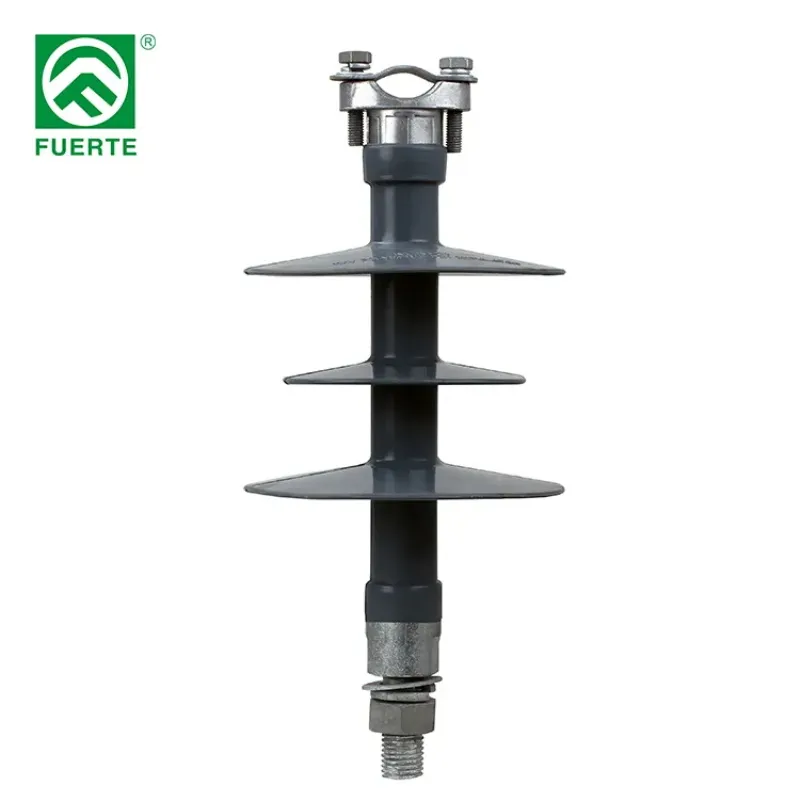
When documented inputs point to pin-type duty, these FUERTE pages are practical starting points:
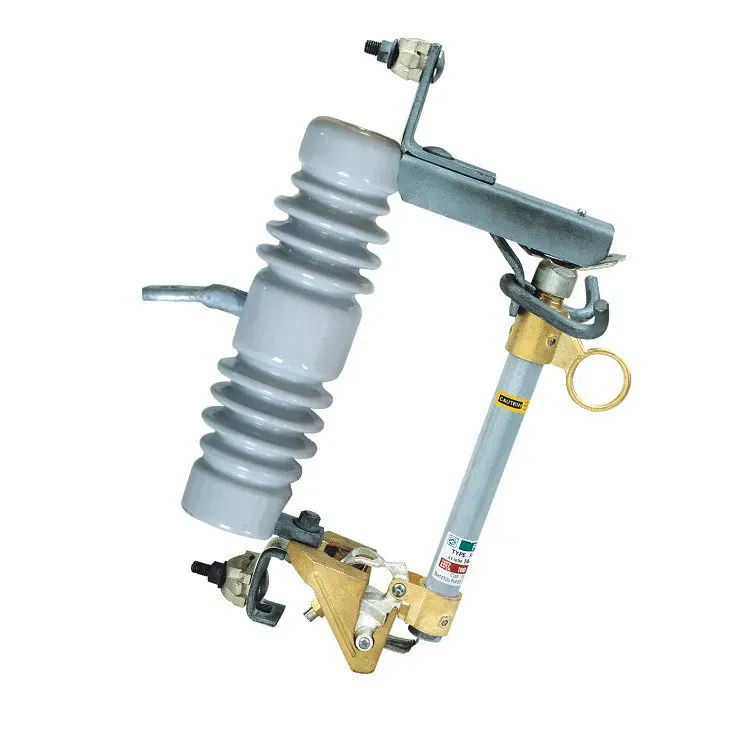
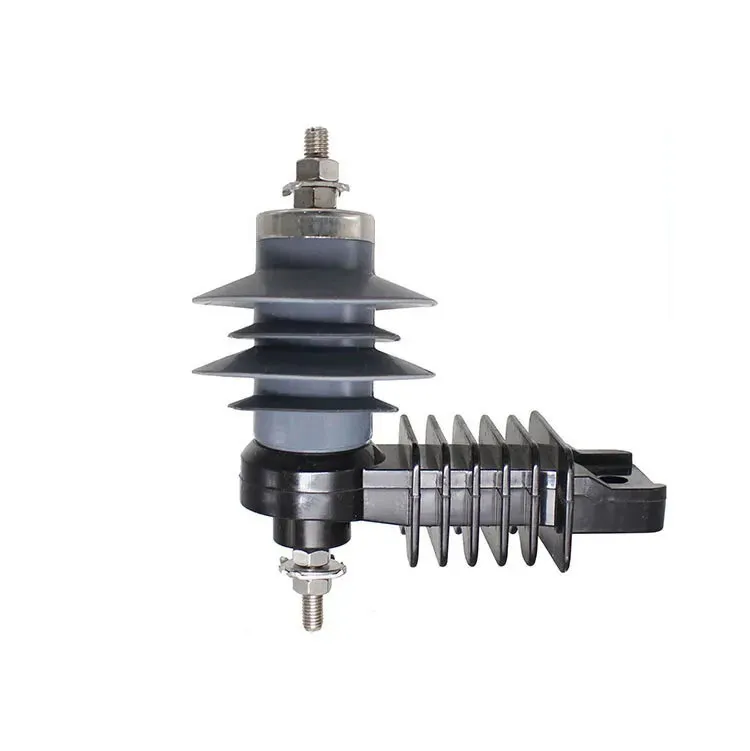
- Pin Type Insulator — family-level pin insulator context for overhead distribution inquiries
- FPQ3-10-4T Polymer Insulator — exact-model pin insulator page for quotation-stage drawing review
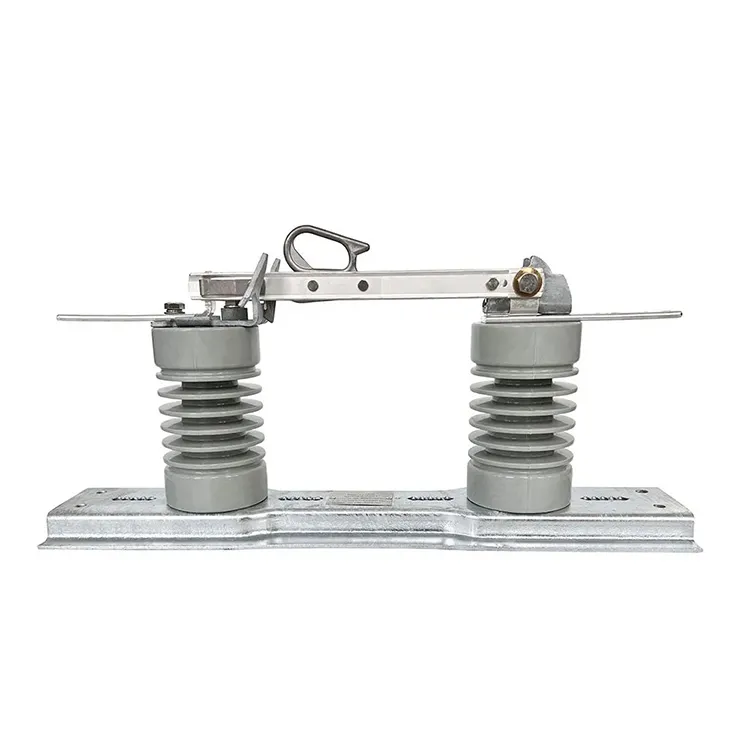
When the drawing confirms disc-string duty, the FZS-11 Polymer Insulator page supports disc-family catalogue context only. It does not authorize using a disc unit where the structure detail specifies pin-type mounting.
Fit boundary
Pin-family product pages fit documented pin-type mounting with recorded hardware interfaces. They are not default recommendations for disc-string suspension, undefined structures, or replacement jobs where the drawing still shows a hanging string. Disc-family pages fit disc-string inquiries with the same evidence rule in reverse.
Send the RFQ table, drawing revision, and interface notes through contact FUERTE once the family boundary is written down.
What is the final fit boundary?
This comparison article is complete when a buyer can explain why a structure needs pin-type mounting or disc-string suspension, what hardware evidence is missing, and which sibling article owns the next level of detail. It deliberately does not duplicate 11 kV pin or disc definition prose, polymer-versus-porcelain material comparisons, or suspension-insulator selection for long-rod applications.
| Reader need | Use this page | Use sibling article instead |
|---|---|---|
| Pin versus disc application split | Yes | — |
| 11 kV pin selection inputs | Boundary only | Polymer pin insulator selection for 11 kV overhead lines |
| 11 kV disc definition | Boundary only | 11 kV polymer disc insulator |
| 33 kV disc definition | Boundary only | What Is a 33KV Polymer Disc Insulator? |
Mechanical design, energization authorization, and certification statements remain with the owner and engineer. IEC 61936-1 supplies planning vocabulary for power installations, but the project specification defines applicable requirements.
FAQ
What is the practical difference between polymer pin type insulators and disc insulators?
Pin types normally mount rigidly to arms or pole tops; disc units normally hang in strings for suspended line duty. Compare mounting logic and line function before comparing catalogue titles.
Does mounting logic alone decide which family fits?
Mounting logic is the first gate, but line function, hardware interfaces, and owner requirements still control final suitability. Document all three before quotation.
Can a pin insulator replace a disc string with a similar voltage label?
No. Similar voltage wording does not make stud-mounted pin hardware interchangeable with a suspension string and its fittings.
Which hardware interfaces must be recorded before quotation?
Record stud or base details, tie or clamp geometry, suspension fittings, string length, and drawing revision for the exact structure position.
Where do pin types typically appear versus disc strings?
Pin types commonly appear on distribution crossarms; disc strings commonly appear on suspension layouts and tower contexts. Site drawings override general patterns.
What evidence should accompany a pin-or-disc RFQ?
Include the RFQ table, structure drawing, hardware schedule, line-function note, environmental inputs, and a documentation request list for the exact offered model.
Can a product page prove interchangeability between families?
No. Product pages support model identification and document requests; they do not prove that one family fits a structure drawn for the other.
When should buyers use the existing 11 kV definition articles?
Use the pin and disc definition articles when the family boundary is already clear and the remaining question is voltage-class detail or selection inputs for that family.
What do the line-post and tension standards actually establish?
IEC 61952:2008 covers composite line-post insulators and does not choose them for specific operating conditions. IEC 61109:2025 covers composite suspension and tension insulators; IEC 62217:2025 provides general polymeric-insulator tests and acceptance criteria. These scopes classify evidence but do not make the families interchangeable. For a polymer pin insulator versus disc insulator comparison, record mounting geometry, conductor support or tension path, loads, fittings, phase spacing, pollution and line function. A structure drawing, not a family photo, should settle the interface.
Does IEC 61952 select a pin insulator for a particular line?
No. It defines tests and acceptance criteria; operating-condition selection remains an engineering task.
Summary
IEC 61952:2008 covers composite line-post insulators and does not choose them for specific operating conditions. Confirm the project inputs, match the exact product evidence and record unresolved assumptions before purchase.
References
- IEC 60383-1: Insulators for overhead lines with a nominal voltage above 1 000 V — Part 1: Ceramic or glass insulators for a.c. systems — Definitions, test methods and acceptance criteria
- IEC 61936-1: Power installations exceeding 1 kV a.c. and 1.5 kV d.c. — Part 1: Common rules
- IEEE Std 48-2020: IEEE Standard for Test Methods, Production Requirements, and Definitions for High-Voltage Insulators
- IEC 61952:2008
- IEC 61109:2025
- IEC 62217:2025
Evidence handoff notes
Before release, attach the supplier response to the same RFQ revision that named the family boundary.
If the drawing shows pin-type mounting, discard disc-string quotations unless the supplier documents an approved design change. If the drawing shows a suspension string, discard pin-type offers that omit string hardware.
For export projects, record which party confirmed structure details, hardware compatibility, and environmental inputs. Supplier catalogue material supports the conversation; it does not replace the structure designer or line owner.