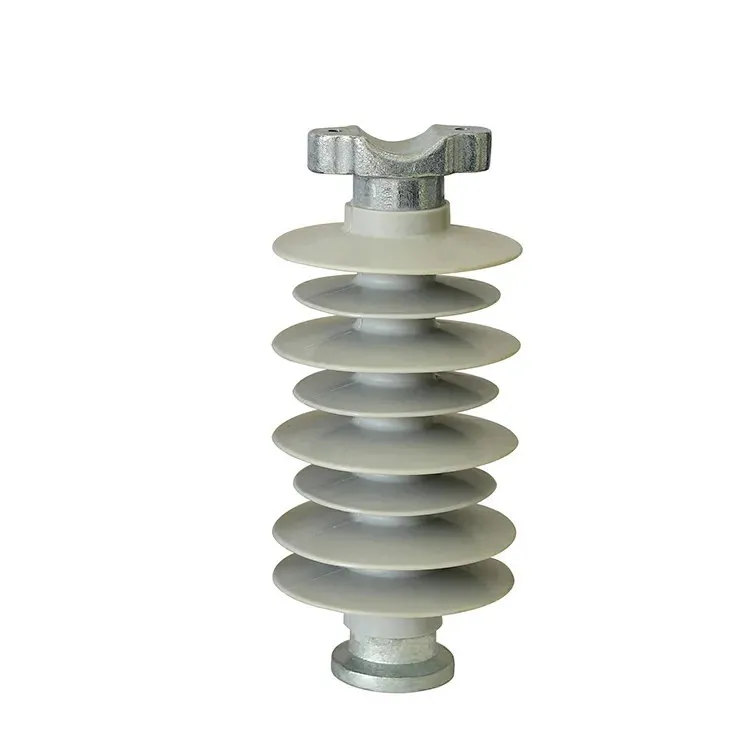
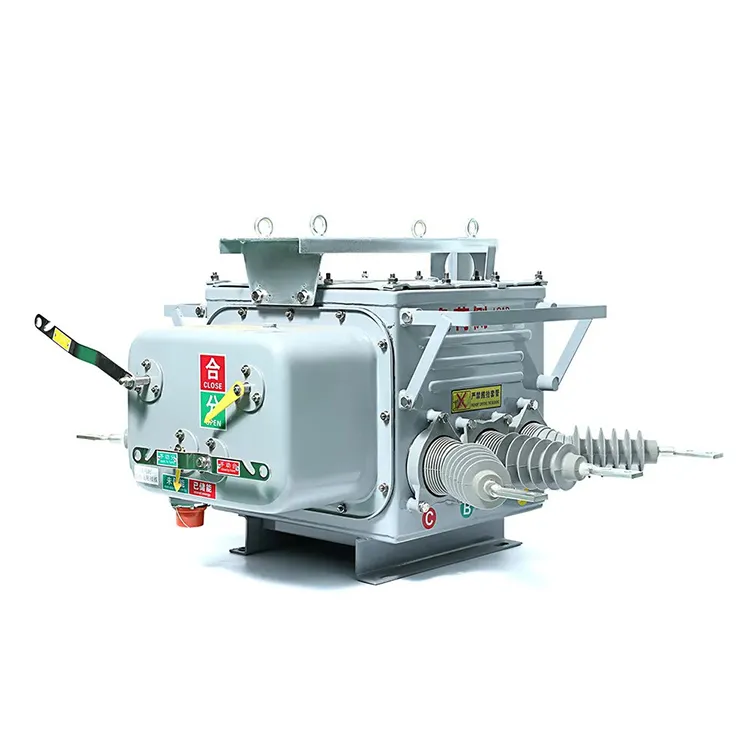
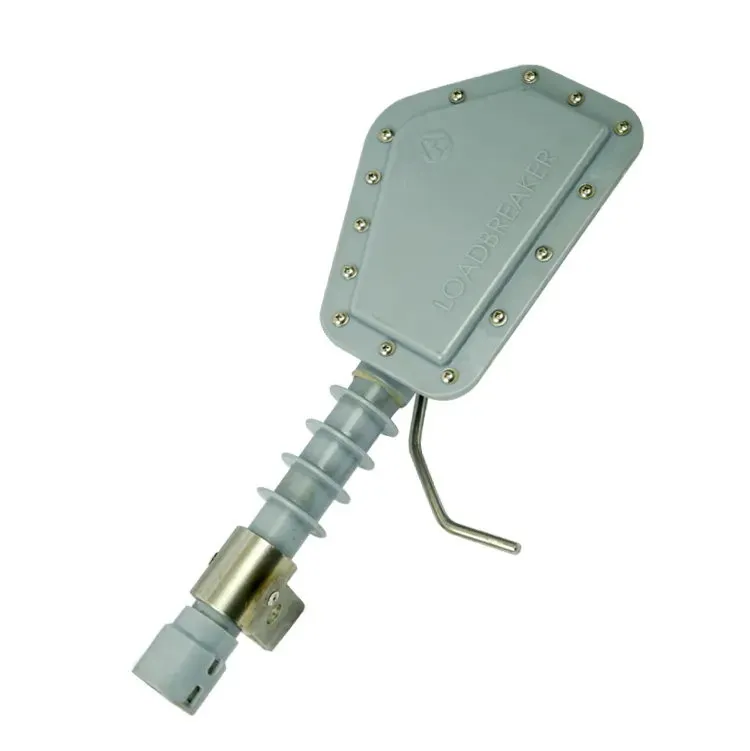


A fuse cutout drawing-scope record keeps the buyer line, drawing purpose, revision reference, supplier response source, and unanswered scope question together. It helps a procurement team see what was requested and what was actually addressed, without turning a drawing into an approval or a technical finding.

Use the FUERTE fuse cutout family as a starting point for a focused product conversation. Related evidence controls are described in the fuse cutout RFQ document index and the fuse cutout RFQ assumptions guide.
Important: A drawing can identify a requested document and its stated scope, but it cannot by itself establish electrical duty, coordination, installation suitability, certificate applicability, or project acceptance. Keep those decisions with the responsible review. Source context: IEC Webstore.
Part 1. Start with the buyer line
Open the record with the buyer’s RFQ reference and line identifier. This establishes the request that the drawing is meant to support before any attachment or supplier comment is compared.
Give each drawing question its own line. A general request for “the latest drawing” often makes it difficult to tell which buyer requirement the response addresses.
Part 2. State the drawing purpose
Write down why the drawing is being requested: for example, to clarify a stated interface, document a supplier response, or identify an open scope question. The purpose statement keeps the review focused on the known inquiry.
Avoid expanding that purpose into performance conclusions. A scope record is designed to show what needs review, not to decide the outcome.
Part 3. Capture the revision identity
Record the document title, revision or issue identifier when supplied, source, and date received. If no revision is stated, record that absence rather than assigning a version from a file name.
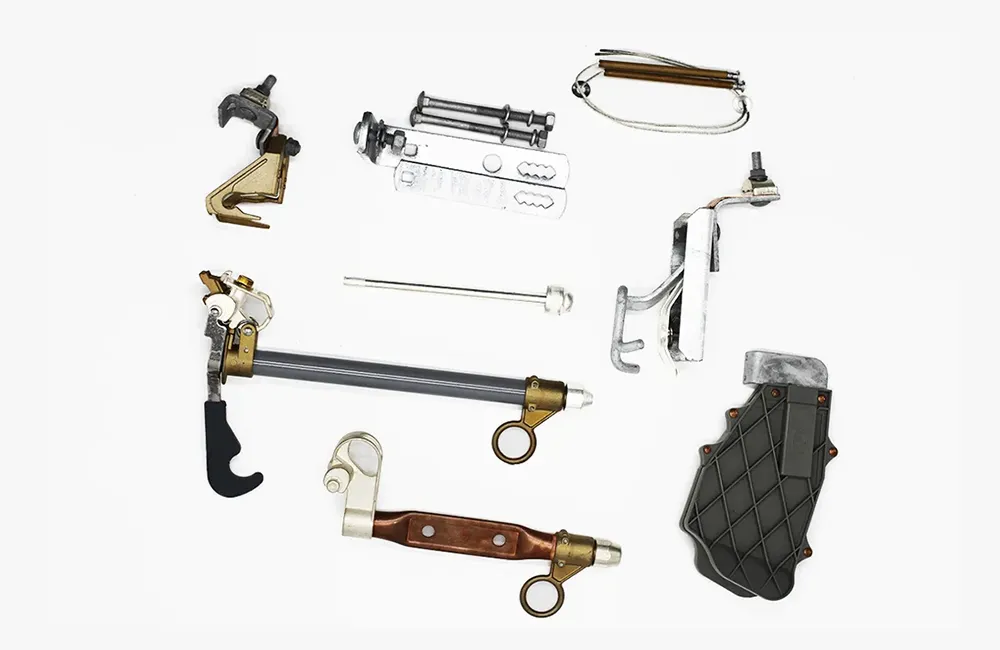
This detail lets a second reviewer find the same source later. It does not say that the document is complete or suitable for a project.
Part 4. Separate shown scope from open scope
List what the supplier explicitly states as covered and then list the parts of the buyer request that remain unaddressed. Keep the two lists separate so an omitted item does not disappear into a broad drawing title.
When a response uses a different term, preserve its wording and request clarification. Do not silently translate a scope difference into an equivalence claim.
Part 5. Make the response reviewable
Use a compact table to keep the requested drawing information beside the response.
| Buyer drawing question | Request purpose | Supplier source | Stated scope | Open review point |
|---|---|---|---|---|
| RFQ line and title | identify the requested record | quotation or response | stated document reference | line not addressed |
| Revision identity | locate the supplied issue | named file or register | revision shown or absent | source mismatch |
| Scope statement | compare response wording | cited drawing note | supplier-stated coverage | buyer item not stated |
| Clarification item | preserve an unanswered question | follow-up response | answer received or missing | route to review |
The table creates traceability, not technical approval. Its value is that an unanswered scope item remains visible to the buyer.
Part 6. Use a named inquiry route
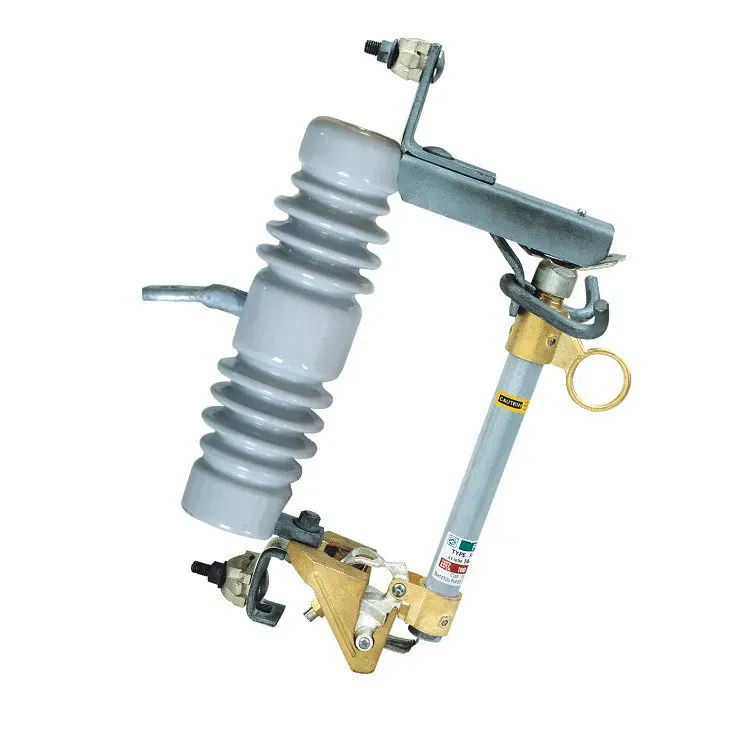
Once the buyer can name the RFQ line, drawing reference, and precise question, the FSC-22-3 Drop Out Fuse Cutout page can support a request for current information.
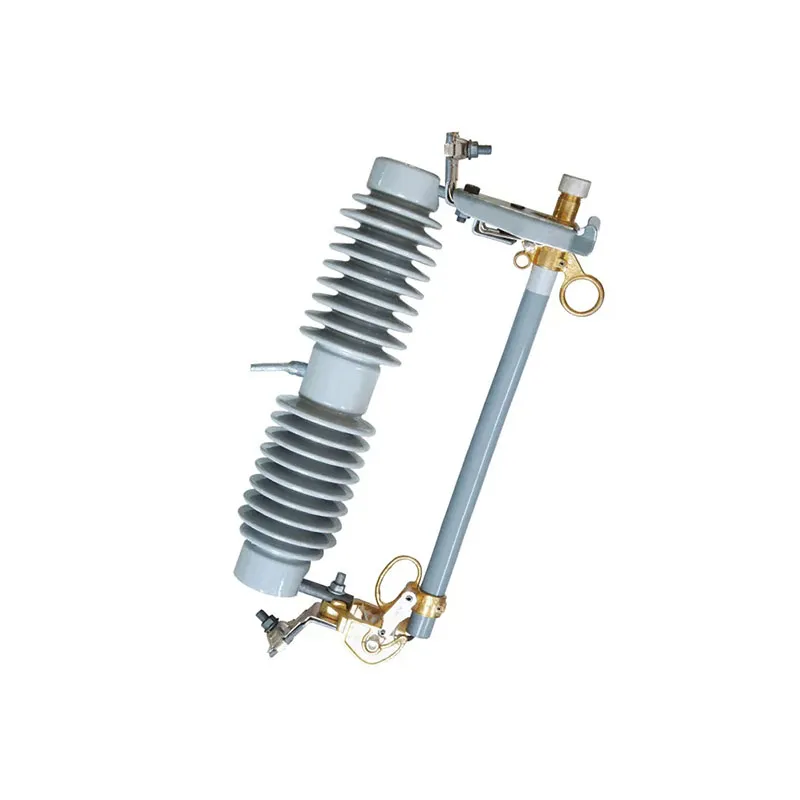
That product recommendation route should be used with the drawing reference and the one open scope point. It does not mean the public page represents the buyer’s project or resolves an undefined requirement.
Part 7. Close the drawing record
Before moving the record forward, identify which questions are answered, which source is cited for each answer, and which items still need the responsible review. Preserve the record with the buyer line so later replies can be compared against the same request.
For a controlled enquiry, contact FUERTE with the buyer reference, document identifier, and the exact question to be clarified.
FAQ
What is a fuse cutout drawing-scope record?
It is a buyer-facing record that links a drawing question to its RFQ line, document identity, response source, stated scope, and unresolved point.
Should a buyer identify the RFQ line first?
Yes. The line reference provides the anchor that lets reviewers compare a document response with the original request.
What makes a drawing revision traceable?
Record the document title, stated issue or revision, source, and date received when those details are available.
Can a drawing approve a fuse cutout?
No. A drawing record does not replace the responsible process for technical, project, or acceptance decisions.
How should an unclear scope item be recorded?
Keep it as an open question beside the supplier wording and request a focused, source-backed response.
What should a supplier cite with its response?
The supplier should identify the source document or response record used to address the buyer’s drawing question.
Which FUERTE page supports a defined drawing question?
Use the cited FSC-22-3 product route after the buyer has named the line, document, and specific question.
Does this record authorize installation?
No. Installation and project release require the applicable controlled evidence and responsible approval path.
References
- IEC Webstore: controlled-document context for the review boundary used here.
- CIGRE ELECTRA: power-system publication context for evidence-led engineering review.