
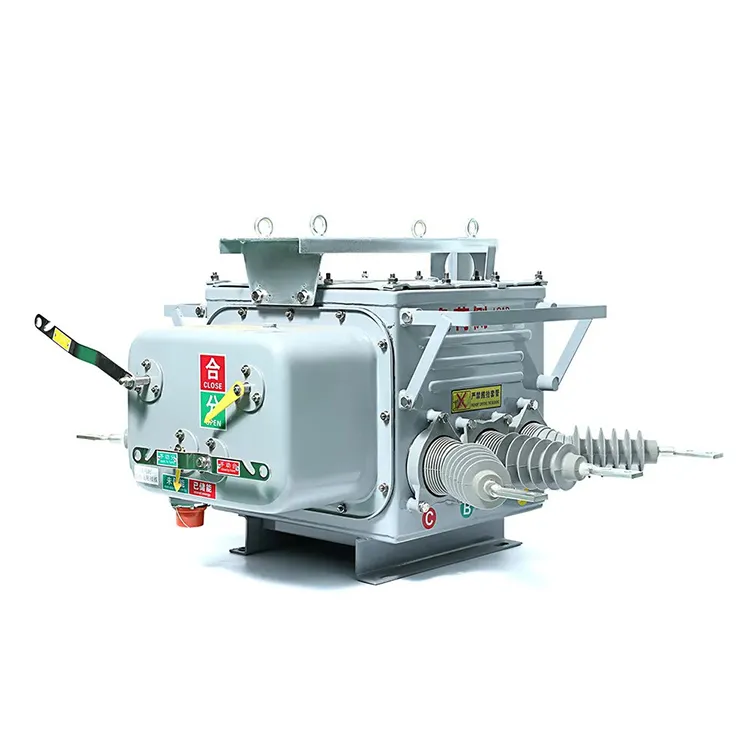


A fuse cutout RFQ document index should connect every buyer line to the requested file, revision, supplier source, and open question. It prevents a catalogue attachment from being treated as a complete response or as evidence of technical approval. For a related technical topic, see How Should an RFQ Control VCB Document Revisions?.

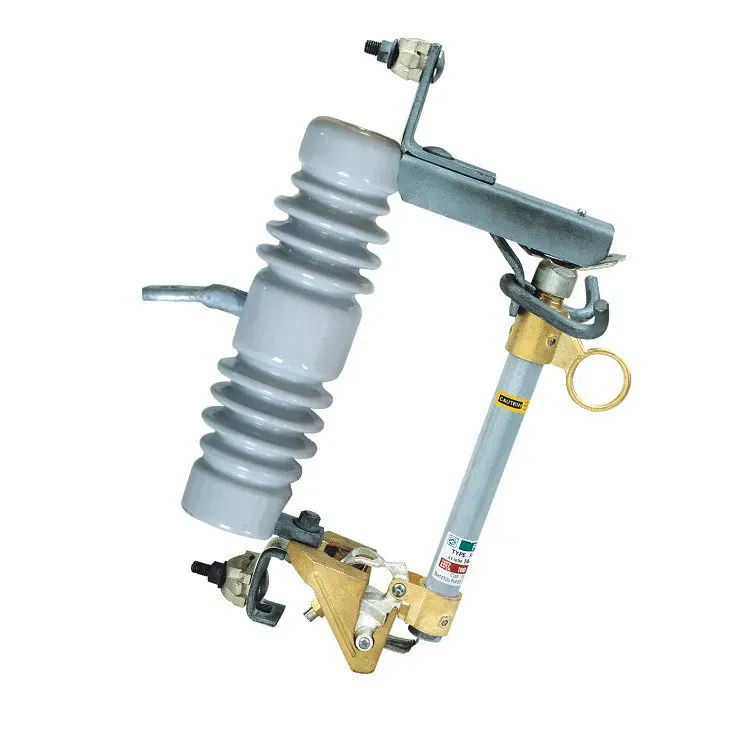
Use the FUERTE fuse cutout family as inquiry context only. Related evidence controls are available in the fuse cutout RFQ checklist and the quote deviation guide.
Important: A document register cannot demonstrate fuse coordination, interrupting capability, project fit, or installation approval. Those questions need controlled project evidence and responsible review. Source context: IEC Webstore.
Part 1. Define the document baseline
Name the buyer reference, RFQ issue, required file type, current revision, and response deadline before comparing supplier documents. A filename without its requested role is not a controlled procurement record.
Keep the baseline visible to every bidder. This helps the buyer identify whether a response is missing, superseded, or attached to the wrong requirement.
Part 2. Link each file to an RFQ line
Require each response to cite the buyer line that it addresses. A generic brochure may be informative, yet it does not answer a controlled requirement unless the supplier identifies the applicable line and offered configuration.
Do not join files from different offered configurations through a family name. Record the exact identity stated by the supplier and leave any uncertainty open.
Part 3. Record revisions and source titles
Use the document title, supplier revision, date if supplied, and source location in the index. This supports comparison without asking a receiver to reconstruct file history from attachments.

Mark a superseded file as history rather than current evidence. A buyer can then ask a focused clarification when a quotation and a document register cite different versions.
Part 4. Separate an omission from a deviation
An unanswered line is not the same as a declared difference. Keep an omission open; record a deviation with the supplier explanation, source reference, and responsible buyer disposition.
The index is an evidence-control tool. It does not decide whether a deviation is technically acceptable.
Part 5. Use a comparable index table
Use one table for all suppliers so the document request remains comparable.
| Buyer line | Required document and revision | Supplier source | Response status | Buyer disposition |
|---|---|---|---|---|
| RFQ reference | requested file and baseline revision | cited attachment or register | present, missing, or superseded | record for review |
| Offered identity | exact stated configuration | quotation reference | unclear identity | clarify before release |
| Difference | declared exception and source | supplier explanation | open deviation | route to review |
| Document history | prior file reference | revision register | current status uncertain | keep visible |
The table helps manage records without creating a technical conclusion about a fuse cutout.
Part 6. Route an identified model inquiry
When the buyer has an exact offered identity and a controlled question, the FSC-21-3 Drop Out Fuse Cutout route can support a request for current documents. The public page does not confirm that a proposed item meets a project requirement.

Send the buyer line, requested file, cited source, and unresolved question. This makes the inquiry precise while preserving the project review boundary.
Part 7. Close the document register
Issue the document index with the RFQ and request suppliers to declare every exception against a buyer line. Keep unresolved identity, revision, and source differences visible before any release or acceptance decision.
For a controlled document inquiry, contact FUERTE with the register, exact offered identity, and named questions.
FAQ
What is a fuse cutout RFQ document index?
It is a register that links each buyer requirement to a requested file, source reference, status, and open question.
Can a catalogue replace a required response?
No. The supplier should cite the RFQ line and exact offered configuration that the document addresses.
Which fields should an index show?
Use buyer line, required document, revision, supplier source, response status, and buyer disposition.
Why record a document revision?
It distinguishes current evidence from superseded or unrelated files.
Is an omission a deviation?
No. Keep an omission open until the supplier provides a response; record a declared difference separately.
Can the index prove fuse coordination?
No. Coordination requires the applicable engineering evidence and responsible decision process.
Which FUERTE route supports a document request?
Use the cited product route after the buyer has assembled a controlled inquiry.
Does this article approve a fuse cutout?
No. Project approval remains outside a document-control guide.
References
- IEC Webstore: controlled-record terminology for document-index requests.
- CIGRE ELECTRA: power-industry publication context for procurement evidence records.