


For a related technical topic, see What Is a 33 KV Polymer Pin Insulator?.
For a related technical topic, see 11 KV Polymer Pin Insulator.
What does a 33 kV polymer disc insulator do?
The suspension unit forms part of the insulation and mechanical connection between the conductor and the pole, tower or cross-arm. A polymer weather housing is exposed to rain, pollution and UV, while the core and metal fittings carry the specified load. The exact creepage distance, arcing distance, fitting type and mechanical rating must come from the approved drawing.
The 33 kV polymer disc insulator label identifies a product family and voltage application; it does not set one globally correct string length or number of units. Some distribution systems use a pin or line-post arrangement instead, so the support geometry should be confirmed before comparing disc quotations.
Why the disc count cannot be fixed in advance
The number of suspension units is determined through insulation coordination and the utility’s construction standard. A responsible design review normally considers:
- highest system voltage and required power-frequency and impulse withstand levels;
- pollution severity, salt or industrial deposits, rainfall and wetting behaviour;
- altitude correction and available clearances;
- mechanical load, conductor tension, wind or ice and tower geometry;
- the electrical and mechanical ratings of the proposed unit and fittings;
- utility rules for strings, arcing horns, grading devices and clearances.
IEC 60383-1:2023 addresses ceramic or glass insulator units for overhead lines, while IEC 61109:2025 and IEC 62217:2025 cover relevant composite and polymeric-insulator principles. These references help define the evidence; they do not turn a supplier’s “three-unit” or “four-unit” example into a universal 33 kV answer.
How to compare proposed suspension strings
Ask each supplier to complete the same table rather than accepting a disc count without assumptions.
| Design item | Supplier should state | Buyer checks |
|---|---|---|
| Insulation coordination | Voltage basis, withstand levels and clearances | Matches the project study and utility standard |
| Pollution | Site class, creepage method and shed arrangement | Consistent with local salt or industrial exposure |
| Mechanical duty | Specified tensile, cantilever or combined load | Fits conductor, span and structure calculations |
| Hardware | Ball, clevis, tongue, socket, arcing or grading accessories | Matches the pole or tower connection and clearances |
| Test evidence | Applicable type, routine and acceptance records | Configuration and standard edition are traceable |
Suspension string or pin support?
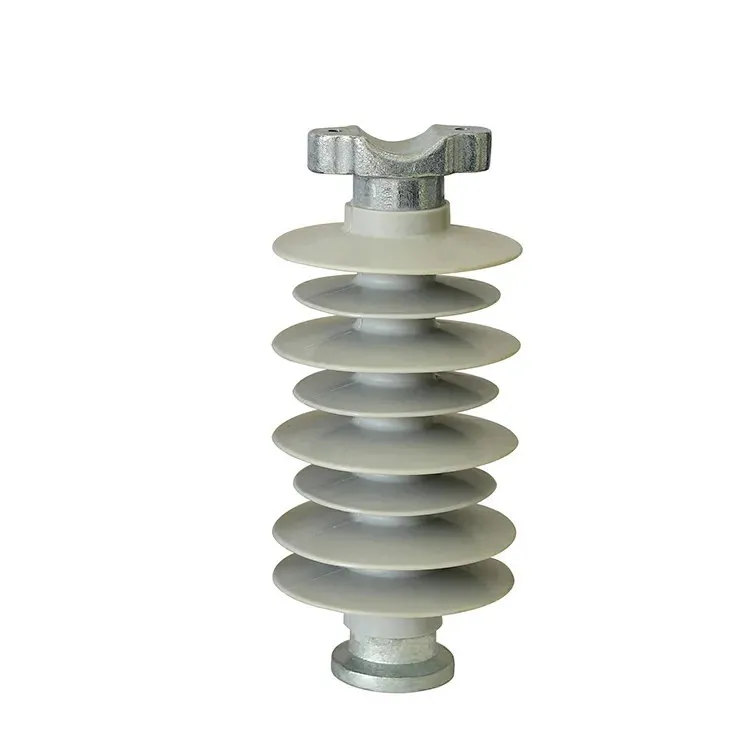
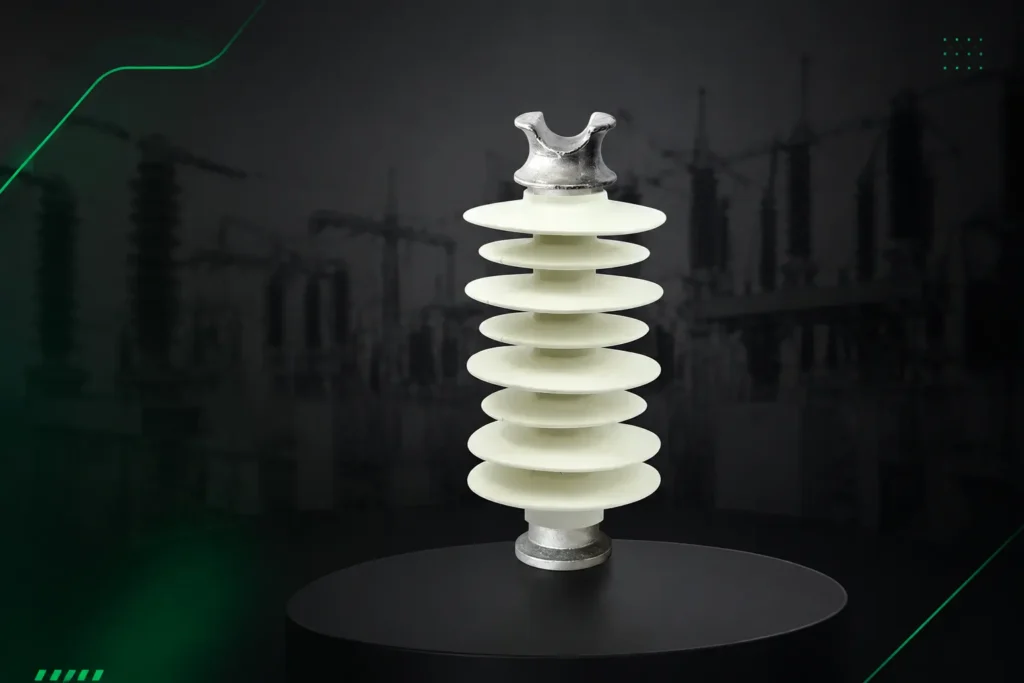
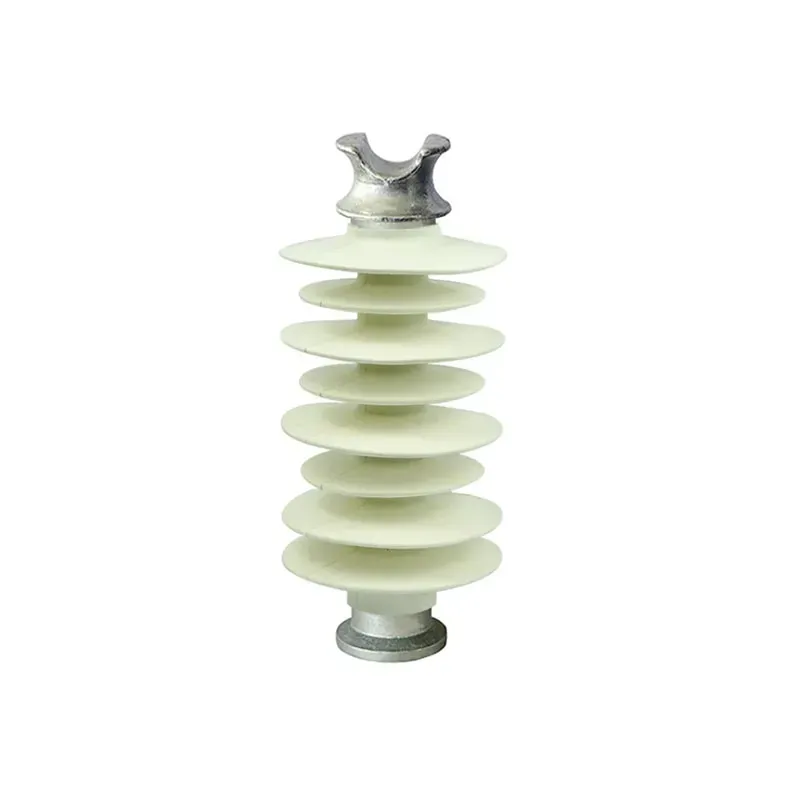
Pin insulators support a conductor on top or at the side of a pole-mounted insulator. Suspension strings hang from a structure and carry the conductor through fittings. Neither form is automatically “higher voltage” in every application; the choice follows the line layout, mechanical loads, clearances and utility practice. For a nearby product comparison, review the polymer suspension-insulator format and ask the supplier to confirm the exact hardware and electrical data for the proposed string.
What to check for pollution and maintenance
Polymer housings can be attractive where low handling weight or contaminated outdoor conditions matter, but hydrophobic behaviour is not a substitute for pollution assessment. Ask how the shed profile, sealing and material are controlled, how visual inspections are performed and what evidence is available for the quoted configuration. In coastal or industrial locations, the specification should state the pollution assumptions and any washing or inspection practice rather than promise maintenance-free operation.
For an RFQ, include the structure drawing, conductor and hardware details, environmental data, required standards, test schedule, packing requirements and change-notification terms. The polymer insulator range can help identify a product family, but approval should be based on the project drawing and evidence pack.
Frequently asked questions
How many polymer discs are needed for 33 kV?
There is no universal number. The final string depends on insulation coordination, pollution, altitude, mechanical duty, clearances, fittings and the utility’s construction standard. A qualified designer should approve the calculation.
Are polymer disc insulators better than porcelain?
They can offer lower handling weight and different contamination behaviour, while porcelain has established inspection and service practices. Compare complete designs under the same electrical, mechanical and environmental assumptions rather than choosing by material alone.
How are polymer suspension units tested?
The test plan depends on the product type and applicable standards. Request relevant electrical, mechanical, material and routine-test records for the quoted design, with the standard edition and configuration clearly identified.
Can a 33 kV polymer disc insulator be used near the coast?
It may be used when the pollution assessment, creepage, shed design, clearances and test evidence support the site. Coastal exposure should be stated in the specification; it should not be treated as proof of unlimited salt-fog performance.
Does a polymer suspension unit have a fixed service life?
No single service-life number applies to every compound, design and environment. Follow the manufacturer’s inspection guidance and use evidence about materials, exposure and condition rather than an unsupported universal-year claim.
Conclusion
A 33 kV polymer disc insulator is a suspension component whose correct configuration is determined by the entire line design. The question of disc count must follow insulation coordination, pollution, altitude, mechanical loads, clearances, fittings and the utility’s standard. When requesting quotations, require suppliers to show the assumptions behind the proposed string, identify the exact housing and hardware, and provide traceable test records. IEC 61109:2025, IEC 62217:2025 and related IEC references can organize the discussion, but they do not replace a project calculation or approval drawing. Treating the product as an evidence-backed assembly—rather than a generic disc sold by count—helps buyers avoid incompatible hardware and gives maintenance teams a clear basis for inspection and replacement.