

For a related technical topic, see 11 KV Polymer Pin Insulator.
For a related technical topic, see What Is a 33KV Polymer Disc Insulator?.
What does a 33 kV polymer pin insulator do?
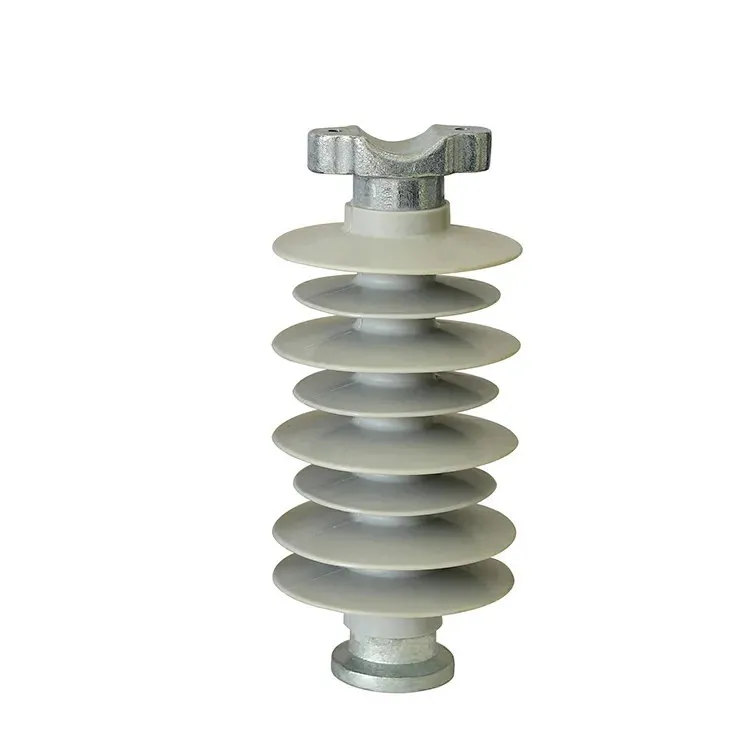
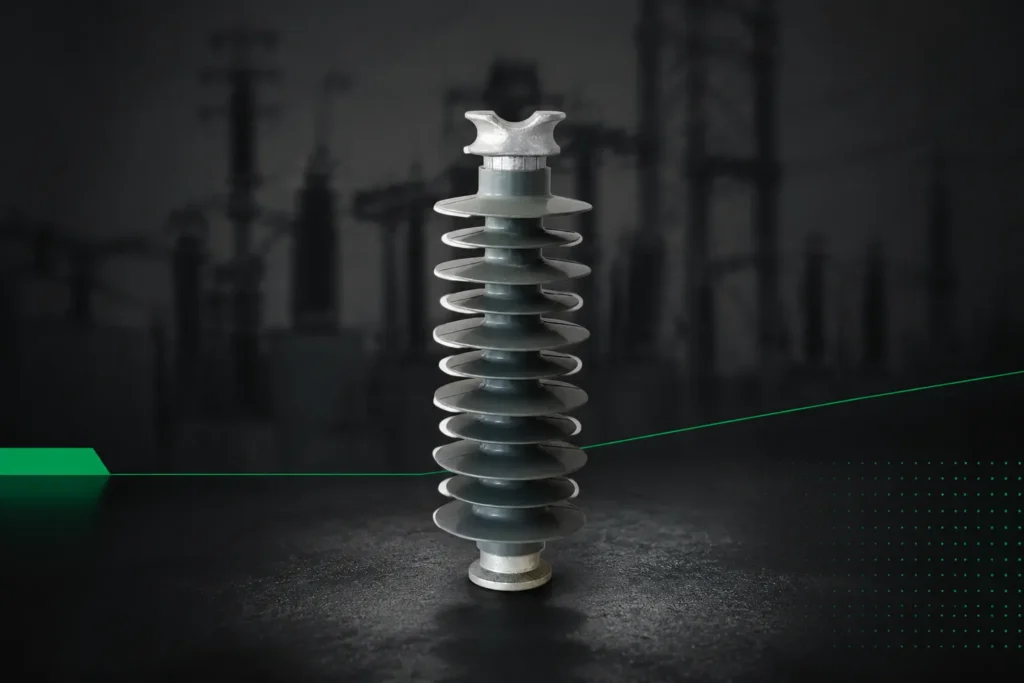
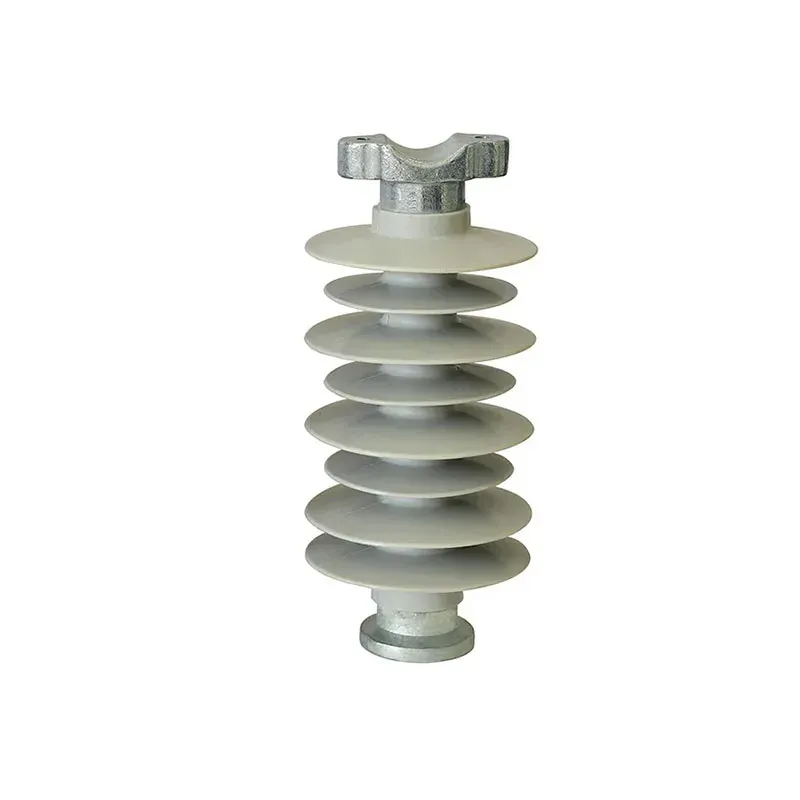
The insulator provides an electrical path with sufficient clearance and creepage between the conductor and the earthed support. The pin or mounting interface transfers the conductor load into the cross-arm or pole. A polymer housing, often based on silicone rubber or another specified polymer system, forms the weather-exposed insulating surface; the exact material, shed geometry and fittings must be confirmed from the manufacturer’s drawing.
The 33 kV polymer pin insulator term describes voltage class and product form, not one universal dimension. Two utilities can require different creepage distances, mechanical ratings or hardware while both referring to a 33 kV pin insulator.
Information needed for a 33 kV specification
Start with these inputs before asking for a quotation:
| Input | Questions to answer | Why it changes the design |
|---|---|---|
| Electrical duty | Nominal and highest system voltage, grounding and phase arrangement? | Sets insulation coordination and required clearances. |
| Environment | Coastal salt, industrial dust, agriculture, altitude, rain and UV? | Influences creepage, shed profile and pollution assessment. |
| Mechanical load | Conductor tension, wind, ice and cross-arm geometry? | Determines cantilever or bending requirements and hardware. |
| Interface | Pin diameter, thread, top tie, clamp and conductor size? | Prevents an apparently correct insulator from failing to fit. |
| Evidence | Which type, routine and acceptance tests are required? | Aligns the supplier’s records with the utility specification. |
IEC 61109:2025 addresses composite suspension and tension insulators, while IEC 62217:2025 provides common polymeric-insulator definitions and test principles. A pin-insulator project may also have a utility-specific product standard. The standards should be listed in the enquiry with the required edition and scope; simply printing “IEC compliant” is not enough evidence.
Which advantages matter at the installation site?
Polymer pin designs can reduce handling weight compared with some porcelain alternatives and may be useful where crews work on remote poles. A water-repellent surface can support performance under wet contamination, but the result still depends on pollution severity, shed design, leakage-current control and inspection practice. Lightweight construction also does not remove the need to verify the pin, cross-arm and conductor loads.
For a project that uses a different voltage or mounting arrangement, compare the proposed unit with the manufacturer’s polymer insulator product range and request a drawing for the exact model. Avoid converting a catalogue image into a technical approval.
A quick way to compare 33 kV options
| Site condition | Questions for the design review | Evidence to request |
|---|---|---|
| Clean inland line | Are standard clearances and the specified mechanical load adequate? | Approved dimensional and mechanical drawing. |
| Coastal or industrial pollution | What pollution severity and creepage method were used? | Pollution assessment and applicable test records. |
| High wind or ice | What combined conductor and environmental loads govern? | Mechanical rating, fitting details and load assumptions. |
| Remote installation | Can the crew handle and inspect the unit with available tools? | Installation instructions, torque values and inspection guidance. |
Documents to request before ordering
Ask the supplier to state the model, drawing revision, housing material, creepage and arcing dimensions, mechanical rating, pin or fitting interface, applicable standard editions and test scope. For delivered batches, agree how routine checks, visual inspection, dimensional verification, packaging and traceability will be recorded. If a design, compound, fitting or manufacturing location changes, require a documented change-notification process. Buyers can also use the project enquiry route to send the duty sheet and drawing revision for review.
Frequently asked questions
Is a 33 kV polymer pin insulator suitable for every 33 kV line?
No. Voltage class is only one input. Pollution, altitude, phase spacing, mechanical load, pin hardware and the utility’s specification must be checked for the actual line.
Are polymer pin insulators easier to install than porcelain?
They may be easier to handle because many polymer designs have lower mass, but installation still requires trained personnel, correct hardware, torque and clearances. The supplier’s installation drawing controls.
What is the typical price?
There is no reliable global price range. Quantity, compound, fittings, testing, packaging, freight, duties and project-specific dimensions can change the delivered cost. Compare complete quotations rather than a unit price detached from the specification.
How should pollution be considered?
Describe the site’s salt, industrial or agricultural contamination and ask how creepage and shed geometry were selected. IEC TS 60815-1:2025 provides a general selection framework, while the project owner may impose additional rules.
Does UV exposure destroy polymer pin insulators?
UV resistance depends on the compound, design and exposure. Request material information and relevant test evidence; do not promise a universal service life from the word “UV-stabilised.”
Conclusion
A 33 kV polymer pin insulator is a line-support component whose suitability comes from the complete design, not from the voltage label alone. Before ordering, document the electrical arrangement, pollution environment, altitude, wind or ice loading, conductor hardware and required tests. Then check that the drawing, fittings, creepage, mechanical rating and batch records match those inputs. IEC 61109:2025 and IEC 62217:2025 can help structure the technical conversation, but a utility specification and project acceptance plan still govern the purchase. This evidence-led process reduces installation surprises and makes supplier quotations comparable. It also gives operations teams a clear basis for inspection and future replacement when the line configuration or environment changes.