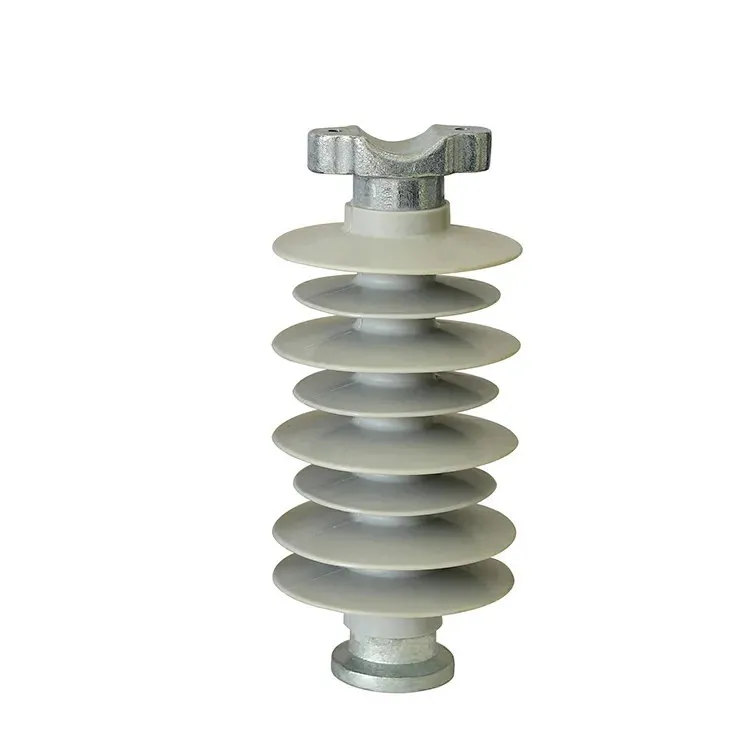
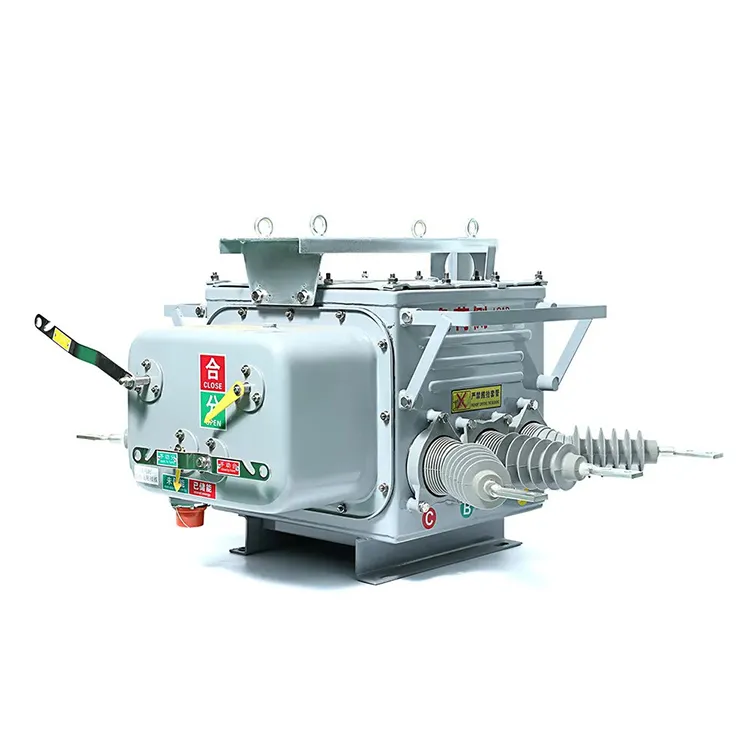
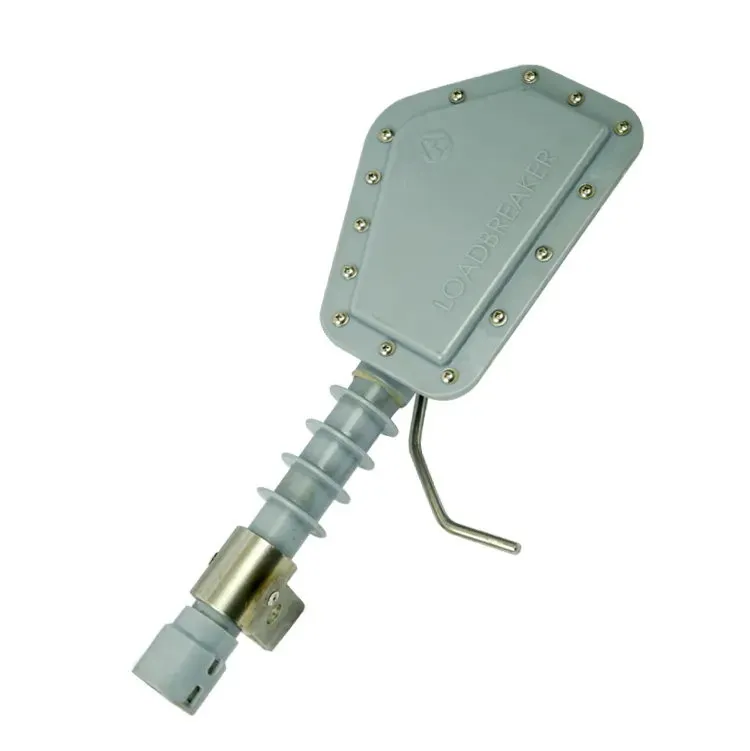


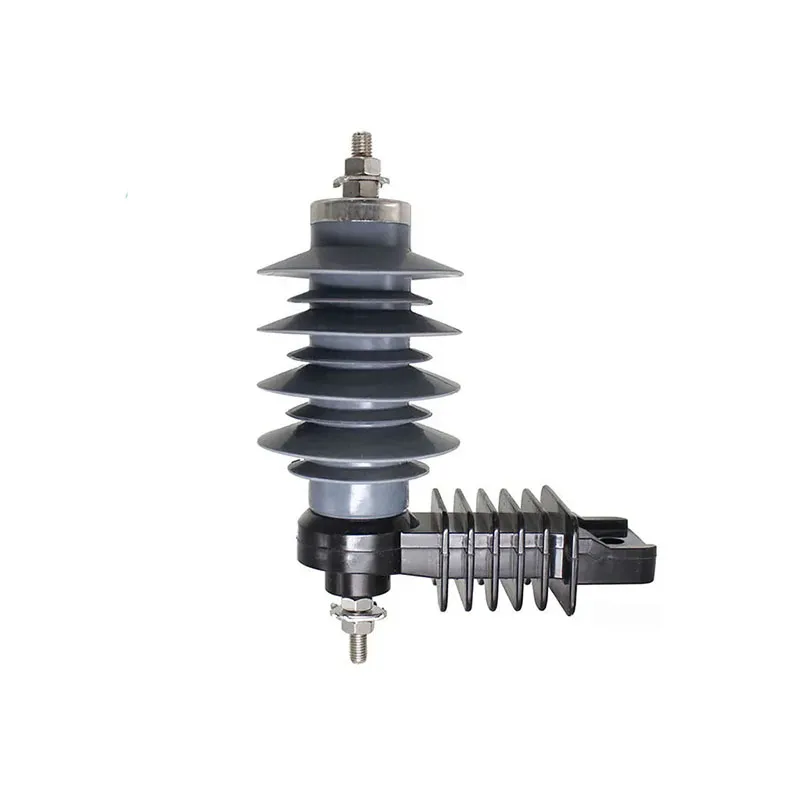
Ask for a lightning arrester for solar power plant protection and you are really asking two questions at once. One concerns the DC side — modules, combiner boxes, and inverter interfaces — where surge protection means low-voltage SPD equipment specified under its own published standard. The other concerns the medium-voltage side — collection circuits and the step-up transformer area — where the subject is a metal-oxide arrester application with system-level inputs. For a related technical topic, see 110KV Surge Arrester for Lightning Protection.
Treating those as one purchase produces quotes that cannot be compared and evidence that cannot be audited. This guide separates the two decisions and shows what each needs. One boundary is stated up front: the FUERTE portfolio discussed on this site covers medium-voltage arresters, not DC-side PV SPDs.
Part 1. One plant, two surge-protection decisions
A utility-scale photovoltaic plant crosses two electrical worlds. Energy is generated and collected at low-voltage DC, converted by inverters, then stepped up and moved through a medium-voltage collection system toward the grid connection.
Surge protection follows that split. Devices near modules, combiner boxes, and inverters belong to the low-voltage SPD category, while the collection circuits and the step-up transformer area raise a classic metal-oxide arrester application question. Naming makes this confusing — both get called lightning protection — and the difference between surge arrester and lightning arrester is worth one link rather than a re-explanation here.
What matters for procurement is that the two categories carry different specifications, different standards context, different suppliers, and different evidence. Every section below keeps them apart.
Part 2. The DC side is its own specification
DC-side surge protection is specified as SPD equipment for photovoltaic installations. A dedicated published standard exists for exactly this scope — IEC 61643-32 covers SPDs connected to the DC side of photovoltaic installations, including selection and application principles — and the DC design team applies it together with the inverter manufacturer’s interface requirements and the owner’s engineering rules.
This article does not specify DC SPDs, and neither does this site’s portfolio. DC-side PV SPDs are a different product category and are not part of the FUERTE medium-voltage arrester portfolio discussed here. Issue the DC scope to SPD suppliers as its own package, reviewed by the team that owns the array and inverter design.
Two practical consequences follow. First, no MV arrester quotation should be read as covering module, combiner, or inverter protection. Second, a DC SPD datasheet answers nothing about the collection system, so neither document substitutes for the other.
Part 3. The MV side is arrester territory
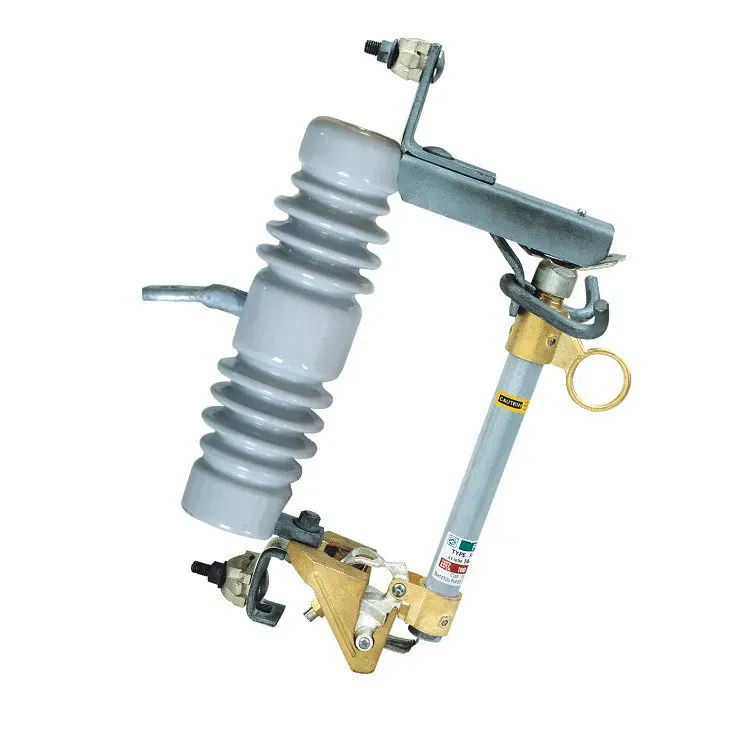
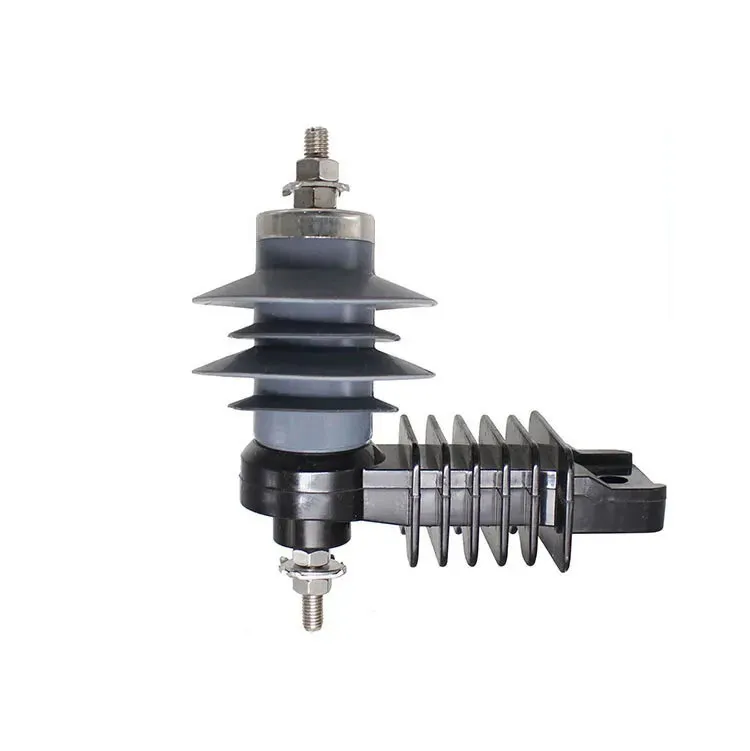
Once energy leaves the inverters and enters the MV collection system, the surge-protection question changes shape. Collection feeders, switching equipment, and the step-up transformer area are reviewed the way other medium-voltage assets are reviewed, and metal-oxide arresters are the product category under discussion — the lightning arrester portfolio shows what that family looks like at product level.
Where arresters sit within the plant is a project-engineering outcome, not a catalog default. Typical review points include the collection-system equipment positions and the step-up transformer terminals, with locations, quantities, and mounting arrangements settled by the project drawings and study assumptions.
Published application guidance exists for this side too: IEC 60099-5 collects selection and application recommendations for surge arresters. For broader system context, the live article on lightning surge arresters for power grids covers grid and industrial framing; this page stays on the solar-plant scope split.
Part 4. Inputs the MV arrester review needs
The MV-side review consumes system facts, and a solar plant has some facts worth writing down early because they differ from a generic feeder. The table keeps the inputs at the level a buyer can assemble without inventing engineering values.
| MV-side input | What the record should contain | Common solar-plant note |
|---|---|---|
| Single-line diagram | Collection circuits, switching points, step-up transformer position | Multiple identical feeders still need one controlled diagram |
| System voltage record | Nominal and maximum operating conditions used by the project | Collection-system voltage is a project fact, not a guess from module count |
| Grounding description | Grounding method and neutral treatment of the MV system | Plant grounding layouts vary; state what applies, do not assume |
| Transformer data reference | Step-up transformer insulation and terminal information | Needed before any terminal-protection discussion |
| Location and layout | Intended arrester positions, mounting, and lead routing context | Outdoor plant structures shape the installed geometry |
| Governing criteria | Owner rules or study assumptions that control acceptance | Named documents with revisions, not verbal expectations |
For the step-up transformer specifically, the coordination inputs are already organized in the live article on transformer surge arrester coordination questions. Use it as the checklist for that terminal-level review; this page does not restate it.
No numeric ratings appear in this list on purpose. Voltage classes, protective levels, and energy figures belong to the project engineer and the exact quoted SKU documentation, never to a marketing page.
Part 5. Keep the two scopes separate in the RFQ
RFQ scope is where the split either survives or dies. A single line item called “lightning protection for plant” invites suppliers to interpret the boundary themselves, and every interpretation will differ.
| RFQ control | DC scope package | MV scope package |
|---|---|---|
| Product category | Low-voltage PV SPD equipment | Medium-voltage metal-oxide arresters |
| Standards context | DC PV SPD standard context named by the owner | Arrester application recommendations named by the owner |
| Recipients | SPD suppliers and the inverter-side design team | Arrester suppliers and the MV design team |
| Inputs attached | Array, combiner, and inverter interface documents | Single-line, voltage, grounding, transformer, layout records |
| Evidence requested | SPD documentation per its own standard context | SKU datasheet, drawings, and requested test evidence |
| Award logic | Evaluated within the DC package | Evaluated within the MV package |
Separate packages also protect the schedule. DC SPD decisions move with the inverter and array design, while MV arrester decisions move with the collection-system and transformer engineering; chaining them into one award forces the slower track to block the faster one.
Part 6. Evidence to request on each side
Evidence requests only work when they name the exact configuration. For the MV package, ask each bidder to identify the exact quoted SKU and revision, then require the datasheet, drawing, and any owner-requested test or type evidence to reference that same configuration. Exceptions belong in a written list, not in silence.
The DC package follows the same discipline under its own category: the SPD supplier documents its products against the DC standard context the owner named. Keep the two evidence sets in separate files so an auditor can trace each decision to its own inputs.
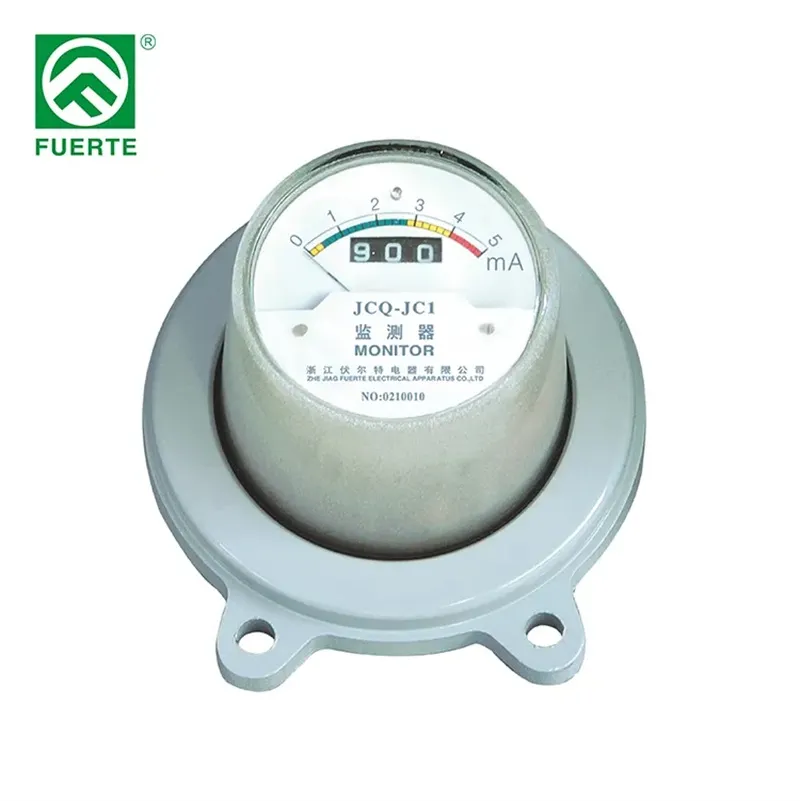
MV-side scope can extend beyond the arrester units themselves. Where the owner specifies condition-monitoring accessories — monitoring devices or discharge counters mounted with the arresters — their documentation is requested inside the same MV package, against the same exact-SKU discipline.
Safety procedures stay with the owner regardless of scope. Equipment procurement does not replace controlled isolation and energized-work rules, and the OSHA electrical safety topic is a public reference for how such processes are framed; the owner’s and local jurisdiction’s rules govern the site.
Part 7. FUERTE product context on the MV side only
When the MV inputs from Part 4 are assembled, a buyer can route an SKU-level documentation request to a specific product family. The YH510W-12/YH510W-12J Surge Arrester page is one such destination in the FUERTE metal-oxide family; its parameters live on that page and apply to the exact SKU it describes.

Product recommendation fit boundary
No product page decides plant fit. Whether YH510W-12, YH510W-12J, or any other model suits a specific collection system or step-up transformer is settled by the project’s MV inputs, the study or owner criteria, and the quoted-SKU documents — and the DC-side SPD scope remains outside this portfolio entirely. Buyers with the single-line diagram, voltage and grounding records, transformer data, and layout context ready can send the MV-side evidence pack for an SKU-level response.
FAQ
Does one device protect a whole solar power plant from lightning surges?
No. The DC side and the MV side raise separate surge-protection questions with different product categories, standards context, and evidence. A plant-level answer requires both scopes to be reviewed by their own design teams.
What is the difference between a DC SPD and an MV surge arrester?
A DC SPD is low-voltage equipment applied around modules, combiner boxes, and inverter interfaces under PV-specific SPD standards context. An MV surge arrester is a metal-oxide device reviewed against collection-system and transformer-level inputs such as system voltage, grounding, and insulation records.
Which standard covers SPDs on the DC side of PV installations?
A dedicated published standard exists for that scope: IEC 61643-32, covering SPDs connected to the DC side of photovoltaic installations with selection and application principles. The DC design team applies it; this article only points to it.
Does FUERTE supply DC-side SPDs for PV arrays?
No. DC-side PV SPDs are a different product category and are not part of the FUERTE medium-voltage arrester portfolio discussed on this site. FUERTE context in a solar project belongs to the MV collection and step-up side.
Where do MV arresters sit in a solar plant?
Review points are set by project engineering, typically around collection-system equipment and the step-up transformer terminals. Locations, quantities, and mounting arrangements come from the plant drawings and study assumptions, not from a catalog default.
What inputs does the MV-side arrester review need?
A controlled single-line diagram, system voltage records, the grounding and neutral-treatment description, the step-up transformer data reference, intended locations with layout context, and the governing owner or study criteria — with all numeric ratings left to the engineer and the exact quoted SKU documents.
How should an RFQ separate DC and MV surge protection scopes?
Issue two packages with their own product categories, standards context, recipients, inputs, and evidence lists, and evaluate each on its own track. A single mixed line item produces non-comparable quotes and an unauditable boundary.
Can a product page prove a solar-plant application fit?
No. A product page identifies a family and carries the SKU-level data to verify, but fit is established by the project’s MV inputs and the quoted-SKU documentation reviewed together by the project engineer.
References
- DC-side standard scope: IEC 61643-32, SPDs connected to the d.c. side of photovoltaic installations
- MV-side application recommendations scope: IEC 60099-5, Surge arresters — Selection and application recommendations
- Electrical safety-process context: OSHA electrical safety topic
- Public terminology context: Wikipedia: Surge arrester
How should a solar-plant surge-protection scope be split?
The current procurement lesson is to keep DC and MV decisions separate. IEC 61643-32 addresses surge protective devices connected to the DC side of photovoltaic installations, while IEC 60099-5 provides an application route for MV surge arresters. The plant single-line diagram, grounding method, equipment location and study assumptions decide what belongs on each side.
Issue separate evidence lists for PV DC equipment and MV transformer or collection-system equipment. At acceptance, retain the approved drawings, installed locations, connection records, serial or batch references and any deviation approval. A product page alone cannot prove a complete solar-plant application fit.
Summary
Solar surge protection is two coordinated scopes, not one generic line item. Separate DC and MV requirements, then join them through the approved single-line, grounding and acceptance records.