


A transformer surge arrester is not selected from transformer voltage alone. The coordination decision begins at the protected terminals: identify the transformer insulation requirement, the system and grounding arrangement, the expected surge conditions, and the physical path between arrester and transformer. These inputs define the engineering question that a device datasheet must answer.
This article is a pre-selection coordination guide, not a substitute for a protection study or the existing device-selection workflow. It helps a buyer release an RFQ with a clear evidence trail instead of asking a supplier to make an unqualified “suitable for transformer” assertion.
Part 1. Begin with the protected transformer terminals
The phrase “transformer surge arrester” describes the application target, not a complete electrical specification. First identify which transformer terminal, winding connection, and physical location are under review. A transformer nameplate by itself does not show every coordination input.
The team also needs to state whether the concern is an incoming line exposure, a cable transition, switching activity, or another documented system condition. This turns a broad product request into a defined terminal-protection question.
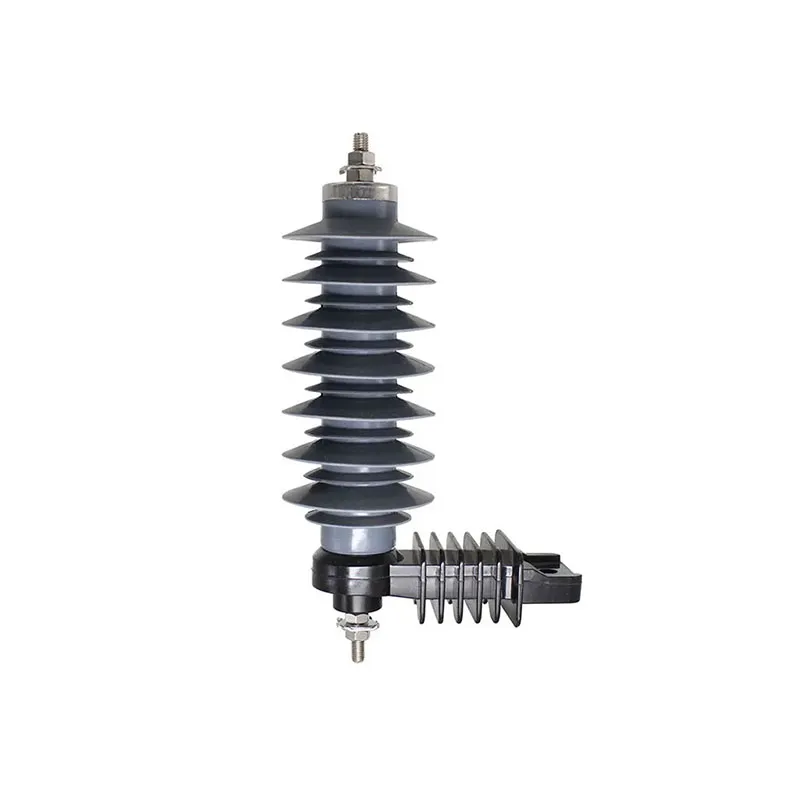
Start with the lightning arrester portfolio for family context, then build the project record around the protected transformer rather than around a familiar product name. IEC 60099-4 provides public scope context for metal-oxide arresters without gaps; it does not turn a family classification into transformer-specific approval.
At this stage, ask one practical question: “What voltage must be limited at which transformer terminal under the defined system condition?” That framing links electrical design, layout, and procurement. It also makes gaps visible early—for example, an unspecified connection arrangement, missing insulation data, or a location that is only marked generally on a single-line diagram.
The goal is not to predict a final product from incomplete data. The goal is to give the protection engineer and supplier the same protected point, the same operating context, and the same list of inputs before a quote is evaluated.
Part 2. Confirm system voltage and grounding
System voltage must be described in the form used by the project’s protection and insulation-coordination work, including the relevant nominal and maximum operating conditions. The grounding method and neutral treatment belong beside that record. Grounding affects the system context in which arrester application is reviewed, so it cannot be replaced by an assumption based on a transformer’s broad voltage class.
This is where the metal-oxide surge arrester selection workflow becomes useful. Use that article for the selection sequence after the system inputs have been established. This page does not repeat that sequence or prescribe ratings.
| Coordination question | Evidence to attach | Do not accept as a substitute |
|---|---|---|
| What system is connected to the terminal? | Updated one-line diagram and connection description | A transformer nameplate alone |
| What voltage conditions govern the review? | Owner or study record for nominal and maximum operating conditions | A generic voltage-class request |
| How is the system grounded? | Grounding diagram and neutral-treatment statement | An unstated “standard” grounding assumption |
| Where is the arrester intended to connect? | Layout drawing with terminal and mounting location | A product image or catalog family title |
For an RFQ, write the grounding input as a project fact and identify the document revision that controls it. If the arrangement is not final, flag it as an open coordination item. A quotation can then state its assumptions instead of quietly converting uncertainty into a claimed application match.
Part 3. Compare insulation coordination inputs
Insulation coordination asks whether the protection expected at the transformer terminals is consistent with the transformer’s insulation requirement under the defined conditions. BIL and arrester protective level are therefore reviewed together, along with the applicable study assumptions and the way the project defines the required margin. A single isolated value does not communicate the full relationship.
NEMA’s public surge arrester standards resource is useful industry context, while the project owner, study, and exact product documentation establish the acceptance basis. Do not invent a coordination margin, an impulse result, or a conformance statement when those records are not available.
| Input group | Coordination question | Review output |
|---|---|---|
| Transformer insulation | Which terminal insulation level and winding data apply? | Controlled transformer data reference |
| Arrester characteristics | Which protective characteristics are relevant to the stated duty? | Exact SKU documentation requested |
| System exposure | Which lightning, switching, cable, or line conditions are in scope? | Study scenario or owner-design basis |
| Acceptance rule | Which standard, owner clause, or study criterion governs? | Traceable acceptance statement and exceptions |
The useful procurement outcome is a comparison that stays traceable. The engineer can compare project inputs with the exact quoted configuration without implying that every arrester with a similar label offers the same protection at the transformer terminals.
Part 4. Put lead layout into the engineering review
The physical route from arrester connection to transformer terminal belongs in the coordination file. Fast surge behavior is sensitive to the installation path, so lead length, routing, bends, interfaces, and terminal location should be visible on the drawing used for review. A device may have documented characteristics, yet the project still needs to consider what voltage can appear at the protected point in the installed arrangement.
Ask for a mounting drawing that identifies the arrester location, transformer terminal, conductor route, and relevant interfaces. Record unknown dimensions instead of estimating them from a photograph. This applies equally to a new installation and a retrofit where existing steelwork, cable boxes, or clearances affect placement.
The substation lightning arrester placement guide gives broader site-level context. Use it alongside this transformer-terminal review, not as a substitute for the specific layout evidence required by the protection study.
Do not use an image to infer lead length, mounting clearance, or electrical performance. The drawing and field-verified dimensions are the appropriate records. If a design change moves the arrester or transformer terminal, return that change to the coordination review before treating the prior conclusion as transferable.
Part 5. Define the study and protection inputs
A protection study or engineering review needs controlled inputs, not a product preference. The scope may include transformer insulation data, the source and network arrangement, grounding, exposed connections, cable or line interfaces, expected operating conditions, and the surge scenarios defined by the owner. State which items are confirmed, assumed, pending, or excluded.
For broader network context, read Lightning Surge Arrester for Power Grids. The transformer project still needs its own terminal-specific record because a grid-level discussion cannot resolve an individual transformer’s insulation data and installed geometry.
Useful study inputs include:
- Controlled one-line and layout drawings, with revision numbers.
- Transformer datasheet, terminal arrangement, and insulation-coordination information.
- System voltage and grounding description, including any project-specific operating conditions.
- Available fault, switching, line, cable, and exposure inputs relevant to the owner’s defined study.
- The proposed arrester connection location and actual lead-routing dimensions.
- The acceptance criterion, responsible reviewer, and list of unresolved assumptions.
This list does not dictate a universal study method. It creates an auditable handoff between the owner, EPC, study engineer, and supplier. When an input changes, the team can identify whether the coordination conclusion must be revisited.
Part 6. Turn coordination into an RFQ evidence pack
An RFQ should request evidence that maps to the project, not a broad assurance that a product is “for transformers.” Ask the supplier to identify the exact quoted SKU and revision, then require all documentation and exceptions to point to that same configuration. The buyer can compare responses consistently and escalate missing evidence before order placement.
| RFQ field | Buyer instruction | Supplier evidence expected |
|---|---|---|
| Protected equipment | Identify transformer terminal, connection, and layout reference | Quoted configuration and stated exclusions |
| Electrical context | Provide system-voltage and grounding documents | Assumptions tied to the exact SKU |
| Insulation coordination | Supply transformer data and applicable acceptance criterion | Relevant technical record or requested evidence |
| Installation | Attach lead-routing and mounting drawings | Interface, accessory, and dimensional requirements |
| Study status | Identify confirmed inputs, assumptions, and owner reviewer | Exceptions schedule and document revision list |
| Commercial control | Request SKU, datasheet, drawing, spares, and delivery scope | Line-by-line compliance response |
Ask separately for any type-test, routine-test, certification, or other record required by the owner. Do not assume that a standard name, a datasheet format, or a product-family page proves that a requested record exists. The supplier should either provide the specified evidence for the quoted SKU or identify the exception.
The same discipline applies to field safety. Product selection does not replace controlled isolation, energized-work, or authorization procedures. OSHA’s public electrical safety topic is a useful process reference, but the governing owner and jurisdictional procedures must control the project.
Part 7. Use FUERTE product context without assigning fit
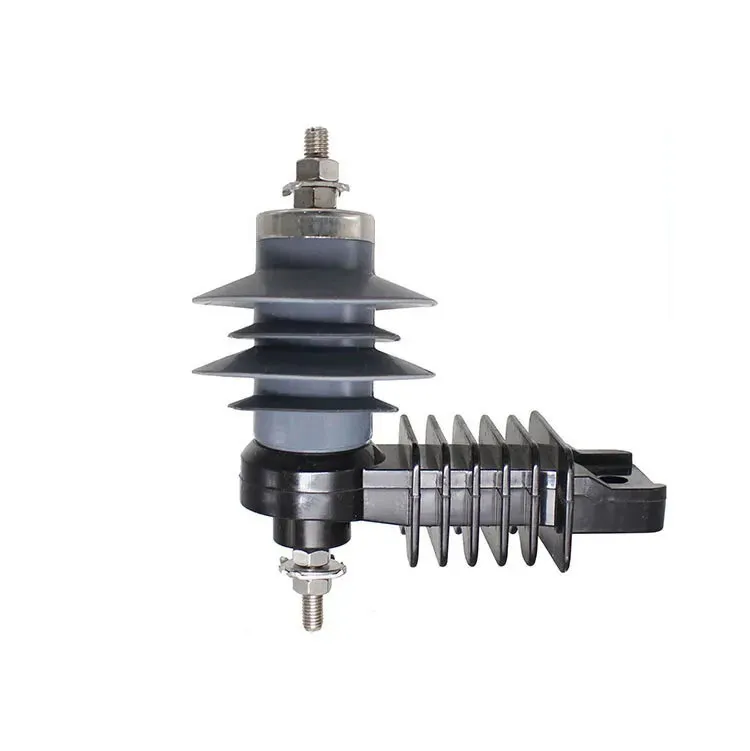
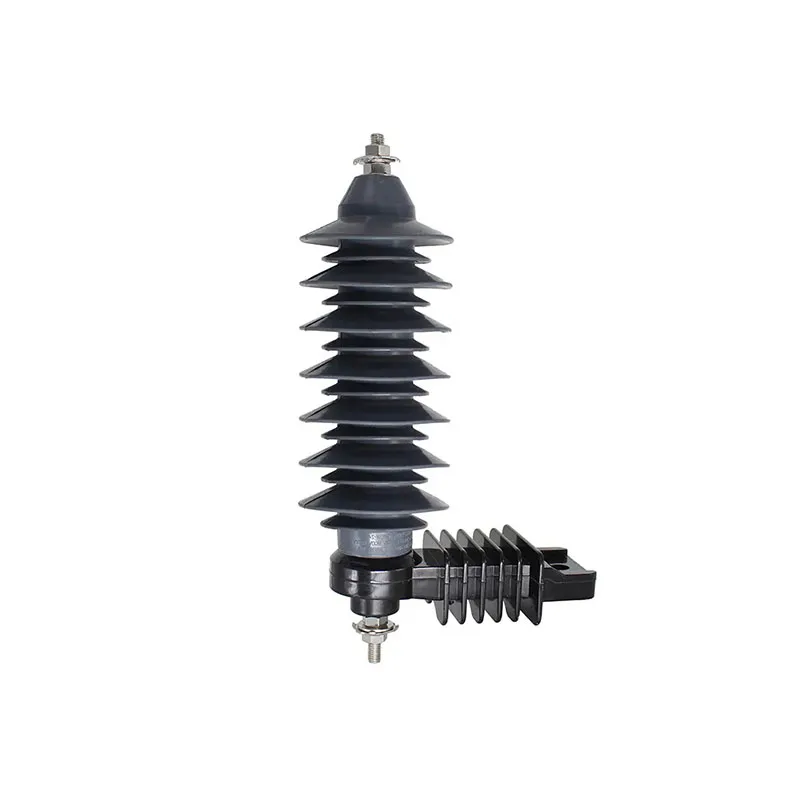
The YH510W-21/YH510W-21J Surge Arrester page is a useful product-context destination when the project team is ready to request SKU-specific documentation. It is not proof that either named SKU is suitable for a specific transformer. Suitability still depends on the complete coordination record, the exact quoted configuration, and the owner’s acceptance process.
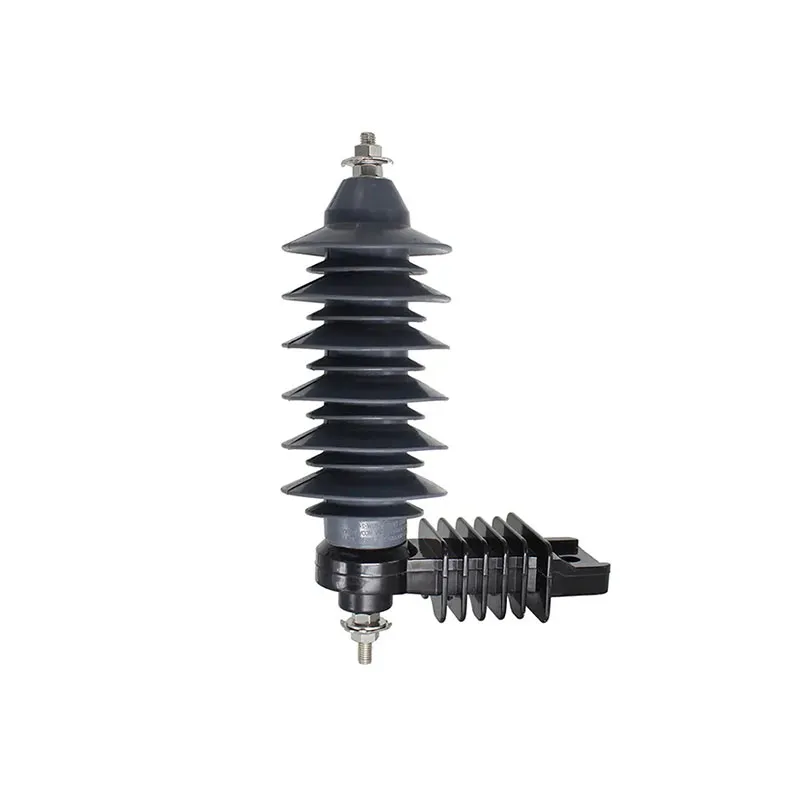
Product recommendation fit boundary
Use this product recommendation context to route a defined RFQ after the transformer terminal, system, grounding, insulation, layout, and study inputs are available. Do not use it as a default recommendation for an unspecified transformer or as a replacement for a protection-engineering review. All SKU data, availability, and technical claims must be verified on the corresponding product page and current quotation documents.
Send the one-line diagram, transformer data, grounding statement, layout drawing, study assumptions, and requested evidence through send the coordination evidence pack. A complete package lets the supplier respond to stated requirements and lets the buyer compare that response against an identifiable engineering basis.
FAQ
What is a transformer surge arrester?
A transformer surge arrester is an arrester considered for limiting surge voltage at a defined transformer connection. Its suitability depends on the transformer terminals, system conditions, insulation-coordination requirement, layout, and exact product documentation.
Does transformer voltage alone select an arrester?
No. Transformer voltage is one project input, but the coordination review also needs system voltage conditions, grounding, transformer insulation data, installed lead path, and the governing protection-study or owner criteria.
Why do BIL and protective level need review together?
BIL expresses part of the transformer insulation requirement, while arrester protective characteristics form part of the protection side of the coordination review. Their relationship must be evaluated using the project’s defined conditions and acceptance basis.
Why does lead length matter for transformer protection?
The lead route is part of the installed surge-protection path. Include its length, routing, and interfaces in the layout review rather than assuming the datasheet characteristic alone describes the voltage at the transformer terminal.
Does grounding change the arrester review?
Yes. The grounding arrangement is a system input that belongs in the coordination record. Provide the grounding diagram and neutral-treatment information rather than leaving the supplier to assume the arrangement.
What protection-study inputs should a buyer provide?
Provide controlled one-line and layout drawings, transformer insulation and terminal data, system-voltage and grounding information, relevant system/exposure inputs, the proposed location, lead-routing dimensions, and the acceptance criterion.
What evidence belongs in an arrester RFQ?
Request the exact quoted SKU, datasheet and drawing revisions, documented assumptions, required owner evidence, accessories, exclusions, and a line-by-line response tied to the transformer coordination inputs.
Can a product page prove transformer suitability?
No. A product page can identify a product context and route a documentation request. It does not replace the project’s transformer data, system review, layout confirmation, or an exact-SKU engineering assessment.
References
- Product-scope context: IEC 60099-4
- Industry standards context: NEMA surge arrester standards
- Electrical safety-process context: OSHA electrical safety topic
- Public terminology context: Wikipedia: Surge arrester