
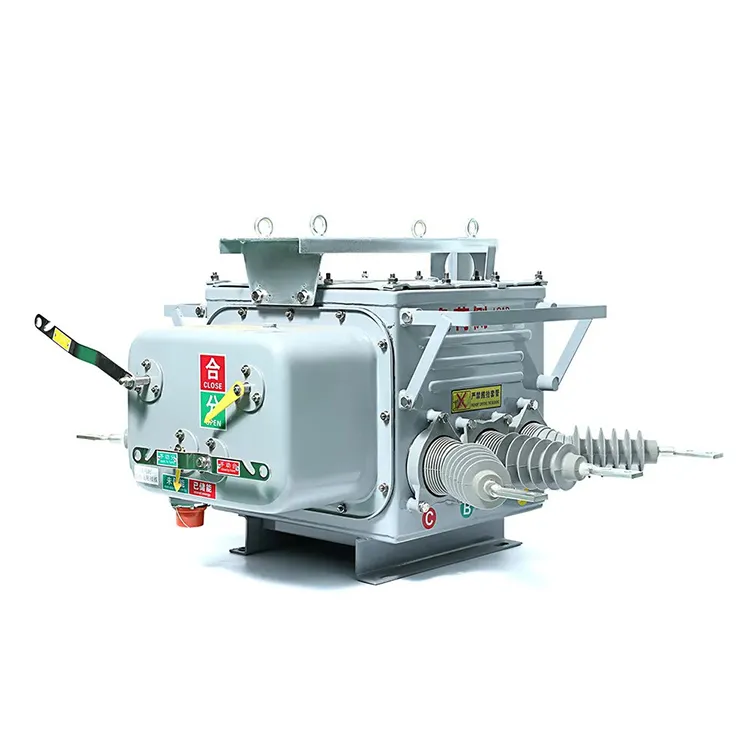
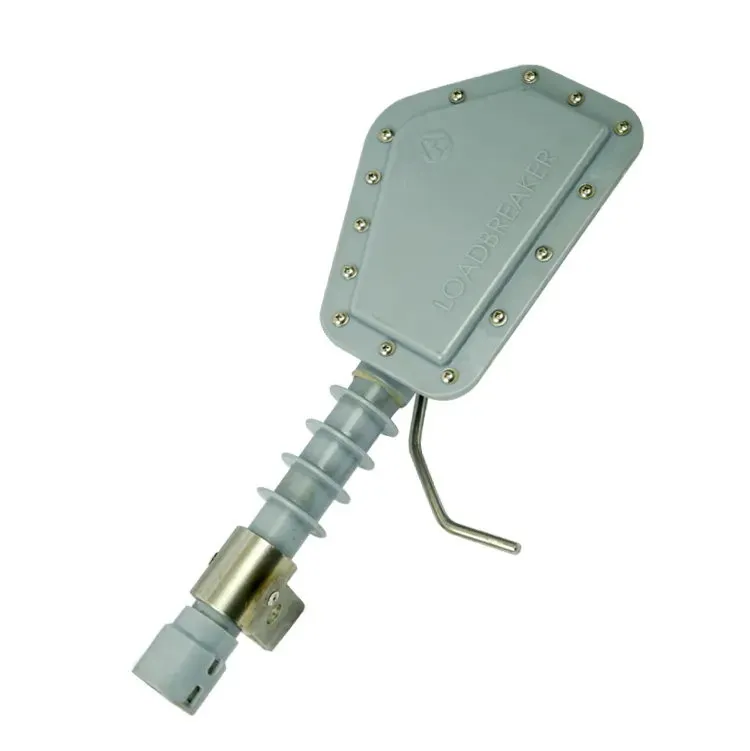


A distribution fuse cutout is selected for a defined medium-voltage overhead distribution role, not because a request happens to say “general service.” That phrase can describe a buyer’s broad need, but it does not identify the line location, protected equipment, system duty, operating responsibility, or purchase documents. Without those details, two suppliers may quote hardware against different assumptions while appearing to answer the same request.
The practical boundary is simple: classify the application before comparing equipment. A buyer who confirms the distribution location and project documents can request a controlled technical response.
A buyer who leaves the request at “general service” should first resolve the missing scope. This guide explains that boundary without turning a product image or family name into an engineering conclusion.

Part 1. Define the words before comparing equipment
“Distribution fuse cutout” describes a product application in the medium-voltage overhead distribution environment. It points the discussion toward a protected line section or connected equipment, an installation point, and a purchaser-defined set of electrical, mechanical, and documentary requirements. The phrase is useful because it starts from the system role rather than from a generic electrical-service label.
“General service” does not do that work. It may mean a buyer wants equipment for a routine facility need, a replacement with limited drawings, or simply a broad request sent before engineering review.
None of those meanings confirms that an MV overhead distribution cutout is the correct equipment class. Treat the phrase as a question to resolve, not as a specification that a supplier should silently interpret.
| Request wording | What it establishes | What remains open |
|---|---|---|
| “Distribution fuse cutout for feeder lateral” | A potential overhead distribution role | System duty, location, owner standard, mounting, and exact configuration |
| “General-service cutout” | A broad buying intent only | Equipment class, voltage environment, protective role, operating task, and acceptance basis |
| “Replace existing cutout” | A possible replacement project | Whether the existing arrangement, duty, and documents remain valid |
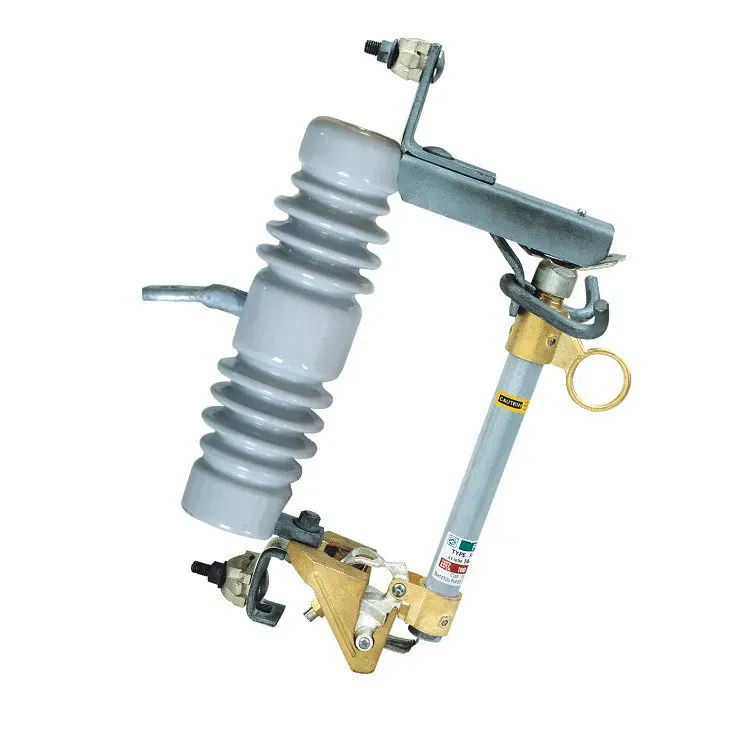
Start with the FUERTE fuse cutout portfolio only after the request has been framed as an MV distribution enquiry. The portfolio can guide a family-level conversation; it cannot fill in missing system requirements. This distinction also keeps the buyer from treating a catalogue route as proof that a “general service” application has been classified.
Part 2. Where distribution-cutout scope begins
The scope begins at a defined point on an overhead distribution system. A buyer should be able to identify the relevant line section or connected equipment, the protected zone, the ownership boundary, and the project document that controls the installation. Those facts transform a product request into an application that can be reviewed.
IEC 60282-2 offers published context for expulsion fuses above 1 kV. It is useful for framing the product family, but it does not select a model for a project. The project selection still needs the owner’s system information, applicable specification, and a response tied to the exact offered configuration.
For a basic explanation of the protective operating sequence, read how a fuse cutout works. That article answers a different question: how the device operates. This page asks whether the request belongs within the distribution-cutout scope before a device is selected.
| Scope input | Why it establishes a distribution context | Evidence a buyer can provide |
|---|---|---|
| Application point | Connects the enquiry to a real line or equipment location | One-line diagram with the proposed point marked |
| Protected role | Shows what the assembly is expected to protect | Owner equipment list and protection statement |
| System duty | Prevents an assumption based on a general-purpose label | Current project study or owner requirement |
| Installation interface | Connects the product review to the actual structure | Drawing, dimensions, mounting details, and environmental notes |
| Acceptance basis | Makes supplier responses auditable | Owner specification, requested standard, and document list |
The classification does not depend on a photograph, a familiar hardware shape, or the phrase “service.” It depends on the documented relationship between the application point and the proposed equipment.
Part 3. Where the scope ends
An MV distribution fuse cutout should not be treated as a universal answer for every electrical service. A request falls outside the scope when the location is not an overhead MV distribution application, the required duty is not stated, or another equipment class is prescribed by the owner or governing project documents. A procurement team should not bridge that gap by changing the wording of a catalogue line.
Some requests need a different product class, a separately defined switching device, an enclosed assembly, or an owner-engineered solution. The correct route depends on the project, not on a broad comparison label. When intentional switching is part of the request, use the fuse cutout switches and combined function guide to define the documented duty; no switching capability is inferred here.
Equipment selection is also distinct from a controlled work process. OSHA’s electric power generation, transmission, and distribution rule provides a public work-practice reference. It should not be read as a universal selection standard or as permission to treat equipment position as operational authority.
The scope ends when evidence stops. If the buyer cannot state the application point, owner requirement, and acceptance basis, the responsible next step is clarification—not a product substitution.
Part 4. Turn “general service” into purchase requirements
Rather than rejecting an ambiguous phrase, convert it into a list of answers. That process gives each supplier the same technical picture and exposes assumptions before price, lead time, and model numbers are compared. NEMA’s expulsion fuses and fuse links resource can help align terminology, while the project documents remain the acceptance basis.
| RFQ field | Buyer should state | Supplier should return |
|---|---|---|
| Project application | Location, protected zone, and equipment role | Proposed configuration and exceptions |
| System and owner inputs | Owner-provided system duty and applicable specification | Documented response against those inputs |
| Mechanical interface | Structure, mounting, conductor, and environmental details | Drawing, interface details, and required accessories |
| Product identity | Requested family or exact SKU when known | Exact catalogue SKU, revision, and data source |
| Acceptance evidence | Required documents, certificates, tests, and deviation format | Traceable document list and line-by-line exceptions |
This method also separates three jobs that are often merged in an early enquiry. The buyer defines the application. The supplier identifies what is offered and any limitations.
The owner or designated engineer decides whether the offered evidence satisfies the project requirement. A quotation is easier to compare when those jobs remain visible.
Electrical rating review belongs in fuse cutout ratings and selection. Fuse-link characteristics and coordination belong in the expulsion fuse link selection guide. Linking to those dedicated guides prevents a generic-service request from becoming an incomplete protection study.
Part 5. Read distribution-line context without repeating ratings
Distribution lines supply the context that the general-service label lacks. A lateral, transformer connection, or identified line section can establish where the cutout sits in the owner’s network and which documents must be reviewed together. It does not, by itself, prove all ratings or product suitability.
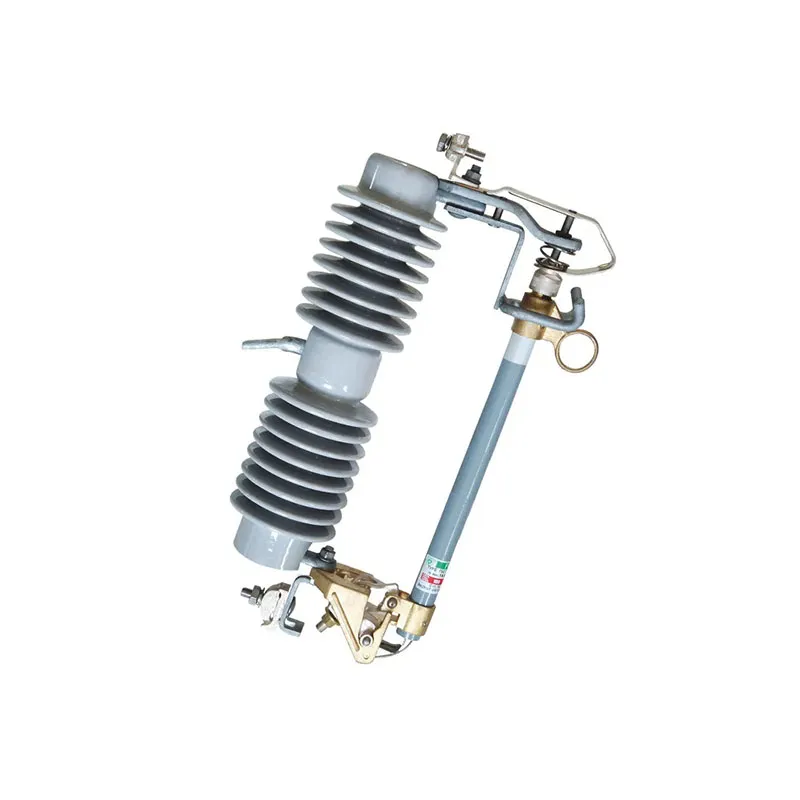
For the broader placement discussion, see overhead fuse cutouts on distribution lines. Use this article alongside it when the procurement team needs to decide whether a request is sufficiently defined to enter a distribution-cutout comparison.
The line context should answer practical questions: Which asset owner controls the requirement? What is upstream and downstream of the proposed point? Is the work new construction or replacement?
Which drawing revision identifies the mounting location? What information is still unknown? Recording the unknowns is safer than allowing each bidder to make a different hidden assumption.
Part 6. Screen unsuitable applications and incomplete RFQs
The fastest way to avoid misapplication is to list the stop conditions. None of them means that a distribution cutout is poor equipment. They mean the buyer has not yet demonstrated that this equipment scope fits the stated project.
- The request identifies only “general service” and no MV overhead distribution application point.
- The owner specification calls for a different equipment form or does not permit the proposed arrangement.
- System duty, installation interface, or acceptance documents are absent or conflict.
- The supplier response uses a family name or image without an exact catalogue SKU and current document revision.
- The requested operation includes a switching task that has not been specified and evidenced separately.
- A replacement is assumed equivalent even though the existing duty, drawing, or owner standard has changed.
When any stop condition applies, return the enquiry to the missing document or responsible project party. Do not ask a supplier to turn an ambiguous label into a guaranteed fit. This approach is consistent with the broader industry context in Utility Products while keeping the purchase decision tied to the actual owner requirements.
Part 7. Route a confirmed MV distribution inquiry to FUERTE
Once the buyer has confirmed an MV overhead distribution application, the FSC-21-2 Drop Out Fuse Cutout page can be used as a FUERTE product-context route. It is not a default recommendation for a general-service request. The exact catalogue SKU, configuration, drawings, and project documents still need to align before the product is included in a procurement decision.
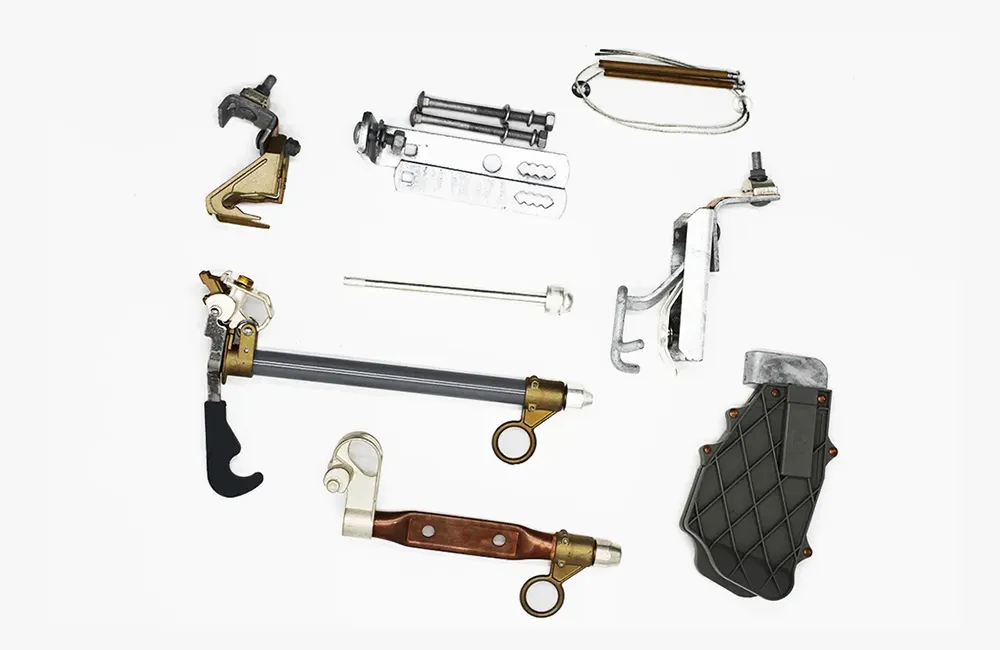
Fit boundary
FSC-21-2 is appropriate to consider only for a buyer with a documented distribution-line application and an RFQ ready for exact-SKU review. It is not appropriate to use as a stand-in for an unspecified electrical service, an undefined equipment class, or an unverified switching requirement. No image, product title, or family category should be used to create that missing evidence.
Send the one-line diagram, owner specification, application point, proposed duty, mounting information, and required acceptance documents through send a documented distribution inquiry. That enables FUERTE to review a defined request rather than a broad label.
Frequently Asked Questions
What is a distribution fuse cutout?
A distribution fuse cutout is an overhead medium-voltage distribution product application defined by the protected location, system context, owner requirement, and supporting documents. It is not selected only by a generic service description.
Does “general service” identify a cutout specification?
No. It may communicate a broad need, but it does not identify equipment scope, system duty, installation point, or acceptance criteria. Convert it into a documented RFQ before comparing offers.
Is a distribution fuse cutout suitable for every electrical service?
No. It belongs in a confirmed MV overhead distribution application. If the equipment class, location, or owner requirement differs, the request should be routed to the appropriate project review.
Which documents define the application boundary?
Use the owner specification, one-line diagram, application-point information, system-duty inputs, installation drawing, and required acceptance-document list. These records make the supplier response comparable.
Can a product image establish system suitability?
No. An image can provide product-family context, but it cannot prove the required application, exact configuration, or project acceptance.
When is a distribution fuse cutout unsuitable?
It is unsuitable when the proposed application is outside MV overhead distribution scope, when a different equipment form is required, or when the system and owner documents do not support the proposed arrangement.
What belongs in a distribution cutout RFQ?
Include the project location, one-line diagram, protected role, owner-provided system inputs, applicable specification, mounting details, requested documents, exact SKU when known, accessories, and exceptions schedule.
How should buyers compare quotations with different assumptions?
Compare every response against the same RFQ evidence list. Mark missing scope, alternate configurations, document mismatches, and exceptions as open items instead of treating price alone as a technical comparison.
References
- IEC 60282-2 Webstore entry — scope context for high-voltage expulsion fuses.
- NEMA expulsion fuses and fuse links — terminology and product-category context.
- OSHA 1910.269 — work-practice boundary.
- Utility Products — overhead distribution industry context.
- Wikipedia: Electrical fuse — introductory terminology.