
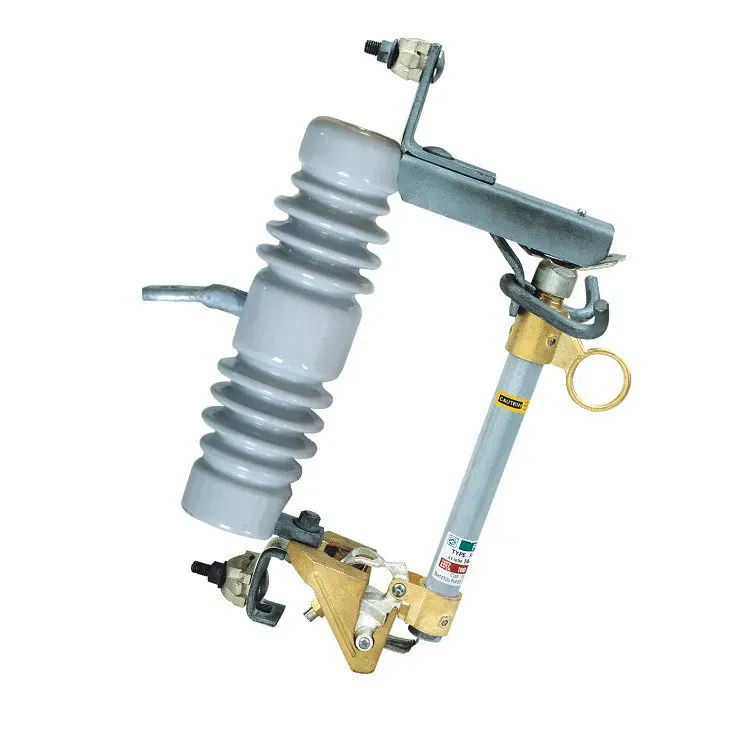
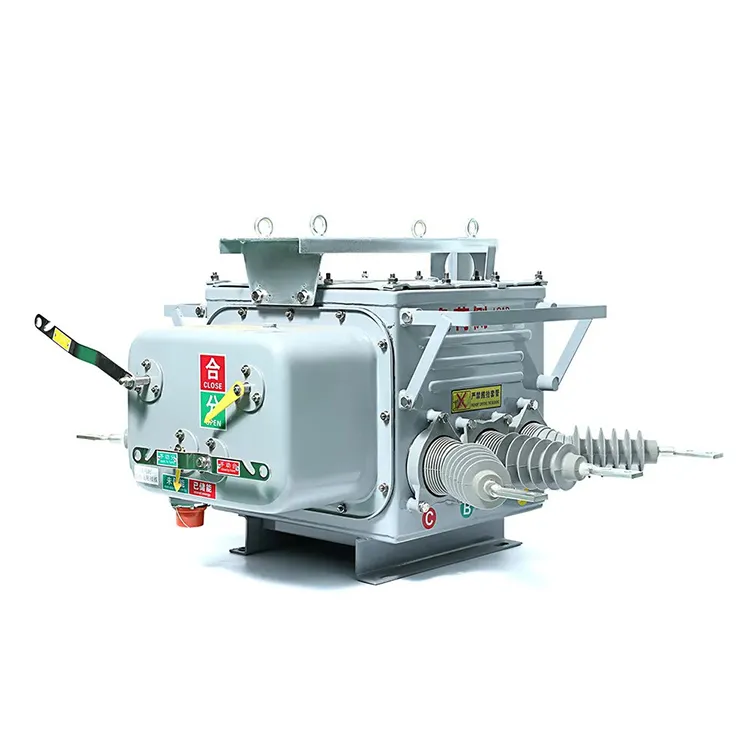
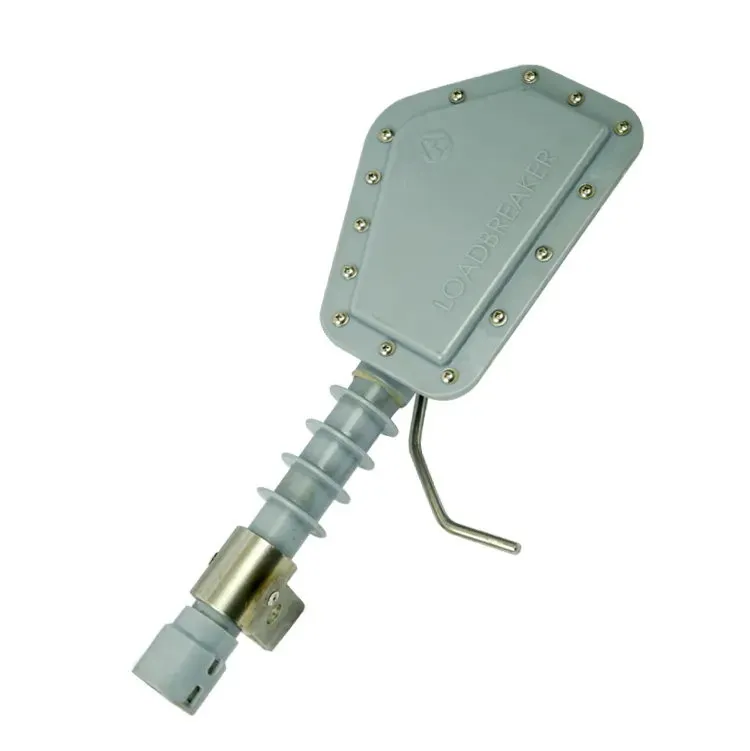


For a related technical topic, see High Voltage Fuse Cutout for Power Utilities | Distribution Line Protection. The companion electrical recloser article is available from the site’s distribution-protection library.

What role does a vacuum circuit breaker play in a medium-voltage switchboard?
Medium-voltage switchboards in factories, substations, transport systems, and renewable-energy sites use circuit breakers to carry normal load current and interrupt abnormal current under the protection scheme. The breaker is one part of a coordinated assembly: transformers, busbars, cables, relays, instrument transformers, interlocks, and the cabinet all influence the final duty.
A medium voltage vacuum circuit breaker is commonly installed inside medium voltage switchgear or a power distribution cabinet to switch load current and interrupt fault current. It works together with transformers, busbar connections, protection relays, cables, motors, and substation equipment. In real projects, the breaker should not be evaluated as an isolated product. Its performance depends on the coordination between the breaker, the cabinet structure, the control circuit, the relay protection scheme, and the site operating conditions.
Vacuum interruption is attractive because the interrupter is compact and the arc is extinguished as current passes through zero, without an oil tank in the primary circuit. Those characteristics can simplify a panel design, but they do not remove the need to check mechanism wear, insulation, relay settings, and the cabinet’s service conditions.
For international projects, buyers often refer to IEC 62271-100, which covers alternating-current circuit-breakers under the IEC 62271 high-voltage switchgear and controlgear series. This standard is commonly used to help project teams define rated characteristics, test documentation, and compliance expectations for AC circuit-breaker applications.
How does the vacuum interrupter work with the rest of the switchgear?
A vacuum circuit breaker interrupts current by separating contacts inside a vacuum interrupter. When the contacts open, an arc forms briefly between them. Because the interrupter chamber has a high-vacuum environment, the arc is extinguished quickly as the current passes through zero. This allows the breaker to restore dielectric strength rapidly and interrupt current efficiently.
In switchgear applications, the vacuum interrupter is only one part of the complete device. The operating mechanism controls opening and closing movement. The insulation system maintains safe electrical clearance. Conductive copper parts and busbar connections carry current through the main circuit. Protection relays detect abnormal conditions and send trip signals when faults occur. Secondary wiring, auxiliary contacts, control coils, and mechanical interlocks support the control and safety logic inside the cabinet.
For this reason, a vacuum circuit breaker for switchgear must be selected according to both electrical and mechanical requirements. A breaker with the correct rated voltage and rated current may still be unsuitable if the chassis truck, interlock design, panel dimensions, secondary plug, or wiring diagram does not match the switchgear design.
This is especially important for retrofit projects and OEM switchgear production. In replacement projects, engineering teams often find that the main electrical rating is only one part of compatibility. Differences in chassis height, secondary plug position, panel depth, and interlock structure may affect installation. To reduce this risk, buyers should provide original breaker photos, nameplate information, cabinet drawings, and wiring diagrams before confirming production.
Which breaker ratings and interfaces must be confirmed before production?
Before placing an order, buyers should confirm the main technical specifications with the manufacturer. This step helps reduce errors during production, installation, and commissioning. In many B2B projects, selection issues occur because buyers provide only the voltage and current rating while overlooking control voltage, installation structure, cabinet width, operating mechanism, or secondary wiring requirements.
The following table summarizes common vacuum circuit breaker specifications for medium voltage projects.
| Parameter | Common Options | Buyer Consideration |
|---|---|---|
| Rated Voltage | 12kV, 17.5kV, 24kV, 36kV, 40.5kV | Should match system voltage and insulation level |
| Rated Current | 630A, 1250A, 1600A, 2000A, 2500A, 3150A | Should match load demand and temperature rise limits |
| Short-Circuit Breaking Current | 20kA, 25kA, 31.5kA, 40kA | Must match the calculated fault level of the network |
| Frequency | 50Hz / 60Hz | Depends on project location and grid system |
| Installation Type | Fixed / Withdrawable | Should match switchgear cabinet design |
| Control Voltage | AC/DC 110V, 220V, 24V, 48V | Must align with control and protection circuits |
| Operating Mechanism | Manual / Motorized spring mechanism | Depends on operation mode and automation requirements |
| Applicable Standards | IEC 62271-100, ANSI / IEEE where applicable | Required for project compliance and documentation |
When buyers search for how to choose a vacuum circuit breaker, rated voltage is usually the first concern. However, rated current, short-circuit breaking current, control voltage, installation type, and switchgear compatibility should be reviewed together.
The short-circuit breaking current should be selected according to the calculated fault current at the installation point. Choosing a breaker with insufficient breaking capacity may create serious safety risks during fault interruption. On the other hand, unnecessary overspecification may increase cost, cabinet size, and project complexity.
For example, a 12kV vacuum circuit breaker used in an indoor industrial switchgear panel may have different installation and control requirements from a 24kV vacuum circuit breaker used in a utility distribution system. A 36kV vacuum circuit breaker or 40.5kV vacuum circuit breaker may require higher insulation clearance, stronger structural support, and more detailed testing documentation.
What should a manufacturer verify from component receipt through assembly?
The manufacturing process usually starts with technical confirmation. Engineers review the buyer’s rated parameters, installation drawings, wiring diagrams, control requirements, and project standards before production. This stage is especially important for switchgear manufacturers and EPC contractors because even a small difference in cabinet structure or secondary wiring can affect commissioning.
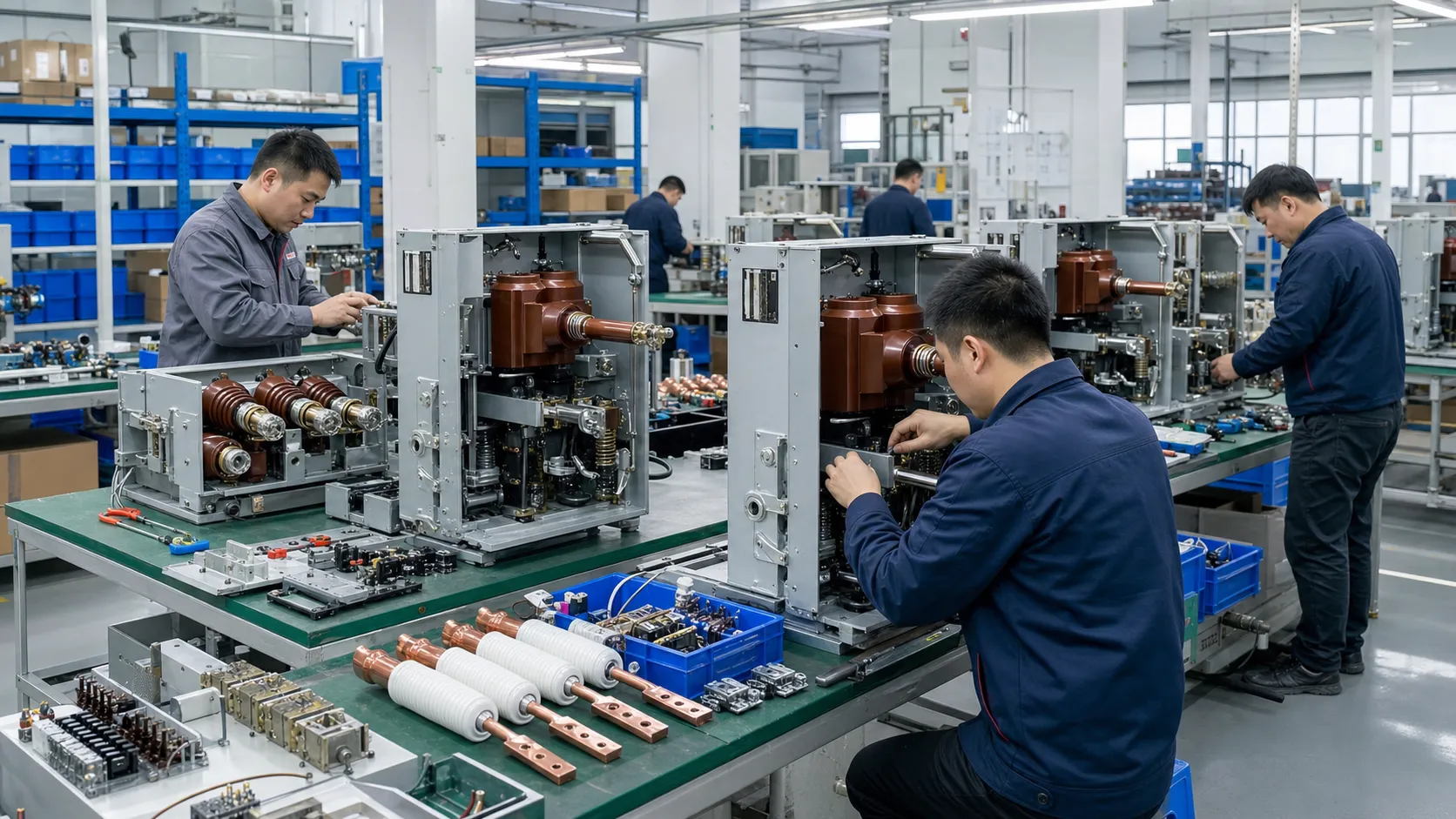
After technical confirmation, the manufacturer prepares key components such as the vacuum interrupter, conductive copper parts, insulation supports, operating mechanism, auxiliary switches, control coils, terminal blocks, chassis truck, and mechanical interlock parts. Incoming inspection is normally performed to check component dimensions, appearance, material consistency, and supplier documentation.
During assembly, technicians install the vacuum interrupters into the breaker frame and connect the conductive circuit. The operating mechanism is then assembled and adjusted to ensure accurate opening and closing movement. Mechanical parameters such as contact travel, overtravel, opening distance, contact pressure, and three-phase synchronization are checked during this stage. These details directly affect long-term reliability.
Secondary wiring is also important. Closing coils, opening coils, auxiliary contacts, energy storage motors, terminal blocks, and control circuits must be wired according to the confirmed diagram. For a withdrawable vacuum circuit breaker, the chassis truck and interlock system must be checked to ensure safe movement between service, test, and isolated positions.
Manufacturing consistency is often more important than a single qualified sample. Buyers should evaluate whether the supplier follows stable assembly procedures, maintains inspection records, and can repeat the same quality level in batch production. This is particularly important for distributors, switchgear OEMs, and project contractors that require continuous supply.
Which OEM details affect interchangeability with an existing panel?
OEM and project-based customization are common in medium voltage switchgear projects. Different markets may use different cabinet dimensions, control voltages, wiring methods, labeling requirements, and documentation formats. Therefore, vacuum circuit breaker OEM support can be valuable for buyers who need more than a standard model.
Common customization areas include fixed or withdrawable structure, panel mounting dimensions, chassis truck design, auxiliary contact configuration, secondary wiring terminal arrangement, control voltage, interlock design, front panel layout, nameplate language, packaging, and private label requirements. Some buyers may also request sample development before mass production, especially when adapting the breaker to an existing switchgear platform.
For OEM cooperation, the buyer usually provides drawings, technical specifications, wiring diagrams, target standards, and application details. The manufacturer then reviews whether the requested design can meet insulation distance, temperature rise performance, mechanical operation, and safety interlock requirements. This review helps both sides reduce uncertainty before batch production.
Note 1: Even when two breakers have the same rated voltage and rated current, their installation dimensions, chassis structure, interlock design, and secondary wiring may differ by switchgear model. Buyers should confirm drawings before batch production.
A practical OEM process may include technical review, sample confirmation, pilot production, routine testing, and final approval before mass delivery. This is especially useful for switchgear manufacturers serving multiple markets or contractors handling projects with different local requirements.
Which tests and records should accompany a delivered breaker?
Quality assurance for a vacuum circuit breaker should not be limited to final inspection. A reliable process usually includes incoming inspection, in-process inspection, routine testing, factory acceptance test support, and documentation control. For international buyers, clear quality records can be as important as the physical product because they support project approval, installation, and future maintenance.
Common vacuum circuit breaker testing procedures focus on electrical performance, mechanical operation, insulation strength, circuit continuity, and control logic.
| Testing Item | Purpose | Buyer Value |
|---|---|---|
| Mechanical operation test | Checks repeated opening and closing performance | Confirms basic operating reliability |
| Power frequency withstand voltage test | Verifies insulation strength | Supports safety and compliance review |
| Main circuit resistance measurement | Checks conductive path quality | Helps control temperature rise risk |
| Opening and closing time test | Measures mechanism response | Supports protection coordination |
| Control circuit test | Confirms coil and wiring function | Reduces commissioning problems |
| Auxiliary contact verification | Checks signal feedback | Supports switchgear control logic |
| Vacuum interrupter withstand test | Evaluates interrupter condition where applicable | Supports interruption reliability |
For formal projects, buyers may also request a type test report, routine test report, factory acceptance test, inspection video, or third-party inspection. A type test report helps demonstrate that the product design has been verified under defined test conditions, while routine tests confirm that each delivered unit has passed factory checks.
IEC 62271-100 is often referenced when evaluating alternating-current circuit-breaker performance, rated characteristics, and test-related requirements. Buyers working in markets that follow ANSI or IEEE systems should also confirm relevant local standards before final selection.
For example, when reviewing manufacturers such as Zhejiang Fuerte Electrical Apparatus Co., Ltd., buyers may look at practical evidence such as production history, factory environment, testing and inspection conditions, warehouse support, OEM capability, and available certification documents. These details are most useful when combined with project-specific drawings, routine test reports, and technical confirmation.

How can a buyer compare breaker suppliers without relying on price alone?
When comparing a vacuum circuit breaker manufacturer or supplier, buyers often begin with price. Price is important, but it should not be the only factor. In medium voltage systems, the cost of incorrect selection, delayed installation, or product mismatch can be higher than the initial saving from a lower quotation.
A practical evaluation should begin with technical communication. A qualified supplier should be able to confirm rated voltage, rated current, short-circuit breaking current, control voltage, installation type, cabinet compatibility, and applicable standards. The supplier should also be able to provide drawings, wiring diagrams, product data sheets, test reports, certificates of conformity, and packaging details.
Manufacturing capability is another important consideration. Buyers should check whether the supplier has stable production procedures, trained technicians, in-process inspection, testing equipment, and export packaging experience. For long-term cooperation, delivery consistency and engineering response speed are often more valuable than one-time low pricing.
Buyers may also review whether the manufacturer has experience with export markets, customized cooperation, and international documentation. For example, a factory with long-term production history, organized workshop operations, testing and inspection facilities, warehouse delivery support, and OEM / ODM capability is generally easier to evaluate for repeat B2B cooperation. However, buyers should still request project-relevant documents before purchase, including technical data sheets, routine test reports, wiring diagrams, and installation dimensions.
A reliable supplier does not need to make exaggerated claims. Instead, it should help buyers reduce uncertainty by providing clear specifications, transparent testing records, and responsive technical support.
What information should an international RFQ contain?
Before placing an order for a vacuum circuit breaker, international buyers should prepare complete project information. This improves quotation accuracy and reduces the risk of mismatch during production or installation.
Buyers should confirm:
- Rated voltage and insulation level
- Rated current and load conditions
- Short-circuit breaking current
- Frequency, such as 50Hz or 60Hz
- Fixed type or withdrawable type design
- Switchgear model and panel drawings
- Control voltage and wiring diagram
- Auxiliary contact and interlock requirements
- Applicable IEC, ANSI, IEEE, or local standards
- Type test report or routine test report requirements
- Factory acceptance test requirements if applicable
- Packaging, labeling, and shipping method
- Spare parts and vacuum circuit breaker maintenance needs
Note 2: For replacement projects, buyers should provide nameplate photos, existing breaker dimensions, cabinet drawings, secondary wiring diagrams, and site photos. This information helps reduce compatibility risks before production.
For buyers concerned about vacuum circuit breaker price, it is useful to compare quotations based on the same technical scope. A lower price may not include the same testing documentation, customization requirements, packaging standard, or after-sales technical support. Clear comparison helps buyers avoid misunderstandings and choose a more suitable solution.
Which documentation and packaging controls protect the project after shipment?
In international B2B projects, delivery is not only about shipping the product. Documentation quality directly affects installation, commissioning, and project acceptance. A well-prepared supplier should provide technical data sheets, product drawings, wiring diagrams, installation manuals, routine test reports, certificates of conformity, packing lists, and maintenance instructions.
For overseas transportation, packaging should protect the breaker from moisture, vibration, and mechanical shock. Withdrawable vacuum circuit breakers may require additional fixation for the chassis structure and moving parts. Clear labeling is also important when one shipment includes multiple models or project-specific configurations.
Warehouse and delivery support can influence project timelines. Organized inventory management, export-grade packaging, and stable production planning help buyers manage repeat orders or phased project deliveries. For distributors and contractors, this support is especially important when serving multiple project sites or maintaining local stock.
After-sales technical support should include guidance on installation, commissioning, spare parts, and basic maintenance. Vacuum circuit breakers generally require less maintenance than some older technologies, but periodic inspection of mechanical operation, contact resistance, insulation condition, control wiring, and operating mechanism status remains important for long-term reliability.
What is the defensible way to select a vacuum circuit breaker?
A vacuum circuit breaker is a key protection device in medium voltage power distribution systems. Its performance affects switchgear reliability, fault interruption, equipment safety, and long-term operating cost. For this reason, buyers should evaluate more than rated voltage or price.
A practical purchasing decision should consider specifications, switchgear compatibility, manufacturing process, OEM options, testing procedures, documentation, packaging, and supplier communication. Standards such as IEC 62271-100 and relevant ANSI / IEEE references can help buyers define technical expectations, while routine test reports and project drawings help confirm actual product suitability.
For buyers evaluating vacuum circuit breaker solutions for medium voltage switchgear projects, discussing rated parameters, installation requirements, testing standards, and OEM options with an experienced manufacturer can reduce selection risks before final procurement.
Vacuum circuit breaker questions buyers ask
1. What is a vacuum circuit breaker used for?
A vacuum circuit breaker is used to switch and protect medium voltage electrical systems. It interrupts load current and fault current to help protect transformers, cables, switchgear, motors, busbars, and other power distribution equipment.
2. How do I choose the right vacuum circuit breaker?
Buyers should confirm rated voltage, rated current, short-circuit breaking current, frequency, installation type, control voltage, switchgear compatibility, and applicable standards. Drawings and wiring diagrams should be reviewed before production.
3. What are common voltage ratings for medium voltage vacuum circuit breakers?
Common voltage ratings include 12kV, 17.5kV, 24kV, 36kV, and 40.5kV. The final choice depends on system voltage, insulation requirements, cabinet design, and project standards.
4. What is the difference between fixed and withdrawable vacuum circuit breakers?
A fixed type vacuum circuit breaker is installed in a fixed position inside the cabinet. A withdrawable vacuum circuit breaker uses a chassis truck and can be moved between service, test, and isolated positions, making maintenance and isolation easier.
5. What tests are performed before delivery?
Common routine tests include mechanical operation testing, power frequency withstand voltage testing, main circuit resistance measurement, opening and closing time testing, control circuit testing, and auxiliary contact verification.
6. Can a vacuum circuit breaker be customized for OEM projects?
Yes. OEM customization may include installation dimensions, chassis structure, control voltage, secondary wiring, auxiliary contacts, interlock design, nameplate, packaging, and private label requirements.
7. What documents should buyers request from a manufacturer?
Buyers should request a technical data sheet, product drawing, wiring diagram, installation manual, routine test report, certificate of conformity, packing list, and maintenance instructions. For formal projects, type test reports may also be required.
8. Is vacuum circuit breaker price the most important factor?
Price is important, but it should not be the only factor. Buyers should also evaluate testing records, manufacturing consistency, switchgear compatibility, documentation quality, delivery support, and after-sales technical communication.
References
- IEC 62271-100:2021 — High-voltage switchgear and controlgear – Part 100: Alternating-current circuit-breakers
Official IEC Webstore page:
https://webstore.iec.ch/en/publication/62785 - IEC 62271 Series — High-voltage switchgear and controlgear
Official IEC standards search page:
IEC 62271-100:2021 publication page - IEEE Standards Association — Switchgear Standards Search
Official IEEE standards search page:
https://standards.ieee.org/search/?q=switchgear - ANSI Webstore — Circuit Breaker Standards Search
Official ANSI standards search page:
https://webstore.ansi.org/search/find?in=1&st=circuit%20breaker
Need a Vacuum Circuit Breaker for Your Switchgear Project?
Share your rated voltage, rated current, breaking capacity, installation type, control voltage, and switchgear drawings to receive a more accurate technical recommendation.