


A fuse can look intact even when its element has opened, while a meter can show continuity through an installed fuse because another circuit path exists. Those two traps explain why neither appearance nor a beep should be treated as a complete diagnosis. A useful check first establishes the equipment’s electrical condition, then separates the fuse from paths that could confuse the reading. This article explains what visible damage, resistance and continuity can tell a qualified person, and what they cannot. The discussion of handheld-meter testing concerns an isolated, deenergized component under its equipment instructions; it is not a live-panel or overhead-line testing procedure.
The answer to how to tell if a fuse is blown is to combine the correct component identification with an appropriate check under verified safe conditions. A visible broken element can indicate operation, but an opaque body or intact appearance cannot prove continuity. Fluke’s continuity-testing guidance requires a deenergized circuit and isolation of the component from other components. A suitable meter can then distinguish a conductive path from an open one. Its beep threshold and displayed resistance depend on the instrument and connections. A continuity result does not certify the fuse’s rating, interruption capability or holder condition.
What does a blown fuse look like?
A transparent fuse may show a separated element, discoloration or deposits. Some fuse systems provide an indicator with a defined meaning in the manufacturer’s instructions. Other fuses have opaque bodies that conceal the element completely. Even a clear body can make a small break difficult to see, so the absence of an obvious break is weak evidence.
| Observation | What it may indicate | Limit of the observation |
|---|---|---|
| Visible separated element | The element has opened | It does not identify the original circuit fault |
| Darkening or deposits | Possible operation or thermal damage | Appearance alone does not establish the mechanism |
| Intact-looking body | No visible external damage | An internal break may still exist |
| Operated indicator | The manufacturer’s specified indication | Its exact meaning and limitations need the instructions |
Do not break open a fuse to inspect its element, bypass it to see whether the load runs, or infer a safe electrical state from an indicator. For US workplace tasks within scope, 29 CFR 1910.333 sets out deenergization and verification requirements. The equipment’s safe work procedure comes before handling or testing.
How can a multimeter check an isolated fuse?
For someone qualified and authorized to perform the task, the question of how to test a fuse with a multimeter begins with isolation, not the meter dial. Follow the equipment procedure to disconnect supplies, address stored energy and verify the deenergized condition with appropriate equipment. Resistance or continuity mode must never be applied to an energized circuit. Do not assume that an open switch or an extinguished lamp establishes isolation.
Once the fuse is safely isolated from other circuit paths, follow the meter’s manual for the correct terminals and continuity or resistance mode. Check the meter and leads as directed. A sound conductive path through a conventional fuse will generally give a low resistance; an open path will generally show the meter’s open-circuit indication, often OL. Poor probe contact or a damaged lead can also produce an apparent open result, so those possibilities must be resolved before condemning the component.
Why is checking an overhead cutout a separate task?
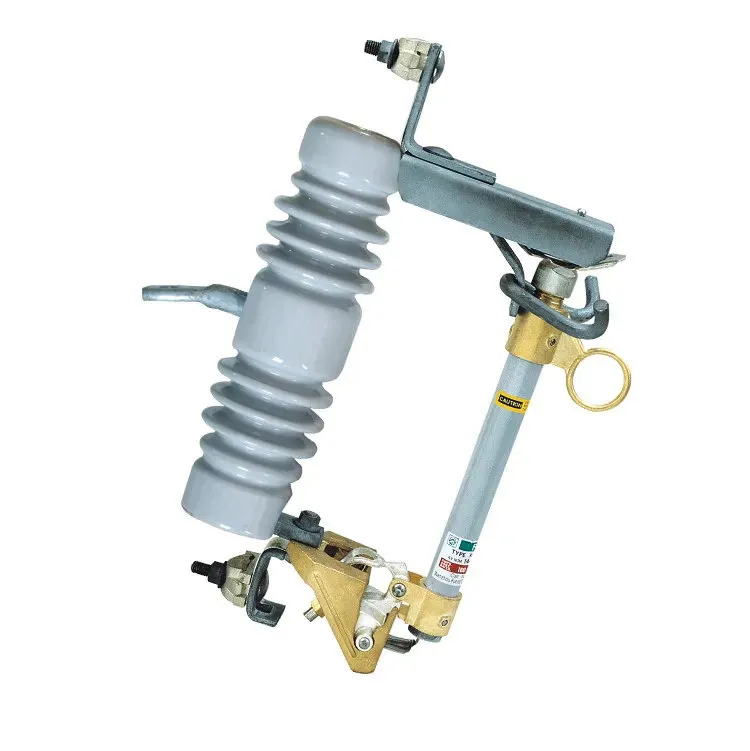
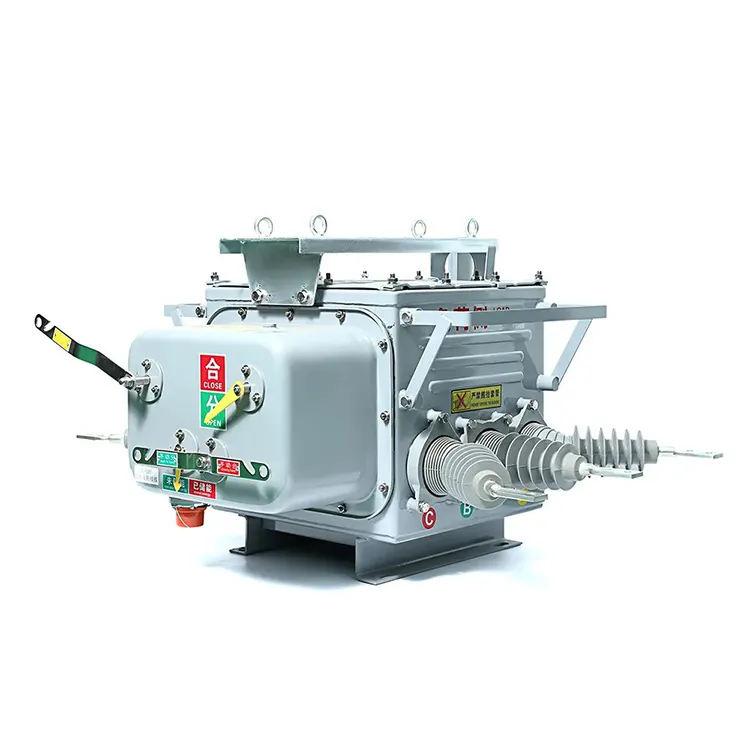
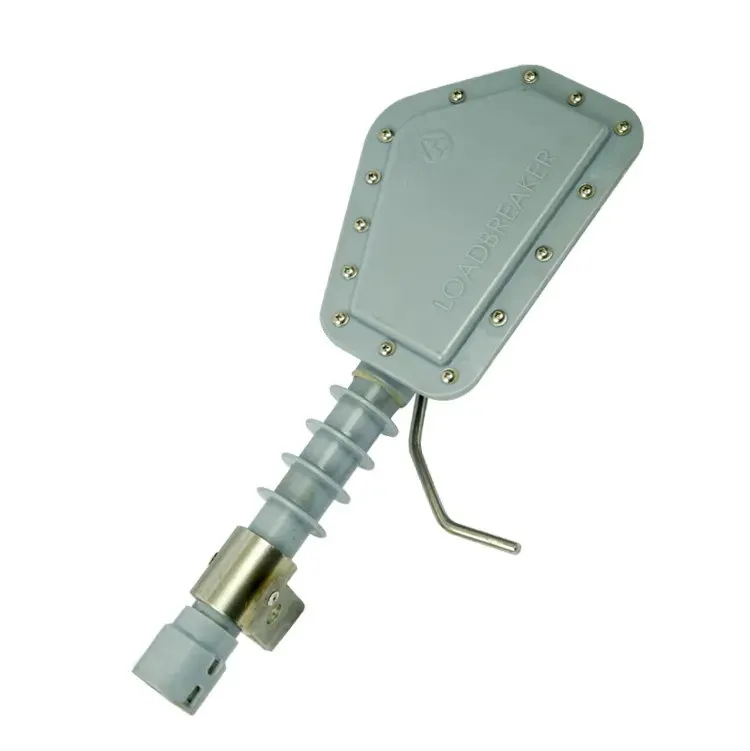
An overhead cutout is medium-voltage equipment with different access, isolation and operating requirements. A dropped carrier can provide an indication associated with operation, but it is not a declaration that the surrounding equipment is safe to approach. A handheld bench-test explanation must not be transferred to installed overhead equipment.
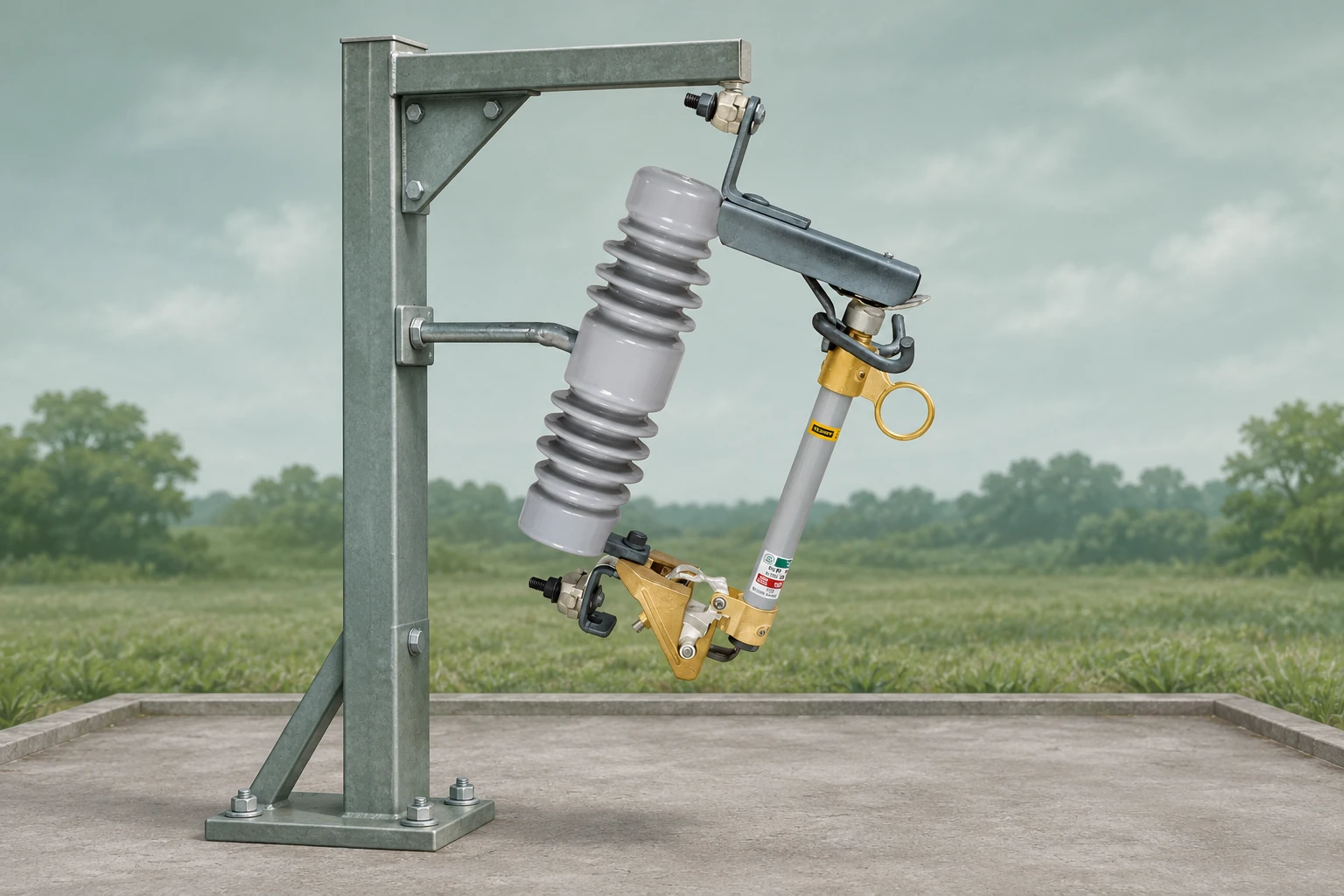
The illustration identifies the outdoor assembly, not a test setup. The operation of a fuse cutout should be understood together with the utility’s procedures and the exact equipment instructions. Inspection, link replacement and any permitted tests belong to qualified personnel using that system-specific approach.
Why can a continuity result be misleading?
If a fuse remains connected, another path through the circuit can make the meter indicate continuity even when the fuse element is open. This is why component isolation matters. At the other extreme, oxidized contact points, poor probe placement or an unsuitable range can produce an unstable or unexpectedly high reading. The meter test and the component condition must be distinguished.
There is no universal requirement for a displayed value of exactly 0.00 ohms. Lead resistance and meter resolution affect low-resistance measurements. Continuity buzzers also use instrument-specific thresholds; a beep is not a precision assessment of contact resistance. A fuse may show a conductive path while still being the wrong type, physically damaged or installed in a defective holder.
| Reading or result | Possible explanation | What to resolve |
|---|---|---|
| Open-circuit indication | Open fuse or failed test connection | Lead condition, probe contact and the isolated component |
| Continuity while installed | Fuse path or another parallel path | Approved component isolation before interpretation |
| Small nonzero resistance | Fuse plus leads and contacts | Meter limitations and the expected device characteristics |
| Beep but heat damage is visible | Conductivity remains despite another defect | Component and holder assessment, not acceptance by beep alone |
Use these distinctions to avoid replacing a component on a poorly established measurement. Equally, do not return a visibly damaged assembly to service because a simple continuity check appears normal.
What else should be inspected after a fuse operates?
Identify why it operated before installing the approved replacement. Overload, a short circuit, load starting behaviour, an incorrect fuse characteristic and connection problems require different responses. The provisions in 29 CFR 1910.334(b)(2) address reenergizing after protective-device operation and prohibit repetitive manual reclosing or fuse replacement in the covered circumstances.
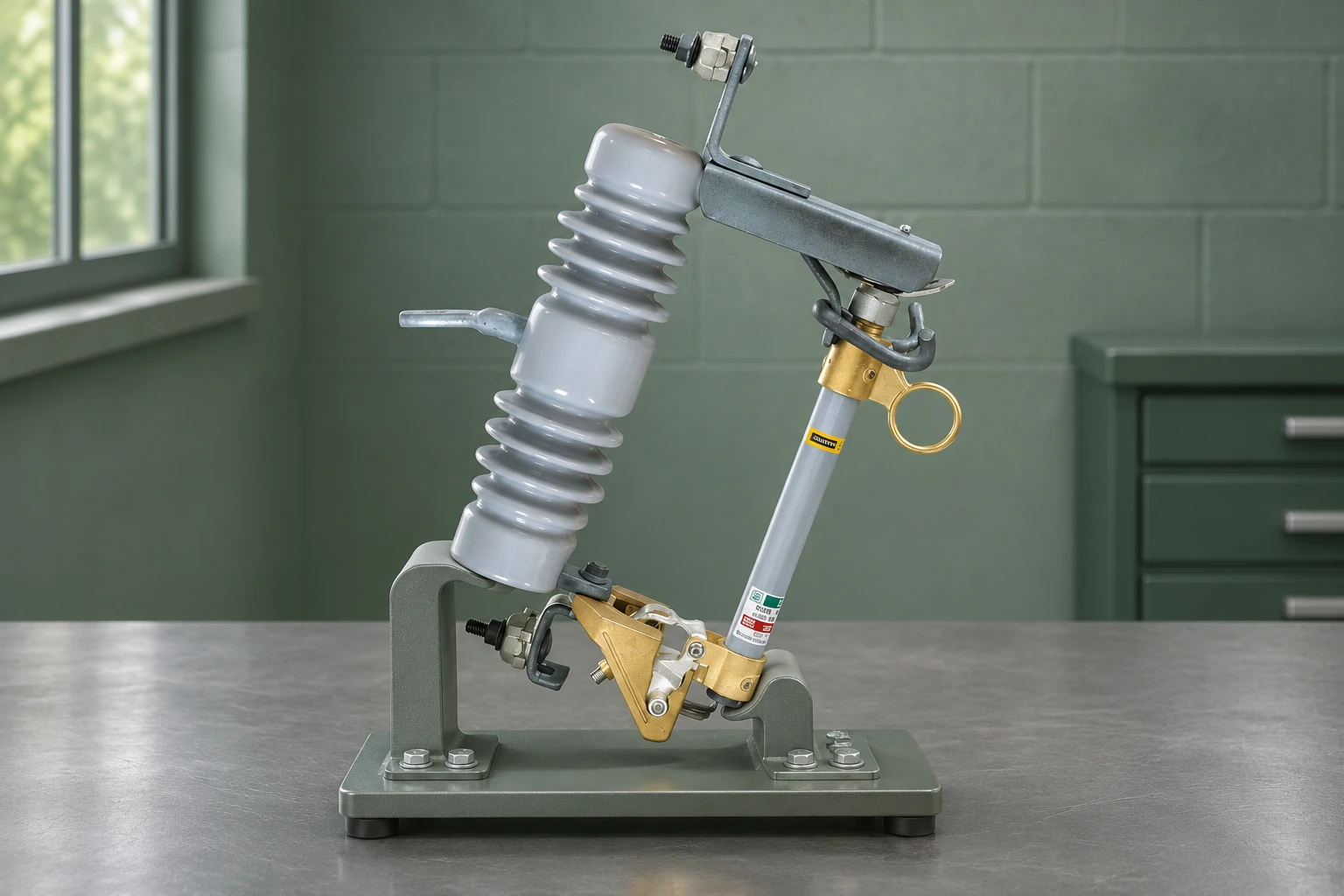
A blown fuse does not justify fitting a higher-current one. Check the holder, carrier and accessible connections as the equipment instructions require, and record the approved replacement designation. For outdoor equipment, the cutout inspection and identification checks can support a replacement enquiry without substituting for the site’s fault investigation.
Frequently asked questions
What should a fuse read in ohms?
An intact conventional fuse generally has low resistance, but the displayed value includes lead and contact effects. There is no universal exact zero-ohm reading. Use the meter manual and component information under verified deenergized, isolated conditions.
Can you do a continuity test on a fuse?
Yes, where the component and equipment instructions permit it, after the circuit is deenergized and the fuse is isolated from other paths. Never use continuity mode on an energized circuit.
How to tell if a fuse has blown?
Check the correct device under the approved safe procedure. Visible element separation or a defined indicator can help, while a properly performed isolated continuity or resistance check can establish whether a conductive path remains.
How do you tell if a fuse is blown without a multimeter?
A transparent body may show a broken element, or a manufacturer-provided indicator may show operation. An intact appearance cannot reliably prove that the fuse is sound, especially with an opaque body.
Can a fuse be blown but not look like it?
Yes. The body may conceal the element, or the break may be difficult to see. Appearance alone is not a reliable continuity check.
I blew a fuse. How do I fix it?
Determine and correct the cause, assess the holder and equipment, then fit the specified replacement under the proper safe procedure. Do not bridge the fuse or raise its current rating to stop repeat operation.
What is the best tool for testing fuses?
For an isolated low-voltage component, a suitable multimeter or specified fuse tester may be appropriate. Selection depends on the equipment instructions, meter ratings and task; medium-voltage assemblies require a separate qualified procedure.
Can a fuse show continuity and still be bad?
Yes. In-circuit paths can produce a misleading result, and an isolated fuse can still be unsuitable or damaged despite conducting. Continuity does not confirm the correct rating, interruption performance or condition of the holder.
References
Sources checked on 16 November 2026.
- Fluke — A Guide to Continuity Testing with a Multimeter
- 29 CFR 1910.333 — Selection and use of work practices (Cornell LII)
- 29 CFR 1910.334 — Use of equipment (Cornell LII)
- Wikipedia — Fuse (electrical): construction, ratings and standards
Summary
A reliable fuse diagnosis separates appearance, electrical continuity and suitability for service. Make the equipment safe under its approved procedure before handling or testing, and isolate the component from paths that can mislead the meter. Interpret an open indication or a beep using the instrument’s limitations rather than a universal resistance number. Then investigate the cause of operation and inspect the surrounding assembly before fitting the specified replacement. Medium-voltage cutouts require their own qualified work procedures, not an extension of a small-fuse bench check. For those projects, Fuerte’s fuse cutout range provides model information for identifying the required assembly and preparing a properly defined replacement request.