


Questions about lightning arrester materials usually arrive with performance adjectives attached. Catalog pages rank housings, praise compounds, and leave a buyer with no way to check any of it. There is a more useful framing: which material facts can be verified from product data today, and which must be requested as evidence for the exact quoted SKU.
That split is the whole method of this article. Identification-level facts — what the active element is, which housing family a product uses, what metal parts and sealing arrangement the drawing shows — are checkable with documents a buyer already has or can open. Everything deeper travels by requested evidence, not by catalog prose.
Which material facts can a buyer verify from product documents?
Buyers rarely get lab access, and they do not need it for the procurement decision. What they need is a document trail: a product page that identifies the family, a datasheet that names the configuration, a drawing that shows the parts, a nameplate that ties the delivered unit to the records, and requested evidence for anything those documents do not establish.
Naming comes first, and it takes one link: the difference between surge arrester and lightning arrester explains why the same device carries both names. This article uses the two interchangeably and stays on the materials question.
One rule governs everything below. When a material statement matters to the project — because the owner specified it, or because acceptance depends on it — the statement must be traceable to the exact quoted SKU’s documents. A family page, a photo, or a phrase remembered from another project does not carry that weight.
What does the metal-oxide element establish?
Public terminology gives a buyer safe ground here. A modern gapless arrester’s active element is a stack of metal-oxide valve blocks — varistor discs based on zinc oxide — housed inside the insulating enclosure; that much is standard vocabulary, as the Wikipedia surge arrester article records it. IEC 60099-4 is the published product standard for metal-oxide surge arresters without gaps, and it is the context in which owners name the tests they require.
What public vocabulary does not give is anything project-usable about a specific product: block dimensions, formulation, grading, or electrical characteristics. Those belong to the manufacturer’s documentation for the exact quoted SKU, and buyers request them rather than inferring them.
In practice the valve-block question enters procurement through the selection work, not through chemistry. The metal-oxide surge arrester selection workflow shows where the electrical characteristics get reviewed for one application family; the materials article you are reading only establishes what kind of element is inside and where its data must come from.
How should porcelain and polymeric housings be compared?
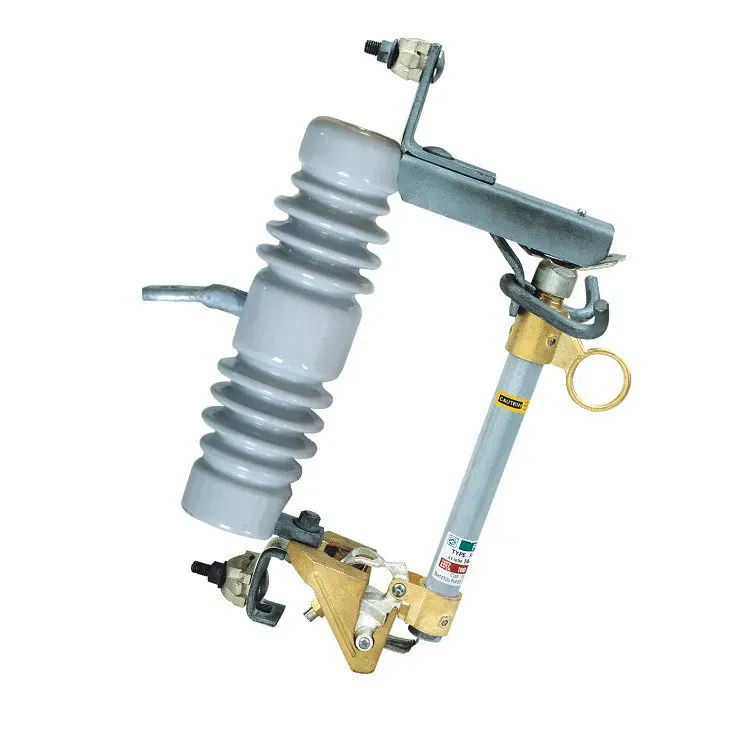
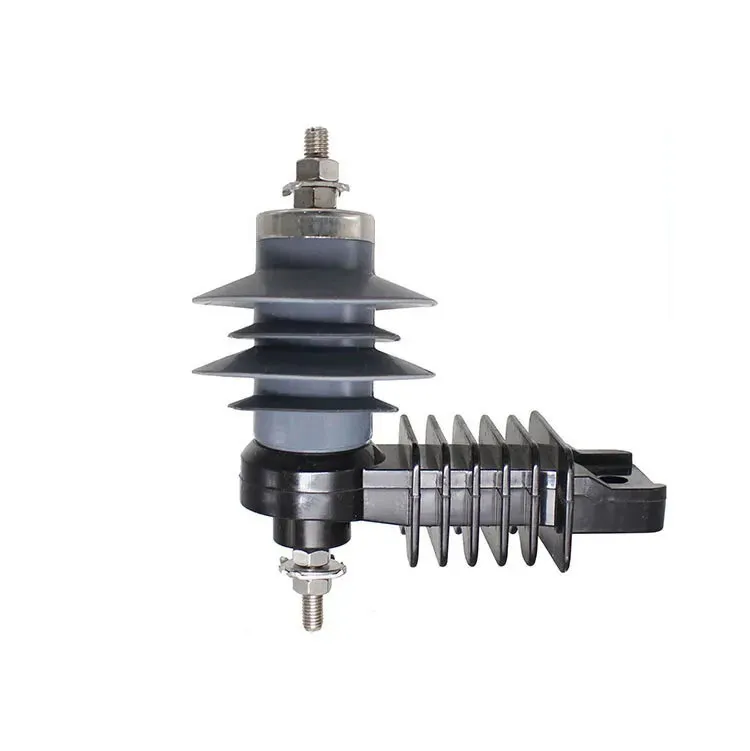
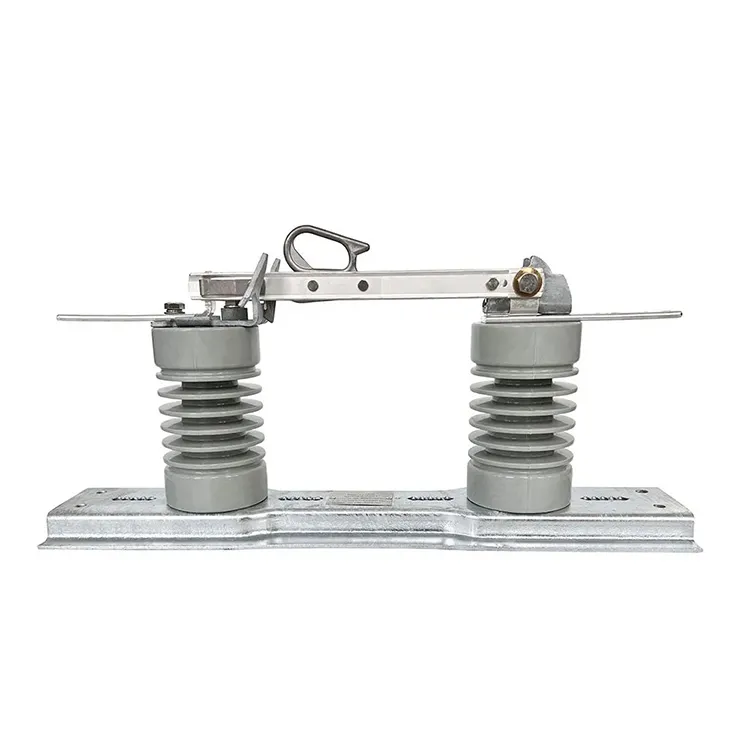
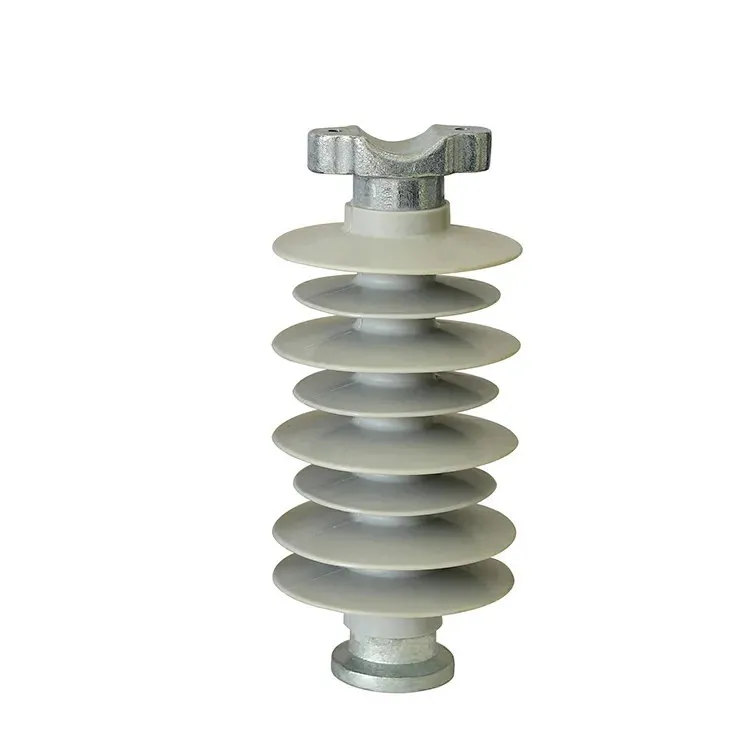
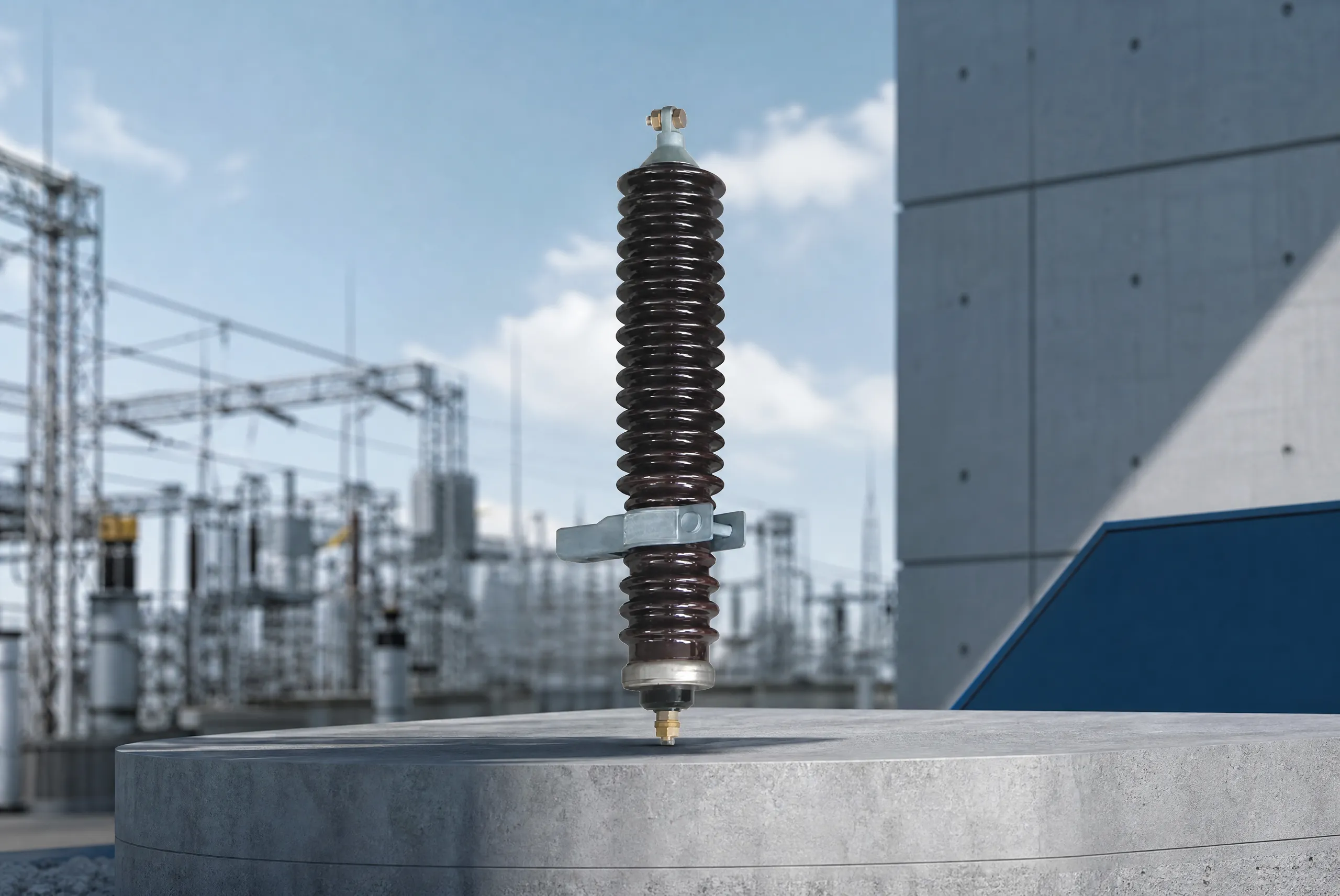
Housing family is the most visible materials fact and the easiest to verify. Product data states whether a unit belongs to a porcelain-housed family or a polymeric-housed family, where silicone rubber is the common polymeric housing vocabulary — the lightning arrester product line presents both families at product level — and the SKU datasheet confirms the housing for the specific configuration quoted.
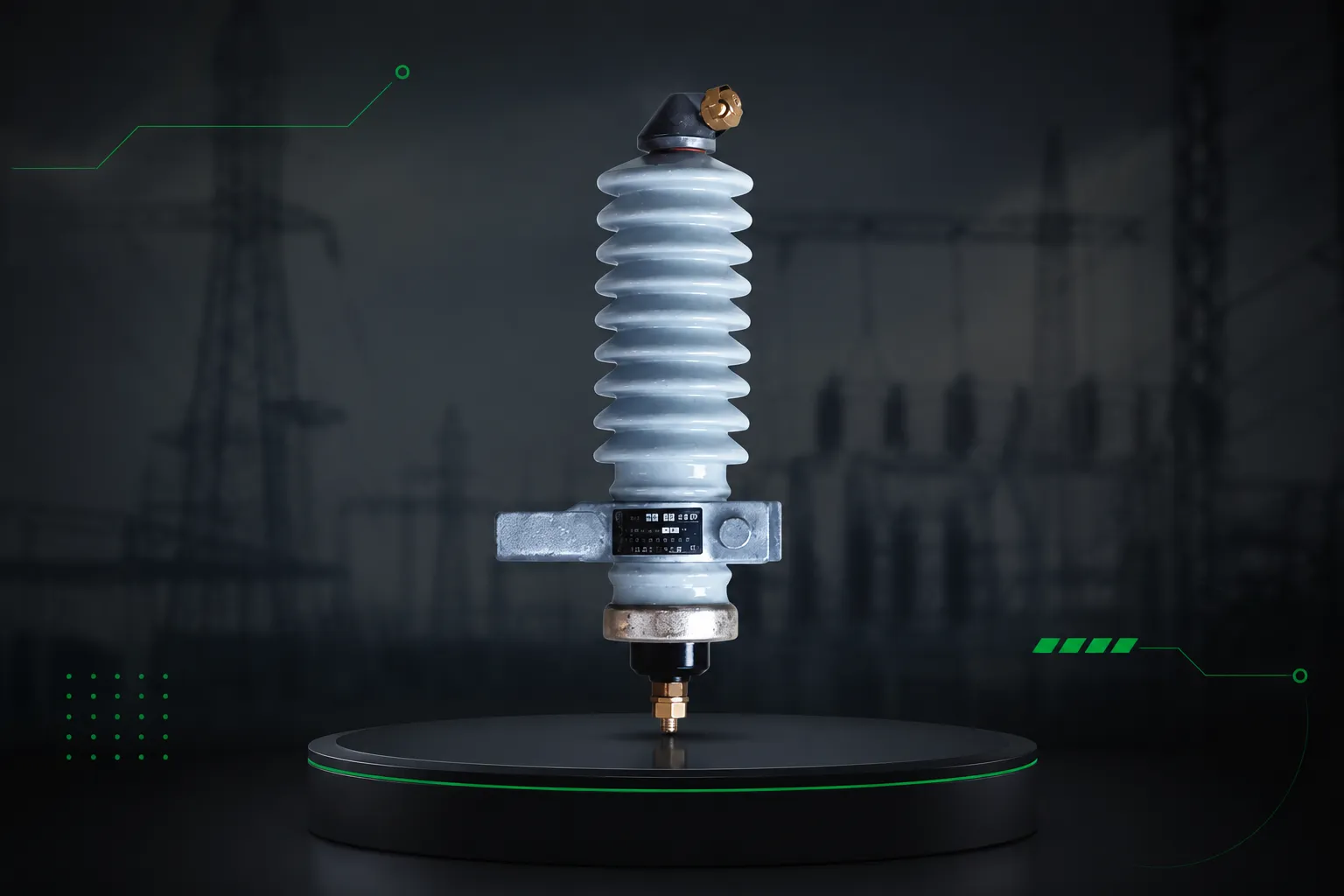
This article deliberately ranks nothing. Which housing family suits a site is an application decision that depends on the owner’s practice, environment records, and the project’s engineering review; a materials page that declares a universal winner is exactly the kind of unsourced performance claim a buyer should refuse.
What a buyer can do from documents is narrower and more useful. Confirm the housing family stated for the quoted SKU, confirm that the drawing and the product page agree, and record the housing entry in the order file so the delivered unit can be checked against it at receipt.
Which fittings and sealing details belong on the drawing?
Between the active element and the housing sit the parts that carry, connect, and close the unit: end fittings, flanges, terminals, brackets, and the sealing system. These are drawing-level facts. An outline drawing for the exact quoted SKU shows the metal parts, their arrangement, and the mounting interface; the datasheet identifies the configuration the drawing belongs to.
Sealing deserves specific attention in the document review because it is easy to assert and hard to see. A buyer’s verifiable position is procedural: ask which drawing and document describe the sealing arrangement for the quoted SKU, and file that answer with the order rather than accepting a catalog adjective.
Brackets and fittings follow the same logic. Whether a unit ships with a particular bracket, which terminal hardware it uses, and what the grounding connection point looks like are configuration facts that the drawing and order documents settle. A photograph suggests; the drawing decides.
How does the nameplate connect the product to its records?
The nameplate ties a physical unit to its records. On delivery, the nameplate identifies the product and its key designations, and the buyer’s job is a cross-check: nameplate against order, order against datasheet revision, datasheet against drawing. A unit whose nameplate does not match the quoted documentation is a receiving query, not a shelf item.
Ask for a nameplate example at quotation time. It is a small request that lets the receiving team prepare the cross-check before hardware arrives, and it surfaces documentation gaps while they are still cheap to fix.
The document set worth filing for a materials review is short: the SKU datasheet with revision, the outline drawing, the nameplate example, and whatever test documentation the owner named. Safety procedures for handling and installation remain the owner’s process — the OSHA electrical safety topic is a public reference for how controlled electrical work is framed — and material verification does not substitute for any of it.
Which claims need SKU-level evidence?
The split below is the article’s summary. The left column costs a buyer an afternoon with documents; the right column is what goes into the evidence request for the exact quoted SKU.
| Material topic | Verifiable from product data now | Request as evidence for the quoted SKU |
|---|---|---|
| Active element | The family uses metal-oxide valve blocks (public terminology) | SKU electrical characteristics and any owner-named test documentation |
| Housing | Housing family (porcelain or polymeric) stated on page and datasheet | Housing material designation for the configuration and delivery batch |
| Metal parts | Fittings, flanges, terminals, brackets on the outline drawing | Hardware and interface confirmations for the ordered configuration |
| Sealing | Whether the documents describe a sealing arrangement | The document that specifies it for the quoted SKU |
| Identity | Product family and designation on the page | Nameplate example plus datasheet and drawing revisions |
| Conformance | Which product standard context applies (for example IEC 60099-4 scope) | The specific test evidence the owner requires, by name |
Two habits make the table work. Record where each left-column fact was verified — page, datasheet, drawing, with dates and revisions — and write the right-column items into the RFQ or order as named documents. For wider application reading, the live article on lightning surge arresters for power grids frames where these units serve; the materials method stays the same everywhere.
Which product documents should accompany a material inquiry?
Running the method needs concrete destinations. The lightning arrester product line shows the porcelain and polymeric families FUERTE presents, and a product page such as the YH510W-24/YH510W-24J Surge Arrester is one place to run the verification: read the family and designations the page states, then request the SKU-level documents for anything the project must rely on.
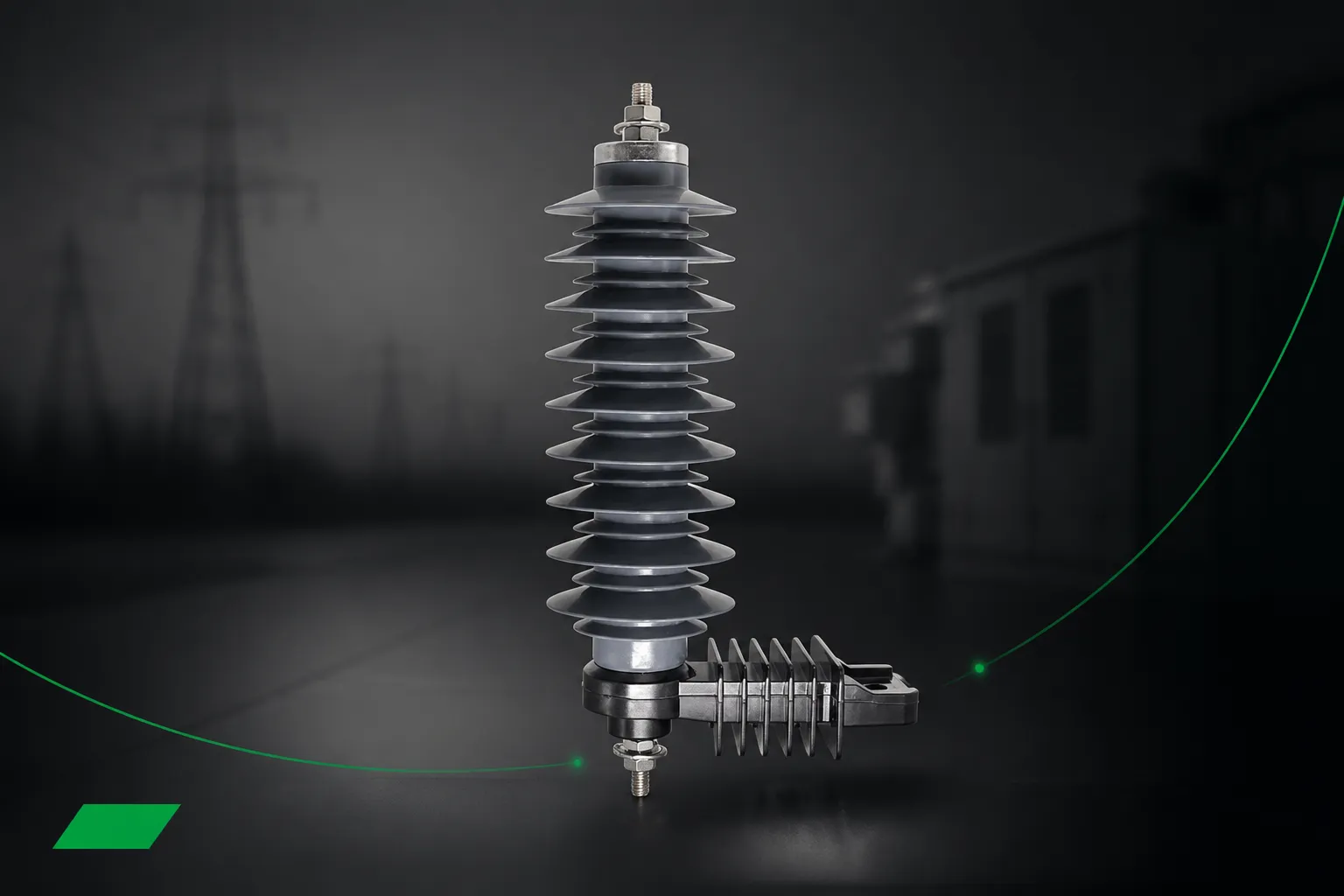
Product recommendation fit boundary
Neither the line page nor a product page proves material composition, grades, or test outcomes for a specific delivery, and this article assigns no material or application claim to any FUERTE SKU. Product pages identify families and route requests; the exact quoted SKU’s datasheet, drawing, nameplate, and owner-named test documents carry the proof. Buyers with their verification list ready can send the materials evidence request and receive SKU-level documents to review against it.
FAQ
What materials is a lightning arrester made of?
At identification level: metal-oxide valve blocks as the active element, an insulating housing from either the porcelain or the polymeric family, and metal end fittings, terminals, and brackets with a sealing arrangement. Everything deeper is SKU-specific and travels by requested documents.
What is inside a metal-oxide surge arrester?
Public terminology describes a stack of zinc-oxide-based varistor blocks inside the insulating housing. Block-level details for a specific product are manufacturer documentation, not catalog inference.
What is the difference between porcelain and polymer arrester housings?
They are different housing families with different construction, and product data states which family a unit belongs to. Which family suits a site is an application decision for the owner’s engineering review; this article ranks neither.
How can a buyer confirm arrester housing material before ordering?
Read the housing family on the product page, confirm it on the SKU datasheet and outline drawing, and record the entry in the order file so the delivered unit’s nameplate cross-check can catch a mismatch.
What do flanges and sealing systems do in an arrester?
Flanges and fittings carry and connect the unit; the sealing arrangement closes it. For procurement, both are drawing-level facts: verify what the outline drawing shows and request the document that specifies the sealing arrangement for the quoted SKU.
What information is on a lightning arrester nameplate?
The nameplate identifies the product and its key designations so the delivered unit can be tied to the order and its documents. Ask for a nameplate example at quotation time and run the cross-check at receipt.
Which material claims need test evidence rather than catalog text?
Anything the project must rely on: material designations for the delivery, electrical characteristics, and every conformance statement. The owner names the required test documentation, and bidders return it for the exact quoted SKU.
Can a product photo confirm what an arrester is made of?
No. A photo suggests a housing family at best. Identification comes from the product page and datasheet, configuration from the drawing, identity from the nameplate, and proof from requested evidence.
Why does a material label not prove arrester performance?
Material review should establish identity first, then evidence. IEC 60099-4:2014 defines the gapless metal-oxide arrester scope; housing, fittings and sealing remain configuration-level facts. A polymer arrester housing is not automatically a protection rating, and porcelain is not automatically better or worse. For a metal-oxide surge arrester, request the exact SKU datasheet, outline drawing, nameplate example, material designation where relevant, applicable tests and revision-controlled documents. Record the model, housing family and drawing revision at receiving inspection. This creates a traceable arrester material check without pretending a photograph proves an internal grade.
Can a product photograph confirm the housing material?
No. Use the product page, datasheet, drawing and nameplate for identity; project-relevant claims need requested evidence.
Summary
Material review should establish identity first, then evidence. Confirm the project inputs, match the exact product evidence and record unresolved assumptions before purchase.
References
- Public terminology context: Wikipedia: Surge arrester
- Product-standard scope: IEC 60099-4, Metal-oxide surge arresters without gaps
- Electrical safety-process context: OSHA electrical safety topic
- Overhead distribution industry context: Utility Products overhead distribution systems section
- IEC 60099-4:2014
- IEC 60099-5:2018
- IEC 62217:2025