
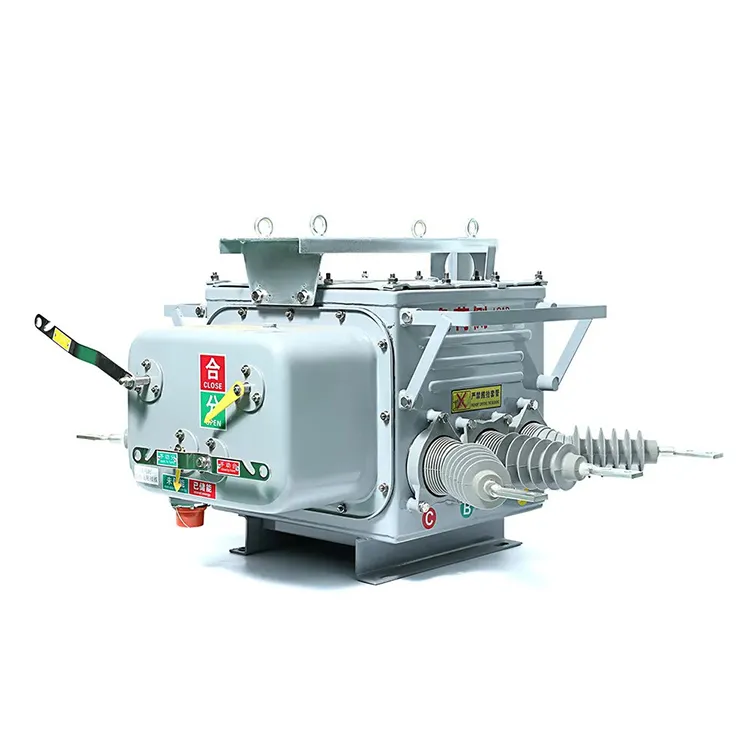
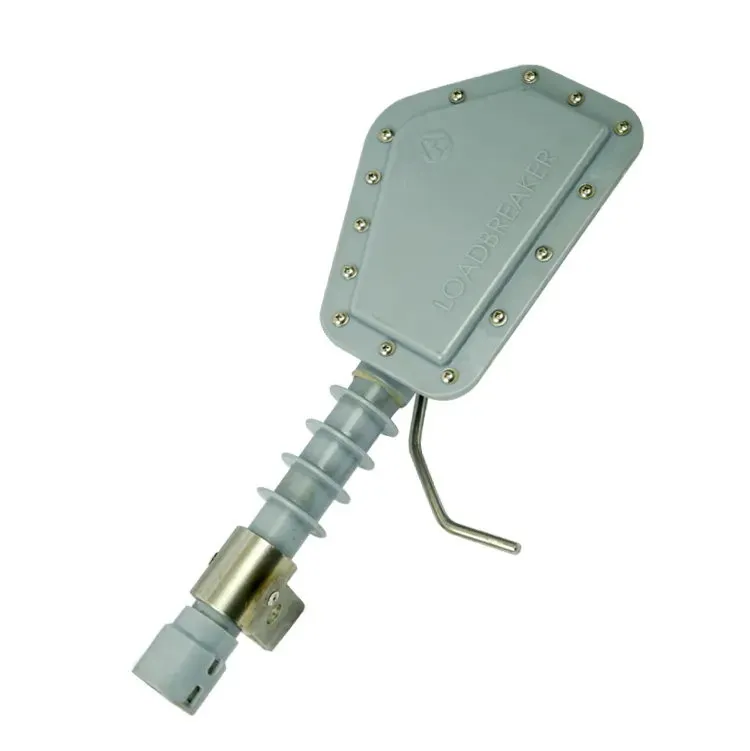


An mv surge arrester RFQ succeeds or fails before any quotation arrives. If the package states the system conditions, carries the engineer’s rating inputs, documents the installation interfaces, and names the evidence every bidder must return, the quotes that come back can actually be compared. If it names only a voltage class and a quantity, each supplier fills the gaps differently and the comparison collapses.
This checklist assembles that package. Engineering detail stays with the cluster articles that own it — each section links to the right one — and every numeric decision stays with the project engineer and the exact quoted SKU documents.
Part 1. What an MV surge arrester RFQ must accomplish
A medium-voltage surge arrester is quoted against system facts, not against a product name. The RFQ’s job is to carry those facts to every bidder in identical form: what system the device joins, what the engineer’s application review concluded, how the unit will be installed, and what evidence must come back with the price.
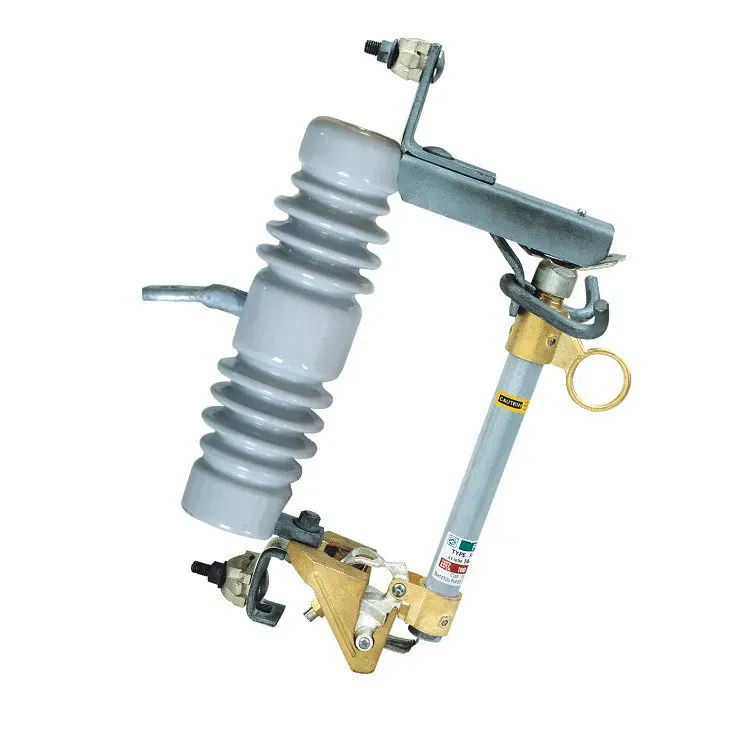
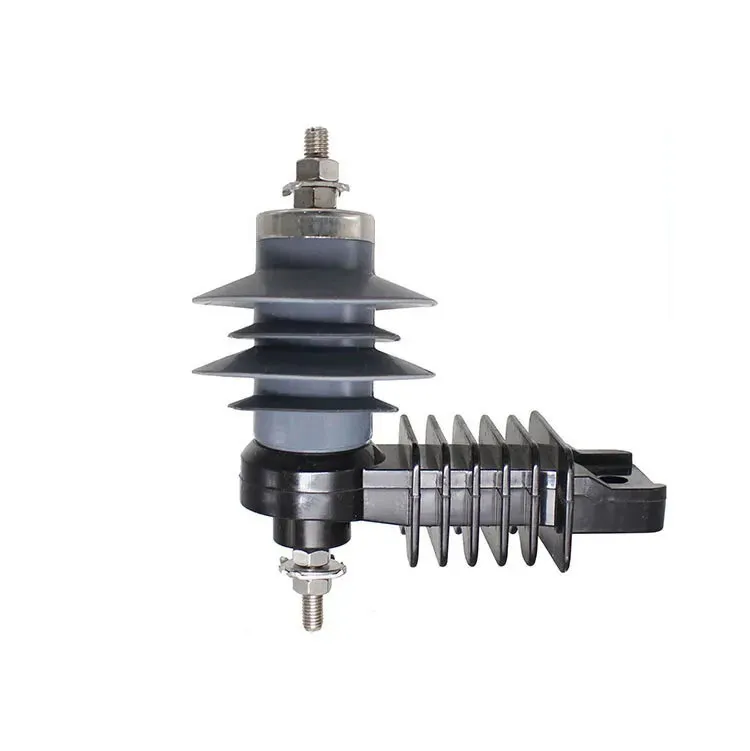
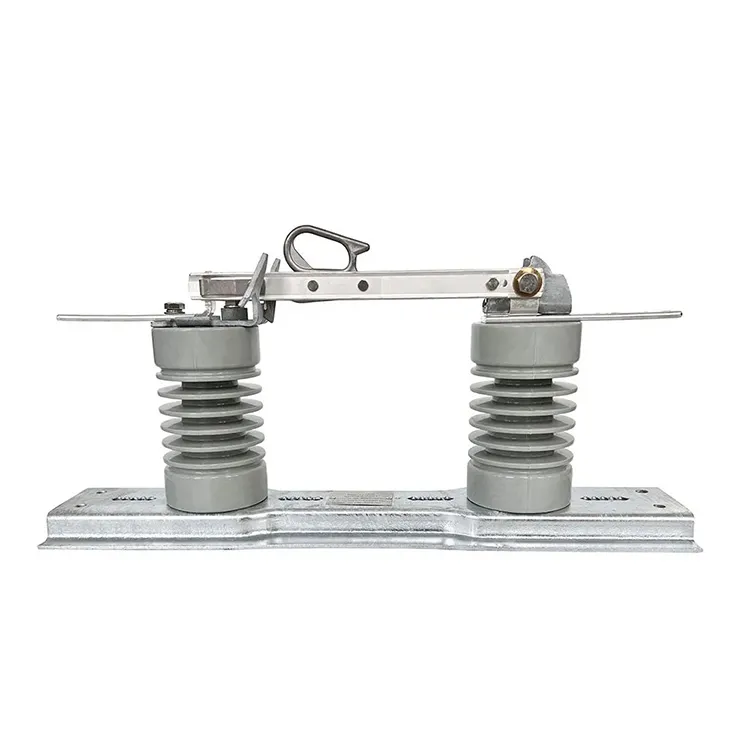
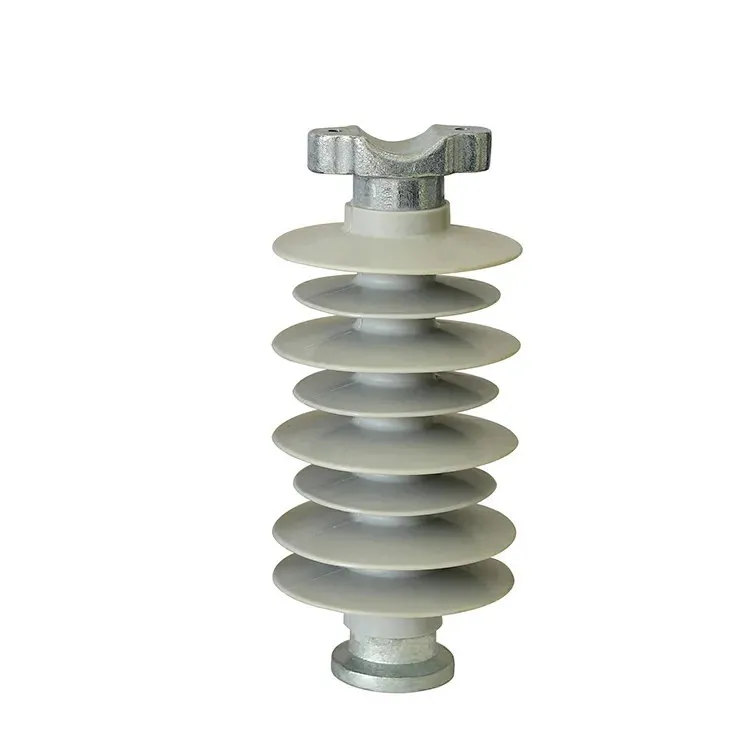
Product orientation helps before the writing starts. The lightning arrester portfolio shows the metal-oxide family this checklist concerns, and IEC 60099-4 is the published product standard for metal-oxide surge arresters without gaps — context worth naming in the RFQ so bidders know which product world the owner means.
One warning shapes everything below. An RFQ that copies ratings from a product page, a previous project, or a competitor’s datasheet is not stating project facts; it is laundering assumptions. Each input in this checklist exists to replace an assumption with a record.
Part 2. State the system conditions
Bidders quote against the system you describe, so describe it in controlled documents rather than adjectives. The table lists the baseline records; the linked cluster articles expand each application type.
| System input | Record to attach | Detail owner |
|---|---|---|
| Application description | Single-line diagram and the protected equipment context | This RFQ pack |
| Voltage conditions | System voltage records for nominal and maximum operating conditions | Project engineering |
| Grounding | Grounding method and neutral-treatment statement | Project engineering |
| Duty and exposure | Owner or study context for lightning, switching, or cable exposure | Owner / study documents |
| Location type | Substation, line, or transformer position context | Project drawings |
Application-specific inputs are already organized elsewhere in this cluster: lightning arresters for substations covers station placement scope, transformer surge arrester coordination questions covers transformer-terminal inputs, and lightning surge arresters for power grids gives the wider system framing. Attach the records those articles call for instead of paraphrasing them.
State what is unresolved, too. A grounding arrangement still under design review is a legitimate RFQ note; bidders can flag their assumptions instead of hiding them.
Part 3. Close the rating and MCOV questions before issue
Rated voltage and MCOV — the common vocabulary for an arrester’s maximum continuous operating voltage — are application decisions, and they belong to the engineer’s review, not to the RFQ author. Published selection and application recommendations exist for surge arresters in IEC 60099-5, and the engineer applies them with the system records from Part 2.
What the RFQ does is carry the review’s outputs and their basis. Record which voltage records, grounding facts, and duty assumptions the engineer used, and which owner criteria govern acceptance, so a bidder can trace every stated input to a document revision.
For distribution transformer applications specifically, the metal-oxide surge arrester selection workflow is the cluster’s owner for the selection sequence. This checklist does not restate it; it packages the workflow’s outputs for procurement.
If the engineering review has not happened, say so in the RFQ and ask bidders to state the inputs they need. That is slower but honest, and it prevents a catalog default from silently becoming the project specification.
Part 4. Document the installation interfaces
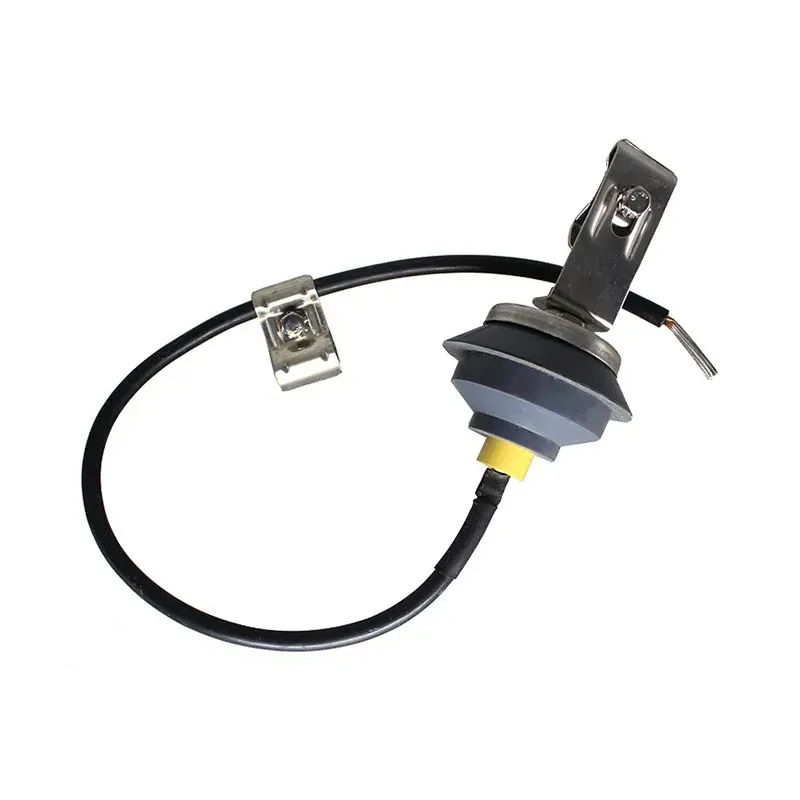
Installation details change quotations — mounting arrangement, brackets, connection hardware, and accessories all have commercial weight. Capture the installed context as documents, and let the exact quoted SKU drawing answer whether the product matches it.
| Interface input | Record to attach | Bidder response expected |
|---|---|---|
| Mounting | Structure or bay drawing with the intended arrester position | Mounting compatibility statement for the quoted SKU |
| Connections | Lead routing context and terminal details | Terminal and hardware description |
| Accessories | Required counters, monitoring devices, brackets, or insulating bases | Itemized accessory scope with part references |
| Environment | Site altitude, pollution, and temperature records from project documents | Application notes tied to the quoted SKU |
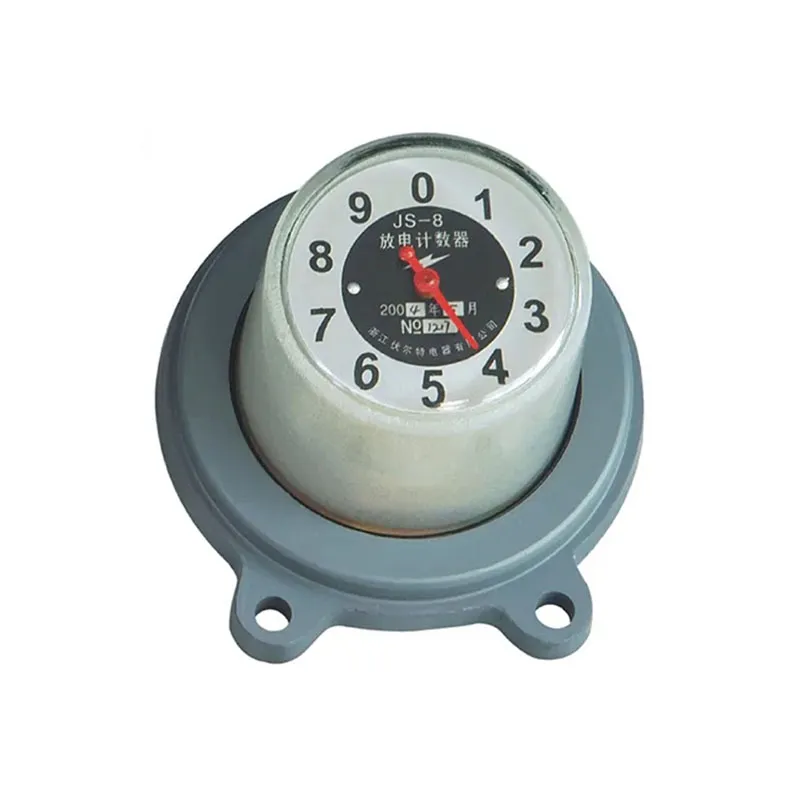
Accessory interfaces deserve their own line items. A monitoring device or discharge counter mounted with the arrester changes the connection arrangement and the documentation set, so name the requirement in the RFQ rather than assuming bidders will infer it.
Keep every dimension in the drawings. The article-level rule from the rest of this cluster applies here as well: photographs and family pages do not establish clearances, hardware, or fit.
Part 5. Request the document and test evidence
Evidence requests turn a price list into an auditable bid. Ask each bidder to identify the exact quoted SKU and revision, then require every document to reference that same configuration.
A workable baseline evidence list:
- Datasheet for the exact quoted SKU and revision.
- Outline and mounting drawings matching the quoted configuration.
- The type test evidence and routine test documentation the owner requires, stated by name in the RFQ.
- Accessory documentation for any counters, monitors, or bases in scope.
- A written exceptions list covering every deviation from the RFQ.
- Delivery, packing, and spare-parts scope for the order quantity.
The owner decides which test evidence is required; the RFQ’s job is to name it explicitly so all bidders answer the same demand. A bid that returns a family brochure instead of SKU-level documents has answered a different question, and the comparison sheet should say so.
Safety-related process obligations stay with the owner. Procurement documents do not replace controlled isolation and energized-work procedures, and the OSHA electrical safety topic is a public reference for how such processes are framed; the owner’s and local jurisdiction’s rules govern the work.
Part 6. Control the quote comparison
Comparability is designed, not hoped for. Three controls do most of the work.
First, give every bidder the identical package — same records, same evidence list, same response format. Second, freeze the RFQ content once issued; if an input changes, reissue to all bidders with a revision note instead of updating one thread. Third, score bids on the evidence they return for the exact quoted SKU, not on catalog breadth or familiar names.
A short comparison sheet built from the RFQ sections keeps the evaluation honest: system inputs acknowledged, engineering inputs traced, installation interfaces answered, evidence list returned, exceptions declared, commercial terms stated. Anything unanswered is a follow-up question, not a guess.
Industry reading such as the Utility Products overhead distribution section is useful for procurement vocabulary, but the project’s own records remain the only basis for scoring a bid.
Part 7. Accessories, product context, and where to send the pack
Accessories close the scope. If the project needs discharge counters, monitoring devices, insulating bases, or specific brackets, list them in the same RFQ with their own evidence expectations, because a separate afterthought order rarely matches the original interfaces cleanly.
Product context then routes the request. The Y510W-24 Surge Arrester page is one FUERTE destination for an SKU-level documentation request; its parameters live on that page and apply to the exact SKU it describes.
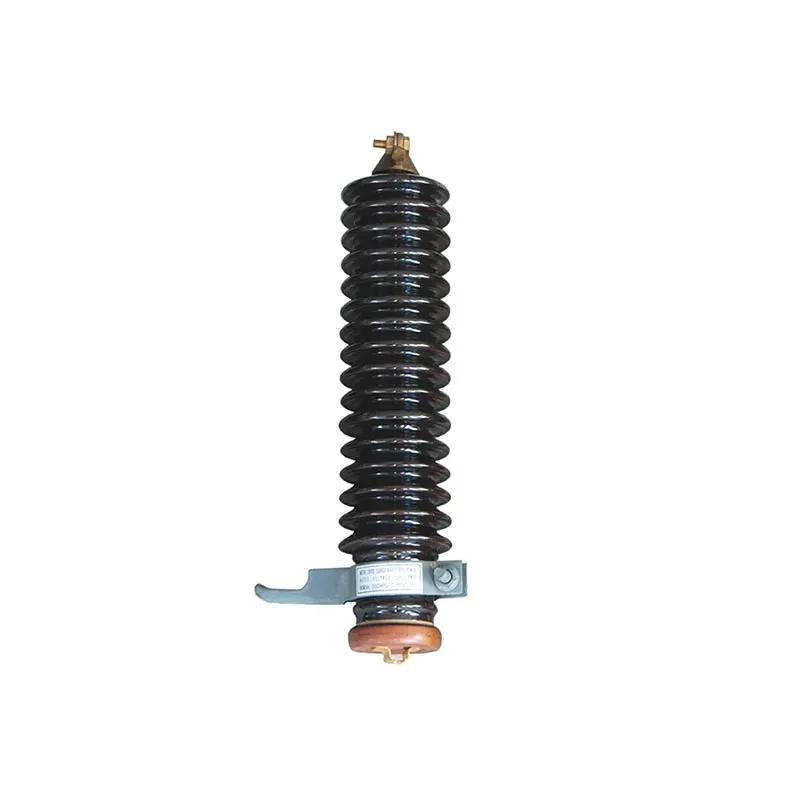
Product recommendation fit boundary
No product page — including that one — answers an RFQ. Whether Y510W-24 or any other model suits the project is settled by the engineer’s review of the exact quoted SKU documents against the inputs this checklist assembles. Buyers with the system records, engineering inputs, interface documents, and evidence list ready can send the complete RFQ pack and receive an SKU-level response that a comparison sheet can actually score.
FAQ
What is an MV surge arrester?
It is a metal-oxide arrester applied on medium-voltage systems such as distribution feeders, substations, and transformer positions. In procurement terms it is quoted against system records and engineering inputs, and IEC 60099-4 is the published product standard context for the gapless metal-oxide family.
What information does a supplier need to quote an MV surge arrester?
The application description with a single-line diagram, voltage and grounding records, duty and exposure context, the engineer’s rating inputs, installation and accessory interfaces, the required evidence list, and quantity with commercial terms — all in one controlled package.
What do rated voltage and MCOV mean in an arrester RFQ?
They are application decisions produced by the engineer’s review; MCOV is the common vocabulary for the maximum continuous operating voltage. The RFQ records the inputs and document revisions behind those decisions rather than inventing values.
What installation details belong in an arrester RFQ?
The intended mounting position and structure drawing, connection and lead-routing context, required accessories such as counters or monitoring devices, and the site environment records. Bidders answer with SKU-level compatibility statements, not photographs.
What documents and test evidence should buyers request?
The exact quoted SKU datasheet and drawings, the owner-named type-test and routine-test documentation, accessory documents, a written exceptions list, and the delivery and spares scope — each referencing the same SKU and revision.
How can buyers compare arrester quotations fairly?
Issue identical packages, freeze and reissue revisions to all bidders, and score only the returned evidence for the exact quoted SKU. A comparison sheet mirroring the RFQ sections keeps the evaluation traceable.
Should accessories like counters and monitors be in the same RFQ?
Yes. Accessories change interfaces, documentation, and price, so list them as line items with their own evidence expectations instead of ordering them separately later.
Can a buyer copy ratings from a product page into an RFQ?
No. Page values describe the SKU the page covers, not your system. State the project’s records and the engineer’s inputs, and verify every parameter on the exact quoted SKU documentation during evaluation.
References
- Product-standard scope: IEC 60099-4, Metal-oxide surge arresters without gaps
- Application-recommendation scope: IEC 60099-5, Surge arresters — Selection and application recommendations
- Electrical safety-process context: OSHA electrical safety topic
- Overhead distribution industry context: Utility Products overhead distribution systems section
- Public terminology context: Wikipedia: Surge arrester
Which RFQ fields make medium-voltage arrester quotes comparable?
The highest-value addition is an exact-input register: system voltage and grounding, insulation coordination reference, arrester location, environmental exposure, lead and mounting arrangement, accessories, documentation language, quantity and required type or routine-test evidence. IEC 60099-4 gives product-standard context and IEC 60099-5 gives selection and application context; neither replaces the owner’s study.
Freeze the revision before sending the RFQ, ask bidders to list deviations, and evaluate the returned documents against the same rows. Counters, monitors, brackets and connection hardware should be separate line items because they change interfaces and acceptance records.
Summary
A strong arrester RFQ is a controlled evidence request. It gives every bidder the same system inputs, requires the same document set and leaves unresolved engineering decisions visible instead of hiding them inside a product label.