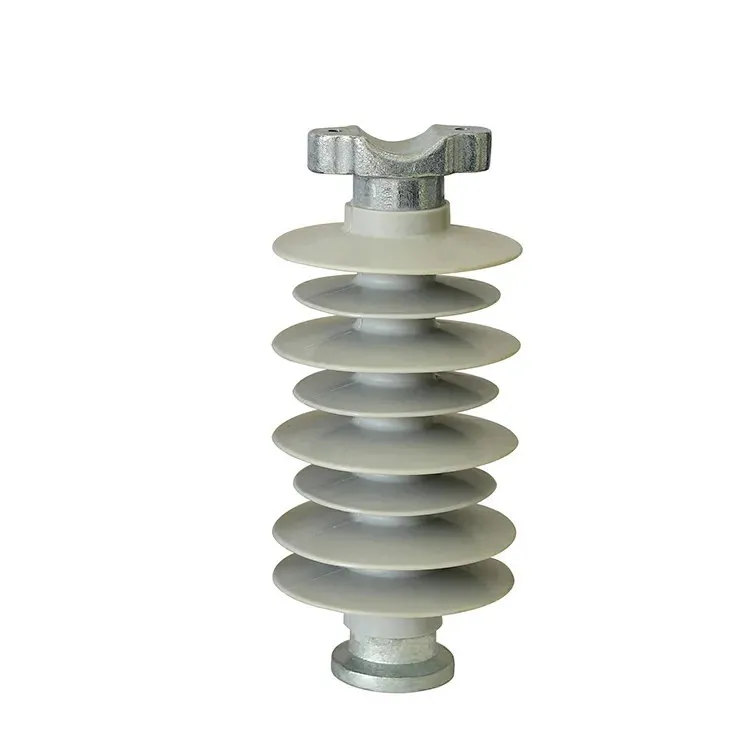
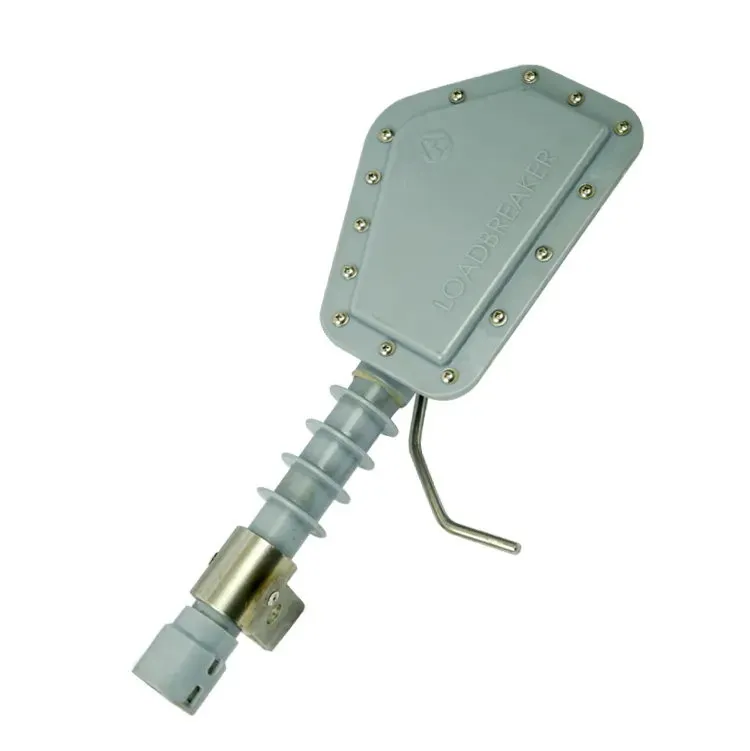


The main difference between polymer and porcelain insulators is not simply weight. A typical composite polymer unit uses a fibre-reinforced resin core, polymeric housing and metal fittings, while a porcelain unit uses a fired ceramic insulating body with hardware appropriate to its form. That construction changes handling, surface behaviour, failure modes, inspection methods and the standards used to evaluate the product.
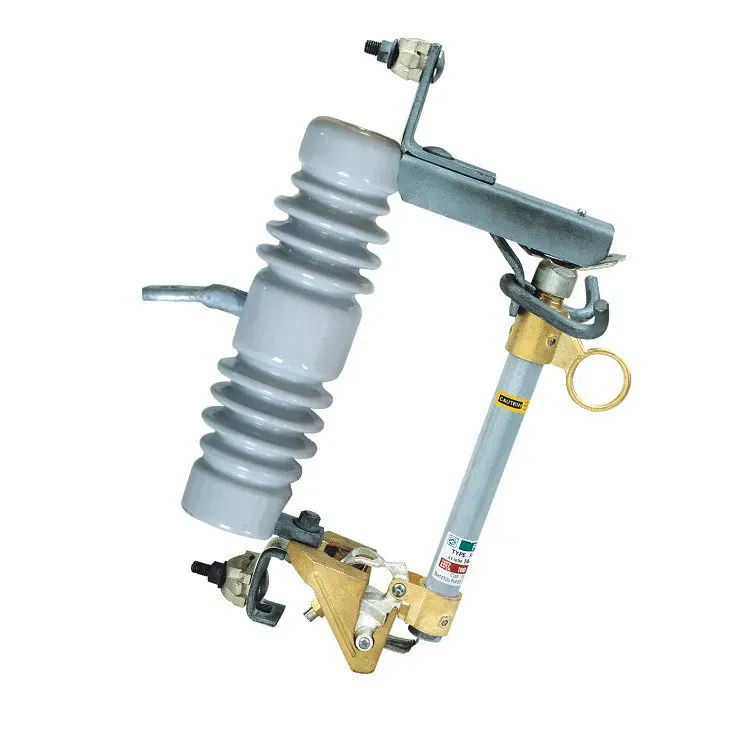
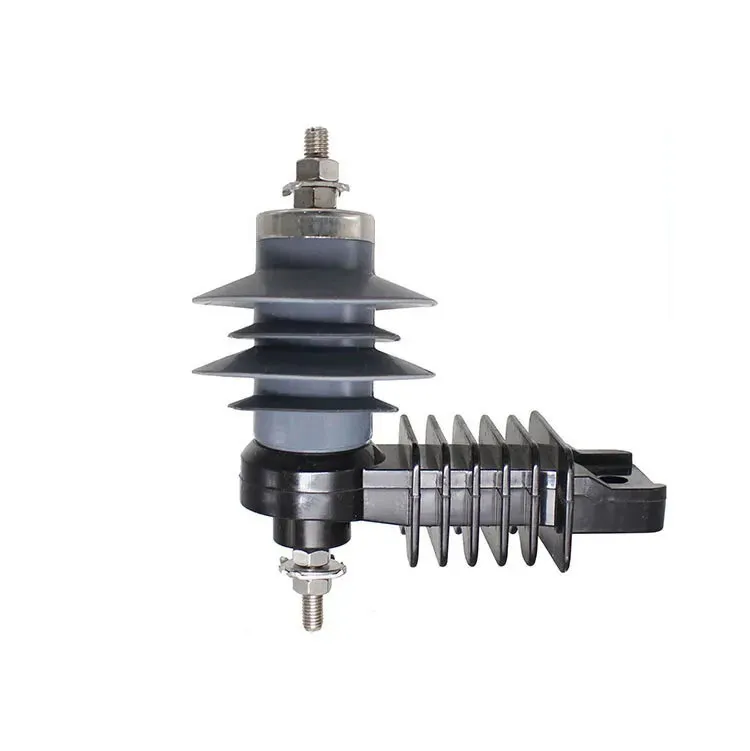
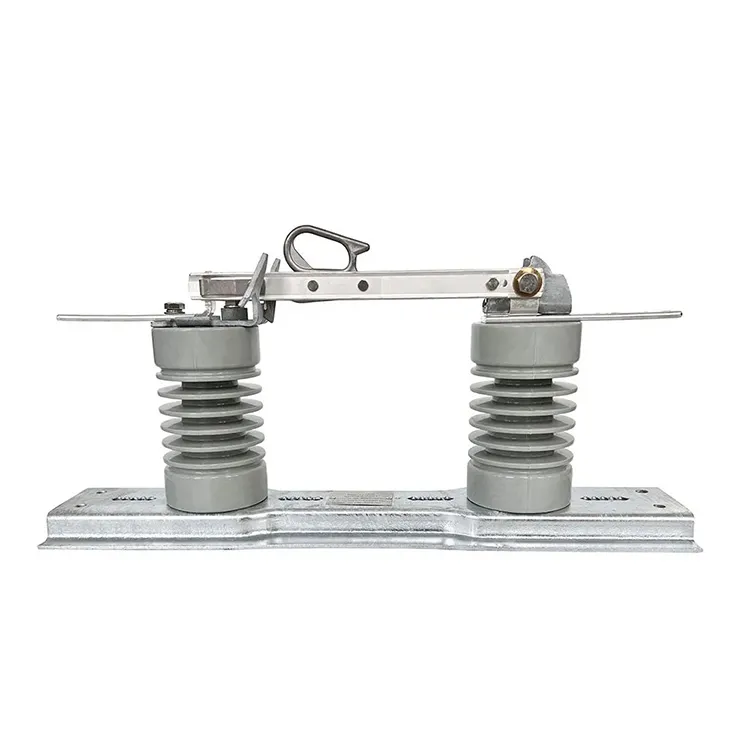
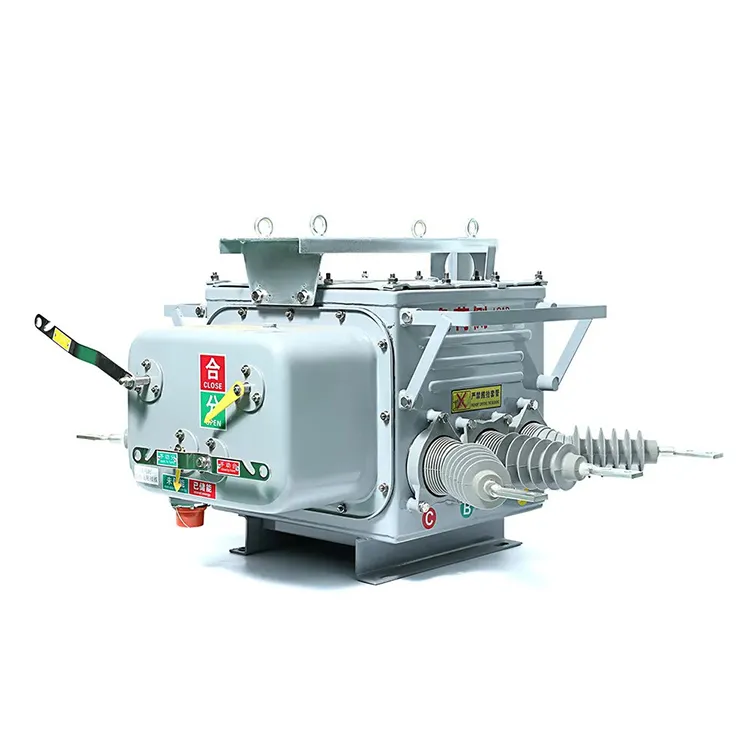
Fuerte’s broader high-voltage product range shows why the insulator must be evaluated as part of an assembly. Product category alone does not establish interchangeability.
Decision rule: do not select a winner from a generic advantages list. First match the insulator function, electrical and mechanical ratings, site pollution severity, altitude, fittings, inspection capability and applicable product standard. Then compare model-specific evidence, lifecycle requirements and total installed risk.
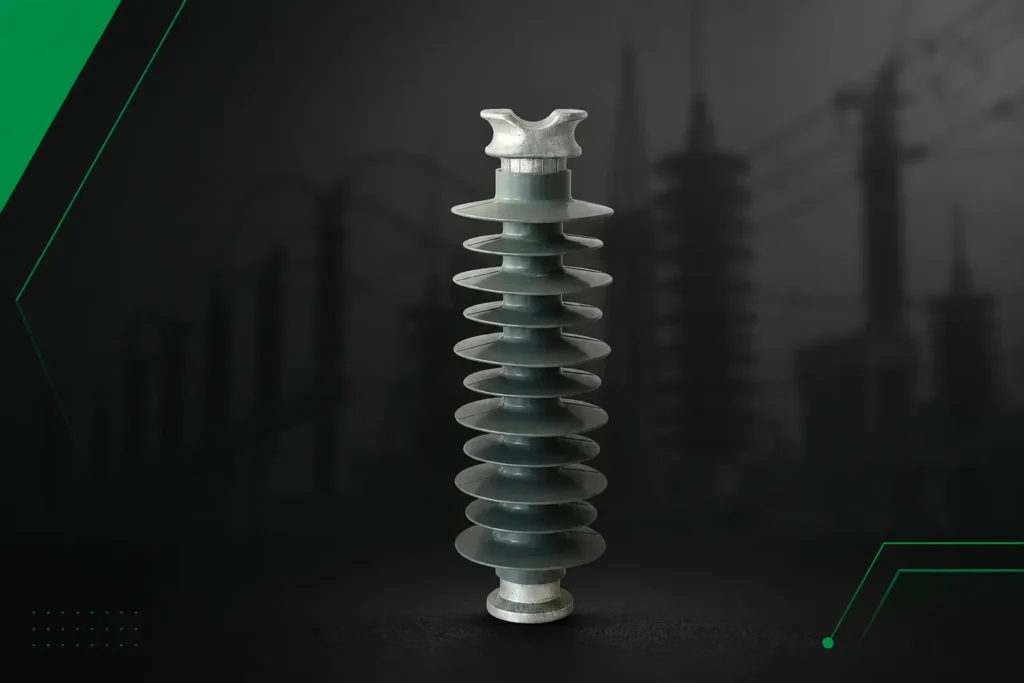
Polymer versus porcelain: a conditional comparison
| Decision factor | Composite polymer insulator | Porcelain insulator | What the buyer must verify |
|---|---|---|---|
| Construction | Load-bearing core, polymer housing/sheds and metal end fittings | Fired ceramic insulating body with product-specific metal hardware | Exact product form, drawing, interfaces and product standard |
| Mass and handling | Generally lower mass for a comparable function | Generally heavier and potentially more vulnerable to impact chipping | Actual unit mass, packaging, lifting points and installation method |
| Surface wetting | Some housing materials can retain or transfer hydrophobicity through pollution | Normally hydrophilic unless a verified coating changes surface behavior | Material class, pollution study, profile and cleaning strategy |
| Mechanical behavior | Depends on core, crimp/fitting system and interface integrity | Rigid ceramic body; product standards include mechanical and residual-strength requirements for applicable units | Specified loads, test evidence and hardware articulation |
| Damage visibility | Internal or interface damage may not be obvious from a distance | Cracks, chips or shattered units can be visually evident, but hidden defects remain possible | Inspection method, rejection criteria and access |
| Electric-field control | Field grading can be critical near fittings, depending on voltage and geometry | Also requires correct geometry and hardware; approach differs by unit/string design | Manufacturer’s assembly drawing and project electric-field study where required |
| Pollution design | Use polymer-specific guidance and HTM/non-HTM properties | Use ceramic/glass pollution guidance and candidate profile corrections | Site pollution severity, RUSCD/USCD workflow, altitude and profile corrections |
This matrix is intentionally conditional. Claims such as “polymer never needs washing” or “porcelain always lasts longer” ignore material formulation, pollution type, profile, service stress and maintenance practice. Our overview of polymer insulator construction explains why the interfaces and core need as much attention as the visible sheds. For a related technical topic, see 11 KV Polymer Disc Insulator.
Use the correct standard for each construction
For composite suspension and tension units on overhead lines, IEC 61109:2025 defines terms, tests and acceptance criteria for the specified composite construction. The third edition adds or revises requirements involving AC and DC scope, hydrophobicity-transfer testing, stress corrosion, water diffusion, interfaces, electric-field control and adhesion between core and housing.
For polymeric high-voltage insulators more generally, IEC 62217:2025 provides common design-test methods and acceptance criteria. Product-specific tests still come from the relevant product standard.
For ceramic or glass overhead-line units above 1,000 V AC, IEC 60383-1:2023 is the current IEC product standard within its stated scope. Its fifth edition added RIV testing, impulse puncture testing in air, residual-strength testing, zinc-sleeve provisions, impact testing and an annex on coatings. These standards have different scopes; listing both numbers on a quotation is not evidence that one offered product meets both.
How should polluted and coastal sites be compared?
Start with the site, not the material. IEC TS 60815-1:2025 sets out a current workflow for site pollution severity, reference unified specific creepage distance and correction toward a candidate insulator. It now distinguishes additional pollution details, includes an extremely-heavy class for special situations, and revises correction factors for altitude, diameter, shed profile and parallel units.
IEC TS 60815-3:2025 covers polymer insulators for outdoor AC systems and recognizes hydrophobicity-transfer materials. The series does not deal with the effects of ice and snow on polluted insulators. A coastal, desert, agricultural and cement-plant environment can have different deposit chemistry and wetting behavior even when someone labels all of them “heavy pollution.”
For this reason, a polymer-insulator selection record should state the pollution type, severity evidence, profile, washing or inspection plan and the correction method used. Do not treat creepage distance as the only controlling variable.
Mechanical and handling differences affect installed risk
Transport and installation
Lower mass can reduce lifting and handling burden, but polymer sheds can still be cut, abraded or deformed by poor packaging and tools. Porcelain can chip or crack under impact. Specify packaging, lifting points, field-storage conditions and pre-installation checks for the actual product rather than relying on material stereotypes.
Load path and fittings
A composite long-rod unit transfers tensile load from one fitting through the core to the opposite fitting. Its crimped or bonded interfaces are part of the structural system. A porcelain string may use multiple cap-and-pin units, changing articulation, replacement practice and residual-strength considerations. Compare the complete assembly, not equal-length samples on a table.
Impact and vandalism
Polymer housings do not shatter like porcelain, which can be useful where impact or vandalism is credible. That does not mean internal damage is impossible. Define the inspection and rejection method after an impact event, including when the unit must be removed for specialist evaluation.
Inspection differs because the failure clues differ
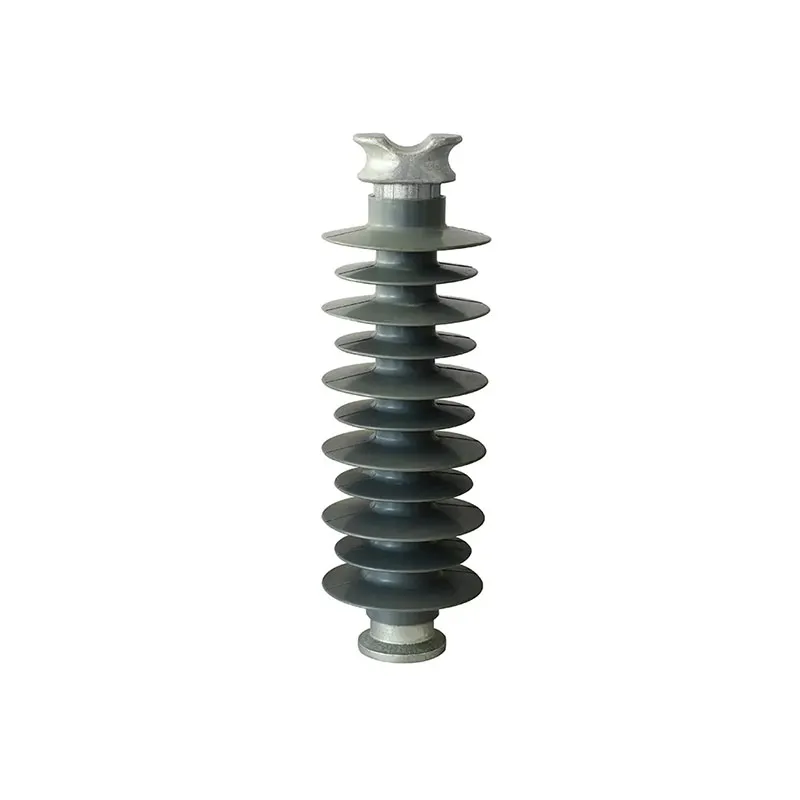
For polymer units, check shed cuts, erosion, tracking, chalking or unusual surface change, end-fitting seals, housing-to-core separation, corrosion, exposed core and signs of concentrated discharge. Internal or interface problems may require more than a distant visual inspection. The 2025 IEC revisions give additional attention to water diffusion, stress corrosion and interface quality because these paths matter to long-term integrity.
For porcelain units, check cracks, chips, cement or hardware condition, corrosion, glaze condition and string hardware. The applicability of residual-strength or puncture evidence depends on the product form and governing standard. In both cases, the inspection plan should state acceptance criteria, responsible role and escalation path rather than promising “maintenance free” service.
A six-question selection framework
- What is the product function? Suspension, tension, line post, pin type or station equipment?
- What are the complete ratings? Highest voltage for equipment, insulation withstand, mechanical loads and relevant radio-interference or corona limits?
- What are the site stresses? Pollution, altitude, UV, temperature, wind, ice, snow, salt and industrial contaminants?
- How will it be installed? String arrangement, hardware, articulation, grading devices, clearances and handling method?
- How will it be inspected? Access, visual criteria, diagnostic methods, cleaning, replacement and event response?
- What evidence covers the offered model? Current standard edition, design/type/sample/routine tests, drawings, traceability and exceptions?
When the required function is suspension or tension, our polymer suspension insulator selection guide adds assembly and project-input detail. Use it with, not instead of, the utility specification.
The polymer insulator product category can then be filtered against those requirements rather than used to define them.
Frequently asked questions
Which is better in heavy salt fog?
Neither material wins automatically. Characterize site pollution severity and wetting, apply the relevant IEC 60815 guidance, evaluate profile and material behavior, and define cleaning or inspection requirements. Ice and snow need separate consideration.
Which insulator lasts longer?
A universal lifespan comparison is not supportable. Design quality, material system, electric field, mechanical loading, environment, handling and maintenance can dominate the material label.
Are polymer insulators always cheaper?
No. Compare purchase price, hardware, transport, installation equipment, inspection, washing, spares, outage consequences and replacement practice for the complete assembly.
Are polymer insulators safer during mechanical failure?
Lower mass and non-shattering housing can change some hazards, but every mechanical failure is serious. Use the specified load ratings, safety factors, test evidence and inspection criteria for the design.
Can a porcelain unit be replaced by a polymer unit with the same length?
Not without an engineering check. Verify electrical withstand, creepage design, mechanical rating, fittings, articulation, clearances, grading devices, arcing distance and installation geometry.
Conclusion
Polymer and porcelain insulators each have useful characteristics, but neither is the universal choice for every line or substation. A sound comparison starts with the required function and ratings, then considers pollution, altitude, handling, failure visibility, inspection capability and lifecycle evidence. Applying the correct standard to each construction and comparing complete assemblies prevents a simple material preference from replacing an engineering decision.
References
- International Electrotechnical Commission, IEC 61109:2025.
- International Electrotechnical Commission, IEC 62217:2025.
- International Electrotechnical Commission, IEC 60383-1:2023.
- International Electrotechnical Commission, IEC TS 60815-1:2025 and IEC TS 60815-3:2025.