
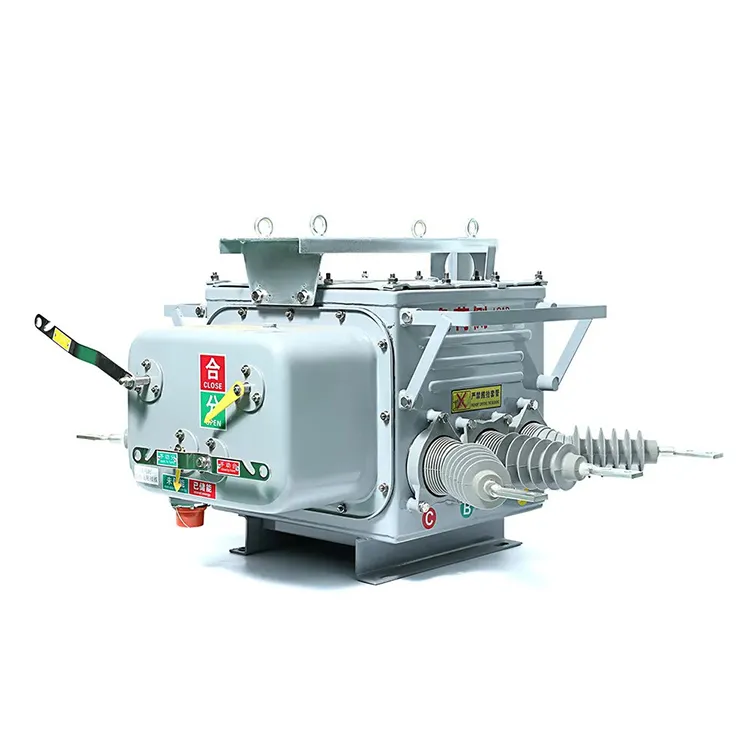
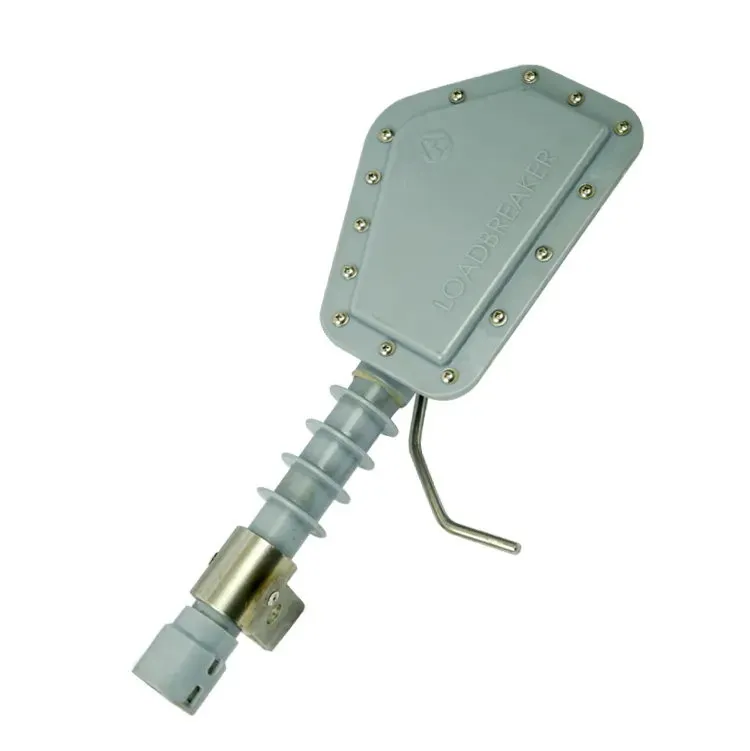


An electrical fuse cutout RFQ is easier to evaluate when it asks for more than a product name and quantity. Utility and EPC teams need a controlled requirement, a defined mounting interface, an evidence list, and a way to expose exceptions before award. That structure lets engineering, procurement, and the supplier review the same scope instead of resolving omissions after a purchase order is issued.
This checklist is about quote control and document evidence. It does not replace the project engineer’s selection work, the owner’s technical specification, or the approval process. Use it to make the information supplied with each quotation complete, traceable, and comparable.
Part 1. Define the procurement decision before asking for a quote
Start with a one-sentence procurement decision: identify the project location or package, the equipment duty, the owner specification that controls, and the party who approves technical equivalence. This is not a ratings exercise. It is the statement that tells a supplier which requirement set, documents, interfaces, and commercial assumptions must appear in the offer.
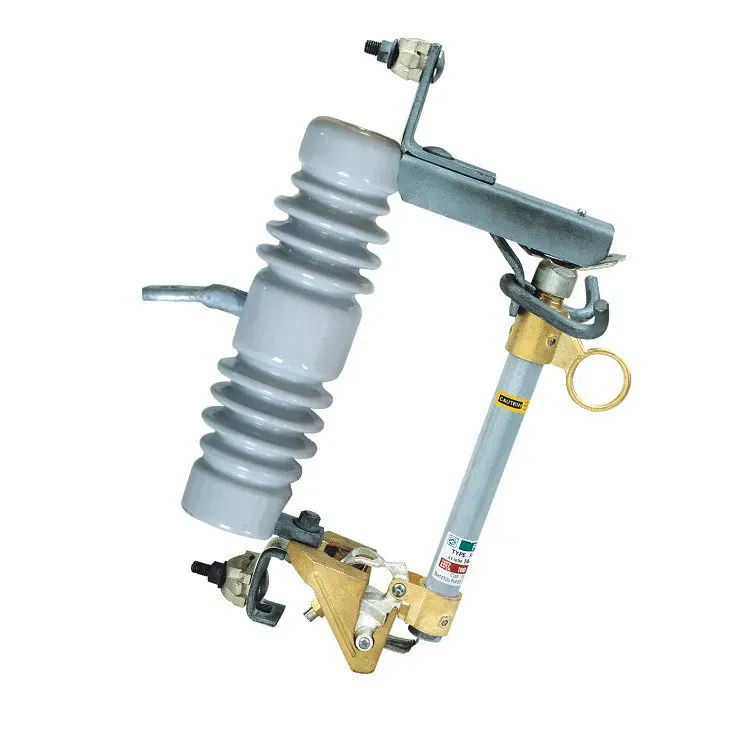
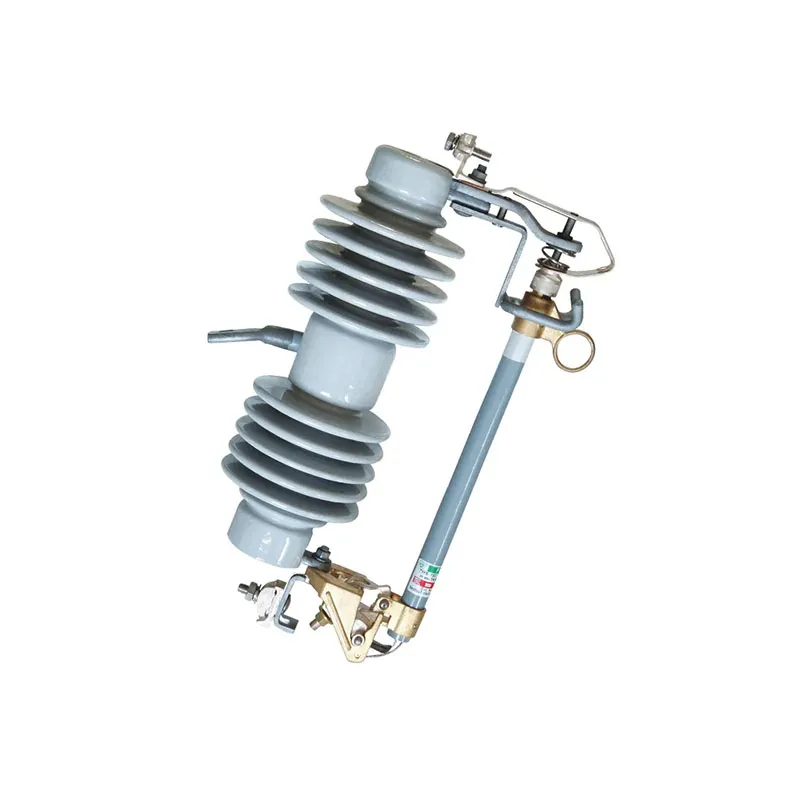
A product-family search can help the team establish vocabulary. The electrical fuse cutout portfolio is useful for that first orientation. It should not be copied into an RFQ as the complete requirement, because an RFQ also needs the project configuration, inclusion boundary, acceptance route, and exception format.
Before issuing the request, nominate one controlled technical attachment and one commercial attachment. The technical attachment carries the owner clause, drawings, and required evidence. The commercial attachment carries quantity, packing, marking, delivery, warranty, and quotation format. Giving suppliers the same controlled inputs is the first step toward a fair comparison.
| Pre-RFQ question | Buyer action | Why it prevents ambiguity |
|---|---|---|
| What is being purchased? | State the project package, equipment role, and quantity. | Prevents a catalogue family from becoming the whole scope. |
| Which document governs? | Name the owner specification, drawing, and revision. | Gives every bidder the same source of truth. |
| Who decides equivalence? | Name the technical approver and review route. | Stops commercial substitution from being treated as approved. |
| What must the quote include? | Attach a response schedule and document register. | Makes omissions visible before award. |
Part 2. Build the RFQ data pack around a controlled requirement
An effective RFQ data pack separates required inputs from supplier responses. The buyer supplies project facts and acceptance criteria. The supplier returns the exact offered SKU, a compliance response, applicable documents, and any exceptions. Do not ask the supplier to infer an incomplete requirement from a photograph, a previous order, or a generic product label.
Electrical selection belongs in the project’s engineering package. Where the buyer still needs that work, use the linked ratings and selection guide rather than expanding it here. The same boundary applies to the 15kV selection guide and 27kV voltage-class guide: link the applicable selection record in the RFQ, then ask bidders to respond against it.
Fuse-link coordination is another controlled input, not a blank field for a general quotation. If the project needs it, attach the owner requirement and use the dedicated expulsion fuse link selection guide as related reading. This article deliberately does not extend into link characteristics, time-current curves, or energization behavior.
| RFQ data-pack section | Buyer supplies | Supplier returns |
|---|---|---|
| Project definition | Package reference, quantity, application description, and document list. | Quotation tied to the same reference and revision. |
| Technical requirement | Owner clause, approved design inputs, and required configuration. | Exact offered SKU, compliance response, and declared exceptions. |
| Evidence request | Required drawing, data sheet, instructions, and requested test or quality records where applicable. | A document register with revision, issue date, and scope. |
| Commercial terms | Delivery point, packing, marking, Incoterms, warranty, and quote validity. | Price breakdown, lead time, inclusions, exclusions, and terms. |
Part 3. Record mounting and commercial interfaces without guessing
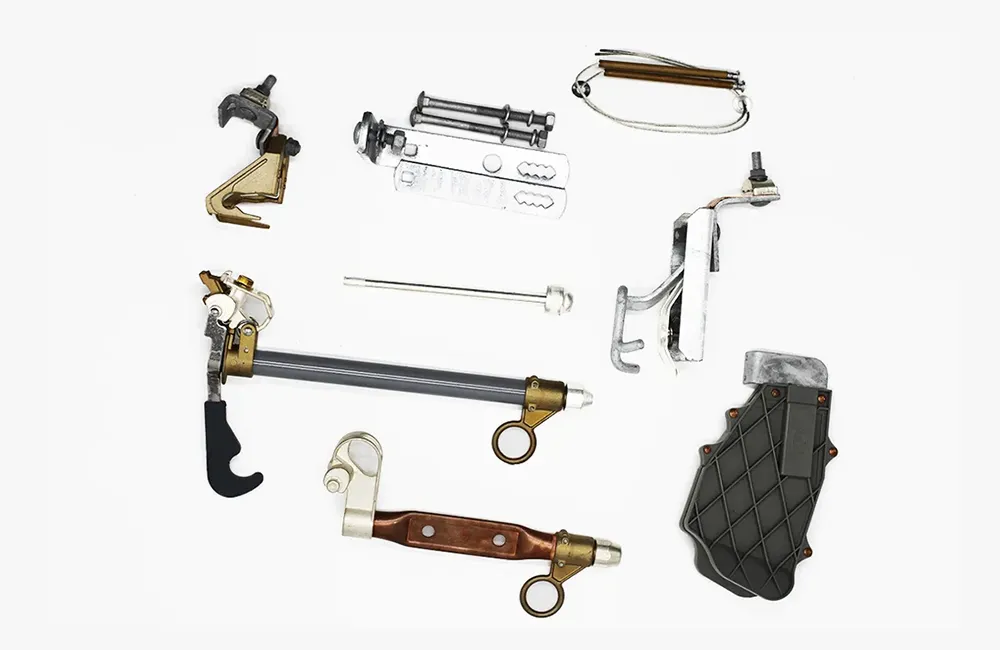
Mounting information is often the source of late clarifications because a quotation may name the main device while leaving the project interface open. Record the approved drawing reference, support arrangement, conductor connection interface, required accessories, site constraints, and whether each item is supplied, by others, or excluded. The goal is not to describe every part; it is to make the interface allocation reviewable.
For terminology around the assembly, direct readers to the overhead assembly component guide instead of turning this procurement article into a component catalogue. The overhead distribution application guide provides the parallel line-application context. In the RFQ itself, reference the project drawing and use a supplier response column for each interface.
Commercial interfaces need equal discipline. State whether the requested price includes packing, labels, documents, inspection support, spares, accessories, and delivery terms. If an item is assumed rather than explicitly included, it will be difficult to compare quotations or release a purchase order without a clarification.
| Interface item | RFQ instruction | Acceptance check |
|---|---|---|
| Mounting | Cite the approved interface drawing and revision. | Supplier identifies any mismatch or missing interface data. |
| Accessories | List each required included item separately. | Quote marks included, optional, excluded, or not applicable. |
| Documentation | Set the required format and submission stage. | Document register uses the offered SKU and correct revision. |
| Packing and marking | State project labels, packaging, and preservation needs. | Supplier confirms compliance or declares a deviation. |
Part 4. Ask for documents at the right decision gate
Document requests work best when they are timed to a decision. Asking for everything only after award weakens technical comparison. Asking for every production record with the first budget quotation can create unnecessary delay. Divide the request into quotation-stage evidence, pre-award clarifications, and release-stage submissions.
At quotation stage, request enough information to identify the offer and assess declared compliance: the offered SKU, document register, data sheet, relevant drawings, compliance matrix, exceptions, and commercial inclusions. At pre-award stage, resolve open interfaces, document revisions, and the approval path. At release stage, request the project documents and records named in the purchase order or owner specification.
| Decision gate | Documents to request | Review outcome |
|---|---|---|
| Quotation review | Offered SKU, compliance matrix, deviations schedule, document register, and commercial inclusions. | Comparable offer or clarification request. |
| Pre-award review | Updated drawings, interface responses, approved alternatives, and closed exceptions. | Technical recommendation with open risks visible. |
| Purchase-order release | Controlled submittal list, approval workflow, and required delivery documents. | Release only when the agreed basis is recorded. |
| Receipt and handover | Documents specified by the order and owner acceptance process. | Records can be checked against the delivered identification. |
A public safety rule cannot replace the owner’s project process. The OSHA electric power generation, transmission, and distribution rule is relevant as a public reminder that work controls are procedural. It does not authorize a procurement team to infer operational acceptance from a quotation or product image.
Part 5. Compare quotations with a compliance matrix
Price comparison without a compliance matrix rewards ambiguity. A matrix converts each requirement into a response that can be marked compliant, deviating, excluded, optional, or not applicable. It should also identify the document that supports the response, not merely repeat “complies.”
Use one row per material requirement and one row per commercial inclusion. A supplier should state a precise exception against the affected row, with a proposed alternative and document reference. An unqualified “as per standard” response is not enough when the project includes a drawing, mounting interface, marking instruction, or requested evidence.
| Matrix column | Why it matters | Example reviewer question |
|---|---|---|
| Requirement ID | Connects the response to one controlled source. | Which owner clause or drawing note is addressed? |
| Supplier response | Shows compliance, deviation, exclusion, option, or not applicable. | Is the response explicit enough to evaluate? |
| Evidence reference | Links the answer to a document and revision. | Does the cited document identify the offered SKU? |
| Buyer disposition | Records accepted, rejected, clarified, or pending. | Who owns the next action and due date? |
The NEMA product-group scope places distribution cutouts and related accessories within a high-voltage product category. That category context is helpful, but it is not proof that an offered line item or document set meets a project requirement. The matrix remains the acceptance record.
Part 6. Control revisions, exceptions, and release ownership
Revision control prevents a technically acceptable quotation from drifting after clarification. Keep one RFQ revision, one response deadline, and one list of bidder questions. When an input changes, issue a numbered addendum to every bidder rather than resolving the change privately with a single supplier.
Exceptions need the same ownership as technical answers. Each exception should identify the requirement, reason, impact, proposed alternative, supporting document, and approver. Close it by acceptance, rejection, or a revised requirement. Do not bury an unresolved exception in a catalogue attachment or commercial note.
Before release, check identity across the quotation, compliance matrix, data sheet, drawing, and document register. If the offered SKU or revision changes, repeat the affected review. This is especially important where an accessory, mounting arrangement, or evidence record is configuration-specific.
Part 7. Use product pages as quote context, not approval evidence
The FSC-18-2 Drop Out Fuse Cutout page gives buyers a concrete FUERTE destination for a quotation request. Use it after the RFQ data pack identifies the project need, required configuration, and document evidence. It is not a universal match and does not replace an approved project requirement.
For this SKU, ask the supplier to confirm the exact offered configuration, the current document set, the mounting and accessory scope, and every declared exception. Keep the product page, quotation, compliance matrix, and supplier documents aligned to the same identity. If the project needs a certification, test record, or specification value, request it through the defined evidence path and evaluate it against the owner requirement.
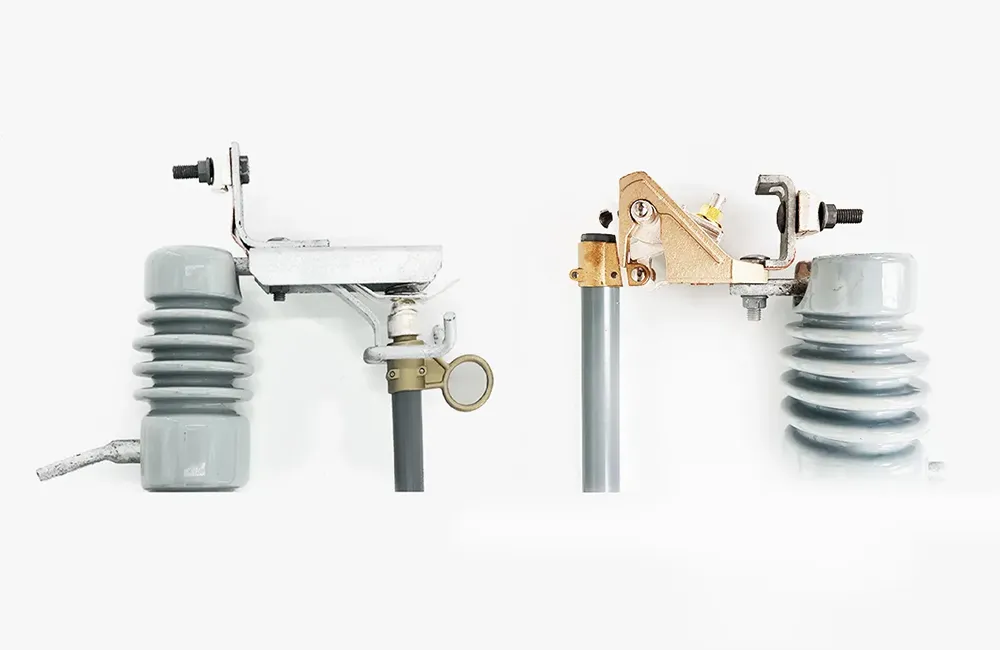
Fit boundary
This quote-context example suits a buyer who has a controlled RFQ, an exact application, and a defined document-review route. It is not suitable as a default recommendation for an undefined requirement, a missing mounting interface, an unapproved substitution, or an offer without an auditable deviations schedule.
Send the project reference, controlled requirement, drawings, document register, and response matrix through send the RFQ data pack. That lets the supplier respond to the actual procurement decision rather than to an assumed catalogue request.
FAQ
What belongs in an electrical fuse cutout RFQ?
Include the project reference, quantity, controlled technical requirement, mounting interface, required documents, exact-SKU response, commercial terms, compliance matrix, and deviations schedule.
Which documents should arrive with the quotation?
Request documents needed to identify and assess the offer: the offered SKU, document register, relevant data sheet and drawing, compliance response, exceptions, and commercial inclusions. The owner specification determines any additional evidence.
How should utilities compare electrical fuse cutout quotations?
Compare each offer against the same requirement matrix. Review price only after scope, document identity, included accessories, deviations, and commercial terms are visible row by row.
What mounting information should be requested?
Provide the approved interface drawing, support arrangement, connection interface, required accessories, and site constraints. Ask the supplier to identify every assumption, mismatch, and exclusion.
Why require a compliance and deviations schedule?
It converts broad claims into traceable responses. Reviewers can see which requirements are met, which are changed, and which document supports each answer.
When should drawing revisions be frozen?
Freeze the controlled drawing basis before purchase-order release. Any later change to the offered SKU, accessory set, or interface should trigger a review of the affected quotation and documents.
What proves the exact quoted SKU?
The quotation, compliance matrix, document register, data sheet, drawings, and any requested evidence should identify the same offered SKU and revision. A family image or general catalogue title is not sufficient.
Can a product page replace approval documents?
No. A product page provides useful quote context, but project approval depends on the owner requirement, the offered configuration, the requested evidence, and the documented review decision.
References
- Expulsion-fuse scope: IEC 60282-2:2008
- High-voltage fuse product-category context: NEMA product-group scopes
- Work-control process reference: OSHA 1910.269
- Utility industry publication: Utility Products
- General fuse orientation: Wikipedia: Fuse