
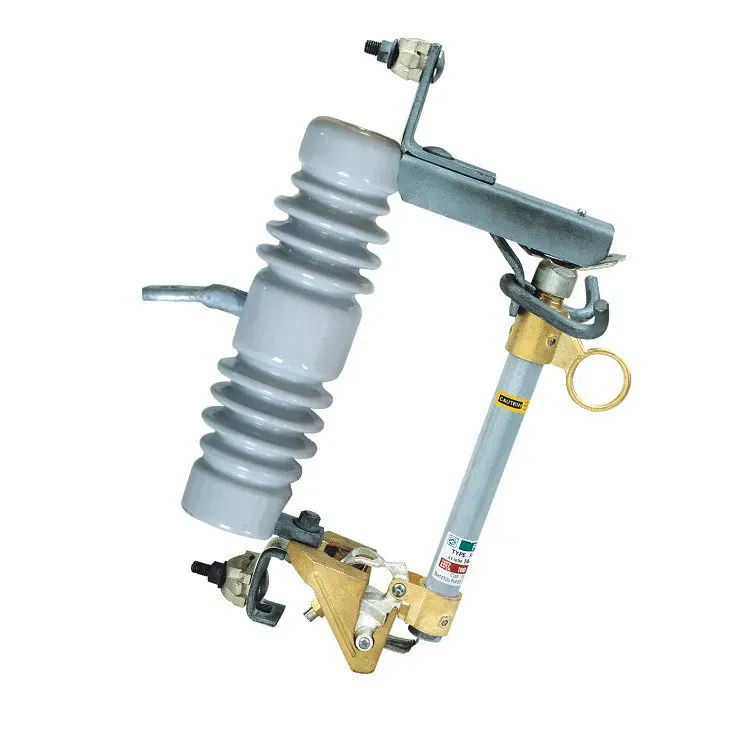
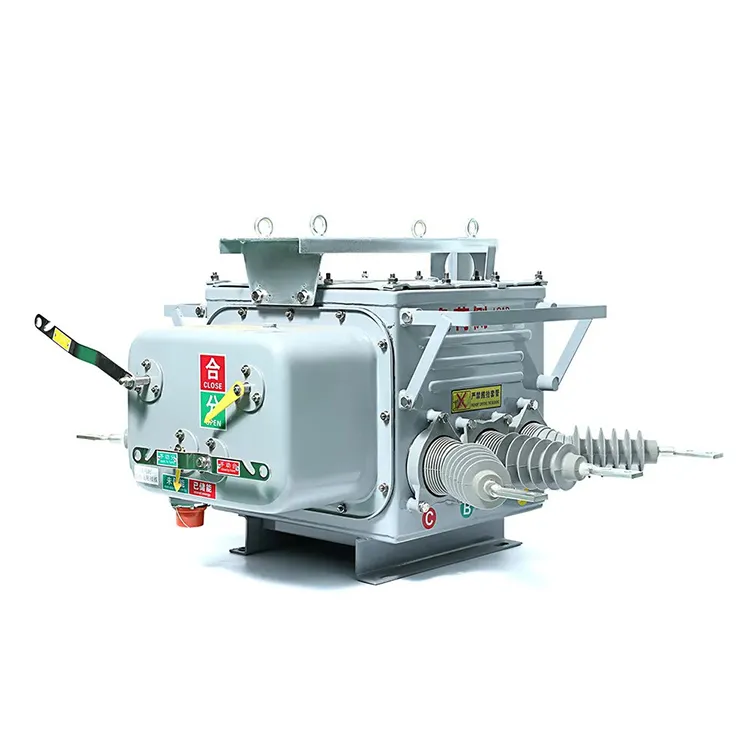
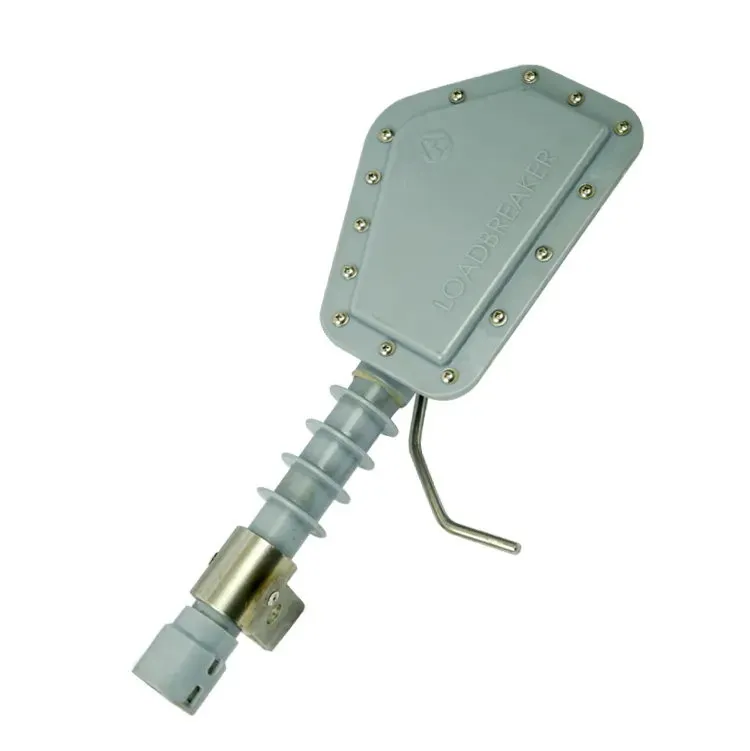


A 27kv fuse cutout quotation should begin with the approved medium-voltage system file—not a catalogue voltage band. Match nominal voltage class, insulation level (BIL and power-frequency withstand), continuous current, available fault level, and expulsion fuse link coordination to the single-line diagram and protection study before comparing SKUs on the fuse cutout product line.
Voltage class names the problem space; it does not close the specification. For how to read cutout nameplate labels and family-table columns, use the sibling fuse cutout ratings and selection guide instead of repeating that matrix here.
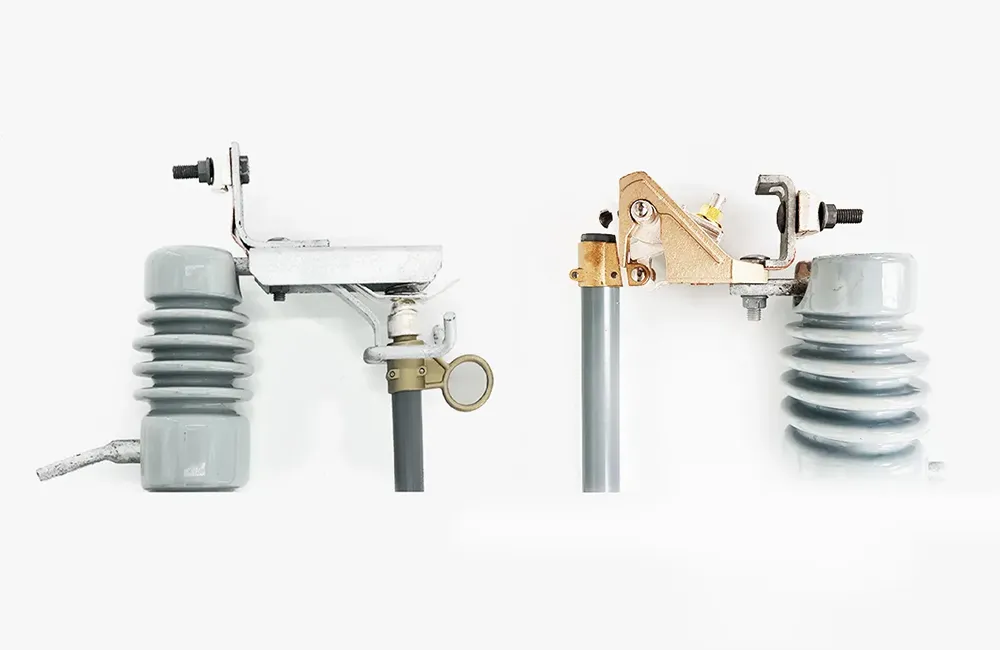
Summary: A 27 kV fuse cutout is selected from the feeder study, not from the voltage label alone. Confirm the owner-approved voltage class, BIL, continuous current, available fault current at the installation point, fuse-link coordination, and the documents required for acceptance. IEEE C37.41, IEEE C37.42, and IEC 60282-2 provide the equipment framework; the project study decides whether a particular SKU fits.
Why is voltage class only the starting point for 27 kV cutout selection?
Medium-voltage overhead networks carry a nominal voltage class and an equipment insulation level that may differ from export catalogue headers. Owners may operate at 24 kV line-to-line while specifying 27 kV class equipment—or the reverse—depending on insulation coordination and legacy naming. A fuse cutout must remain coordinated with upstream breakers or reclosers, downstream transformer impedance, and the expulsion fuse link that clears the fault.
IEC 60282-2 covers fuse-switch/disconnector equipment for alternating current. Use it to structure the equipment request, not as proof that any catalogue row is automatically approved on your network. Buyers searching “27 kV fuse cutout” often already hold an approved class in the engineering file; the task is translating that file into cutout and fuse link inputs.
| System document | What it supplies to 27 kV cutout selection |
|---|---|
| Single-line diagram | Placement, upstream protection, downstream asset |
| Protection study / coordination notes | Fault level, fuse speed, selectivity |
| Equipment voltage class definition | Nominal and insulation levels |
| Owner standards list | Named IEC/IEEE or utility equivalents |
Important: A catalogue “27 kV” label does not replace the owner-approved voltage class and insulation level. Source context: IEEE C37.41 distribution cutout scope.
How does 27 kV feeder context change the matching inputs?
At 27 kV class, feeders often span longer segments, carry higher fault contributions from substation buses, and serve mixed transformer and lateral loads. Protection placement still drives continuous current and fuse speed even when the insulator voltage class sits in the 24 kV / 27 kV band. Transformer bays see inrush and through-fault duty that lateral taps on the same class may not share.
For operating sequence and visible drop-out behavior, see how a fuse cutout works. When the project sits at a lower nominal class, the matching checklist is similar but the duty numbers differ—see the sibling article on 15 kV fuse cutout selection inputs without repeating that distribution framing here.
Feeder-specific questions
- Substation exit: What is maximum available fault current at the first pole under parallel-feed switching states?
- Long rural segment: Does recloser coordination require a slower fuse link than an urban tap on the same voltage class?
- Transformer primary: What continuous load, energization inrush, and through-fault duty appear at the cutout?
- Material choice: Has the owner fixed porcelain versus polymer before SKU shortlisting?
Which voltage, BIL, and current inputs must align at 27 kV class?
Insulation coordination drives impulse withstand, power-frequency withstand, and creepage. Continuous current drives the cutout base rating and fuse link amp selection. Published FUERTE family tables list higher-voltage porcelain rows in the 15–27 kV band—confirm the exact SKU row rather than assuming every “27 kV” cutout shares one BIL figure.

The FSC-12-1 drop-out fuse cutout product page illustrates how a single SKU can publish 15–27 kV class, 100/200/300 A continuous options, 125 kV impulse to earth, 140 kV phase-to-phase impulse, 45 kV power-frequency withstand to earth, 50 kV phase-to-phase power-frequency withstand, 320 mm creepage, and 8 kA breaking current on that page only. Do not generalize those figures to polymer HFSC units or other FSC-12 family members.
| Input | Buyer action | Common error at 27 kV class |
|---|---|---|
| Nominal / equipment voltage class | Copy from owner diagram and insulation specification | Using export marketing voltage only |
| BIL / impulse withstand | Require values on offered datasheet for the SKU | Assuming one impulse rating covers every 27 kV cutout |
| Power-frequency withstand | Match earth and phase-to-phase values separately | Quoting only one withstand figure |
| Continuous current | Size to load plus applicable diversity rules | Picking 100 A because it is catalogued |
| Creepage / leakage distance | Compare to environment class | Ignoring pollution when selecting class |
Where insulator material also matters, complete the trade-off review in porcelain vs polymer fuse cutouts after duty class is fixed.
How should available fault level drive cutout and fuse link choice?
Interrupting duty must exceed the maximum fault current the cutout and fuse link pair can see at the installation point, including parallel feeds and temporary switching configurations noted in the study. The published FSC-12-1 page lists 8 kA breaking current for that model—treat it as an example of how one SKU expresses interrupting capability, not as the 27 kV class default for all cutouts.
Expulsion fuse links limit what the assembly can interrupt in practice. A cutout nameplate interrupting label does not remove the need to match link type, speed, and manufacturer pairing rules. When fault levels approach table limits, escalate to engineering review with the study file rather than extrapolating from a neighbouring feeder.
| Fault study output | Cutout/fuse action |
|---|---|
| Maximum available kA at location | Select cutout + link pair with verified interrupting capability |
| Selectivity requirement with recloser | Choose fuse speed/class per coordination plot |
| Temporary parallel operation | Re-run fault level for switching state |
| Growth margin | Document whether spare interrupting margin is required |
Tip: Attach the fault calculation excerpt for the actual cutout location—not a generic substation bus fault—to the RFQ. Source context: IEEE C37.42 cutout fuse specification scope.
What coordination data belongs in the same specification file?
Cutout selection fails in service when the fuse link is treated as an accessory. Include link amp rating, speed, material class, and manufacturer pairing rules in the same specification bundle as the cutout. The expulsion fuse link selection guide covers link-specific inputs including curve families; this article stays on the cutout/system interface and does not expand K/T/TCC plotting here.
Coordination also includes mounting hardware: bracket type, arcing rod, conductor termination orientation, and any owner rule for visible open gap. These mechanical choices affect interchangeability on poles already built to a utility standard.
Coordination bundle
- Cutout SKU with verified voltage, continuous, and interrupting data.
- Matched expulsion fuse link type/size and speed class.
- Upstream device curves (recloser, breaker) showing selectivity intent.
- Single-line diagram snippet with fault levels annotated at the cutout node.
- Any owner rule for visible isolation and grounding practices.
Which documents prove a match to the 27 kV system study?
Procurement should require traceability from system inputs to the offered datasheet and test records. Minimum expectations for a 27 kV class overhead project typically include outline drawings, rating table rows, and test reports applicable to the procured model under the contract standard list.
Do not accept a family-table screenshot as the sole engineering record when the owner requires type tests or routine tests for the exact SKU. When material choice remains open, complete the insulator trade-off review in porcelain vs polymer fuse cutouts before issuing the purchase order.
| Document | Proves |
|---|---|
| Outline drawing | Dimensions, creepage, clearances, bracket interface |
| Rating table row for SKU | Voltage class, continuous current, BIL, interrupting |
| Test reports | Named tests under contract standards |
| Fuse link datasheet | Coordination with cutout family |
| Deviation log | Any exception to owner specification |
What should a 27 kV fuse cutout RFQ include?
Use the RFQ to force bidders to respond against the same system file. When the documented duty aligns with a published porcelain SKU in the 15–27 kV band, the FSC-12-1 drop-out fuse cutout page can anchor a model-specific quotation discussion—only with the parameters listed on that product page.
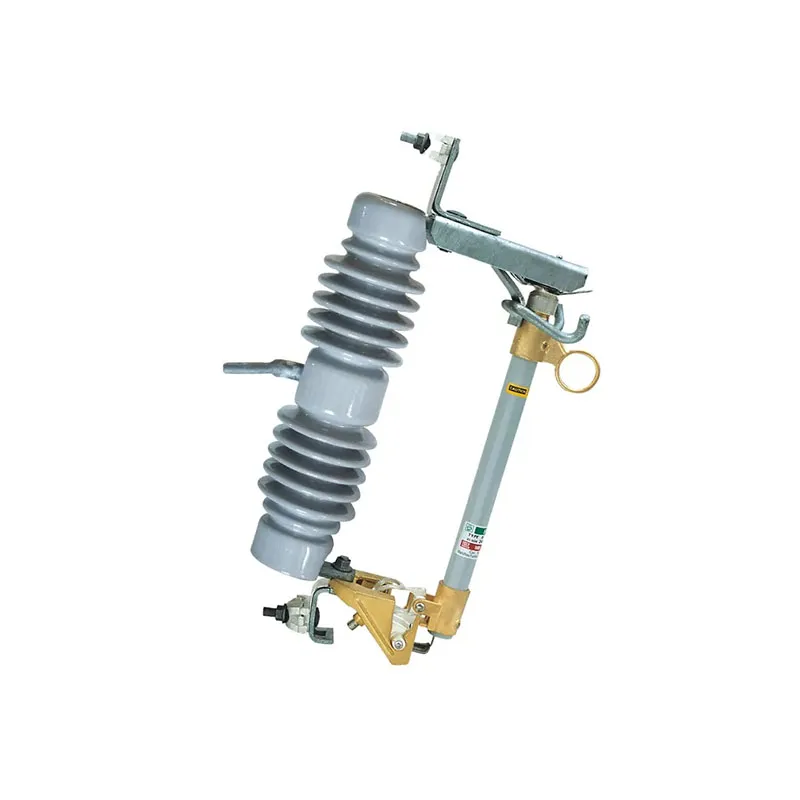
RFQ input list
| Buyer should provide | Why it matters | Example | Common mistake |
|---|---|---|---|
| Single-line diagram excerpt | Shows placement and upstream/downstream devices | Substation exit cutout on 27 kV class feeder | RFQ with no location context |
| Nominal voltage / equipment class | Sets insulation coordination | 27 kV class equipment on 24 kV operating point | Marketing voltage only |
| Continuous load current | Sizes base and link | 180 A continuous transformer load | Using fuse link amp as continuous rating |
| Maximum available fault current | Sizes interrupting duty | 7.2 kA at cutout location | Substation bus fault copied incorrectly |
| Coordination notes | Preserves selectivity | Recloser curve plot | Omitting recloser segment |
| Insulator material preference | Narrows SKU families if decided | Porcelain FSC vs polymer HFSC | Material debate before duty is known |
| Standards and tests required | Enables bid comparison | IEC 60282-2 plus owner supplement | Standard named without test list |
| Delivery and bracket specification | Avoids field mismatch | Specified bracket, arcing rod included | Bracket omitted |
When is a FUERTE enquiry appropriate?
FUERTE is appropriate when the buyer has the Part 7 RFQ bundle and needs a model-specific quotation on verified pages. Start from the fuse cutout product line, then narrow to the FSC-12-1 drop-out fuse cutout only when that SKU matches the documented duty—remember its published 15–27 kV class, 125 kV impulse to earth, and 8 kA breaking current apply to that product page alone.
Fit Boundary: No product page replaces the owner engineering study. HFSC polymer SKUs, other FSC-12 family members, and higher-voltage porcelain models require their own datasheet rows. FSC-12-1 parameters must not be generalized across the 27 kV class.
Next step: submit the system file through request a fuse cutout quotation with fault levels, coordination notes, and required test documents attached.
FAQ
How do I select a 27 kV fuse cutout for overhead lines?
Start from the single-line diagram and protection study: define placement, voltage class, continuous current, fault level, and fuse link coordination. Compare SKUs only after those inputs are documented.
Does a catalogue 27 kV label match my system automatically?
No. Export catalogues use convenient voltage bands. The owner-approved equipment class and insulation level from the system specification must match the offered cutout ratings.
What BIL belongs in a 27 kV class cutout request?
Require the impulse withstand values stated on the offered SKU datasheet. Example: the published FSC-12-1 page lists 125 kV impulse to earth and 140 kV phase-to-phase impulse for that model only—other SKUs may differ.
How does continuous current affect 27 kV cutout selection?
Continuous current sizes the cutout base and fuse link amp rating for normal load. It is separate from interrupting duty, which must cover fault current at the installation point.
What fault level must the cutout interrupt on a 27 kV feeder?
It must interrupt the maximum fault current calculated at the cutout location for the switching states the owner defines, with an approved fuse link pairing. Use study excerpts, not generic substation values.
How does 27 kV selection differ from 15 kV cutout matching?
The matching workflow is similar—system class, BIL, continuous current, fault level, and coordination—but duty numbers and feeder context differ. Use the 15 kV sibling article for lower-class inputs; this article stays on 27 kV class overhead lines.
Which documents should prove system matching?
Outline drawings, SKU rating rows, applicable test reports, fuse link datasheets, and any deviation log tied to the owner specification prove matching—not catalogue marketing alone.
When should 27 kV selection go to engineering review?
Escalate when fault levels approach published interrupting limits, selectivity is unclear, parallel feeds change duty, or the owner requires formal coordination sign-off before procurement.
What does “27 kV” mean on a fuse cutout nameplate?
It identifies a voltage class or application range; it does not by itself state the complete insulation, continuous-current, interrupting, or fuse-link duty. Read the exact SKU row and compare it with the owner-approved system file.
Are 27 kV fuse cutouts interchangeable between manufacturers?
Not automatically. Mounting geometry, terminal arrangement, fuse tube, ratings, accessories, and tested link combinations can differ even when the catalogue voltage class is similar. Require an approved dimensional and electrical substitution review before treating another family as a replacement.
What does a 27 kV fuse cutout protect?
It provides overcurrent protection and a visible dropout point for the connected overhead equipment when paired with the correct fuse link. The protection boundary still depends on the feeder study, upstream devices, and the fault duty at the cutout location.
References
- Fuse-switch/disconnector equipment scope: IEC 60282-2
- Distribution cutout and fuse-switch scope: IEEE C37.41
- Cutout fuse specification scope: IEEE C37.42
- NEMA standards directory: NEMA standards hub
- Overhead distribution systems context: Utility Products overhead distribution overview
- Electrical insulator fundamentals: Wikipedia insulator overview
- Overhead line work safety scope: OSHA 1910.269