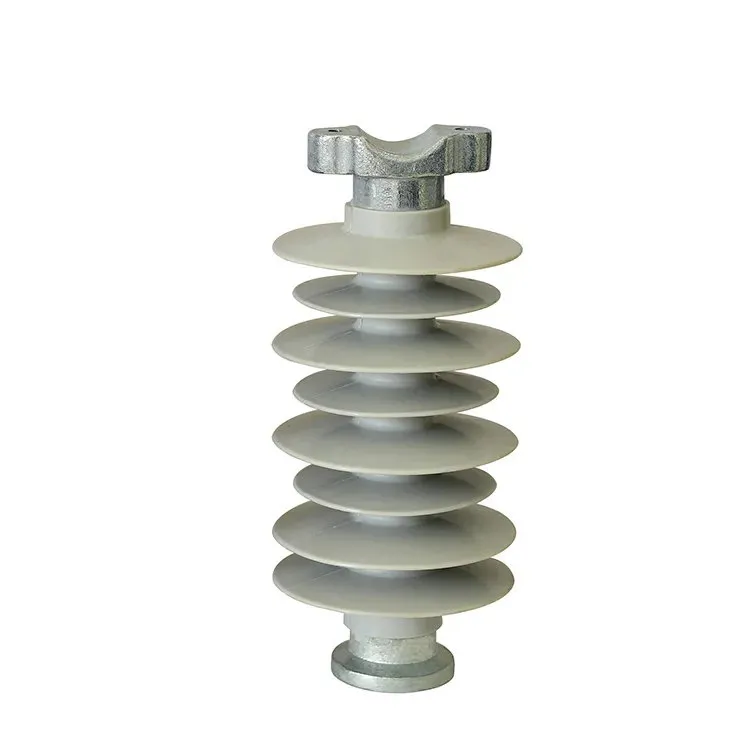
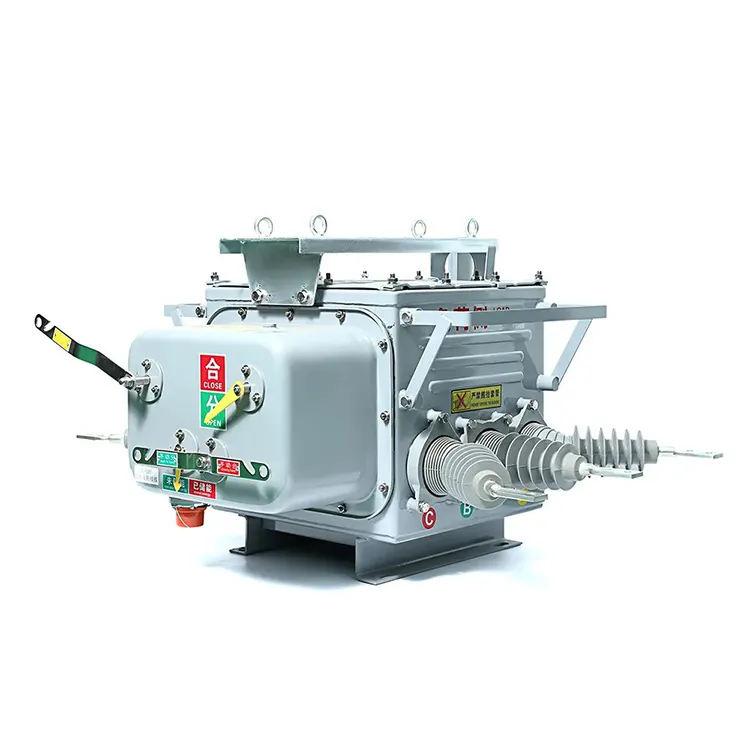
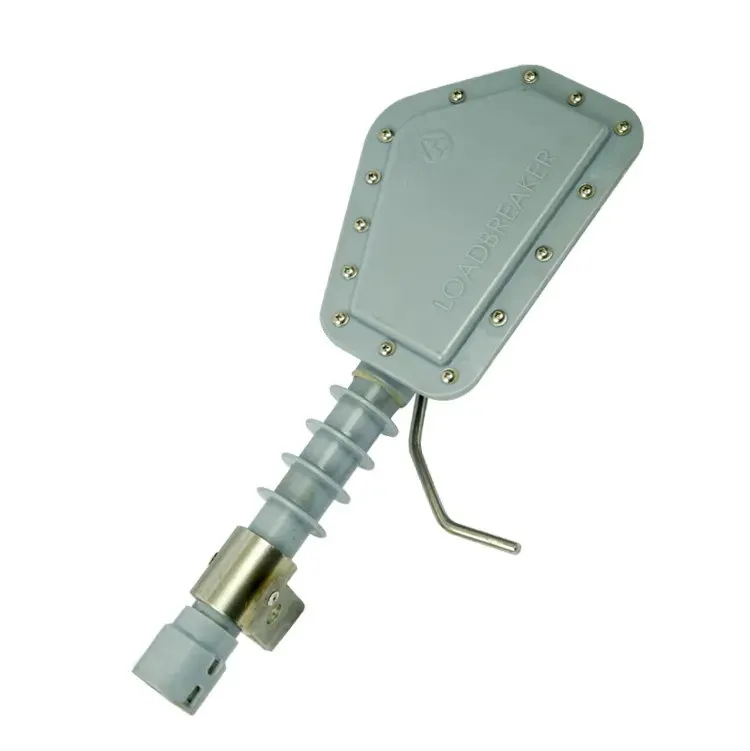


The same voltage label can appear in different network contexts, so it is a weak starting point for deciding whether a circuit is transmission or distribution. A buyer who selects equipment from that label alone can miss fault duty, grounding conditions or the way the circuit is operated. The useful distinction is the circuit’s role: transferring power between major system points or delivering it through a local network to loads. Substations connect those roles and often change voltage along the way. Understanding that sequence makes equipment specifications clearer without pretending that every country uses the same voltage boundaries or network terminology.
Power transmission generally moves bulk electrical power over the interconnected network; electric power distribution supplies downstream loads through local circuits. Transmission commonly uses higher voltages to reduce current for a given power transfer, while voltage is reduced as supply moves toward consumers. A distribution substation is one of the interfaces between these network levels. Its equipment still needs specific load, fault and environmental data. The Energy Information Administration describes this delivery chain, but its overview is not a universal classification rule: the applicable utility and standards define the voltage classes and duties for an actual project.
What separates transmission from distribution?
EIA’s electricity delivery explanation describes the progression from generation through high-voltage transmission to lower-voltage delivery. The distinction concerns network purpose as well as voltage. Industrial consumers, embedded generation and regional network arrangements can create boundaries that do not fit a simple diagram.
| Question | Transmission | Distribution |
|---|---|---|
| What is the main role? | Transfer power between major network points | Deliver electricity through local networks to connected loads |
| How is voltage generally used? | Higher voltage for bulk transfer | Voltage levels suited to local delivery and utilization |
| What circuits are involved? | Interconnecting lines and substations | Feeders, local transformers and service connections |
| What sets the exact boundary? | The utility, jurisdiction, applicable standards and network function | |
A distribution substation should therefore be identified by its actual connections and function. It may supply several feeders with different loads and operating arrangements. Calling all of them ‘distribution’ does not make their equipment duties identical.
Why does the system use different voltage levels?
For a given power transfer under otherwise equivalent conditions, higher voltage allows lower current. Because conductor resistive loss depends on I²R, that can reduce line losses. The system still needs insulation, clearances and equipment appropriate to the chosen voltage, so voltage is an engineering and economic decision rather than a value to maximize without limit.
OpenStax explains conductor resistance in terms of material and geometry. The related conductivity and resistivity guide explains why line material and dimensions still matter after the network voltage has been chosen.
Transformers change voltage at suitable points in the delivery chain. A substation may step down voltage for distribution, while a local distribution transformer supplies a further reduction near consumers. The actual sequence depends on the network; not every load is supplied through an identical number of transformations.
Why does voltage class not describe every duty?
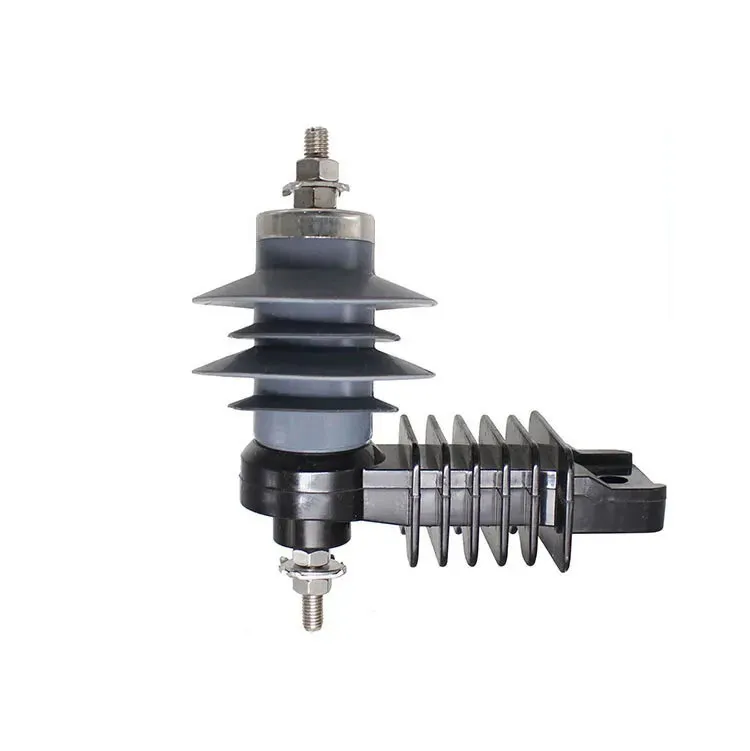
Voltage class does not specify continuous current, fault interruption, short-time withstand, mechanical load or environmental suitability. Two components intended for the same nominal network voltage can have different responsibilities. An insulator supports and separates conductive parts; a breaker has switching and interruption duties; an arrester addresses particular overvoltage conditions.
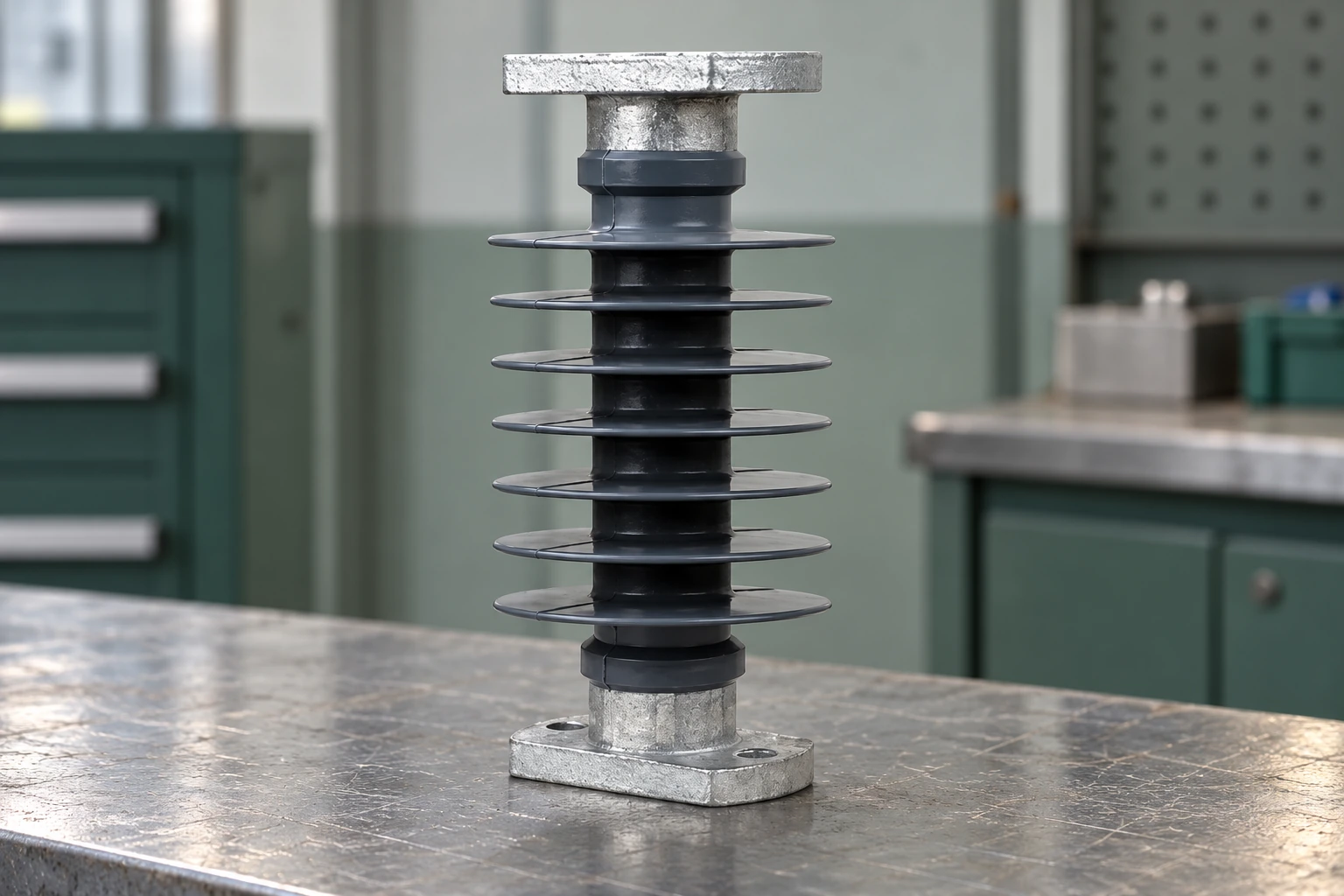
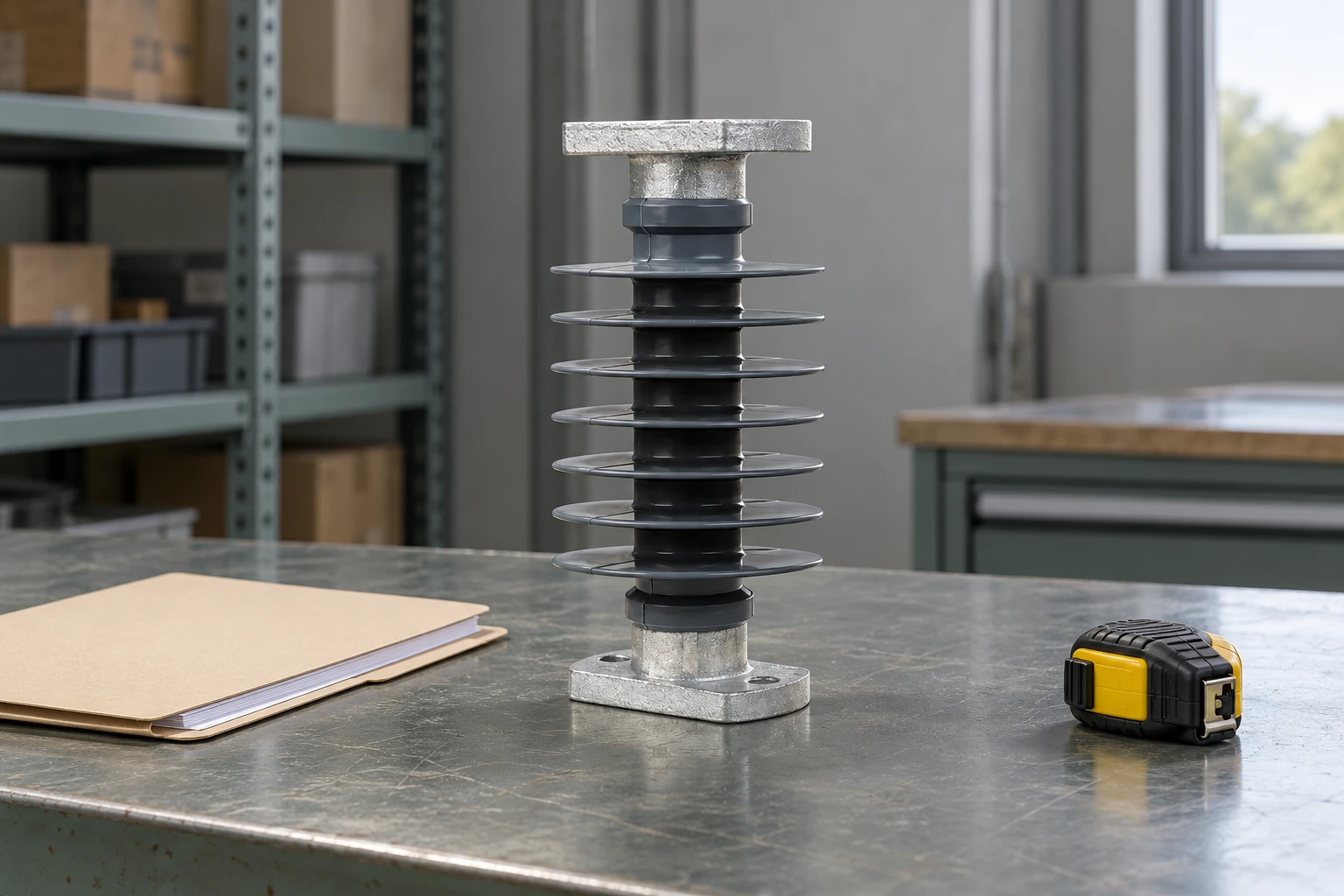
The referenced insulator illustrates a physical distribution component. Its exterior does not establish its suitability for a particular pollution condition, mechanical duty or network voltage. Those decisions need the identified model and corresponding documentation, not a photograph of a broadly similar part.
Can generation feed into a distribution network?
Yes. Generation can connect at distribution level, subject to the relevant connection requirements. Where it does, power flow and protection studies must account for the connection rather than assuming that every feeder always carries power in one direction from the upstream substation. The amount and direction of flow depend on generation, demand and network operation.
The US Department of Energy’s interconnection overview explains how electrical systems are connected. A specific distributed-generation project still needs its own utility-approved studies and settings. The presence of generation alone does not establish an acceptable protection scheme or an equipment rating.
Which network data should accompany an equipment enquiry?
| Input | Why the supplier needs it | Incomplete substitute to avoid |
|---|---|---|
| Nominal voltage and applicable equipment class | Establishes the intended electrical system | Only the words ‘medium voltage’ |
| Normal and contingency load | Supports continuous-current and duty assessment | Only the present-day average demand |
| Maximum and relevant minimum fault conditions | Supports equipment-duty and protection studies | A breaker value copied from a nearby project |
| Grounding and protection arrangement | Identifies system behaviour and coordination needs | Assuming all feeders use the same scheme |
| Environment and physical interface | Establishes installation and service constraints | A product photograph without mounting information |
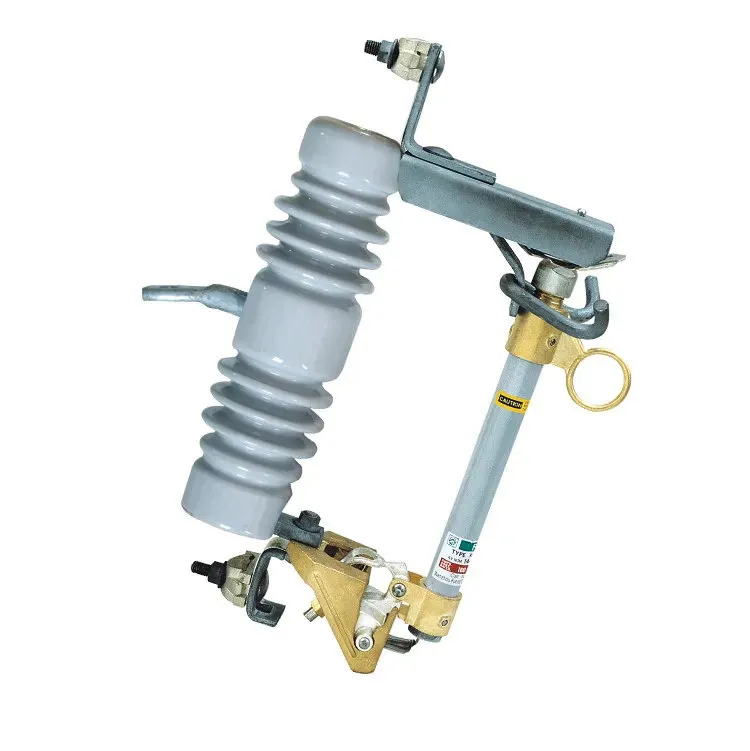
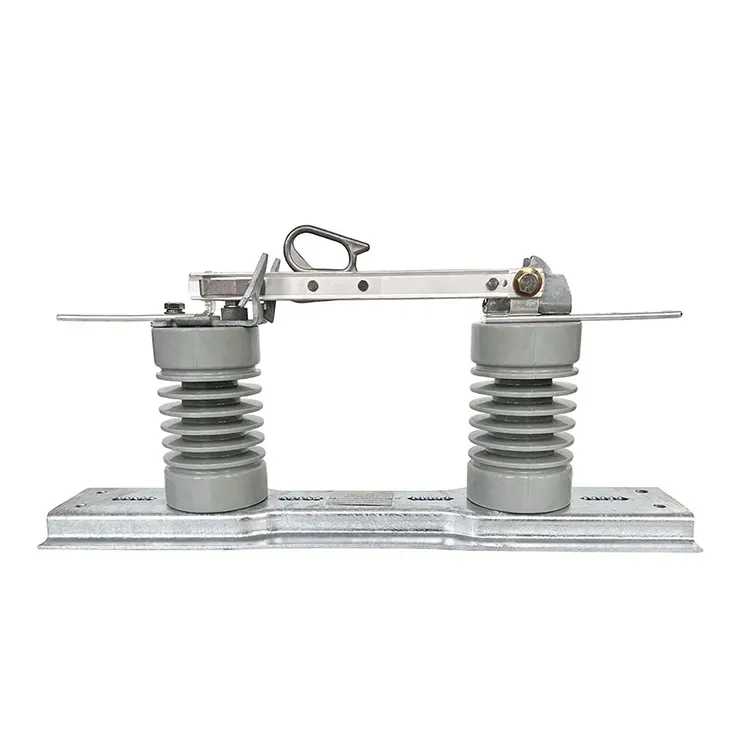
The practical next step for switching equipment is a distribution disconnector selection review based on the intended duty. Do not assume an isolation device is suitable for interrupting load or fault current.
For US workplace installations, 29 CFR 1910.303 requires sufficient interrupting rating for the available current where equipment is intended to interrupt fault current. That requirement illustrates why system data must precede equipment selection. It does not replace the project’s applicable utility rules or product standards.
Frequently asked questions
What is the difference between transmission and distribution?
Transmission primarily transfers bulk power between major network points, while distribution delivers it through local circuits to connected loads. Voltage is an important feature, but the exact boundary depends on the network and jurisdiction.
Why does a power system use different voltage levels?
Higher voltage can reduce current for a given power transfer and thereby reduce resistive line losses. Voltage is then transformed to levels appropriate for local delivery and use, subject to the insulation and equipment requirements at each level.
What does a distribution substation do?
It supplies downstream distribution circuits and may transform voltage from an upstream network. Its switching, measurement and protection arrangement depends on the feeders and the utility’s operating requirements.
Where is voltage stepped down for consumers?
Voltage can be reduced at several points, including substations and local distribution transformers. The final arrangement depends on the network and the consumer’s connection requirements.
How do distribution feeders differ from transmission lines?
A distribution feeder serves a local network of loads and associated equipment. A transmission line generally transfers bulk power between major system points, although terminology and boundaries vary.
Can generation connect to a distribution network?
Yes, subject to the applicable connection rules. The connection must be considered in load-flow, fault and protection studies rather than assuming that the feeder always operates with one-way power flow.
Why do voltage definitions depend on the applicable standard?
Standards, utilities and jurisdictions use defined terms for their own purposes. A project should state its nominal system voltage and required equipment class explicitly rather than relying on a broad label alone.
Which network data affect the selection of distribution equipment?
Relevant inputs include voltage, normal and contingency load, fault conditions, grounding, protection requirements and environment. Physical interfaces and future network changes also need to be defined.
References
Sources checked on 2 November 2026.
- US Energy Information Administration — Delivery of electricity to consumers
- OpenStax, University Physics Volume 2, §9.3 — Resistivity and Resistance
- US Department of Energy — Learn More About Interconnections
- 29 CFR 1910.303 — Electrical installation requirements (Cornell LII)
Summary
Transmission and distribution describe different jobs within a connected power system. Their voltage levels support those jobs, but a voltage label alone cannot specify a component. Begin with the network connection and the direction and amount of power it may carry, then establish load, fault and protection conditions. Match the equipment to those duties and to the physical environment before choosing a model. Where generation connects to a feeder, include it in the studies rather than relying on a simplified one-way diagram. Fuerte’s polymer insulator products form one part of distribution equipment selection. An enquiry should identify both the electrical requirement and the mechanical and environmental conditions of the intended installation.