


Two copper conductors can have different resistance without either one being made from inferior copper. One may be longer, thinner, hotter or measured through a poor connection. Confusing a material property with the resistance of a finished part can lead to the wrong purchase or an incorrect fault diagnosis. It also creates mistakes when a datasheet uses siemens per metre while a test report gives ohms. The useful comparison starts by identifying what was measured, under which conditions, and whether the result describes the material or the whole current path.
Electrical conductivity, written as sigma, describes how readily a material carries current. Resistivity, rho, describes the opposite tendency. For a homogeneous isotropic material under the same conditions, sigma = 1/rho. Their SI units are S/m and ohm-metres respectively. Resistance, R, belongs to a particular object and is measured in ohms. For a uniform conductor in the simple DC model, R = rho L/A. Temperature and geometry therefore matter even before contacts, AC effects or installation conditions are considered [1, 2].
How do conductivity, resistivity and resistance differ?
| Quantity | What it describes | SI unit | Basic relationship |
|---|---|---|---|
| Conductivity, sigma | Material response to an electric field | Siemens per metre, S/m | sigma = 1/rho |
| Resistivity, rho | Material opposition to conduction | Ohm-metre, Ω·m | rho = 1/sigma |
| Resistance, R | Opposition of a specified part or path | Ohm, Ω | R = rho L/A for a uniform conductor |
| Conductance, G | Inverse resistance of a specified path | Siemens, S | G = 1/R |
The metre in S/m is essential. Conductance in siemens and conductivity in siemens per metre are not interchangeable. NIST’s SI guidance identifies the ohm and siemens as named derived units [2]. When comparing a supplier report, check the unit before comparing the number.
Also identify the direction of the measurement. Some materials conduct differently in different directions, so the simple scalar reciprocal needs qualification. For the ordinary uniform metal examples below, the isotropic approximation is sufficient. The broader distinction between conducting and insulating behavior is introduced in what an electrical insulator does.
How do length and cross-sectional area change resistance?
For unchanged material and temperature, doubling a uniform conductor’s length doubles its resistance. Doubling its cross-sectional area halves its resistance. Diameter is not area: doubling the diameter of a circular solid wire makes the area four times larger. Use the actual metallic cross section, not the outside diameter over insulation.
As an illustrative calculation, assume a uniform conductor has rho = 2.0 × 10⁻⁸ Ω·m, length 10 m and area 2.0 mm². Converting the area gives 2.0 × 10⁻⁶ m², so R = (2.0 × 10−8 × 10)/(2.0 × 10−6) = 0.10 Ω. This is a deliberately simplified example, not a specification for a particular alloy or cable.
If that path carries 5 A, the calculated DC voltage drop is 0.50 V and resistive loss is 2.5 W. A return conductor of the same length and area would double the path resistance. Connections, actual operating temperature and AC impedance are excluded from this example. Those exclusions explain why a neat material calculation cannot replace a complete circuit assessment.
What happens to conductivity when a metal gets hotter?
For common metals over a moderate temperature range, resistivity usually rises with temperature and conductivity falls. A common approximation is rho(T) = rho(T0)[1 + alpha(T − T0)]. The coefficient alpha belongs to the specified material and reference conditions, not every metal. OpenStax describes both the approximation and its limits [1].
Using an assumed coefficient of 0.004 per °C solely for illustration, a 50 °C rise gives a resistance multiplier of 1.20 when dimensional change is neglected. That does not mean conductivity falls by exactly 20 percent: its multiplier becomes 1/1.20, or about 0.833. Reciprocal quantities must be recalculated rather than given the same percentage change with the sign reversed.
At a fixed current, rising resistance increases I²R heating. The practical response still depends on heat dissipation and the protection system. The site’s explanation of overload and short-circuit tripping covers the separate role of circuit protection.
What should a useful conductivity test report include?
A measurement of electrical resistance can include the specimen, contact interfaces and test leads. Low-resistance work commonly uses a four-wire arrangement to reduce lead-resistance influence, but fixture quality and temperature still need control. Do not treat an unexplained difference between two reports as proof of a material defect.
| Report item | Why it matters |
|---|---|
| Material grade and condition | Alloying and processing affect the material property |
| Temperature and correction basis | Measurements at different temperatures need a justified comparison |
| Length and metallic cross section | These are needed to infer resistivity from resistance |
| Contact and measurement method | Interfaces and leads can dominate a small measured resistance |
| DC or AC test conditions | Frequency-dependent effects are outside a simple DC calculation |
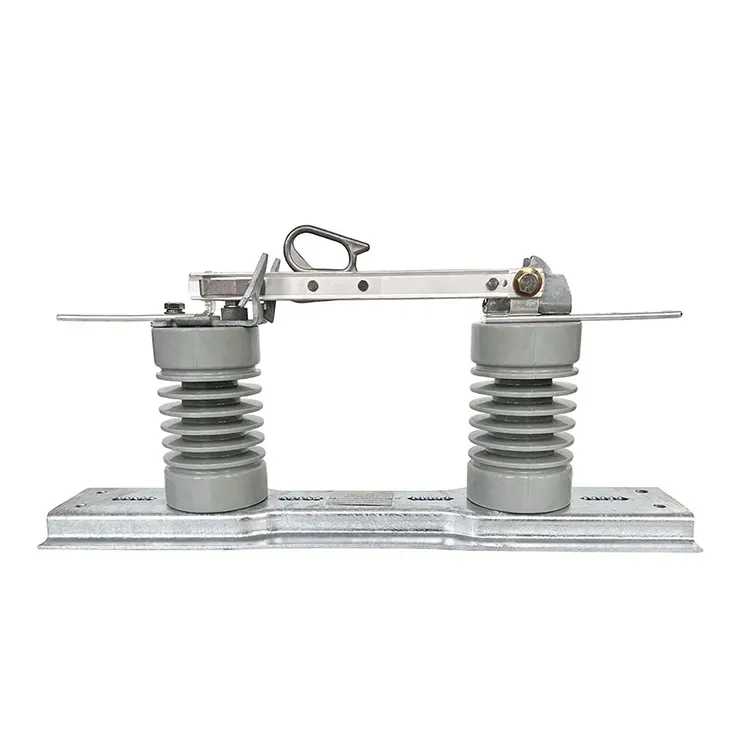
A high conductivity value does not by itself establish ampacity. Eland Cables explains that current-carrying capacity depends on conductor size, insulation and the installation’s ability to lose heat [3]. Likewise, selecting a switch requires its documented duty, not an estimate made from the apparent metal size. The disconnector selection guide separates those application requirements.
Frequently asked questions
What is electrical conductivity?
It measures how readily a material carries current in response to an electric field. In SI, conductivity is expressed in siemens per metre, with the temperature and other relevant conditions stated.
How is resistivity related to conductivity?
For the simple homogeneous isotropic case, resistivity is the reciprocal of conductivity. Use matching units and conditions before taking the reciprocal.
What units are used for conductivity and resistivity?
Conductivity uses S/m and resistivity uses Ω·m. Resistance uses Ω and conductance uses S, so the units also reveal whether the value describes a material or a particular path.
How is resistivity different from resistance?
Resistivity is a material property under stated conditions. Resistance also depends on the object’s dimensions and can include interfaces in an actual measurement.
How do length and cross-sectional area affect resistance?
In the uniform DC model, resistance increases in proportion to length and decreases in proportion to cross-sectional area. The relevant area is the metallic section carrying current, not the insulated outside area.
How does temperature affect metal conductivity?
For common metals over ordinary operating ranges, higher temperature generally means higher resistivity and lower conductivity. Use the actual material’s coefficient rather than applying a universal correction.
Why must material conductivity data specify test conditions?
Temperature, material condition, specimen geometry and measurement method can change the result or its interpretation. Without these details, values from different reports may not be comparable.
Can conductivity alone determine a conductor current rating?
No. Current rating also depends on conductor size, insulation temperature limits, connections and heat dissipation in the installation. Use the applicable cable or equipment rating method.
References
- 9.3 Resistivity and Resistance – University Physics Volume 2 | OpenStax.
- NIST Guide to the SI, Chapter 4: The Two Classes of SI Units and the SI Prefixes | NIST.
- Eland Cables: What Is Ampacity?.
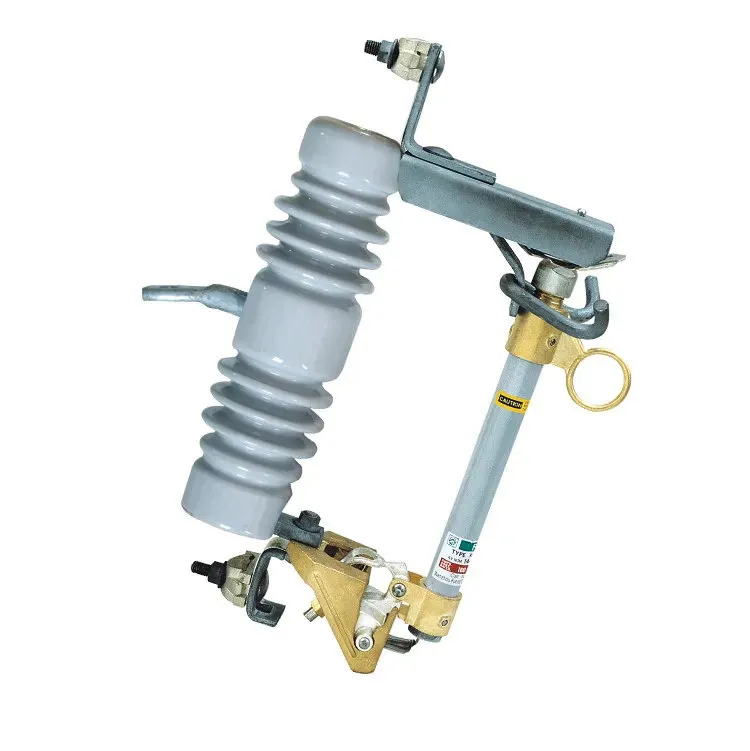
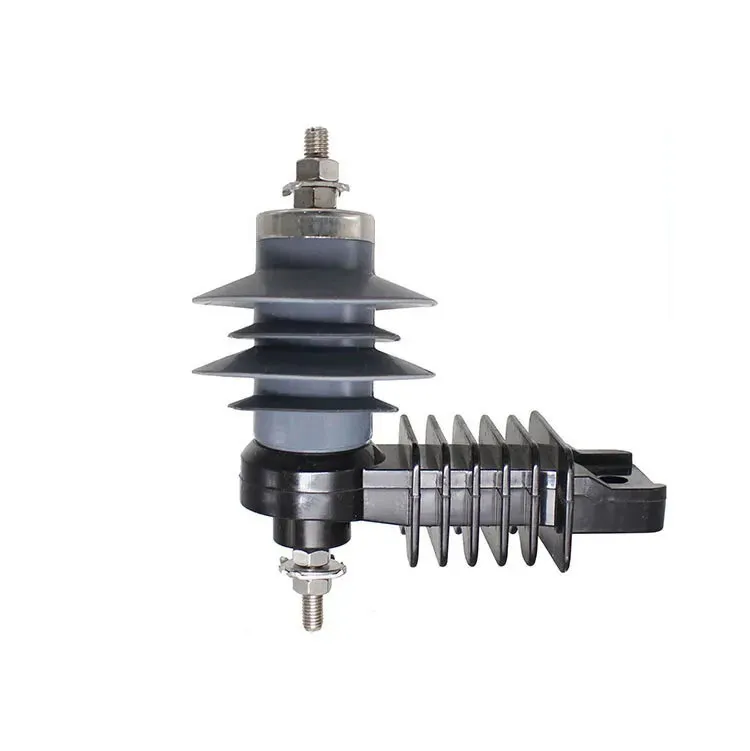
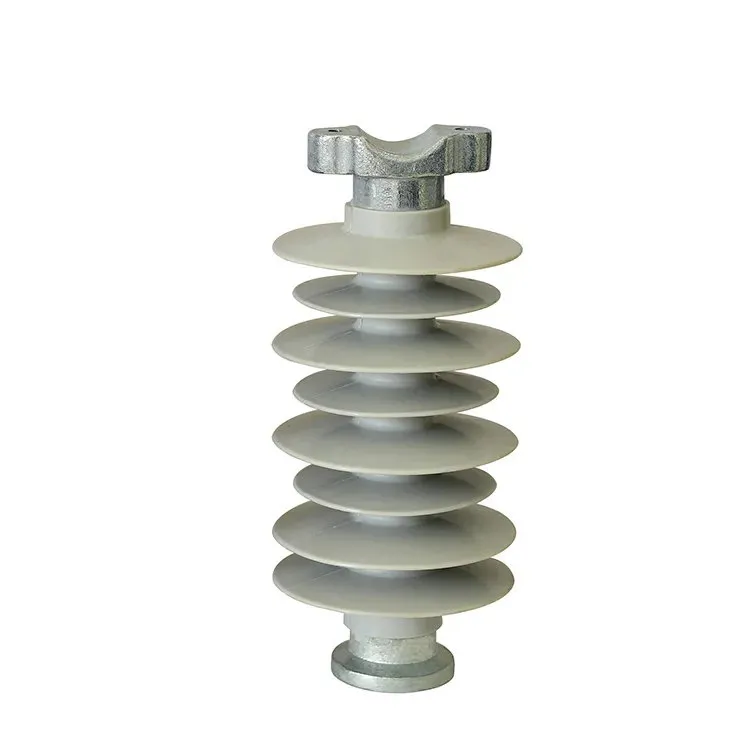
Technical sources checked on 26 October 2026. Product illustrations use official Fuerte photographs; scene backgrounds are illustrative.
Summary
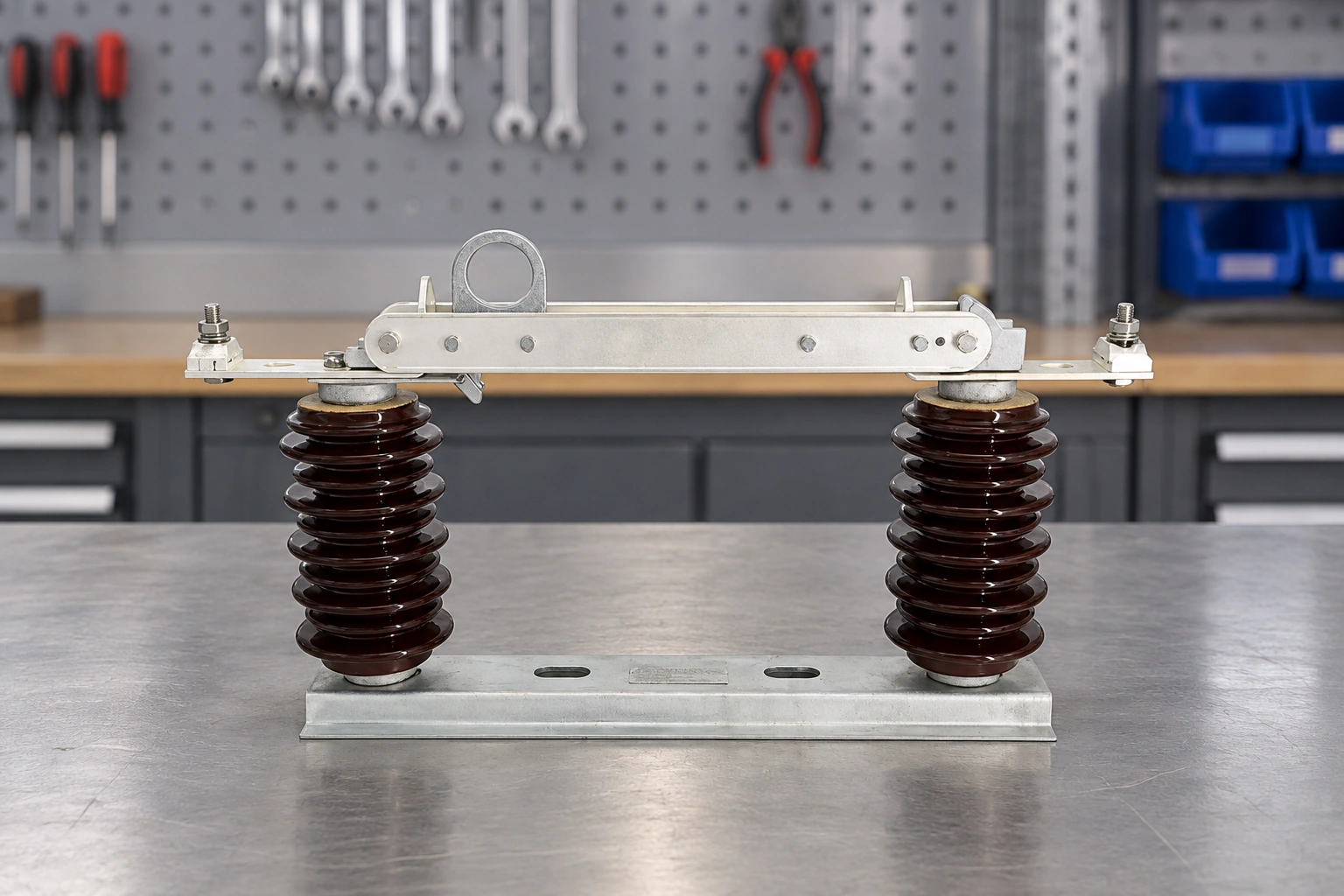
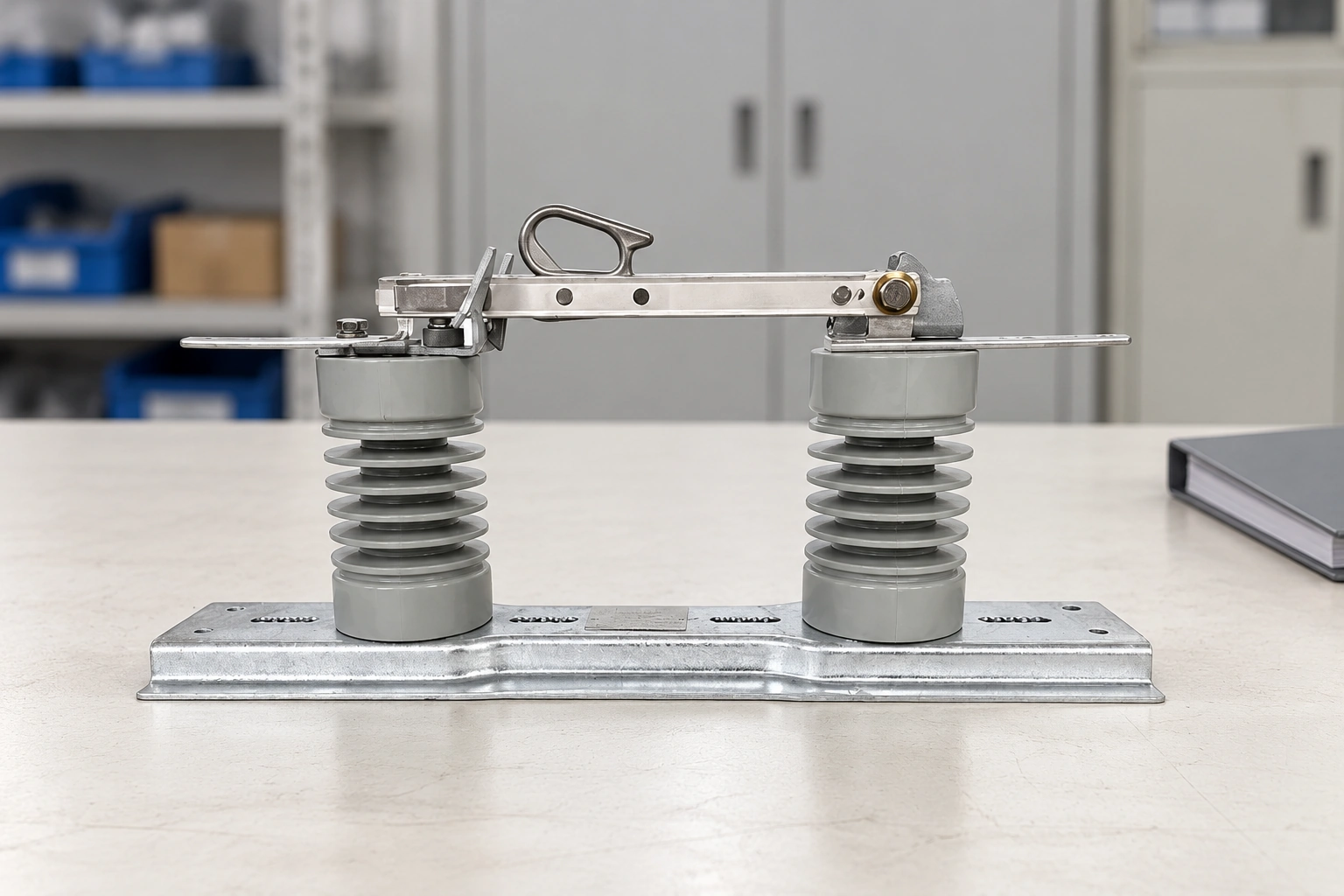
Use conductivity to compare material behavior, resistivity to describe its reciprocal, and resistance to evaluate a defined current path. Begin every comparison with units and temperature, then check geometry and the measurement method. Only after that should the result feed a voltage-drop, heating or equipment-selection decision. A conductor material with an attractive conductivity figure does not establish the current rating of a cable or switch assembly. Fuerte’s isolating switches illustrate where conductive parts and insulating supports belong to one specified product; the relevant ratings and test documents must describe the assembled device, not merely its constituent materials.