
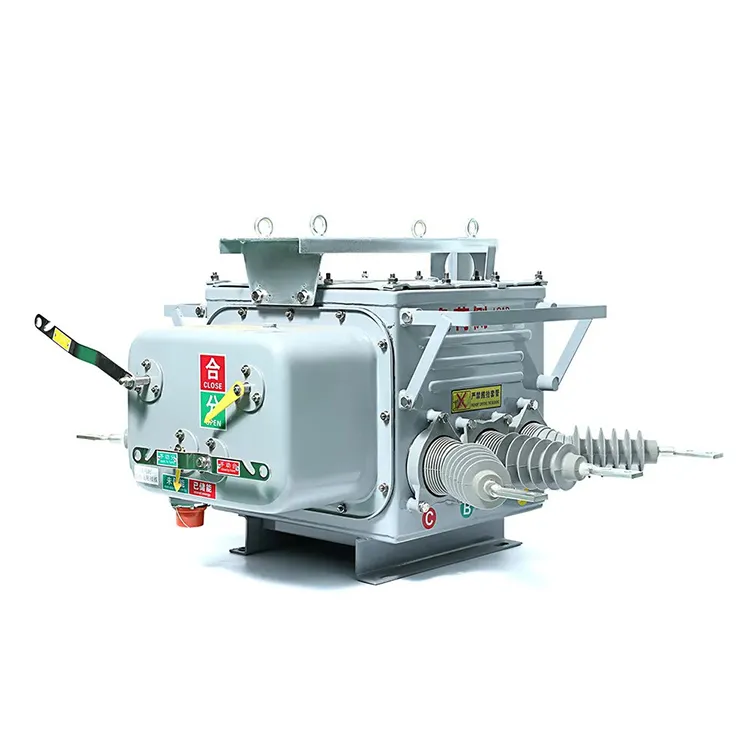
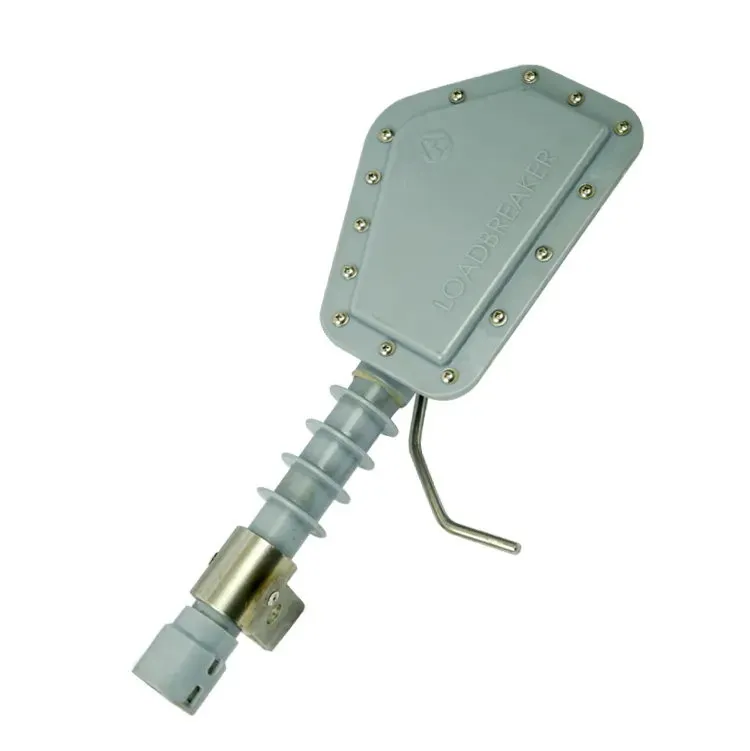


As medium voltage networks move toward automation, remote monitoring, and faster fault recovery, the electrical recloser has become an important protection device for power utilities, EPC contractors, distributors, and industrial power projects. Installed on overhead distribution lines, it detects temporary faults, interrupts fault current, and automatically restores service through a preset reclosing sequence.
For buyers, selecting an electrical recloser is not only about voltage rating or price. It also involves breaking capacity, controller functions, communication protocol, outdoor insulation performance, factory testing, OEM flexibility, technical documentation, and long-term supplier support. This article explains how electrical reclosers are used in distribution protection, what specifications should be confirmed, and how to evaluate a manufacturing partner for B2B projects.
What Is an Electrical Recloser and Where Is It Used?
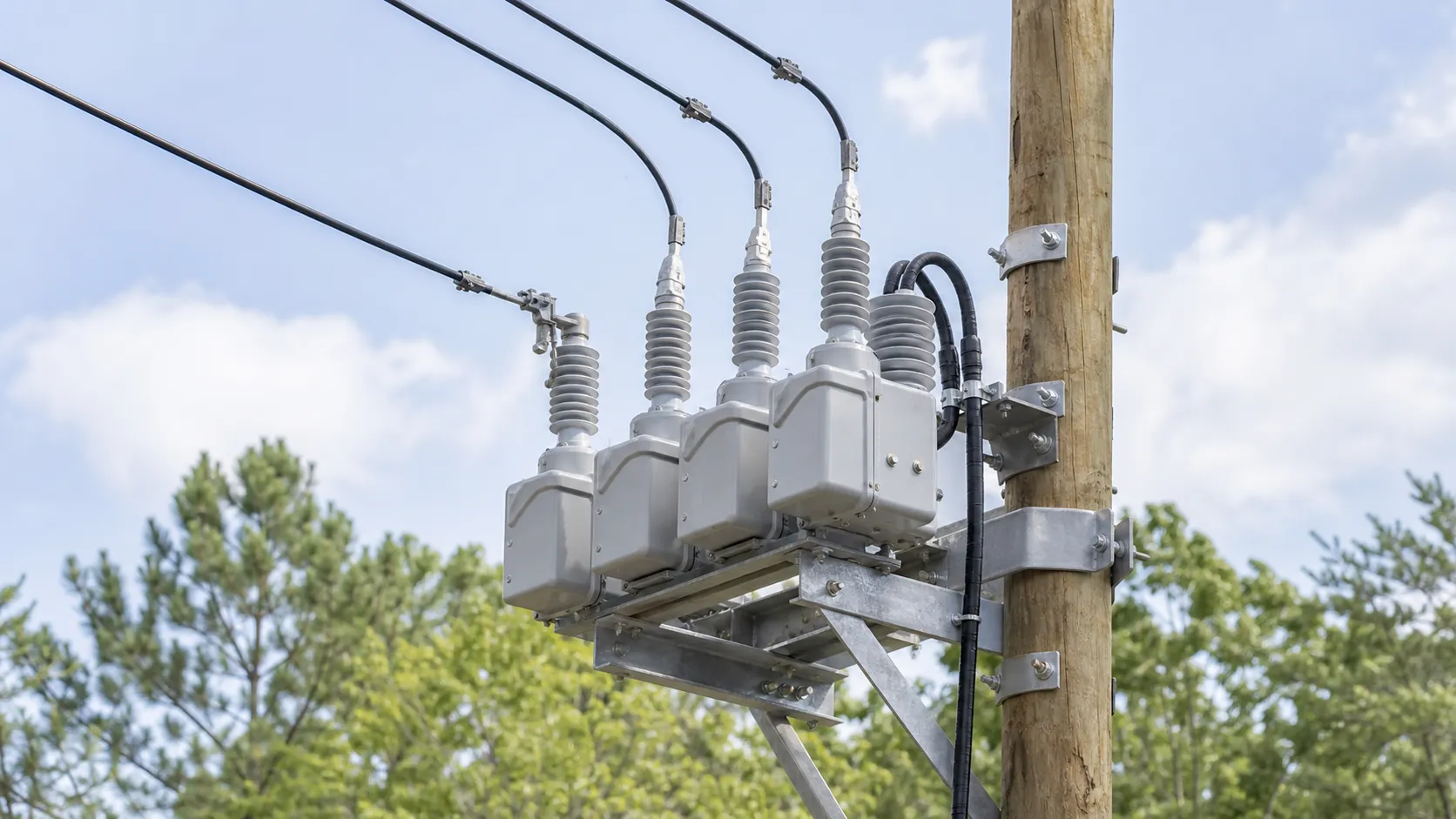
An electrical recloser is an automatic switching and protection device used in medium voltage distribution systems. When a fault occurs on an overhead power line, the recloser opens the circuit, waits for a preset time, and then recloses automatically. If the fault is temporary, power can be restored without manual operation. If the fault remains, the device locks out to isolate the faulty section.
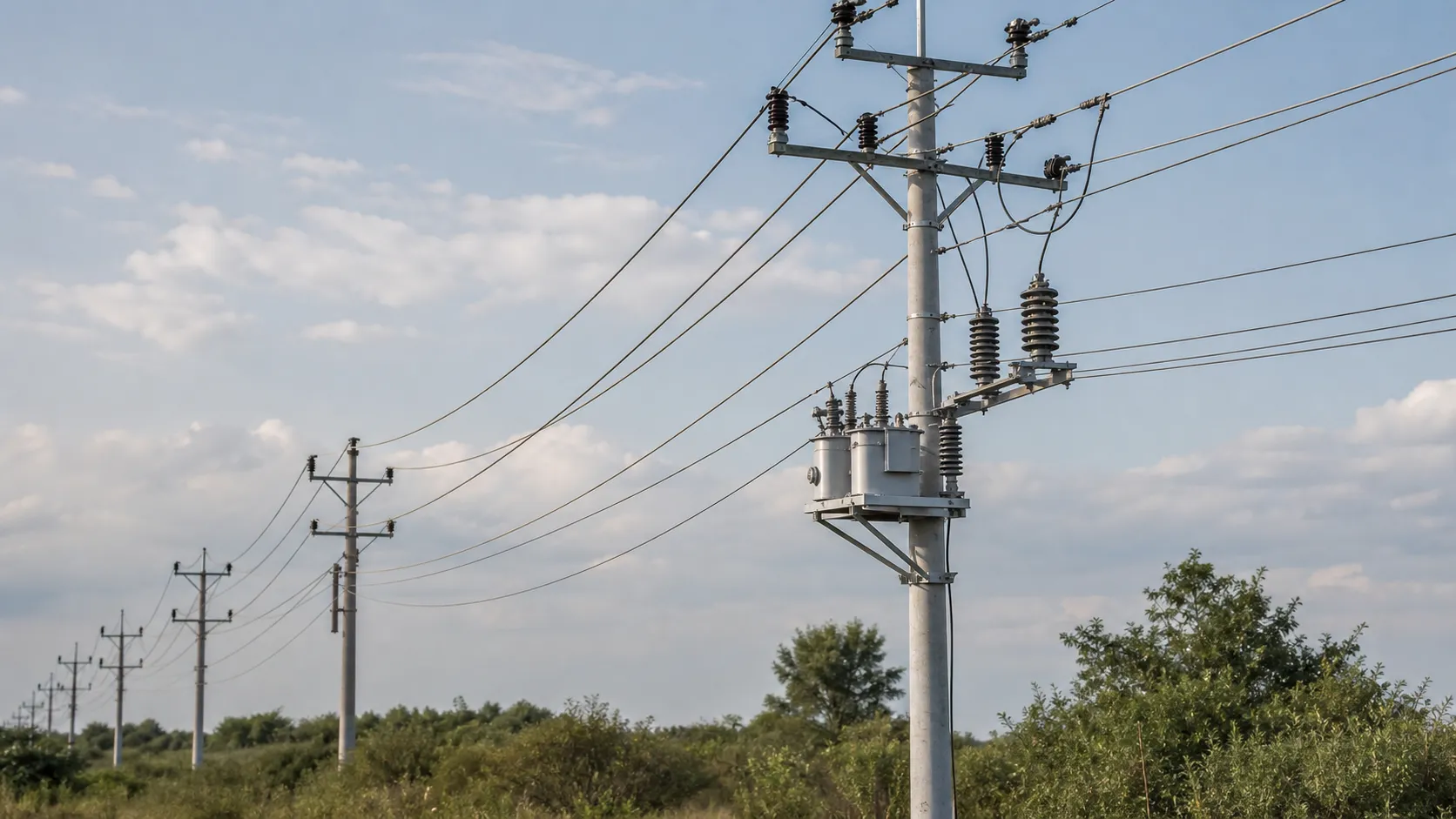
This operating principle is especially useful for overhead distribution networks, where many interruptions are caused by lightning, tree contact, wind-related conductor movement, birds, or short-time insulation flashovers. In such cases, manual patrol and switching may increase outage time and maintenance cost.
Electrical reclosers are commonly applied in utility feeder protection, rural electrification networks, industrial power distribution, renewable energy grid connection, and distribution automation projects. In a complete feeder system, they may work with sectionalizers, load break switches, surge arresters, distribution transformers, pole-mounted switches, and SCADA systems.
Note: In practical feeder automation projects, a recloser is usually evaluated together with protection coordination, sectionalizing strategy, communication interface, and local utility operating rules.
Why Utilities and EPC Contractors Need Electrical Reclosers
Utilities and EPC contractors use electrical reclosers to improve distribution line reliability and reduce the impact of temporary faults. Instead of sending maintenance teams to inspect every interruption, a recloser can perform programmed open-close operations and restore power when the fault disappears.
For power companies, reliability is often measured by indicators such as SAIDI and SAIFI, which are used to evaluate outage duration and interruption frequency. These metrics explain why automatic feeder protection equipment is increasingly used in distribution networks. A properly configured recloser can help reduce unnecessary long outages, improve service continuity, and support faster fault location.
For EPC contractors, the product also supports project acceptance requirements. Many utility projects now require field devices to provide event records, fault data, remote operation, and SCADA communication. Buyer search terms such as automatic recloser for overhead line, medium voltage recloser supplier, pole mounted recloser with controller, and electrical recloser manufacturer show that customers are often looking for both a protection device and an automation-ready solution.
In export projects, one common issue is that buyers confirm the rated voltage and current but forget to confirm the SCADA protocol, terminal direction, or mounting bracket design. These details may cause extra communication or site modification during installation, so they should be checked before production.
Key Specifications Buyers Should Confirm Before Ordering
Before ordering an electrical recloser, buyers should confirm electrical, mechanical, environmental, and communication requirements. A mismatch in these parameters may lead to protection coordination issues, installation delays, or commissioning problems.
| Specification | Typical Options | Buyer Consideration |
|---|---|---|
| Rated Voltage | 12kV / 15kV / 24kV / 27kV / 36kV | Match local grid voltage and insulation level |
| Rated Current | 400A / 630A / 800A | Select according to feeder load |
| Breaking Capacity | 12.5kA / 16kA / 20kA / 25kA | Confirm system short-circuit level |
| Phase Type | Single phase / Three phase | Match feeder structure |
| Installation Type | Pole mounted / Outdoor overhead line | Check pole and conductor layout |
| Control Mode | Manual / Automatic / Remote | Depends on automation requirements |
| Communication | RS485 / Ethernet / GPRS / 4G | Match field communication system |
| Protocol | IEC 60870-5-104 / DNP3 / Modbus / IEC 61850 | Confirm SCADA compatibility |
Besides basic specifications, buyers should consider altitude, ambient temperature, humidity, pollution level, salt fog, UV exposure, wind load, and lightning frequency. Outdoor pole mounted reclosers must maintain insulation, sealing, and mechanical stability under changing field conditions.
Note: If the short-circuit breaking capacity is unclear, buyers should confirm the system fault current with the project owner, local utility, or electrical design consultant before final model selection.
Material Selection and Core Component Preparation
The reliability of an electrical recloser depends strongly on component quality and compatibility. During production, material selection is not only a purchasing step but also the foundation of electrical performance, mechanical endurance, and outdoor service life.
The vacuum interrupter is responsible for interrupting fault current, and its performance affects breaking capability, contact life, and insulation recovery. The operating mechanism controls opening and closing movement, so its precision and repeatability are important for automatic reclosing operations. Current transformers and voltage sensors provide measurement signals to the controller, allowing it to identify overcurrent, earth fault, and other abnormal conditions.
The insulation structure may use epoxy resin, solid insulation modules, or silicone rubber bushings to meet creepage distance, moisture resistance, UV resistance, and pollution performance requirements. The enclosure may use stainless steel or galvanized steel depending on corrosion resistance and project environment. Incoming inspection for these components usually includes appearance checks, dimensional verification, supplier document review, and key electrical performance confirmation.
Mechanical Assembly and Pole-Mounted Structure Design
After component preparation, the recloser enters mechanical assembly. This process includes enclosure inspection, operating mechanism installation, insulated pole assembly, terminal connection, grounding point inspection, manual operating handle configuration, and mounting bracket installation.
For a pole mounted recloser, structure design must consider field installation conditions. The device may be installed at height on a utility pole, where space is limited and conductor direction is fixed. The position of the manual handle, terminal connector, control cable outlet, lifting point, and mounting bracket can affect installation efficiency and later maintenance.
In replacement projects or rural feeder upgrades, existing pole structures may not match a standard product layout. Buyers are advised to provide installation drawings, pole arrangement details, or site photos during the technical confirmation stage. This helps the manufacturer adjust the bracket, terminal direction, and accessory configuration before shipment, reducing field modification risk.
Controller Integration and Protection Logic Configuration
A modern electrical recloser is not only a switching device. With a recloser controller, it becomes an intelligent protection unit in a distribution automation system. The controller receives current and voltage signals, identifies fault conditions, executes trip and close commands, records events, and communicates with a remote system when required.
Common controller functions include phase overcurrent protection, earth fault protection, sensitive earth fault protection, automatic reclosing sequence, cold load pickup, inrush current restraint, event recording, fault waveform recording, local operation, remote control, and battery monitoring.
Communication capability is a key factor for utility projects. Depending on the controller configuration, protocols such as IEC 60870-5-104, DNP3, Modbus, or IEC 61850 may be supported. Communication methods may include RS485, Ethernet, GPRS, or 4G. Before production, buyers and manufacturers should confirm protection setting range, number of reclosing shots, time-current curves, controller language, power supply method, backup battery, SCADA protocol, and wiring arrangement.
Factory Testing and Quality Assurance Process
Quality assurance is critical for medium voltage outdoor protection equipment. Since electrical reclosers operate under fault conditions and outdoor environments, factory testing should cover insulation strength, mechanical reliability, conductive circuit stability, controller logic, and communication function.
A typical quality process includes incoming material inspection, in-process inspection, routine testing, final inspection, and documentation review. For international B2B projects, technical files are also important because they support project approval, installation, commissioning, and maintenance.
| Test Item | Purpose |
|---|---|
| Power frequency withstand voltage test | Verify insulation strength |
| Contact resistance test | Check conductive circuit stability |
| Mechanical operation test | Confirm opening and closing reliability |
| Reclosing sequence test | Verify automatic reclosing logic |
| Current injection test | Check protection response accuracy |
| Controller function test | Confirm settings and operation commands |
| Communication test | Verify protocol and remote interface |
| Visual and nameplate inspection | Ensure product data and accessories are correct |
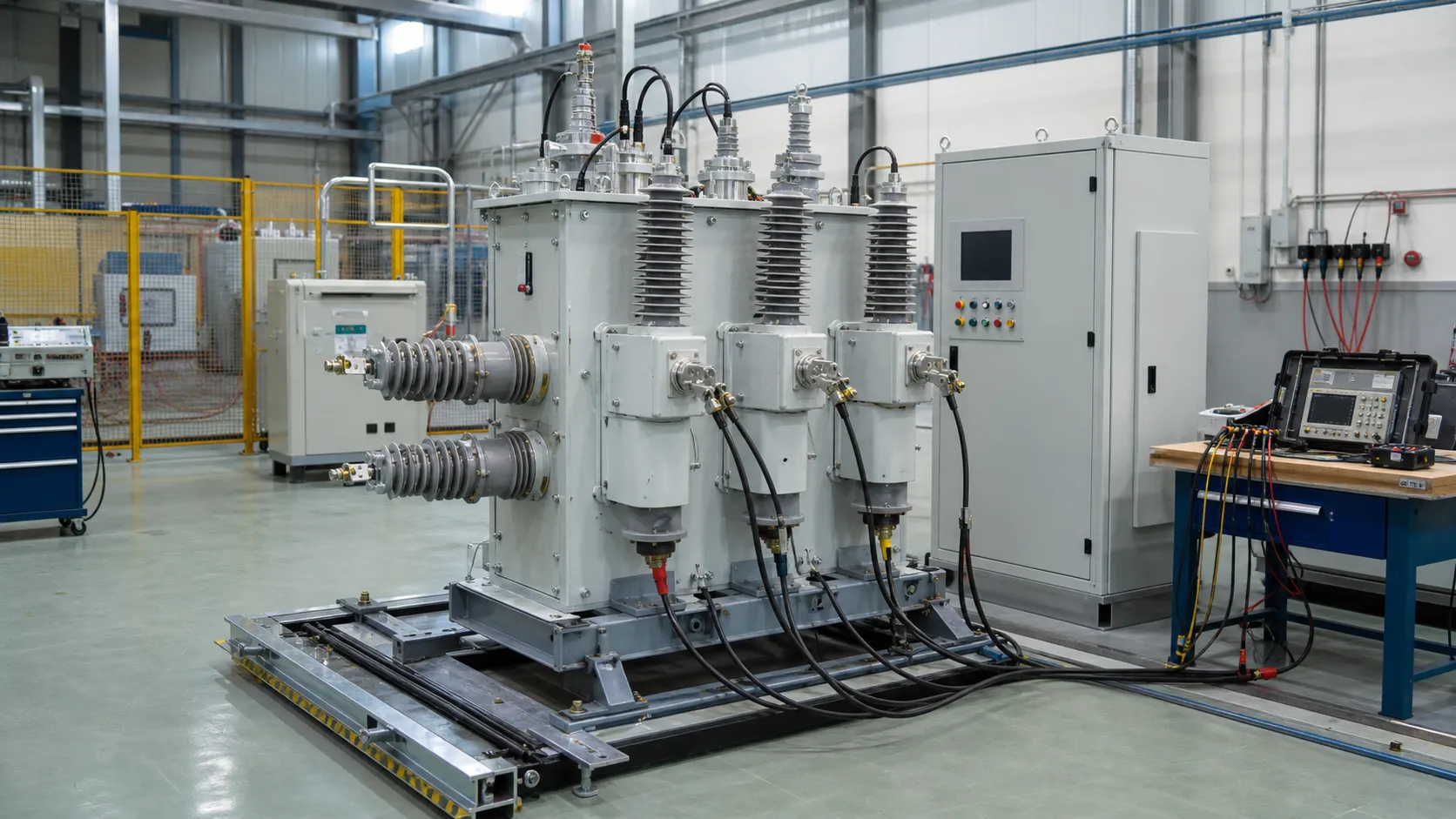
For medium voltage automatic circuit reclosers, buyers often refer to IEC 62271-111 or IEEE C37.60 when reviewing performance requirements, testing methods, and documentation expectations. These standards provide a useful technical basis for communication between manufacturers, contractors, and end users.
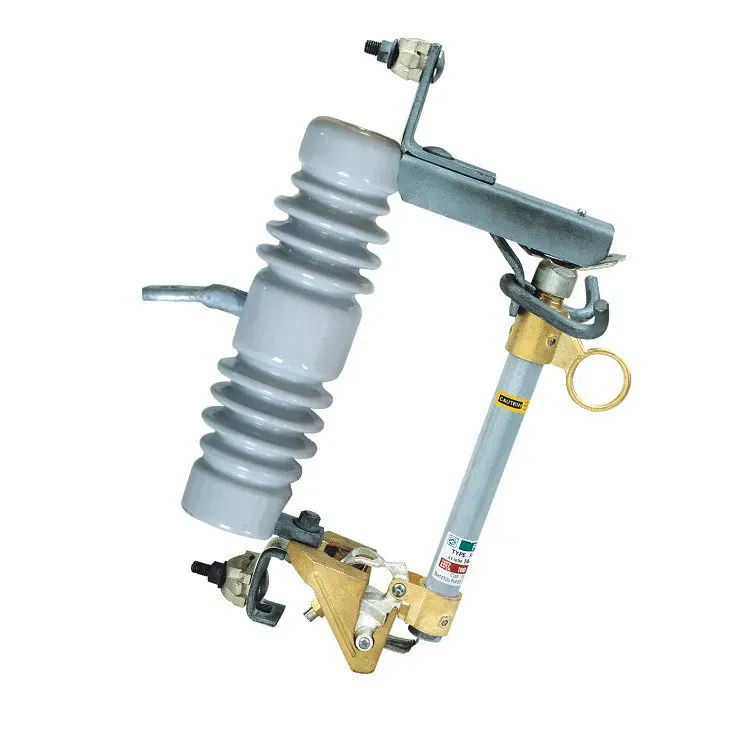
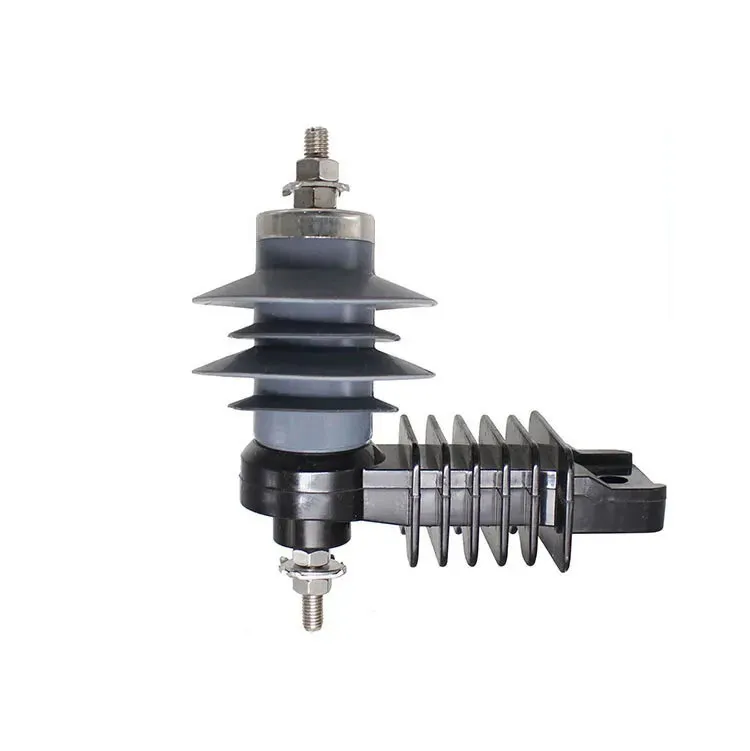
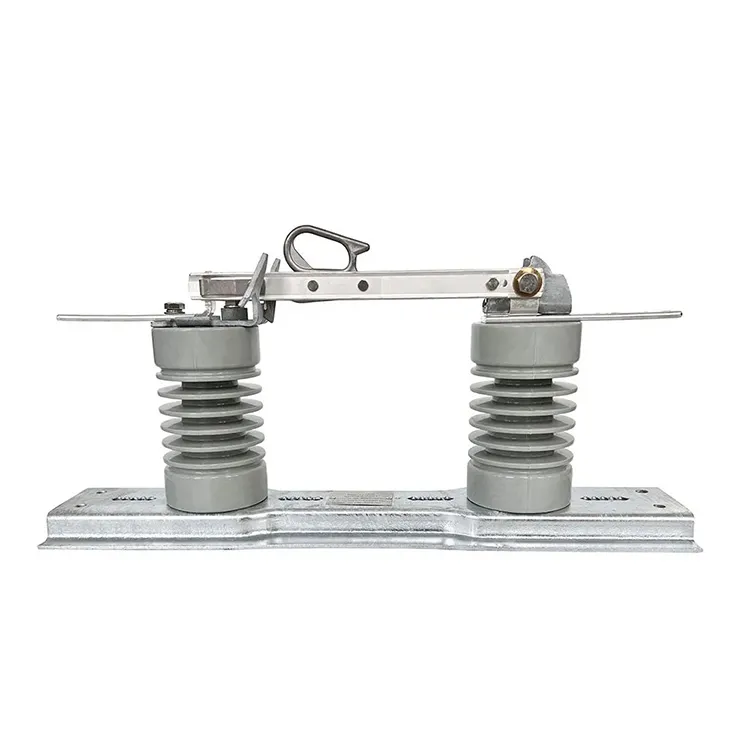
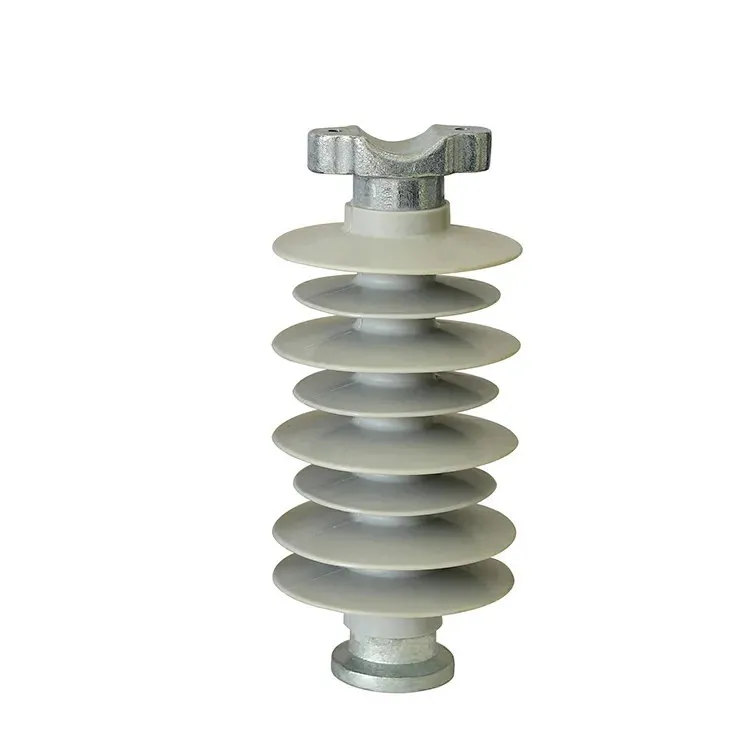
Zhejiang Fuerte Electrical Apparatus Co., Ltd., founded in 1985, has long been involved in power distribution and electrical protection equipment manufacturing. Its product background includes fuse cutouts, surge arresters, isolating switches, polymer insulators, and vacuum circuit breakers. The company also operates with export-oriented production support and ISO-based quality management. For buyers evaluating recloser-related supply capability, this manufacturing experience can be considered together with test reports, technical datasheets, process control, and documentation support.
OEM Options for Utility, Distributor, and EPC Projects
OEM customization for electrical reclosers is not limited to logo or nameplate. In many B2B projects, customization is closely related to voltage level, protection function, controller interface, communication protocol, mounting structure, terminal direction, documentation format, and local utility approval.
Distributors may need private-label packaging and customized manuals. EPC contractors may require specific mounting brackets, terminal positions, or controller settings. Utility projects may require defined protection curves, SCADA protocols, test report formats, or compliance documents.
Common customization options include rated voltage selection, rated current configuration, single phase or three phase design, controller function setting, communication protocol, enclosure color, nameplate layout, logo marking, mounting bracket design, terminal connector type, control cable arrangement, manual language, and packing mark customization.
For a single phase recloser, the application may include rural feeders, branch lines, and single-phase distribution protection. For a three phase recloser, the application is usually broader in medium voltage feeder systems. Buyers should choose based on actual grid structure, fault level, and protection coordination instead of product name alone.
Packaging, Shipment, and Installation Support
For overseas orders, packaging and shipment are part of the quality experience. An electrical recloser contains mechanical, electrical, and electronic components, so packaging should protect the main body, controller, cables, connectors, mounting accessories, and spare parts during long-distance transportation.
Export wooden case packaging is commonly used. The controller and accessories should be fixed or separated properly to reduce impact and moisture risk. Clear shipping marks, nameplate consistency, and packing list accuracy are useful for warehouse handling and project site checking.
After delivery, buyers should verify that the nameplate information matches the order, accessories are complete, wiring diagrams are included, test reports are available, and the mounting bracket matches the installation plan. These details help reduce uncertainty during installation and commissioning.
How to Choose a Reliable Electrical Recloser Manufacturer
Choosing an electrical recloser manufacturer should not be based only on price. A low initial price may not reduce project cost if the product lacks proper documentation, test verification, communication compatibility, or installation support.
Buyers should evaluate whether the supplier understands medium voltage distribution systems, outdoor insulation requirements, international standards, controller configuration, SCADA communication, and export documentation. A practical supplier should be able to discuss rated voltage, fault current, protection logic, installation method, environmental exposure, and maintenance needs before recommending a final configuration.
Important evaluation points include technical datasheets, routine test reports, wiring diagrams, user manuals, controller protocol confirmation, OEM support, export packaging, spare parts management, and after-sales technical communication.
Zhejiang Fuerte Electrical Apparatus Co., Ltd. positions itself as a manufacturing partner for global B2B customers, rather than only a product supplier. Its long-term focus on power distribution protection equipment and export-oriented support can be relevant for distributors and project contractors who value stable cooperation. However, the final selection should always be based on technical compliance, testing evidence, project fit, and qualified engineering review.
Buyer Inquiry Checklist for Electrical Recloser Projects
To receive an accurate quotation, buyers should prepare project information before sending an inquiry. Useful details include rated voltage, rated current, breaking capacity, frequency, phase type, installation method, overhead line or cable connection, protection functions, controller requirements, communication protocol, SCADA integration needs, environmental conditions, applicable standard, quantity, OEM needs, destination port, and delivery terms.
If project drawings, utility specifications, or tender documents are available, they should be shared during early technical communication. This allows the manufacturer to check whether a standard model is suitable or whether project-based customization is required.
FAQ About Electrical Reclosers
1. What is an electrical recloser used for?
An electrical recloser is used to protect medium voltage distribution lines. It detects faults, interrupts fault current, and automatically recloses the circuit after a preset time to reduce outage time caused by temporary faults.
2. What is the difference between a recloser and a circuit breaker?
A circuit breaker usually trips during a fault and may require manual or system-level reclosing. A recloser is designed to perform automatic reclosing according to programmed protection logic.
3. Can an electrical recloser be installed on a pole?
Yes. Pole mounted reclosers are widely used on outdoor overhead distribution lines. The mounting bracket, terminal direction, and control cable layout should match site conditions.
4. Is a single phase recloser available?
Yes. Single phase reclosers are used for rural feeders, branch lines, and single-phase distribution networks. Three phase reclosers are available for standard medium voltage feeder systems.
5. What voltage ratings are commonly used?
Common voltage ratings include 12kV, 15kV, 24kV, 27kV, and 36kV. Final selection should be based on grid voltage, insulation level, short-circuit capacity, and utility requirements.
6. What communication protocols can be supported?
Depending on controller configuration, common protocols may include IEC 60870-5-104, DNP3, Modbus, and IEC 61850. Communication methods may include RS485, Ethernet, GPRS, or 4G.
7. What tests are usually performed before shipment?
Typical tests include power frequency withstand voltage test, contact resistance test, mechanical operation test, reclosing sequence test, current injection test, controller function test, communication test, and visual inspection.
8. What should buyers provide before ordering?
Buyers should provide rated voltage, rated current, breaking capacity, phase type, frequency, installation method, protection requirements, communication protocol, environmental conditions, applicable standards, quantity, and OEM customization needs.
Technical Review and Manufacturing Background
This article is prepared for B2B buyers, electrical distributors, EPC contractors, and utility project teams evaluating medium voltage electrical reclosers. The technical content is based on common distribution protection practices, international standard references, and manufacturing considerations for outdoor power distribution equipment.
Zhejiang Fuerte Electrical Apparatus Co., Ltd. has been engaged in electrical protection equipment manufacturing since 1985, with experience in fuse cutouts, surge arresters, isolating switches, polymer insulators, and vacuum circuit breakers. For project-specific recloser selection, buyers should confirm technical parameters with the project owner, local utility, or qualified electrical engineer.
Disclaimer
Product selection, installation design, and protection settings should be reviewed by qualified electrical engineers according to local grid conditions, utility standards, safety requirements, and project specifications.
References
- IEC 62271-111 — High-voltage switchgear and controlgear: Automatic circuit reclosers and fault interrupters for alternating current systems up to 38 kV
Official IEC Webstore standard search page:
https://webstore.iec.ch/
Search term: IEC 62271-111 - IEEE C37.60 — Standard Requirements for Overhead, Pad-Mounted, Dry Vault, and Submersible Automatic Circuit Reclosers and Fault Interrupters
Official IEEE Standards Association page:
https://standards.ieee.org/
Search term: IEEE C37.60 - U.S. Energy Information Administration — Electric Power Reliability Metrics
Official electricity data and reliability information page:
https://www.eia.gov/electricity/
Search term: SAIDI SAIFI electric reliability