
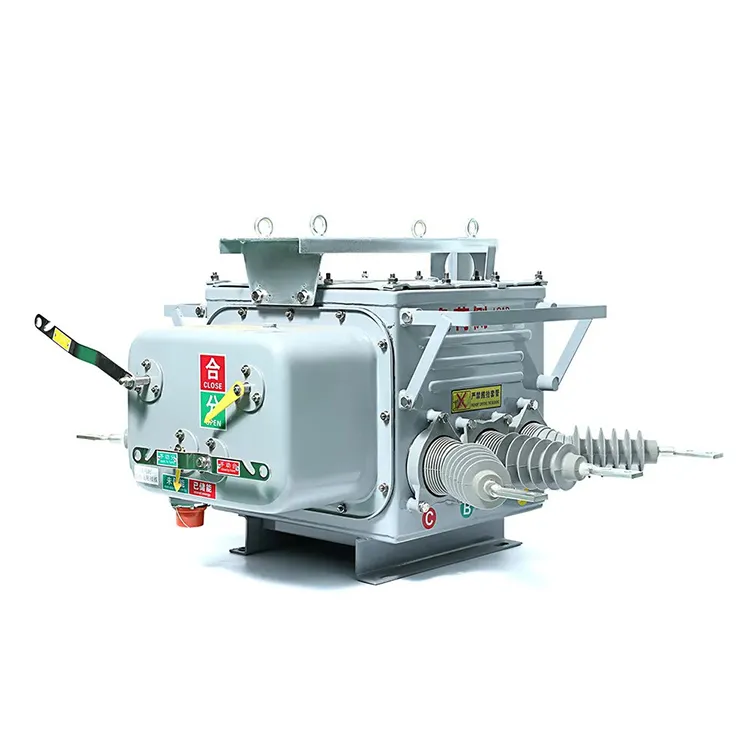
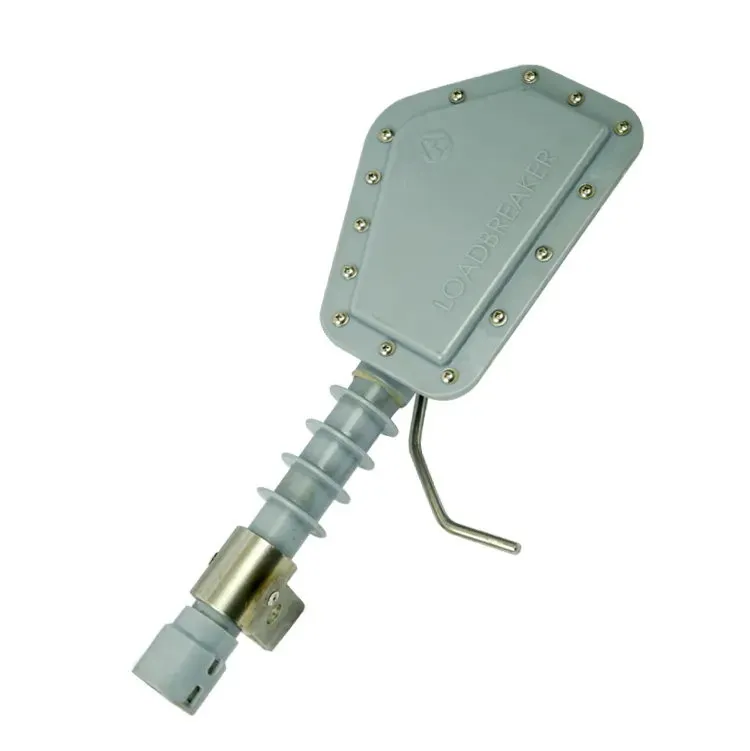


When Maya, an electrical engineer in Phoenix, encountered a proposed “residential VCB” in an illustrative apartment-project review, she placed it in the building’s 480 V service schedule. Minutes later, the coordination review exposed an obvious mismatch: the equipment belonged on the utility-facing medium-voltage loop, not in a dwelling or service panel. The device was not defective; the selection had crossed a voltage-class and application boundary.
Resumen: The US vacuum circuit breaker market has residential exposure mainly through medium-voltage utility feeders, substations, large multifamily sites, community microgrids, and similar infrastructure—not ordinary household branch or service protection. IEC 62271-100 addresses AC circuit breakers above 1 kV, while home and small-building panels generally use low-voltage MCB or MCCB technologies under rules such as NFPA 70 and UL 489. Buyers should identify the point of installation, system voltage, calculated fault duty, and governing standard before treating “residential” as a valid equipment category.
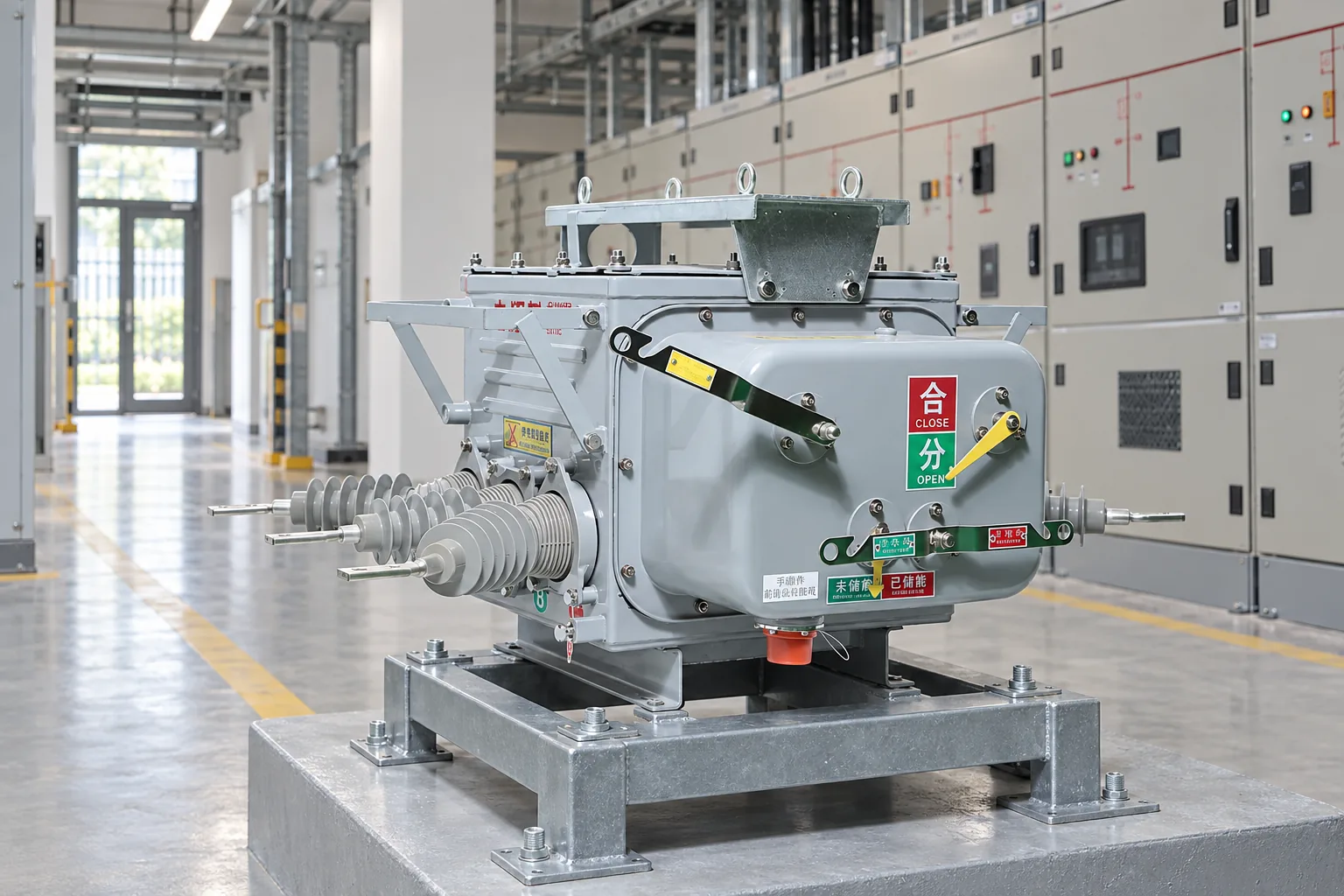
Where the residential vacuum circuit breaker market actually exists
Residential demand and residential equipment are not the same thing. A utility feeder may supply thousands of homes through medium-voltage circuits and distribution transformers; a large apartment complex may accept medium-voltage service in customer-owned switchgear. In both cases, a VCB can protect or switch the upstream circuit, but the downstream dwelling panels still use low-voltage breakers appropriate to their ratings and local code.
This distinction changes how market opportunity should be interpreted. The relevant segment of the U.S. medium-voltage vacuum circuit breaker market is connected to residential construction only when a utility, campus owner, microgrid operator, or large property controls medium-voltage assets.
No defensible public data isolates a “residential VCB” market with consistent product boundaries, so a responsible analysis should not assign it a stand-alone market size or CAGR. Useful demand indicators are instead project-specific: new or reinforced distribution feeders, substation work, underground residential distribution, large multifamily services, resilience projects, and distributed-energy interconnections that require medium-voltage switching.
When medium-voltage vacuum technology can serve residential loads
Where do utilities and large residential sites use VCBs?
A VCB may be appropriate at a utility substation, feeder switching point, pad-mounted distribution assembly, or a large residential campus receiving primary service. The application begins above the low-voltage installation boundary and requires engineered switchgear, relays, current transformers or sensors, interlocks, isolation, and safe operating procedures. “Compact” describes physical integration; it does not remove clearance, insulation, fault-containment, or maintenance obligations.
Voltage alone is not enough. Engineers must calculate available short-circuit current and check rated short-circuit breaking current, making duty, short-time withstand, operating sequence, insulation level, frequency, and service conditions. A single kA label cannot establish suitability; the related guide to VCB breaking-capacity specifications explains the ratings that should appear in a procurement schedule.
Do smart homes and distributed energy create direct VCB demand?
Smart-home controls operate mainly behind the meter and do not normally require medium-voltage interruption. Solar PV, battery storage, electric-vehicle charging, and controllable loads can increase coincident power flows or change protection studies, but a home-scale installation ordinarily remains a low-voltage system. Its protection must coordinate with the service rating, inverter instructions, and applicable NEC provisions.
VCB demand may rise indirectly when aggregated resources drive feeder upgrades, a community microgrid adds a medium-voltage loop, or a large housing development owns primary distribution. IEEE 1547 addresses interconnection and interoperability of distributed energy resources at the point of common coupling; it does not prescribe a VCB for every DER. The protection study—not the “smart” label—decides whether medium-voltage switching is needed.
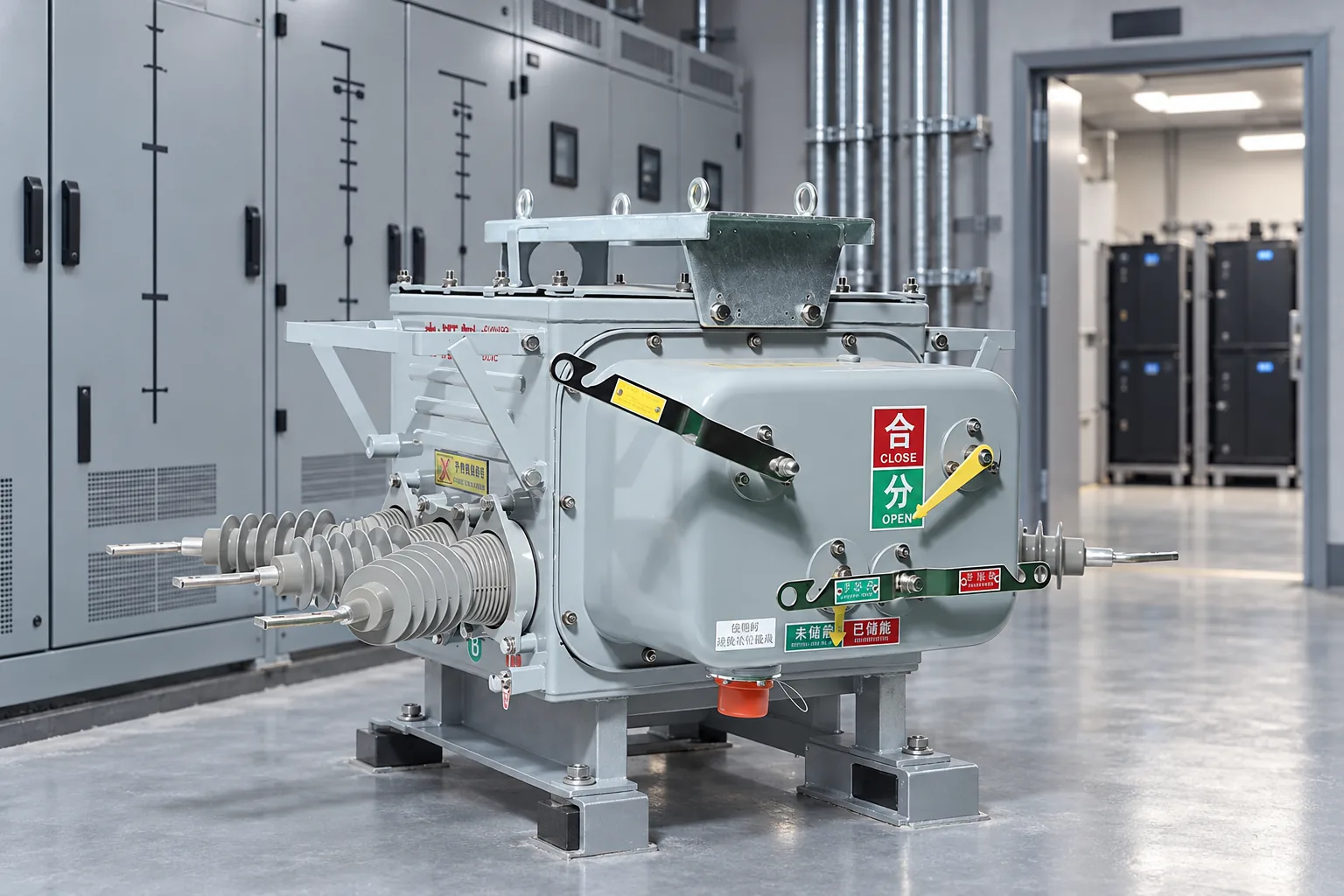
How do VCBs, MCCBs, and MCBs differ in residential-related projects?
The comparison below is functional, not a substitute for a coordination study. Product standards, available ratings, and terminology vary by destination market, and equipment must be applied within its documented scope.
| Factor de decisión | MCB | MCCB | Medium-voltage VCB |
|---|---|---|---|
| Typical system role | Low-voltage final and branch circuits | Low-voltage feeders and services | Primary distribution feeders and switchgear |
| Residential fit | Common in dwelling panels where the listed product and code allow | Possible in larger low-voltage services and distribution boards | Upstream infrastructure; not a conventional household-panel device |
| Protection arrangement | Usually integral trip characteristics | Integral fixed or adjustable trip unit, depending on design | Often paired with external relays, sensors, and control power |
| Space and interfaces | Compact modular panel format | Larger frame and connection requirements | Requires switchgear, insulation clearances, interlocks, and isolation |
| Tendencia del costo unitario | Lowest of the three for ordinary branch protection | Higher as frame size and functions increase | Highest system complexity; not economically comparable device-for-device |
| Lifecycle attention | Panel inspection and replacement after defined events | Inspection, settings control, and manufacturer-directed maintenance | Breaker mechanism, interrupter condition, relays, control circuits, interlocks, and switchgear maintenance |
Replacing an MCB with a VCB is therefore not an upgrade path; it is a category error. A VCB-based scheme carries switchgear engineering, protection settings, control power, commissioning, spares, and trained-operation costs. Its value emerges only where the system is genuinely medium voltage and the interruption duty, operational control, or lifecycle plan justifies that architecture.
| Residential-related application | Likely breaker domain | VCB relevance | Required decision evidence |
|---|---|---|---|
| Detached home branch circuits | Low voltage | Normally none | Panel listing, circuit load, fault rating, local code |
| Apartment low-voltage service | Low voltage | Normally none at the service panel | Load calculation, service rating, selective coordination where required |
| Large multifamily campus with primary service | Medium voltage upstream; low voltage downstream | Possible in customer-owned switchgear | Utility requirements, one-line diagram, fault study, relay philosophy |
| Community microgrid with MV loop | Mixed voltage | Possible at MV interties and feeders | DER study, islanding concept, grounding, transfer and synchronization logic |
| Utility feeder serving neighborhoods | Medium-voltage distribution | Commonly considered with other switching technologies | Feeder duty, automation plan, reclosing policy, environmental conditions |
Which safety standards apply on each side of the voltage boundary?
In the United States, NFPA 70, the National Electrical Code, governs installation practices as adopted and amended by the authority having jurisdiction. UL 489 covers molded-case circuit breakers, molded-case switches, and circuit-breaker enclosures used in low-voltage systems; it is not a medium-voltage VCB standard. For international household and similar installations, IEC 60898-1 covers AC circuit breakers up to 440 V, 125 A, and 25 kA within its stated scope.
IEC 62271-100 addresses AC circuit breakers above 1 kV, while IEEE C37.04 establishes rating structure and IEEE C37.09 provides test procedures for AC high-voltage circuit breakers. These are product and test frameworks, not automatic approval of a supplier, assembly, or installation. The purchaser must specify the applicable edition, regional deviations, complete switchgear standard, and required evidence.
Unsupported compliance language creates commercial risk: a breaker tested to one method may not make the full assembly suitable for a destination market. Procurement documents should distinguish design tests, routine tests, listings or certifications, installation-code compliance, and utility acceptance. Marketing a medium-voltage VCB as a direct household replacement can also mislead buyers and expose installers to unsafe equipment selection.
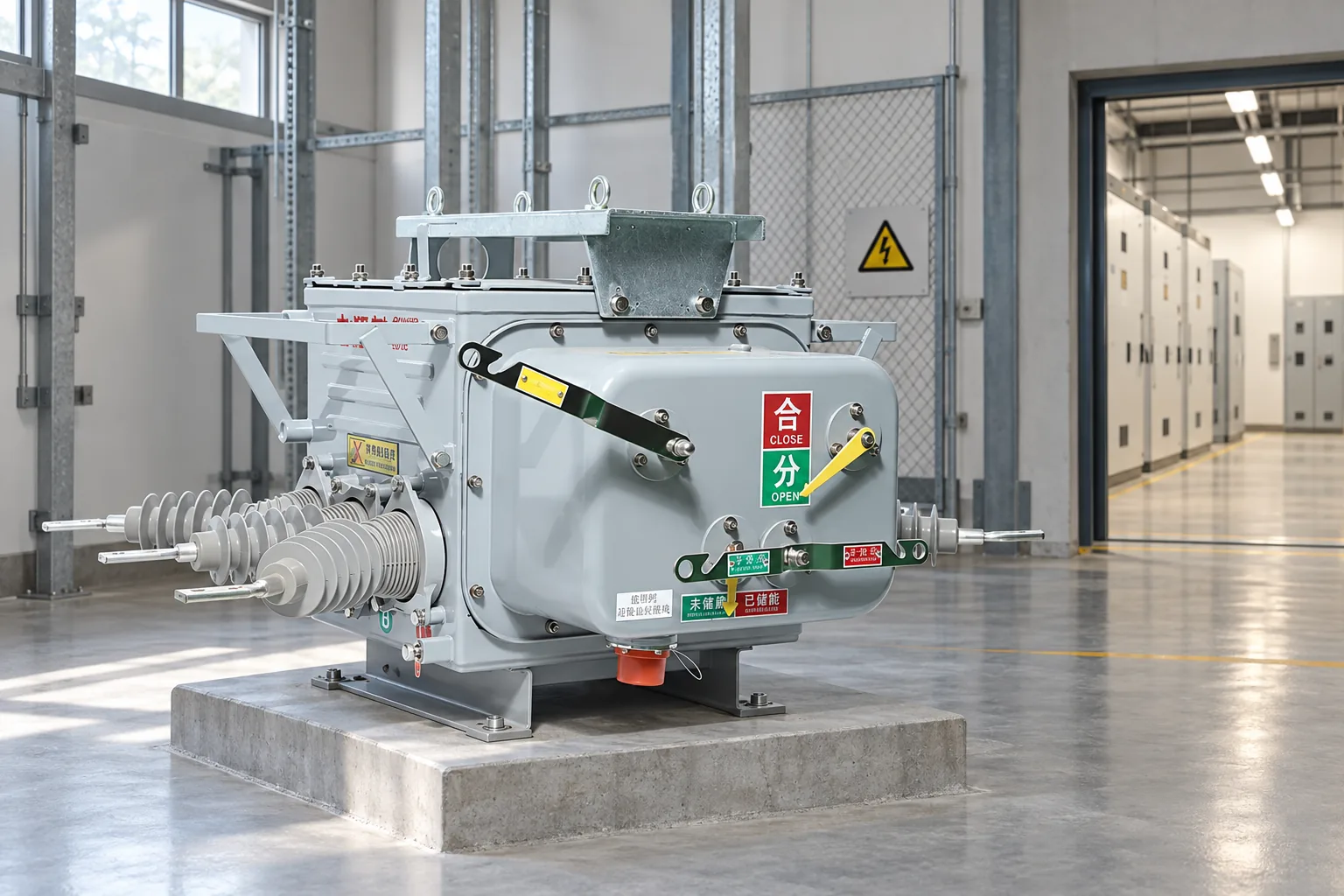
How to specify residential-adjacent VCB equipment
- Draw the voltage boundary. Mark the utility point of connection, medium-voltage ownership limit, transformers, low-voltage services, DER interfaces, and dwelling panels on the one-line diagram.
- Define electrical duty. State maximum system voltage, continuous current, frequency, calculated symmetrical fault current, X/R assumptions, operating sequence, insulation level, and grounding method.
- Select the complete assembly. For vacuum circuit breakers for residential distribution infrastructure, define switchgear construction, compartment access, interlocks, control voltage, relay functions, communications, and environmental service conditions.
- Request traceable evidence. Agree on applicable standards, type-test references, routine-test records, drawings, nameplate data, manuals, and a site acceptance plan. Use a structured vacuum circuit breaker test review rather than accepting a generic “tested” statement.
- Compare lifecycle scope. Include installation changes, protection engineering, commissioning, outage time, training, spares, inspection access, and end-of-life replacement—not only purchase price.
Fuerte can support a configuration discussion after the buyer supplies a one-line diagram, system duty, installation environment, interfaces, and required standards. Final application, code compliance, protection settings, and utility acceptance remain the responsibility of the project’s qualified parties.
What do buyers ask about residential VCB applications?
What is the residential vacuum circuit breaker market?
It is best understood as the portion of medium-voltage distribution investment that serves homes, apartments, residential campuses, or community energy systems. It does not mean that VCBs are routinely installed in household branch panels, and public data does not support a clean stand-alone market size for this label.
Are vacuum circuit breakers suitable for residential systems?
They can be suitable on the medium-voltage side of a large residential site or utility network when studies and standards support the application. Ordinary home services and branch circuits are low voltage and generally use MCB or MCCB technologies instead.
Which residential applications could use compact VCBs?
Possible applications include customer-owned primary switchgear for a large apartment campus, a community microgrid with a medium-voltage loop, or automated utility feeders serving residential areas. “Compact” equipment must still meet insulation, fault-duty, access, interlocking, and environmental requirements.
How does residential VCB cost compare with MCBs?
A meaningful direct price comparison is not possible because the devices serve different voltage classes and system roles. A VCB scheme also needs switchgear, relays, controls, commissioning, and trained maintenance, so buyers should compare total installed lifecycle scope rather than unit price.
What safety standards apply to residential breakers?
Applicable rules depend on voltage, product type, destination market, and installation. U.S. projects commonly consider NFPA 70 and the relevant product listing standard for low-voltage equipment; medium-voltage VCBs may use IEC 62271-100 or applicable IEEE C37 documents plus assembly and utility requirements.
Will smart-home energy systems increase VCB demand?
Not directly at the individual-home level. Aggregated DER, community storage, microgrids, or feeder reinforcement may create medium-voltage switching projects, but a protection and interconnection study must establish the need.
Which sources support this residential VCB market analysis?
- NFPA 70, National Electrical Code
- IEC 62271-100, High-voltage alternating-current circuit-breakers
- IEC 60898-1, Circuit-breakers for overcurrent protection for household and similar installations
- IEEE C37.04, Rating structure for AC high-voltage circuit breakers
- IEEE 1547, Interconnection and interoperability of distributed energy resources
The durable rule is simple: classify the voltage and system function before classifying the market. For a project-specific review, contact Fuerte with the one-line diagram, fault study, environmental conditions, interface requirements, and applicable standards.