
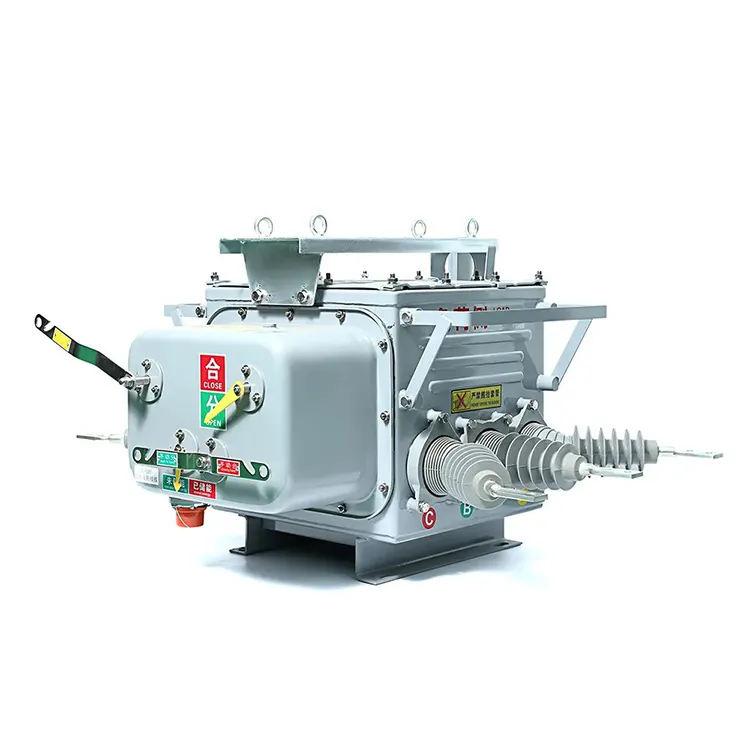
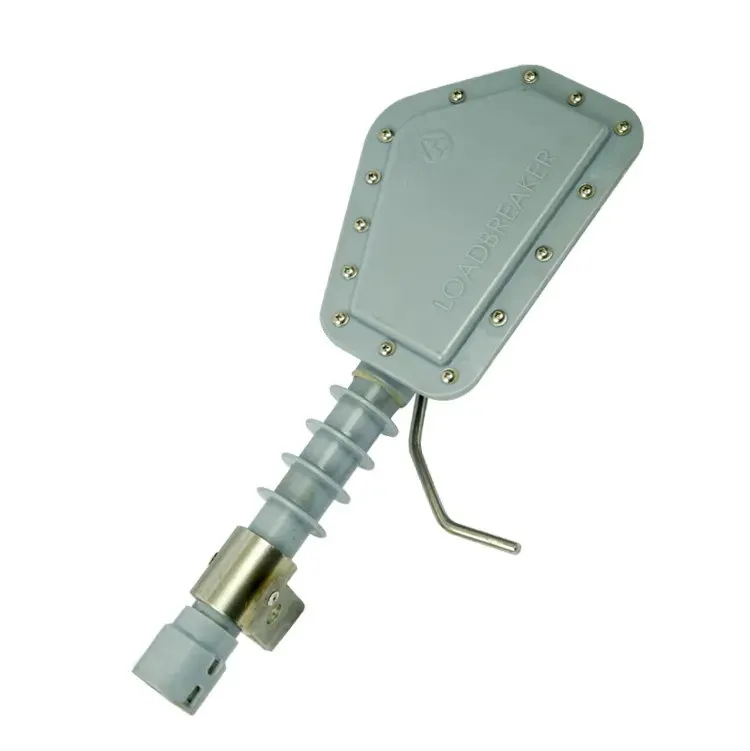


Searching for a “residential disjoncteur à vide” can lead to two unrelated questions: protection inside a home and medium-voltage equipment supplying a neighborhood or residential development. Confusing those layers produces misleading market estimates and unsuitable product comparisons. A household panel is not simply a small version of a utility substation. This article explains where vacuum breakers can fit in residential power supply, who usually specifies that equipment, and which demand indicators help distinguish an actual medium-voltage project from general growth in household electricity use.
Le marché des disjoncteurs à vide résidentiels should be understood primarily as an upstream distribution or large-development application, not a universal household-panel category. Medium-voltage vacuum breakers can serve utility feeders or customer substations supplying residential loads where the network design requires them. Ordinary domestic final-circuit protection uses equipment selected for the local low-voltage system and installation rules. To assess an opportunity, identify the supply voltage, transformer and ownership boundary first. Rising home electricity use, rooftop solar or a home battery does not automatically create a need for a medium-voltage VCB at the property.
Where is the boundary between a home and the distribution network?
A typical supply passes through distribution equipment and a transformer before reaching low-voltage final circuits. The exact arrangement varies by country, utility and development. Protection can occur at several levels, but the devices have different duties and installation requirements. A utility feeder breaker is not selected using the same specification as a domestic branch-circuit breaker.
The explanation of air and vacuum circuit breaker applications provides context for separating low- and medium-voltage equipment. Terminology must remain tied to actual ratings: the word “residential” describes the served load, not the device’s voltage or interruption technology.
| Location in the supply system | What is being protected or switched? | Potential relevance of a medium-voltage VCB |
|---|---|---|
| Home final circuits | Domestic wiring and connected loads | Not the ordinary application for a distribution VCB |
| Building low-voltage distribution | Low-voltage feeders and equipment | Voltage-specific equipment selection is required; do not assume VCB suitability |
| Customer-owned medium-voltage substation | Incoming or transformer circuits where that architecture is used | Possible, subject to design, ratings and utility requirements |
| Utility distribution feeder | A network section serving many customers | Possible breaker or recloser application within the utility design |
When might a residential development need medium-voltage switchgear?
A large development may have a customer-owned substation or an internal medium-voltage network. Whether it needs breaker-equipped switchgear depends on the supply arrangement, transformer configuration, protection design and utility rules. Other architectures can use different equipment; a building count alone does not determine the answer.
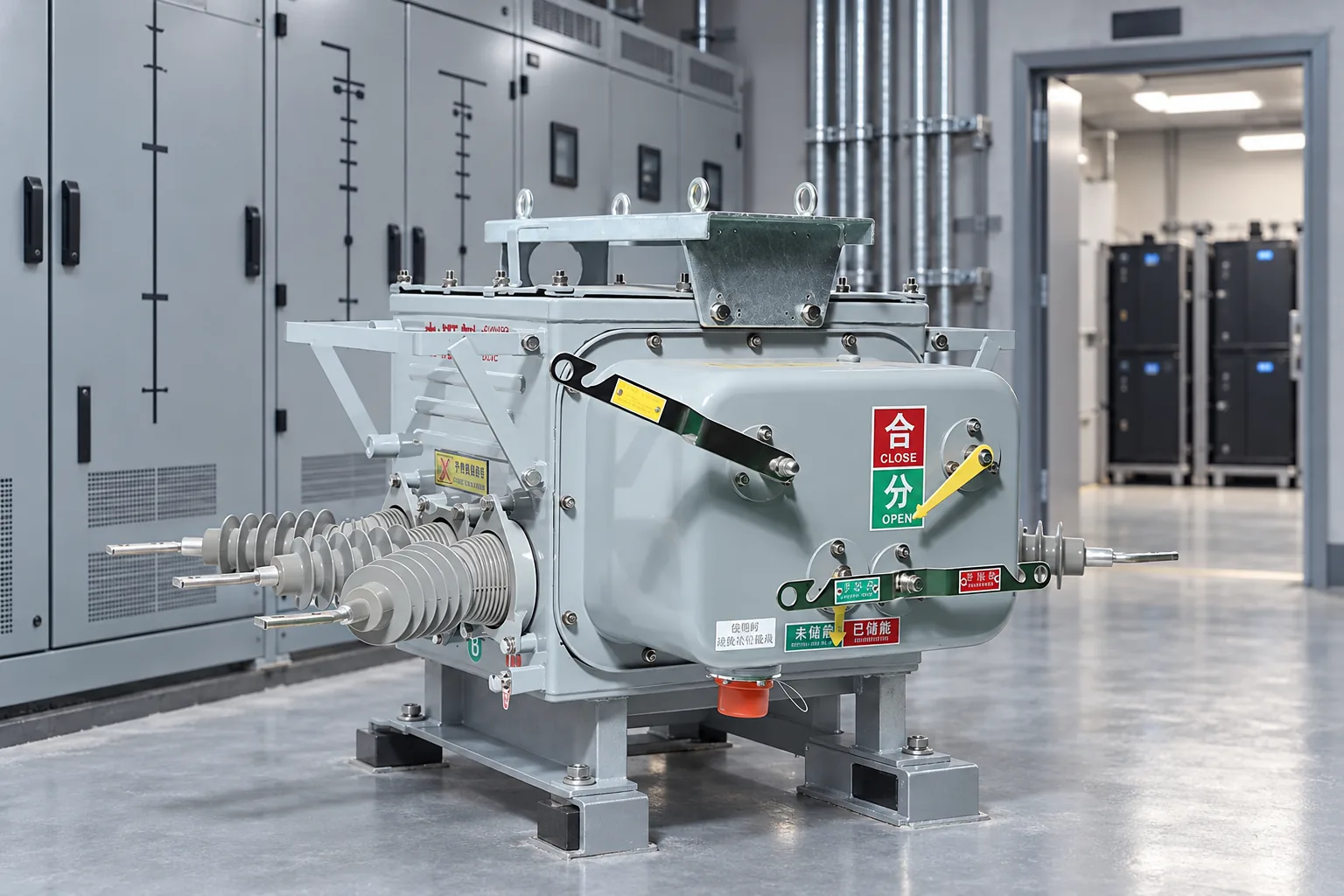
Pour residential medium-voltage distribution, identify who owns and operates the incoming equipment. The utility, developer and facility operator may have different responsibilities. Confirm who approves protection settings, performs switching and maintains the equipment before assigning a product to the project.
Do solar panels, EV charging and batteries increase VCB demand?
They can change load and power-flow conditions, but their effect depends on scale and connection design. A household charger or battery generally connects through its specified low-voltage installation. Aggregated demand or generation may lead to an upstream network upgrade, but that project must be established separately.
The IEA’s July 2026 update identifies EVs, heat pumps, cooling and other uses as electricity-demand drivers. It does not publish a residential VCB shipment series in that report. Use the broader distribution VCB market assessment to distinguish an energy-demand trend from evidence of equipment procurement.
How should a residential microgrid be assessed?
A microgrid may operate at low voltage, medium voltage or both. Its label does not establish a breaker type. Start with the single-line diagram, connection point and permitted operating modes. Islanding, resynchronization and changes in fault-current contribution require appropriate engineering and protection review.
Where an upstream feeder uses automatic reclosing, distributed generation may affect the operating assumptions. Review feeder recloser applications in that context, without treating the presence of solar generation as proof that a particular protection function is required.
Which questions belong in a project specification?
Ask for supply voltage, available fault current, transformer ratings, grounding arrangement, ownership boundaries and protection responsibilities. Establish whether the scope is incoming switchgear, transformer protection, an overhead feeder device or domestic final-circuit protection. Only then compare equipment classes and standards.
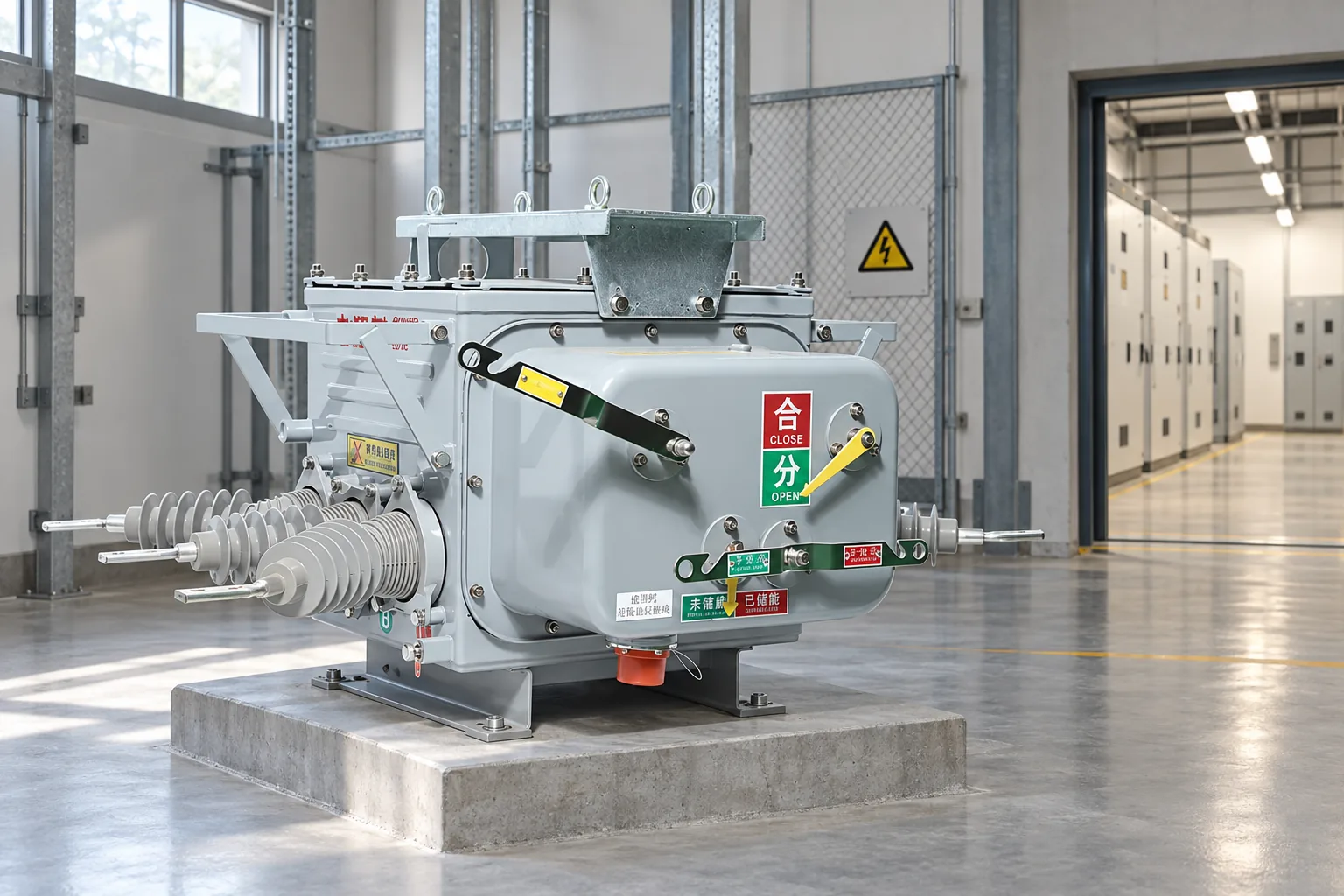
Residential substation protection also needs a service plan. Secure access, switching authority, maintainable equipment and a response arrangement matter where residents rely on the supply. An inexpensive component is not a complete solution if nobody is responsible for its maintenance or approved operation.
What would make a market estimate credible?
Define exactly what is counted: utility equipment serving residential load, customer substations, complete switchgear or breaker components. State the geography, period and whether values are actual sales or forecasts. Without those boundaries, a market figure may include equipment outside the subject.
For a developer or distributor, confirmed projects and approved connection schemes are more useful than the total number of new homes. Do not multiply a housing statistic by an assumed breaker count. One network device may serve many customers, while another development may use a different protection architecture.
Foire aux questions
Are vacuum circuit breakers used inside ordinary homes?
Medium-voltage distribution VCBs are not the ordinary choice for household final circuits. Domestic equipment must suit the local low-voltage system and installation requirements.
Why do reports refer to a residential VCB market?
The term may describe upstream equipment serving residential demand or switchgear in large developments. Check the report’s definition before interpreting it as household breaker sales.
Does an apartment building need a VCB?
Not automatically. The supply arrangement, voltage, transformer ownership and approved protection design determine whether a medium-voltage breaker is relevant.
Does a home battery require a vacuum circuit breaker?
Not simply because it is a battery. The manufacturer and installation design specify suitable protection for its actual circuit. A domestic battery should not be confused with a medium-voltage network installation.
Can a VCB replace an MCB or MCCB?
They are different equipment classes with application-specific duties. Replacement cannot be decided by comparing ampere ratings; voltage, protection characteristics, standards and installation design must be considered.
Who usually approves medium-voltage residential supply equipment?
The responsible network operator, designer and applicable authority determine the approval process. The answer depends on jurisdiction and whether the equipment is utility- or customer-owned.
Résumé
Begin with the electrical supply boundary rather than the residential label. A medium-voltage breaker may protect a utility feeder or a development’s substation, while domestic final circuits require their own appropriate equipment. Solar, batteries and EV charging can influence upstream investment, but they do not establish a VCB requirement by themselves. Confirm the supply architecture, ownership, fault duty and protection responsibilities before assessing products or market demand. The first useful document is the connection diagram: it identifies whether the proposed equipment belongs to a domestic circuit, customer substation or utility feeder. Fuerte’s medium-voltage vacuum circuit breakers should be considered only where that defined network or substation application calls for them.