


Transmission line lightning arrester selection starts by separating line-placement scope from station or distribution-transformer duties, then recording voltage class, temporary overvoltage expectations, energy duty questions, and mounting context before comparing supplier models. Use it to keep line placement scope apart from transformer-only duties. It is a checklist for procurement and engineering teams — not sizing or approval for transmission-line-lightning-arrester-selection.

Part 1. Separate Line Scope From Station and Transformer Duties
A transmission line lightning arrester conversation fails when buyers mix tower or span placement with substation entrance or transformer bushing duties. Write the protected object and placement class first. Line-arrester language asks where along the route devices sit and what they are intended to limit. Station language asks different interfaces and often different evidence packages.
Readers searching for transmission line lightning arrester usually need a project checklist, not a catalog slogan.
Line-scope RFQs that omit placement and grounding ownership leave energy and lead-path questions unanswered until commissioning.
Part 2. Which System Inputs Belong Before Model Shopping?
Record nominal system voltage, grounding method, temporary overvoltage expectations, and the insulation coordination basis from project studies. Add altitude, pollution, and mounting structure notes. Without those inputs, catalog voltage labels become marketing shorthand rather than selection evidence. Keep numeric ratings tied to documents, not to blog estimates.
| Scope question | What to record | Why it decides |
|---|---|---|
| Protected object | Line span, tower, approach, or other | Prevents station/transformer mix-ups |
| System voltage | Nominal class with drawing source | Bounds candidate families |
| Grounding method | System grounding description | Frames TOV discussion |
| Placement | Structure and lead-path notes | Affects installation questions |
| Evidence format | Which datasheet fields are mandatory | Makes offers comparable |
Part 3. What Energy and Discharge Questions Should Appear?
Ask which energy or discharge class questions the project requires suppliers to answer, and which standards or utility specs govern the evidence format. Do not invent joule ratings in the article or the RFQ draft. The goal is to force model-specific manufacturer data into the comparison instead of copying neighbor-class pages.
Important: Line placement language does not authorize copying distribution-transformer arrester ratings or claiming product certification from a blog guide. (Source: IEEE / IEC surge arrester overview practice; project insulation coordination documents.)
Part 4. How Do Placement and Grounding Notes Change the RFQ?
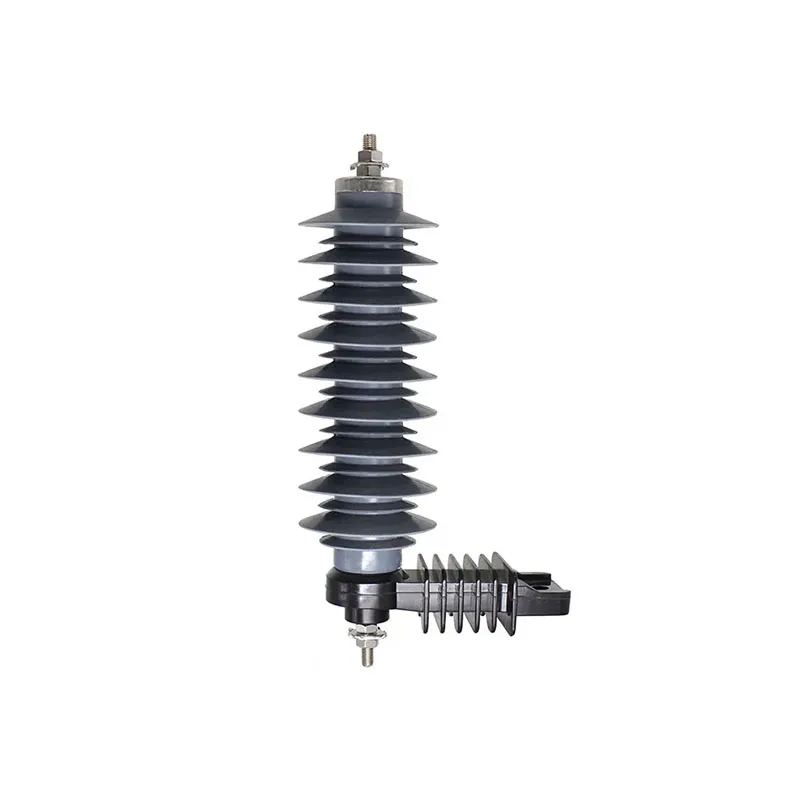
Placement on towers, underbuilt circuits, or approaches to stations changes lead length, grounding path questions, and maintenance access. RFQs should ask for mounting hardware scope, grounding interface ownership, and inspection access. Silent grounding notes are a common reason field performance debates start after energization.
| RFQ section | Minimum ask | Common gap |
|---|---|---|
| Mounting | Hardware in or out of supply? | Assumed tower fittings |
| Grounding interface | Who owns earth connection details? | Silent earth path |
| Documents | Model ID + test/evidence list | Family brochure only |
| Maintenance access | Inspection expectations stated? | Access forgotten |
Part 5. How to Use Sibling 11 kV and 33 kV Guides Without Cannibalizing
Those guides help when the project voltage class matches their intent. This page owns line-scope separation and transmission-line placement vocabulary. Link laterally for class-specific checklists, but keep titles and H1s distinct so buyers land on the correct intent.
On line-arrester reviews, file placement sketches beside the study reference used for TOV and energy evidence questions.
Related reading: line arresters overhead distribution placement; 11kV lightning arrester selection; 33kV lightning arrester selection.
Part 6. Which FUERTE Routes Support Documented Inquiries?
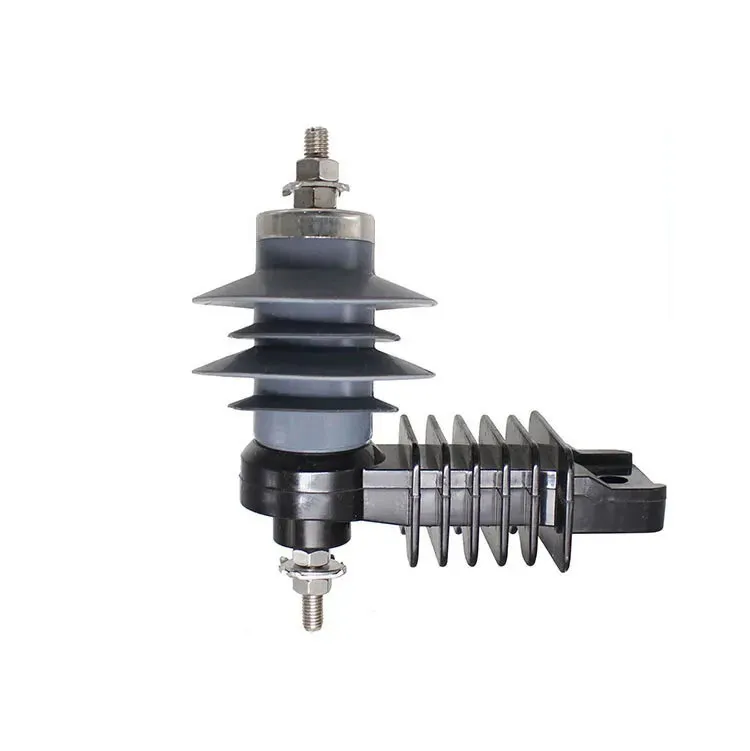
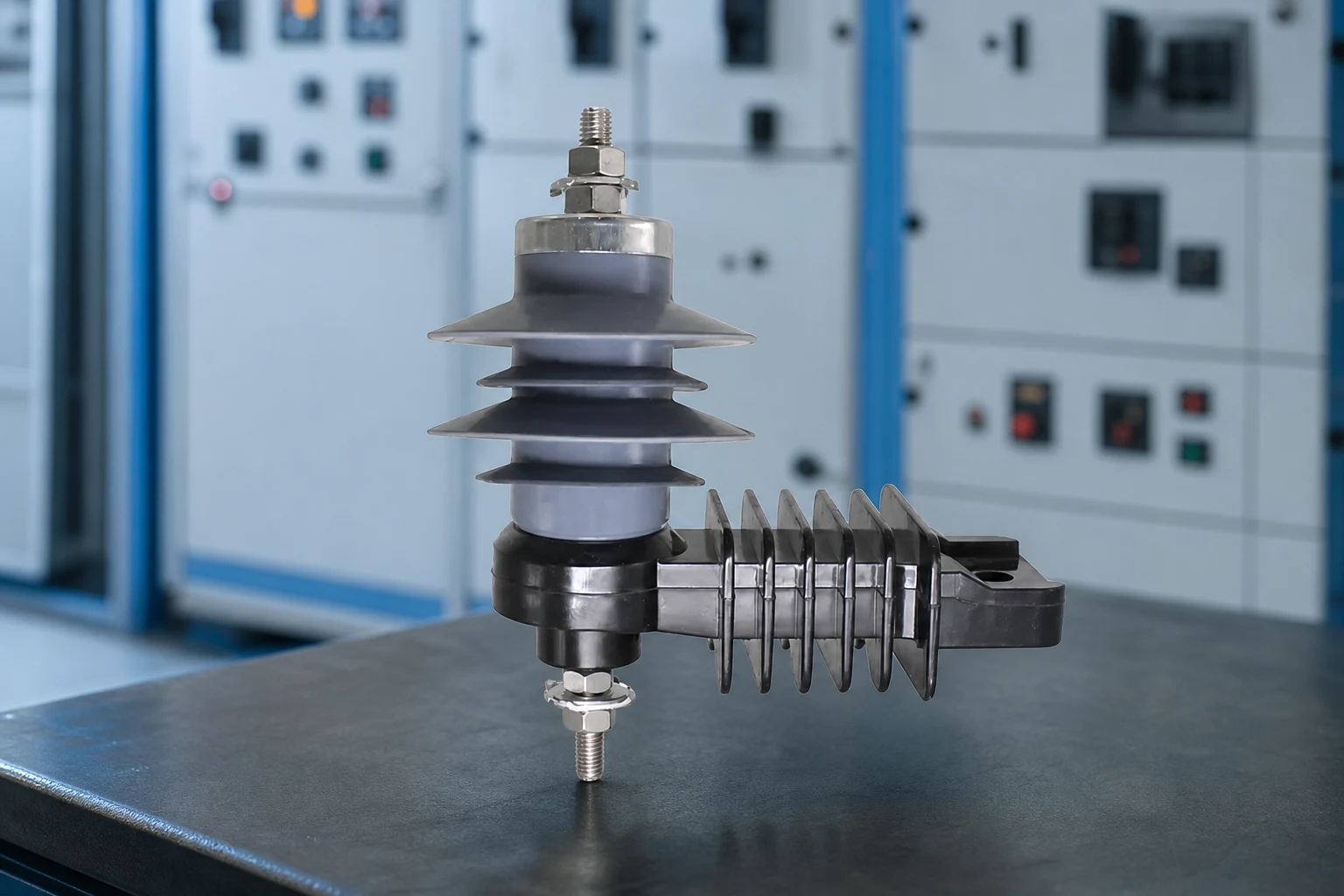
With scope and system inputs written, discuss FUERTE surge arrester product routes with controlled data. Product pages support inquiry; they do not certify line designs. Attach placement sketches and study references so replies can address the actual duty instead of a generic voltage slogan.
| Project signal | FUERTE route | Attach |
|---|---|---|
| Documented MV distribution-class inquiry | Y510W-11 Surge Arrester | Voltage, grounding, placement notes |
| Higher-class documented inquiry | YH510W-33 / YH510W-33J Surge Arrester | Study basis + mounting sketch |
| Transformer duty instead | Use transformer arrester siblings | Do not reuse line scope wording |
- Y510W-11 Surge Arrester — distribution-class discussion after system inputs are documented.
- YH510W-33 / YH510W-33J Surge Arrester — higher-class discussion when project voltage inputs support it.
Review placement language via the FUERTE Lightning Arrester, then contact FUERTE with study references.
Part 7. Fit Boundaries
Keep this article limited to scope and RFQ vocabulary for transmission line lightning arrester selection. It does not size arresters, claim IEC/IEEE product certification, or approve a line design. Final decisions require project documents and verified manufacturer evidence.
FAQ
What is a transmission line lightning arrester in RFQ terms?
A device discussed for line or tower placement scope, distinct from station entrance or transformer-only duties unless documents say otherwise.
Can I reuse a distribution transformer arrester page for line duty?
Only after confirming scope, ratings basis, and mounting context match; otherwise treat it as a different inquiry.
Which inputs come first?
Protected object, system voltage, grounding method, TOV expectations, and placement notes with sources.
Should energy class numbers be invented for the RFQ?
No. Ask suppliers to answer against project specs with model-specific evidence.
Why does grounding appear in a line-arrester RFQ?
Because lead path and earth interface affect installation questions and must be owned in documents.
How do 11 kV and 33 kV selection pages relate?
They help for matching voltage-class checklists; this page owns line-scope separation.
What documents should be returned with a quote?
Exact model identity, datasheets addressing mandatory fields, and mounting/grounding scope notes.
Does this page certify a line arrester application?
No. Certification and acceptance require project governance and verified product evidence.