
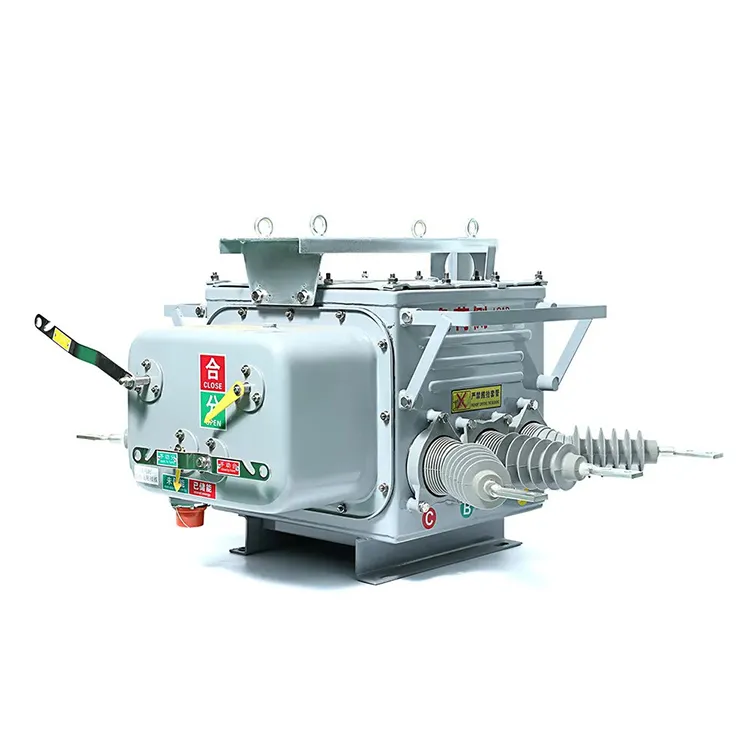
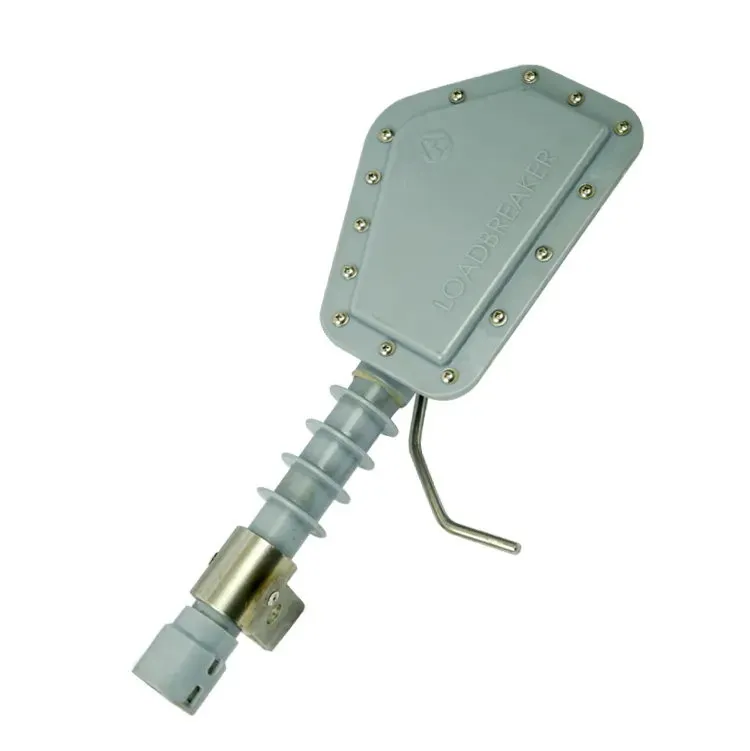


In contemporary power systems, Vacuum Circuit Breakers or VCBs are among the most popular forms of protection due to their ability to protect both the equipment and personnel from electrical faults. The principal difference between the air and oil circuit breakers and a VCB is that the arc produced by an electrical fault is interrupted or extinguished inside of a vacuum, thus making them not only more efficient, but also environmentally friendly and more reliable. This magazine article provides a thorough examination of how vacuum circuit breakers function, their advantages, their numerous applications, and how VCBs differ from other types of electrical equipment.
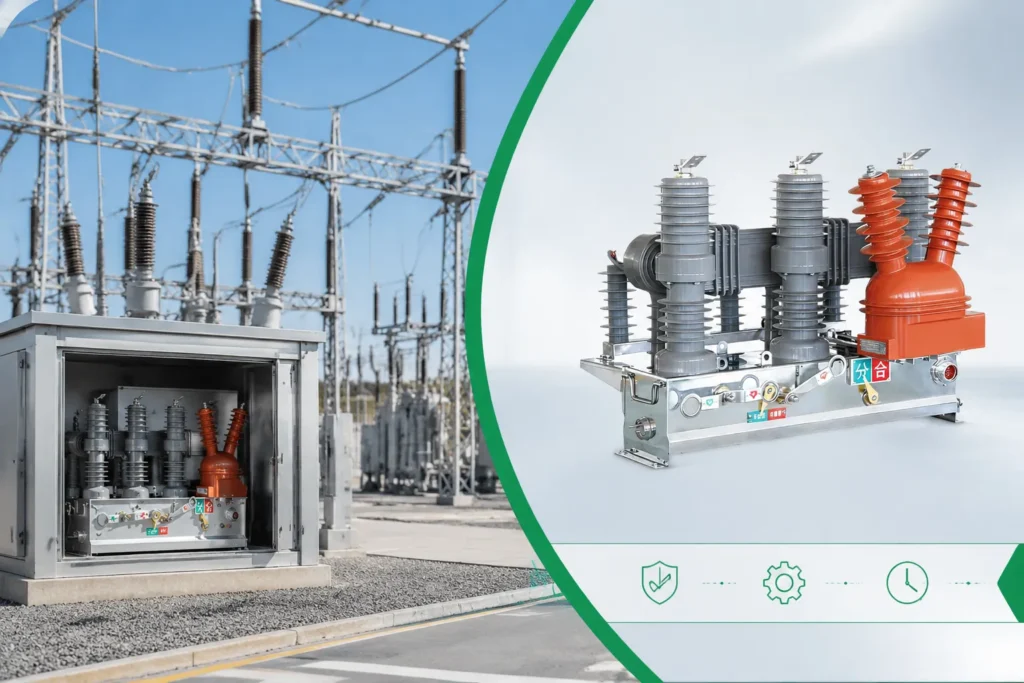
Understanding the Vacuum Circuit Breaker Working Principle
A vacuum circuit breaker operates based on the principle of creating a vacuum in an isolated enclosure. When the circuit breaker opens in response to a fault, the contacts separate and an arc forms between them. However, because there is no medium available (air or gas) within the vacuum to support the continued existence of the arc, the arc will extinguish rapidly as the charged particles condense on the contact surface or are absorbed by the enclosure wall. By reducing damage to the contacts, the effective arc extinction process helps to extend the life of the circuit breaker.
Key Components of a Vacuum Circuit Breaker
To better understand the construction of a VCB, let’s break it down into its primary components:
| Component | Description |
|---|---|
| Vacuum Interrupter | A sealed chamber where the arc is extinguished under vacuum. |
| Contacts | Movable and fixed contacts that open and close the circuit. |
| Operating Mechanism | A mechanical or electromagnetic system to control the opening and closing of contacts. |
| Insulation Materials | Provide additional insulation to handle high voltages. |
| Enclosure | Protects internal components from external damage and environmental factors. |
Advantages of Using Vacuum Circuit Breakers
There are many compelling benefits of using VCBs when choosing a circuit breaking mechanism.
1. High Dielectric Strength – The vacuum functions as a superior insulator, guaranteeing a fast interruption of electric arcs, even when voltages are very high.
2. Low Maintenance – Since VCB’s have fewer parts which move compared to air circuit breakers or oil circuit breakers (no oil or gas), they typically require much less service.
3. Environmentally Safe – Unlike circuit breakers which utilize SF6 gas, VCB’s create no emissions of greenhouse gases, making them an environmentally-friendly alternative for businesses concerned about sustainability.
4. Compact Size and Low Weight – VCB’s are small and lightweight, making them suitable for applications with limited space (e.g., compact substations).
5. Longer Operational Lifetimes – Because of very little wear and tear on component parts, VCB’s have longer operational lives than conventional breakers.
Vacuum Circuit Breaker vs. Other Circuit Breakers
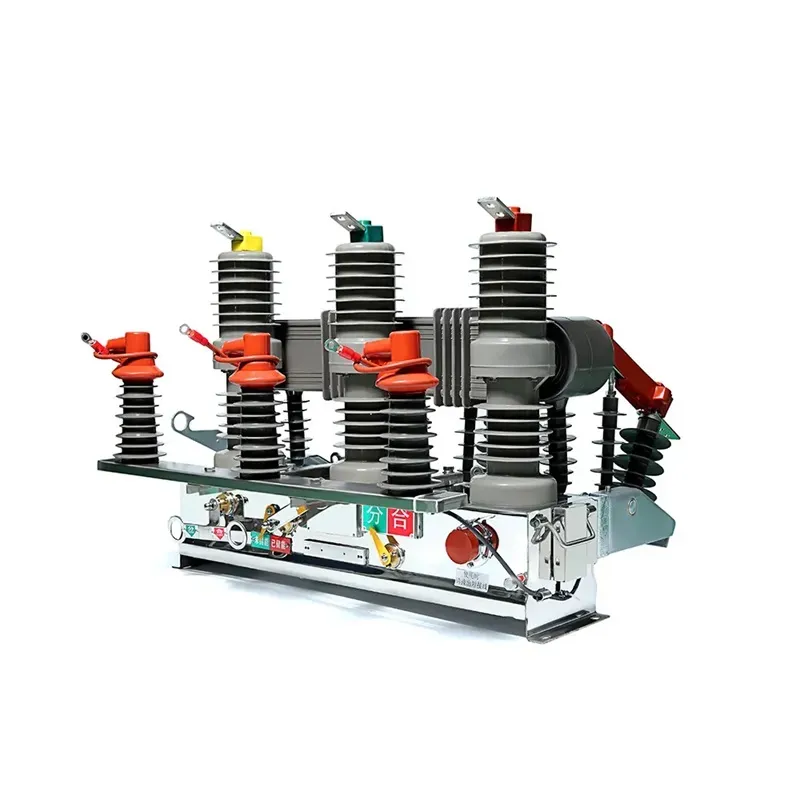
When comparing a vacuum circuit breaker (VCB) against common types of circuit breakers such as an air circuit breaker (ACB) and a SF6 gas (sulfur hexafluoride) circuit breaker, the following table outlines the major differences. Read more details about what is VCB?
| Feature | Vacuum Circuit Breaker (VCB) | Air Circuit Breaker (ACB) | SF6 Circuit Breaker |
|---|---|---|---|
| Arc Extinction Medium | Vacuum | Air | SF6 Gas |
| Maintenance Required | Low | Moderate to High | High |
| Environmental Impact | Minimal | Moderate | High (due to SF6 emissions) |
| Cost | Moderate | Low | High |
| Size | Compact | Bulky | Moderate |
Applications of Vacuum Circuit Breakers
VCBs are versatile and have found a home in various industries and applications:
✔ VCBs will also be seen in industrial facilities being used for distinct industries relying on large electrical systems, such as steel and mining.
✔ Renewable energy installations like solar farms or wind energy installations tend to utilise VCBs as they provide efficient and low maintenance solutions for switching and protection of circuits.
✔ VCBs are commonly found in railways for the switching and protecting of circuits from faults through their fast acting time and dependability.
Future Trends in Vacuum Circuit Breaker Technology
There are some trends in the future of vacuum circuit breaker technology, like technology will influence the design of VCBs.
1. Smart Circuit Breakers: IoT technology will allow for the creation of smart VCBs, which will have advanced features such as remote monitoring, predictive fault analysis and instant reporting.
2. Increased Voltage Rating: VCBs are increasingly being manufactured to handle much higher voltage ratings, thus enabling them to be used in high current applications such as HVDC.
3. Greater Utilization with Renewable Energy Sources: In response to the global shift toward using more renewable sources of energy, VCBs are becoming an integral part of the renewable energy landscape.
4. Greater Sustainability: As environmental regulations become more stringent, VCBs will continue to develop as a “green” alternative to other circuit breaker products.
FAQs
What is the lifespan of a vacuum circuit breaker?
Vacuum circuit breakers can last anywhere from 20 – 30 years, depending on both product quality and operational condition. Regular maintenance will also help to extend the life of a vacuum circuit breaker.
What voltage levels are vacuum circuit breakers suitable for?
Medium voltage (1 kV – 38 kV) applications can typically use VCBs; however, with advances in technology expect that VCBs will have voltage ratings greater than 38 kV in the future.
How do I choose the best vacuum circuit breaker for my application?
When you are deciding upon your VCB (Vacuum Circuit Breaker), determine the following:
– Operating Voltage
– Fault current rating
– Environmental Conditions
– Frequency of Switching Operations
You also may want to ask the manufacturer or an expert for tailored recommendations based on the above.
Are vacuum circuit breakers safe for the environment?
Absolutely, VCBs are deemed to be an environmentally friendly electrical component due to not utilising greenhouse gases like SF6 and leaving hardly any footprint on the environment surrounding them.
What are the maintenance requirements for a vacuum circuit breaker?
When compared to oil and air circuit breakers, less maintenance is required on a VCB. Therefore, it is important to inspect the contacts and the vacuum integrity on a regular basis for proper operation.
How does a VCB improve operational efficiency?
With a lower number of mechanical components and faster arc extinguishing times, VCBs provide improved uptime and lower overall cost of ownership because they require less maintenance than conventional circuit breaker types.
According to market research reports, the global Vacuum Circuit Breaker (VCB) market’s expected CAGR between 2023-2030 has been set at 6.4% and will be driven by many factors such as the growing emphasis on renewable energy integration, urbanization and a dramatic rise in global electricity consumption (Market Research Future).
China is a primary manufacturer of VCB’s and has set up China as the center for the manufacture of superior, reasonably priced circuit breakers, so that many businesses from the world look to China manufacturers of vacuum circuit breakers to provide them with dependable products at a good price.
Circuit breakers using vacuum technology are essential components of today’s electrical systems, offering reliable performance, efficient operation, and environmentally friendly solutions. Using a strong operating mechanism, vacuum circuit breakers have established themselves as industry leaders for circuit protection through various applications in industries such as energy, transportation, and manufacturing. As technology advances and demand for sustainable alternatives grows, the relevance of this type of circuit breaker will continue to increase. Be sure to buy from reputable manufacturers when purchasing and consider your needs when selecting specifications.