
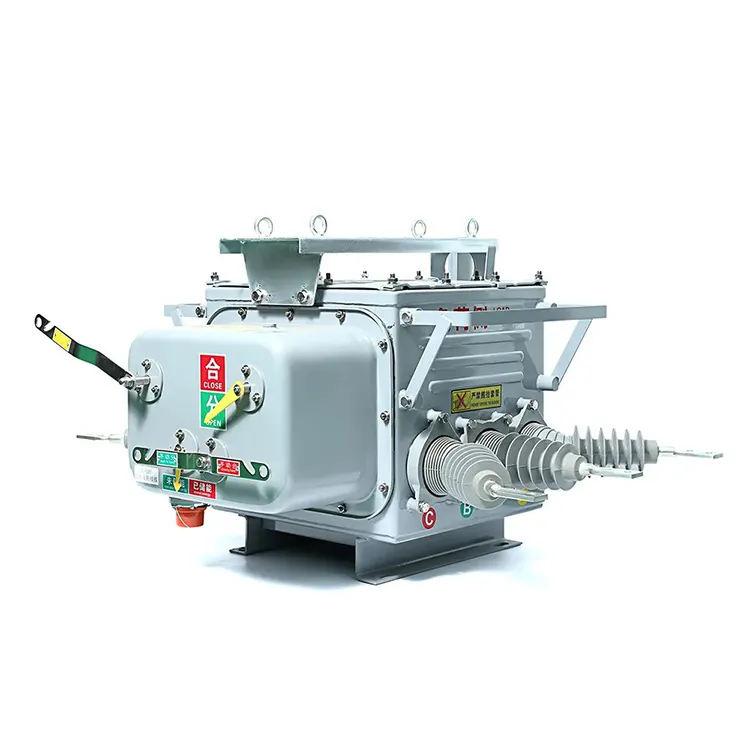
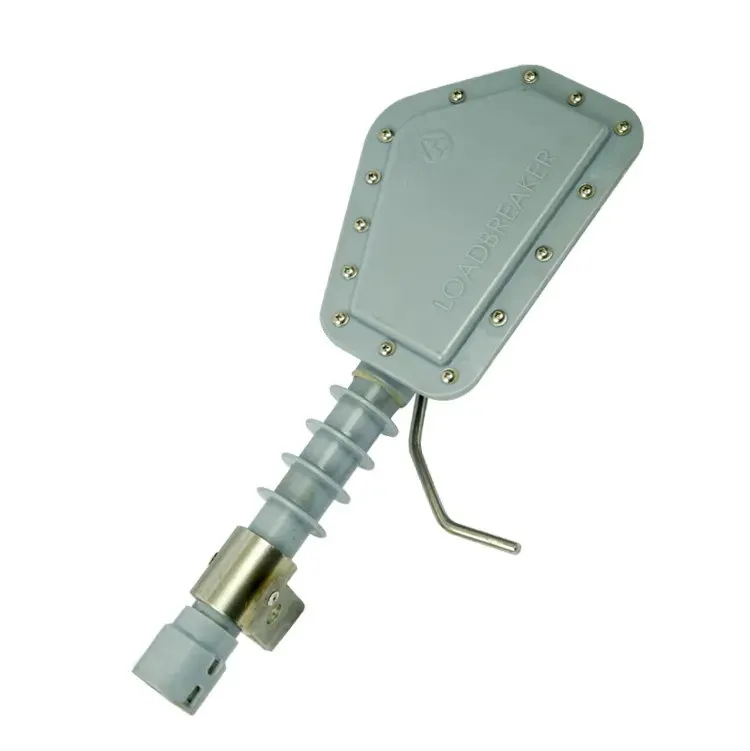


A fixed breaker may look like the simplest way to equip a medium-voltage panel, especially when space is limited. The harder question appears during the first major service: how will the circuit be isolated, proved dead, earthed and accessed when the breaker cannot be withdrawn? Those arrangements affect the cabinet design and the length of an outage. This guide explains what fixed mounting changes, which ratings remain essential, and how to compare it with a drawout alternative without assuming either arrangement is always cheaper or safer.
A fixed version vacuum circuit breaker remains mounted in its operating position instead of moving between connected, test and disconnected positions on a carriage. It still needs the electrical ratings required by the circuit. Isolation and maintenance access must be provided by the complete installation. IEC 62271-100 addresses the breaker, while IEC 62271-200 addresses applicable metal-enclosed assemblies. Select fixed mounting when the enclosure, isolation scheme and service plan support it; do not select it solely because the breaker body fits the available space.
What changes when the breaker is fixed in place?
Fixed mounting describes the installation interface, not the interruption technology or mechanism. A fixed breaker can have a spring or another approved actuator design. Its terminals and supporting structure must be incorporated into the assembly, with access for installation and future replacement. The absence of a racking carriage does not remove the need to control access to live parts.
Eaton lists fixed and drawout configurations within its VCP-T family. This is a useful reminder that mounting and actuator type are separate choices. It does not establish interchangeability between configurations, brands or cabinet designs. The broader classification of vacuum circuit breaker types helps keep those choices separate.
| Design issue | Fixed mounting | Drawout mounting |
|---|---|---|
| Primary connection | Connections are integrated into the installed assembly | Separable connections form part of an approved carriage and cell system |
| Isolation for service | Requires the installation’s specified isolation arrangements | Withdrawal can contribute to isolation within the approved cell arrangement |
| Replacement work | May require disconnection and access to mounting and terminals | May allow removal of an approved interchangeable unit |
| Space to reserve | Terminal work and mechanism service access | Racking, withdrawal and handling space |
| Cost comparison | Include external isolation and replacement labor | Include carriage, cell interfaces and maintenance of separable parts |
How will maintenance staff isolate the circuit?
Opening a breaker interrupts current; it does not, by itself, establish the isolation required for work. The approved switching procedure must identify every source, including possible backfeed, and the means for isolation, verification and earthing. A fixed design may use separate disconnecting arrangements, but their location and function have to be established from the actual single-line diagram.
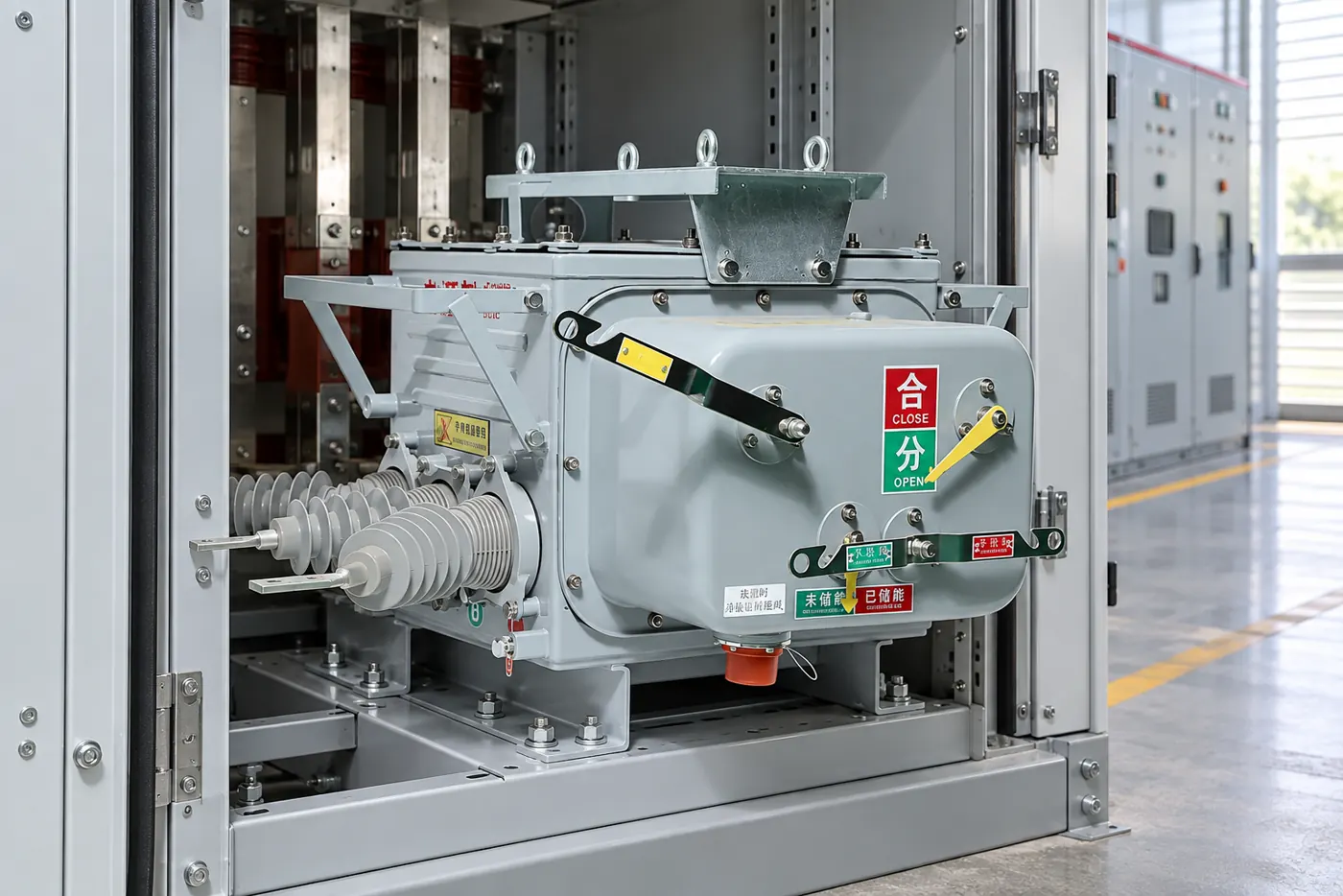
Ask the designer what remains energized when each maintenance compartment is opened. Determine whether adjacent feeders can remain in service and what access restrictions apply. These are assembly and operating-procedure questions. A promise that “fixed breakers are safe to maintain” is incomplete without those conditions.
Which dimensions and connections need checking?
Review pole spacing, terminal position, fastening arrangements, contact surfaces, clearances and support stiffness using approved drawings. Cable or busbar forces must not be transferred to the breaker in a way its design does not allow. Reserve enough room to reach fasteners and remove the mechanism or complete unit using the manufacturer’s procedure.
Fixed breaker integration also includes secondary wiring. Check trip and close voltage, coil tolerances, motor supply, auxiliary-contact duties and anti-pumping logic. The guide to mounting dimensions and retrofit connections describes why a mechanical fit is only part of compatibility.
Which ratings must be checked independently?
Match rated voltage and insulation duty to the network, then verify continuous current, short-circuit making and breaking duty, short-time withstand and the required operating sequence. A higher continuous-current rating is not a substitute for insufficient fault capacity. Neither is a breaker rating proof that the surrounding busbars and enclosure have the same capability.
State the installed service conditions, including room temperature, altitude and ventilation. A cabinet’s temperature rise cannot be inferred from a standalone breaker rating. For a modified assembly, obtain a clear statement of the design verification and tests that remain applicable and those that require reassessment.
Can the breaker be tested without extending the outage?
Plan service access before construction. Identify where timing equipment, contact-resistance leads and insulation-test connections can be applied after the approved isolation procedure. Check whether removing covers exposes other live compartments. The answer may affect the practical outage scope more than the breaker purchase price.
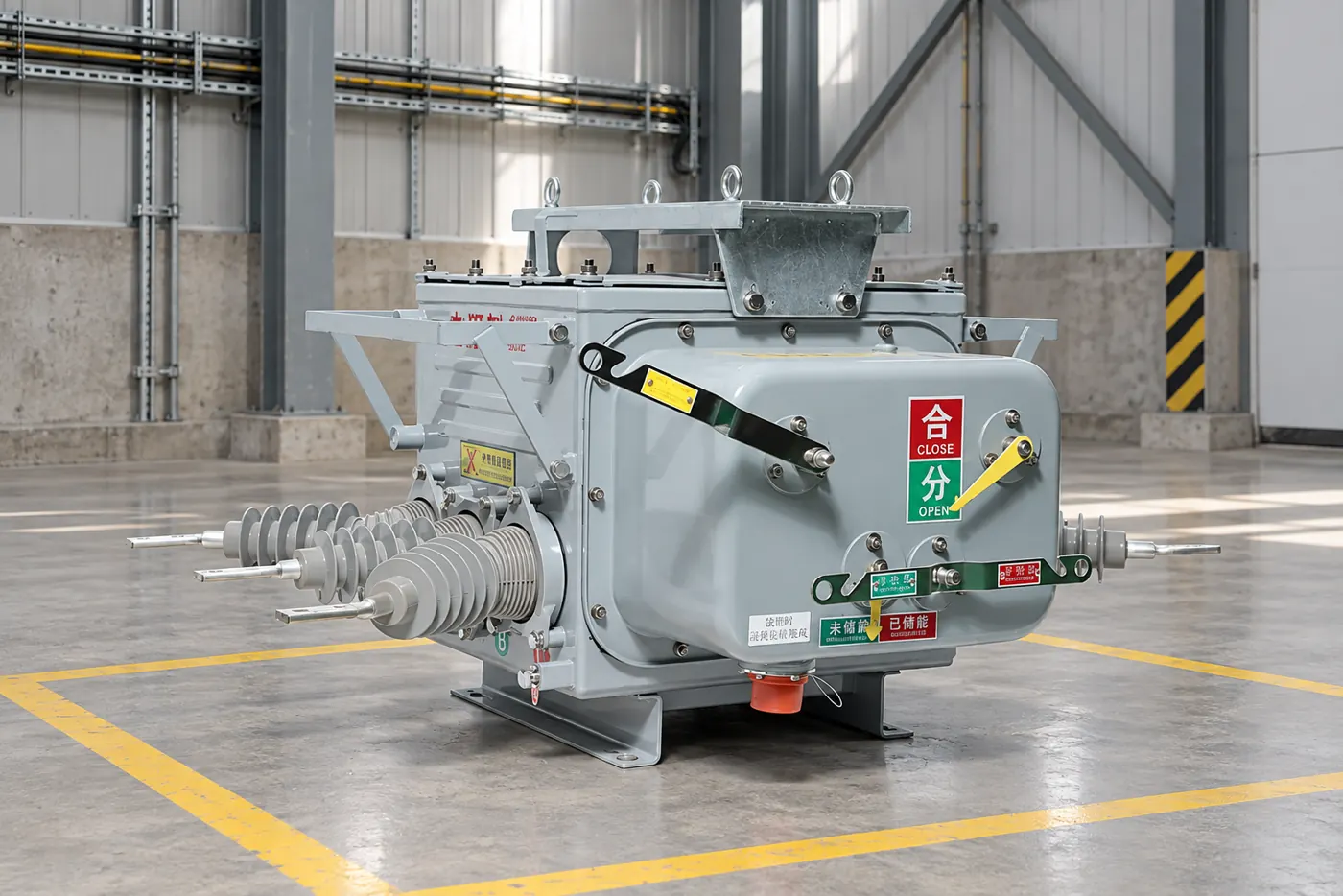
Use vacuum circuit breaker testing methods to distinguish mechanical operation, primary-contact condition, insulation and complete trip-path checks. Test voltages and acceptance limits must come from the relevant equipment instructions and test plan; there is no single value suitable for all fixed breakers.
When is fixed mounting a sensible choice?
It can suit a purpose-designed installation with an adequate isolation scheme, accessible connections and acceptable service outages. It may be less attractive where an approved drawout spare would substantially simplify recovery. Compare the complete cabinet and outage plan, including handling equipment, spare storage, terminal work and the availability of personnel trained on the mechanism.
Before ordering, ask the supplier to describe the actual replacement procedure. If a failed unit cannot leave the room without dismantling other equipment, the compact layout has created a service problem that should be addressed during design.
Frequently asked questions
What does fixed version mean on a vacuum circuit breaker?
It means the breaker is installed without a normal drawout carriage arrangement. The complete switchgear design provides the necessary isolation, access and protection functions.
Is a fixed breaker less expensive than a drawout breaker?
The component may have a different price, but installed cost includes isolation equipment, enclosure design and maintenance access. Compare identical circuit duties and service requirements before drawing a cost conclusion.
Can a fixed VCB be replaced with a drawout VCB?
Sometimes, through an engineered switchgear modification. The change affects more than the breaker: cell geometry, primary contacts, shutters, interlocks and wiring may need redesign and verification.
Does fixed mounting reduce breaking capacity?
Mounting type alone does not determine breaking capacity. Use the rating and test evidence for the exact model and verify the complete installation’s fault duty.
Can a fixed breaker be maintained while adjacent circuits stay energized?
That depends on the assembly’s compartment design, isolation arrangements and approved work procedure. It cannot be decided from the mounting description alone.
Are fixed breakers maintenance-free?
No blanket claim is justified. The sealed interrupter does not eliminate maintenance of mechanisms, secondary circuits, insulation, joints or protection equipment.
Summary
A fixed breaker should be selected as part of a serviceable switchgear design. First establish the isolation and access arrangements, then verify electrical ratings, terminals, wiring and the practical replacement procedure. Compare the complete installation with a drawout option, including outage scope and spare strategy. A compact breaker is useful only if personnel can inspect and replace it using the approved procedures. The design review should establish which terminals can be reached and which other circuits must be taken out of service before a failed unit is removed. Fuerte’s medium-voltage breaker range can be reviewed against that specification, with compatibility confirmed through model-specific drawings and evidence.